




Hyundai and Kia hit record US sales for July, as pure EVs falter, hybrids surge
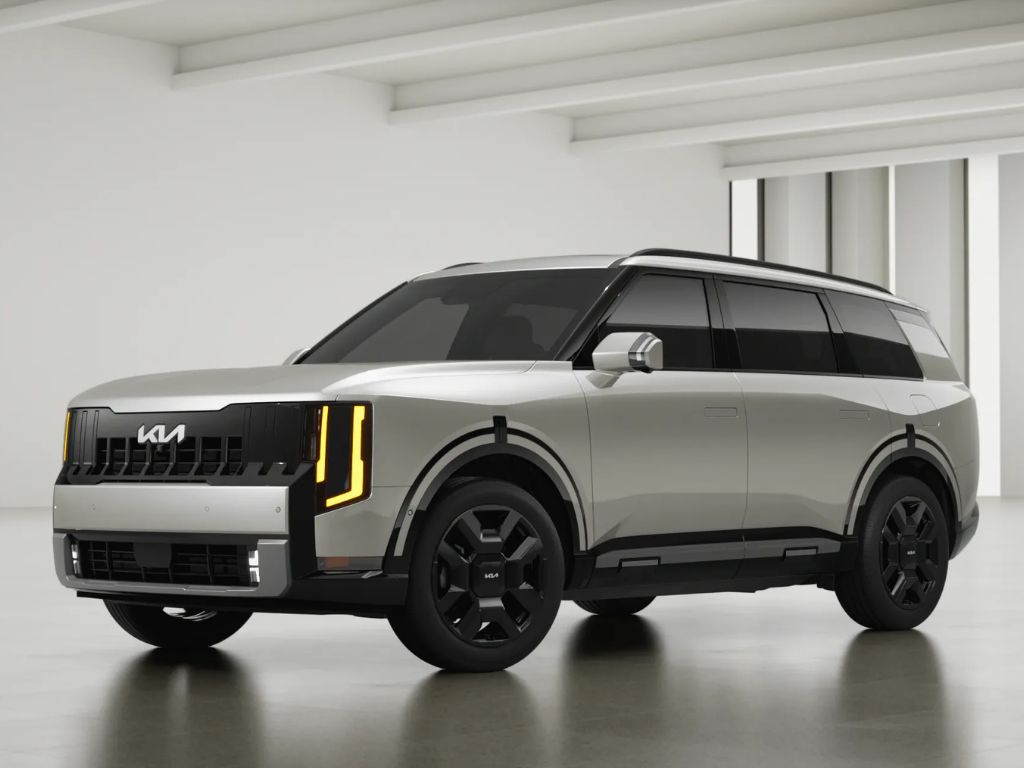
Despite posting their best-ever U.S. sales figures in July 2026, Hyundai and Kia’s EV lineups took a nosedive. Hyundai shipped 82,480 vehicles last month, a 4% increase compared to July 2025, while Kia sold 75,857 vehicles, a 7% year-over-year increase. Still, both companies’ electric vehicles tell a different story, with sales declining and inventory sitting unsold in showrooms.
Randy Parker, president and CEO of Hyundai Motor North America, celebrated the strong sales figures, stating, “Hyundai’s July results demonstrate the growing appeal of our hybrid-powered SUVs, with hybrid sales increasing 35% year over year. Tucson and Elantra continued to lead, while hybrid models across the lineup helped drive electrified vehicles to one-third of all retail sales.”
Meanwhile, Kia struck a similar tone, as Eric Watson, Kia America’s vice president, sales operations, stated:
“Kia’s momentum continues to increase as we see widespread interest in a variety of models across our entire lineup, from sedans to SUVs, to hybrids and all-electric powertrains. Our ability to continue setting records despite a tepid industry reflects the strength of our product lineup and sustained consumer demand.”
A solid month with hybrids in focus
Hyundai’s Tucson lineup recorded its best-ever July, rising 20% to 19,714 vehicles sold, while Elantra sales jumped 39% to 17,115 vehicles. The Santa Fe sold 13,373 units.
The hybrid versions of the Sonata, Elantra, and Tucson all set July sales records, pushing Hyundai to its best-ever July for total hybrid and EV sales.
Kia’s hybrid-sales momentum was even stronger, with sales up 108%, as the Sportage Hybrid, Seltos, Carnival Hybrid, Telluride, and K4 all set new July records.
However, Kia and Hyundai’s EV lineups didn’t match those impressive sales records. Hyundai’s Ioniq 6 cratered by 92%, selling only 76 units (vs 949 units in July 2025) after its standard trims were discontinued. Meanwhile, Ioniq 5 sales fell by 38%, and Ioniq 9 sales fell by 35% in July. As for Kia, EV6 sales fell by 47% to just 674 units, while EV9 sales dropped by 5% to 1,650 electric vehicles shipped.
With increasing gas prices and the discontinuation of the $7,500 federal EV tax credit, the sales trends make a fair bit of sense. Nevertheless, both Hyundai and Kia continue to push their EV plans, including Kia’s EV3, which arrives later in 2026, and Hyundai’s recent price slash on the Ioniq 5 N.
Source(s)
 Add as a preferred source on Google


