




Xpeng takes on Tesla: Production-ready GX L4 robotaxi is a brain on wheels
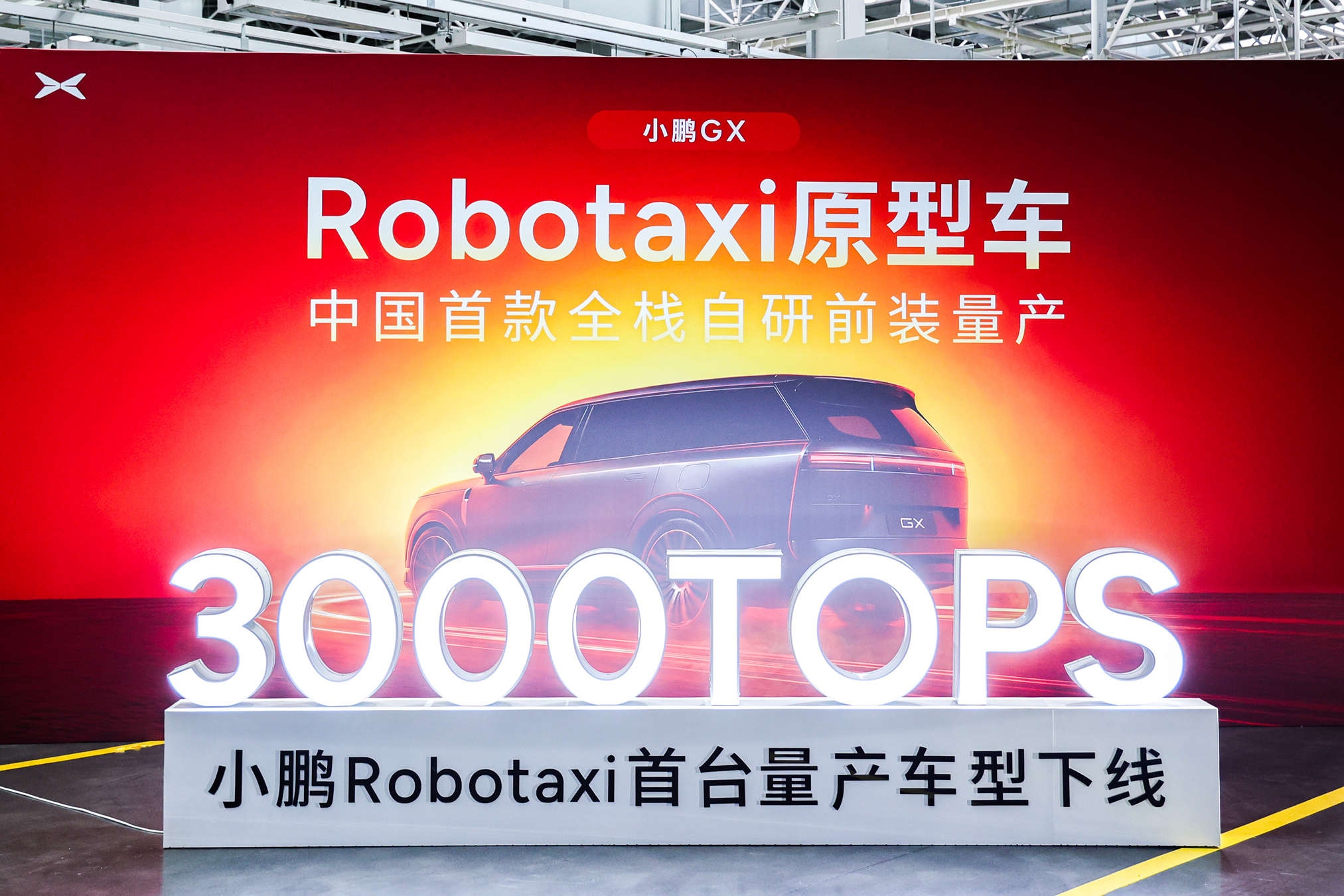
Xpeng is launching an offensive against Tesla in the autonomous robotaxi sector: the production-ready Xpeng GX L4 robotaxi is becoming a "brain on wheels," relying on brutal onboard computing power combined with a pure camera architecture. Regular pilot operations for passengers will kick off as early as the second half of 2026, shortly thereafter the safety driver vanishes from the front seat entirely.
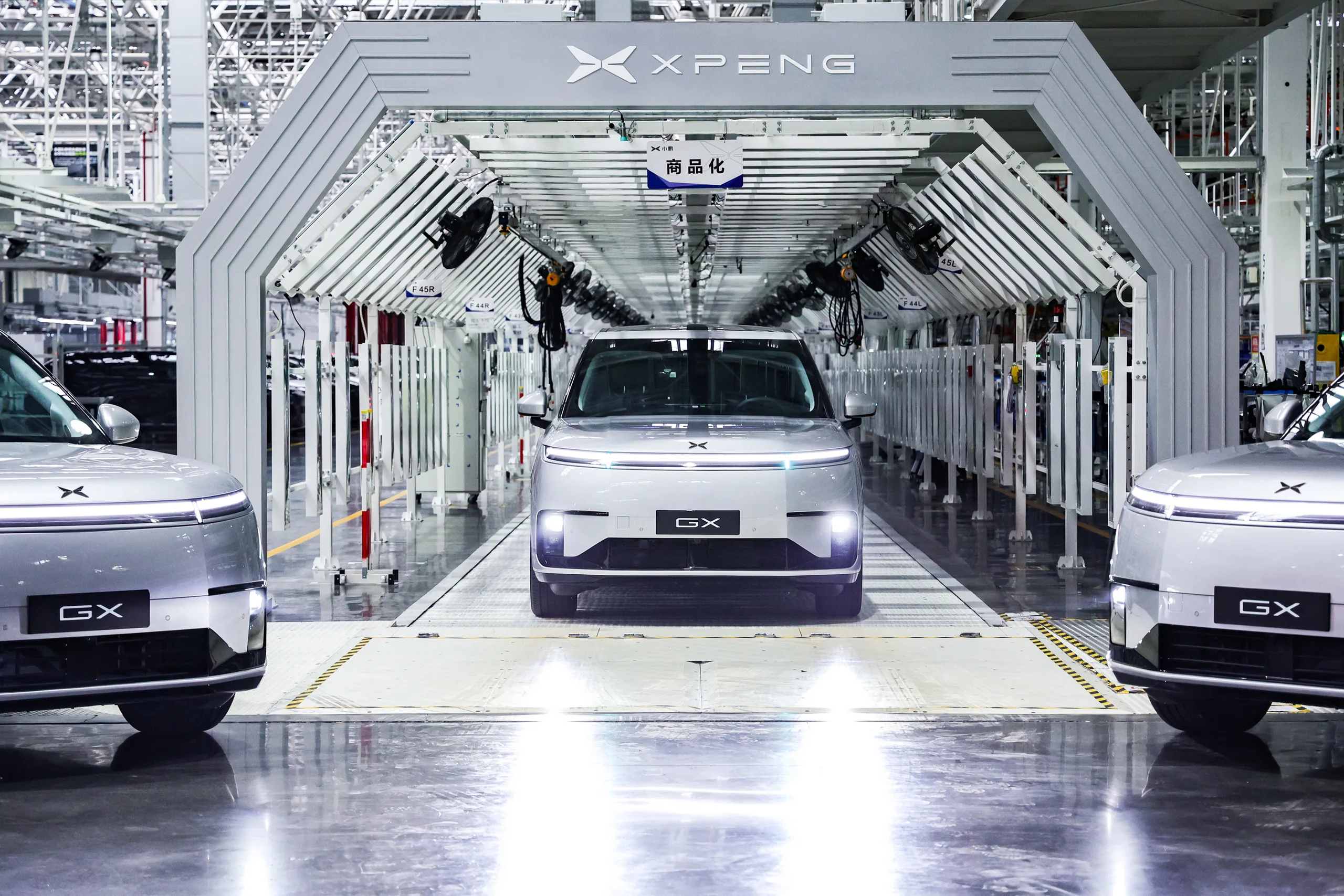
The global autonomous driving market is reaching a historic turning point. While Western competitors like Tesla or Waymo are often still experimenting with prototypes or painstakingly retrofitting existing vehicles, a Chinese manufacturer is creating facts on the ground. The high-tech company Xpeng has announced the official start of production for its first production-ready robotaxi in Guangzhou. This shifts the global showdown once and for all from mere testing to real-world road traffic.
The driverless vehicle is based on the massive SUV flagship, the Xpeng GX. The spacious vehicle was designed from the ground up to meet the strict requirements of Level 4 autonomous driving. To process the enormous amounts of data in dense city traffic in real time, the developers opted against offloading data to an external cloud. Instead, the EV functions as a rolling supercomputer. Four in-house developed Turing AI chips share the workload, generating a computing power of up to 3,000 TOPS directly on board the vehicle.
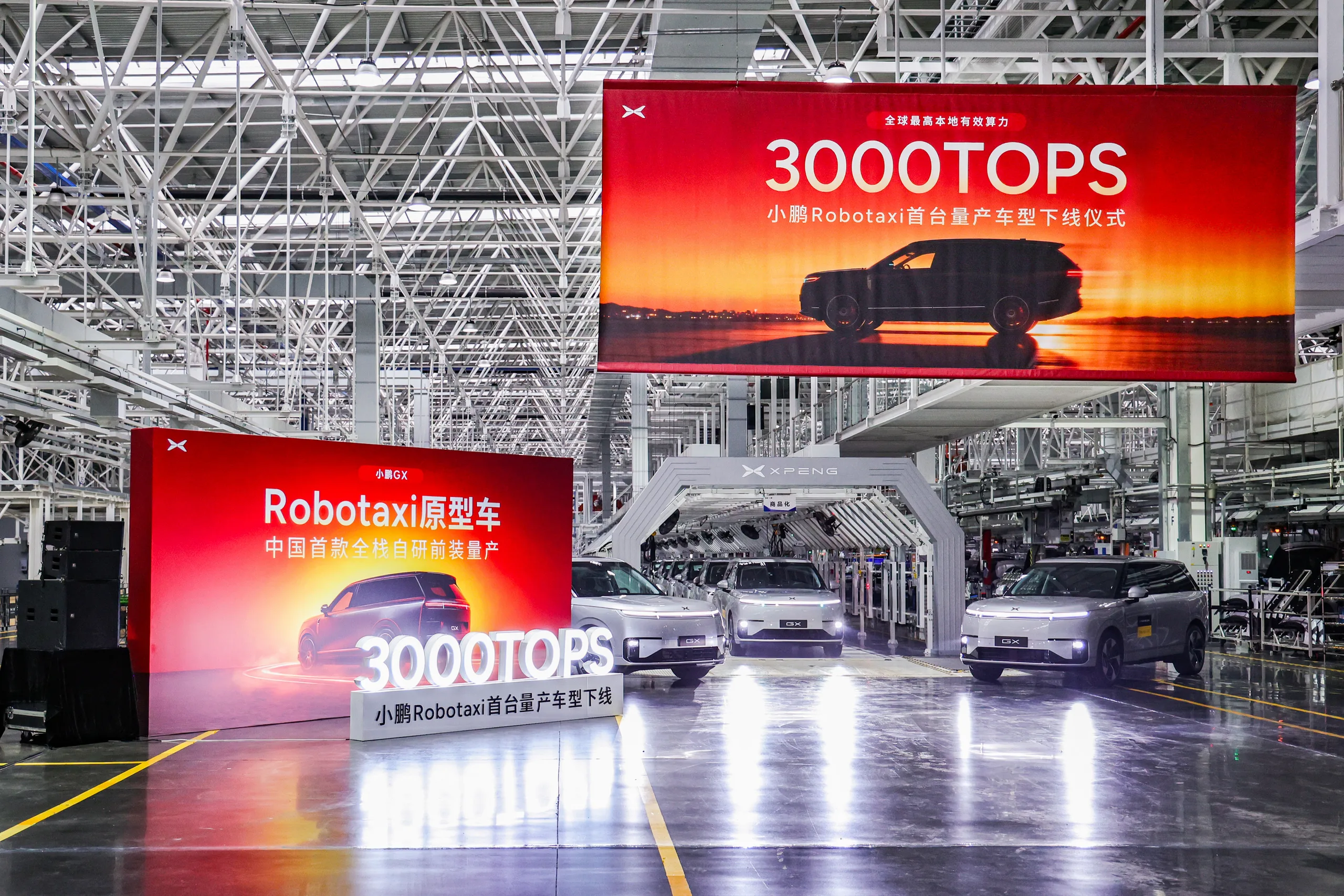
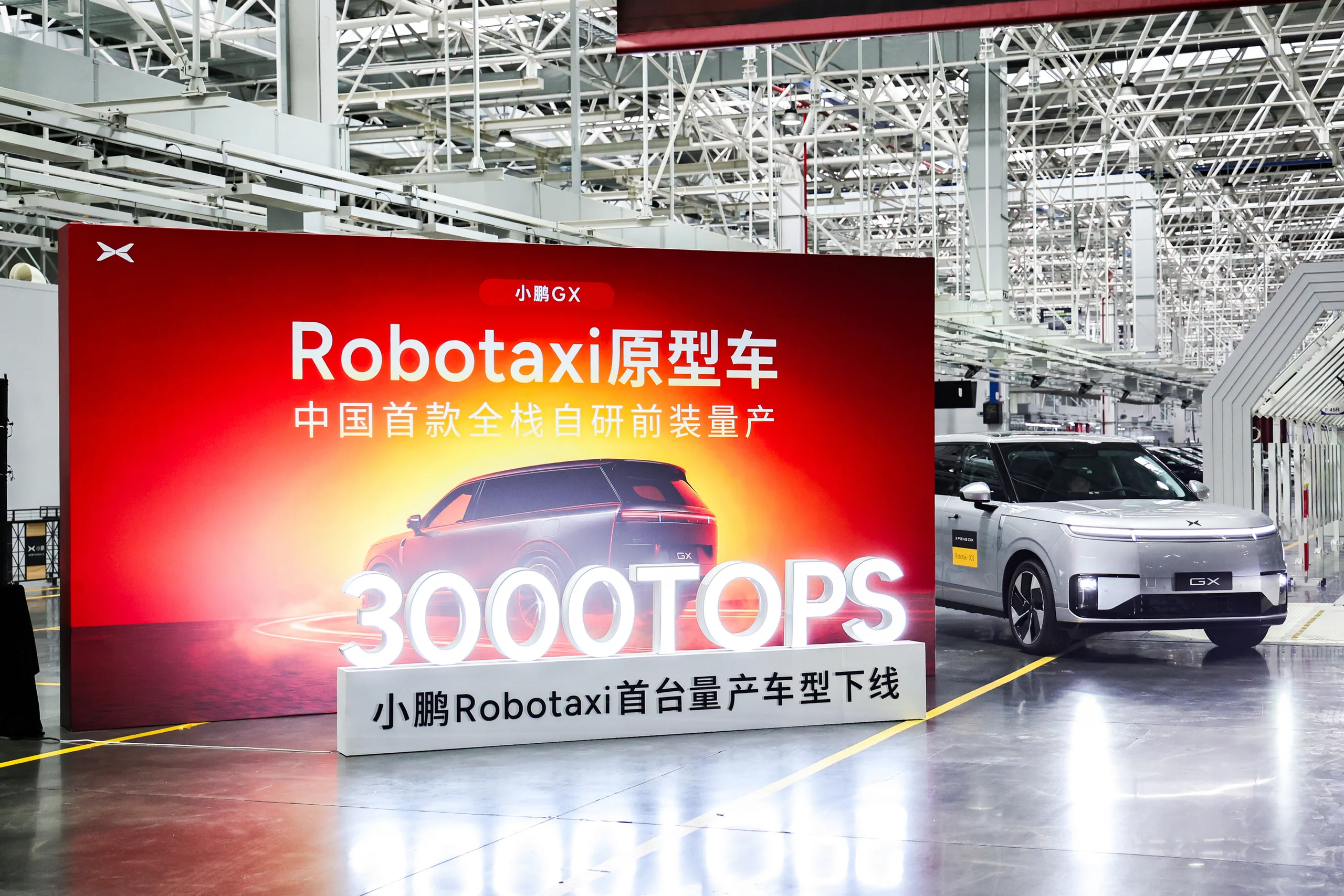
Technologically, the company is taking a radical path: Xpeng is completely throwing expensive LiDAR sensors and high-definition digital maps out of the system. The vehicle relies exclusively on image processing through optical cameras. This pure-vision principle is controlled by the brand-new VLA 2.0 model, which stands for Vision-Language-Action. This end-to-end AI bundles visual perception and direct driving response without any delaying intermediate steps. The result is an extremely short reaction latency of under 80 milliseconds. Additionally, this system allows for excellent adaptability to unfamiliar environments, which will even enable cross-city deployment in the future.
Get the bokman portable level 2 & level 1 EV charger at Amazon.
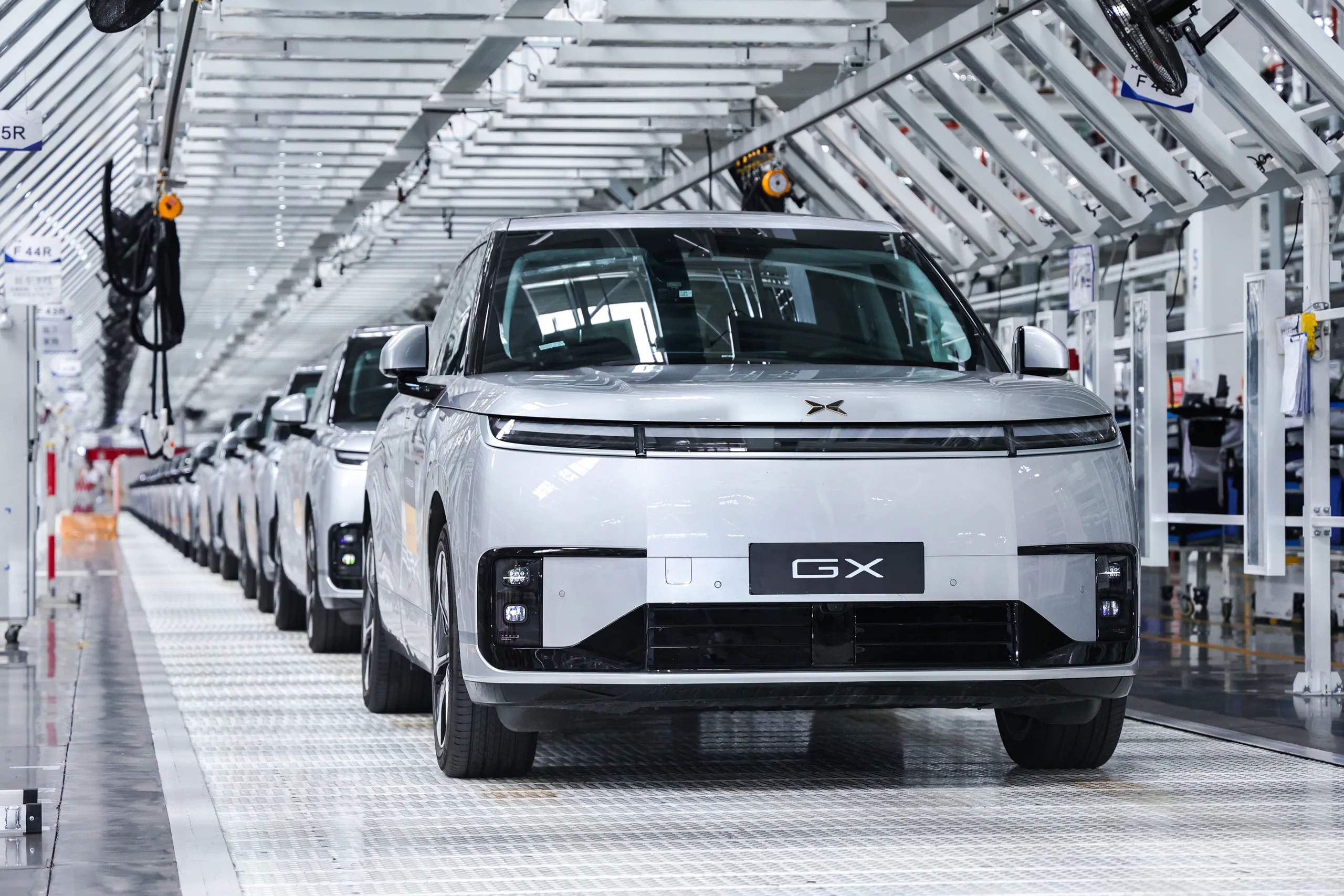
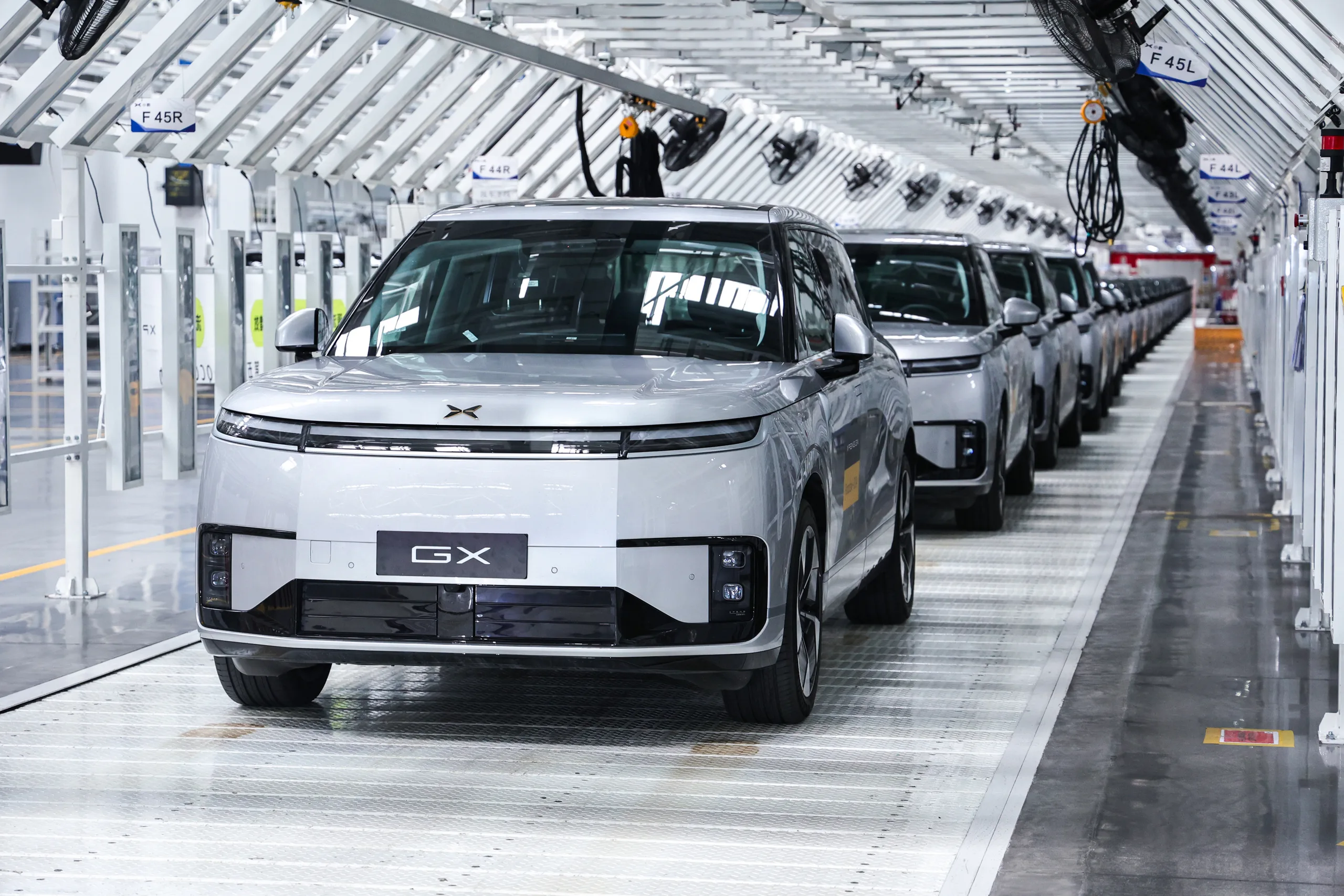
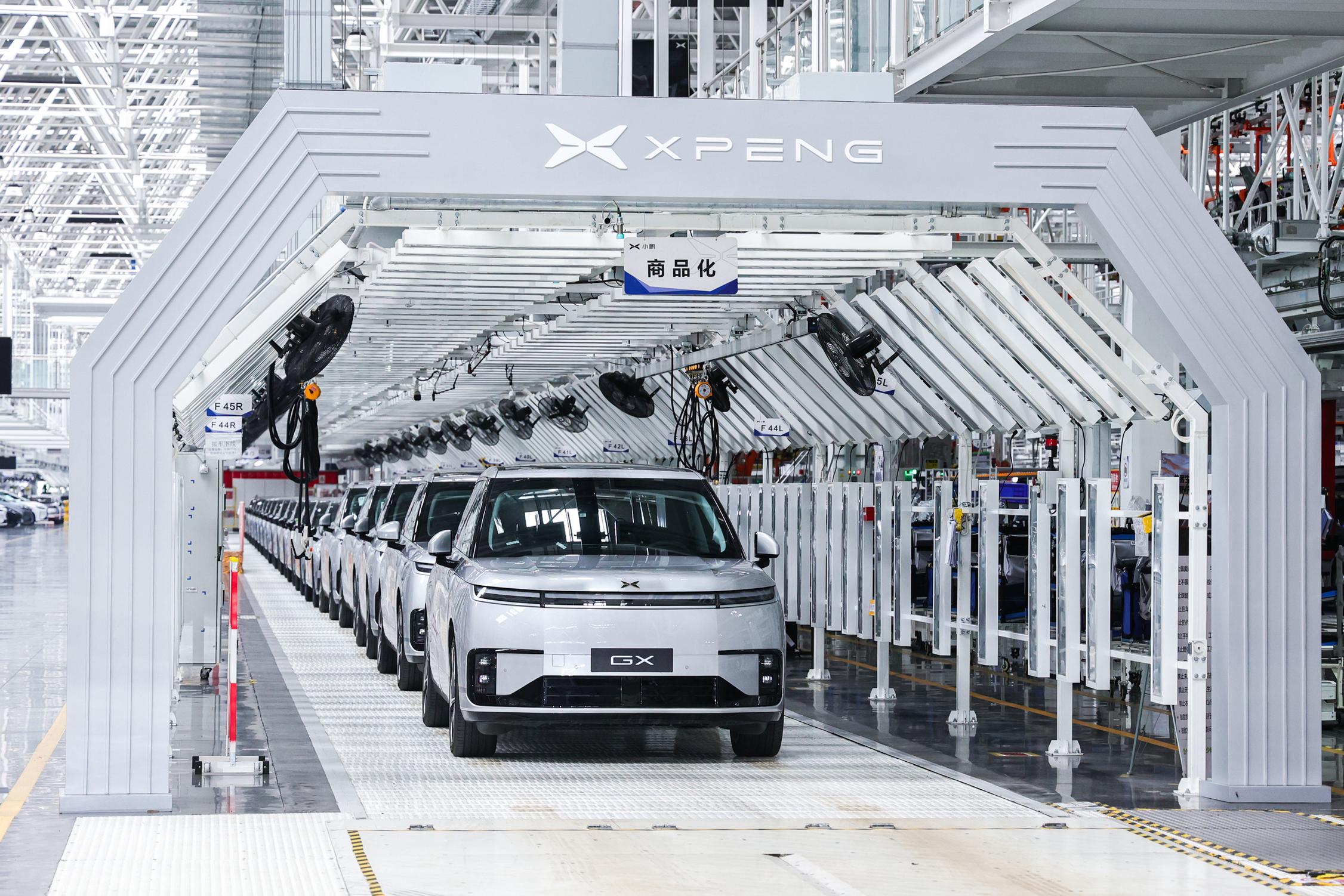
Despite the complex technology running in the background, cabin comfort has not been overlooked. The interior is purposefully designed as a luxurious retreat for passengers. Tinted windows guarantee the necessary privacy amid the urban bustle. In the rear, passengers take their places in comfortable zero-gravity seats. Integrated entertainment screens allow passengers to consume multimedia content during the ride, while the climate control and music selection can be adjusted effortlessly via an intelligent voice assistant.
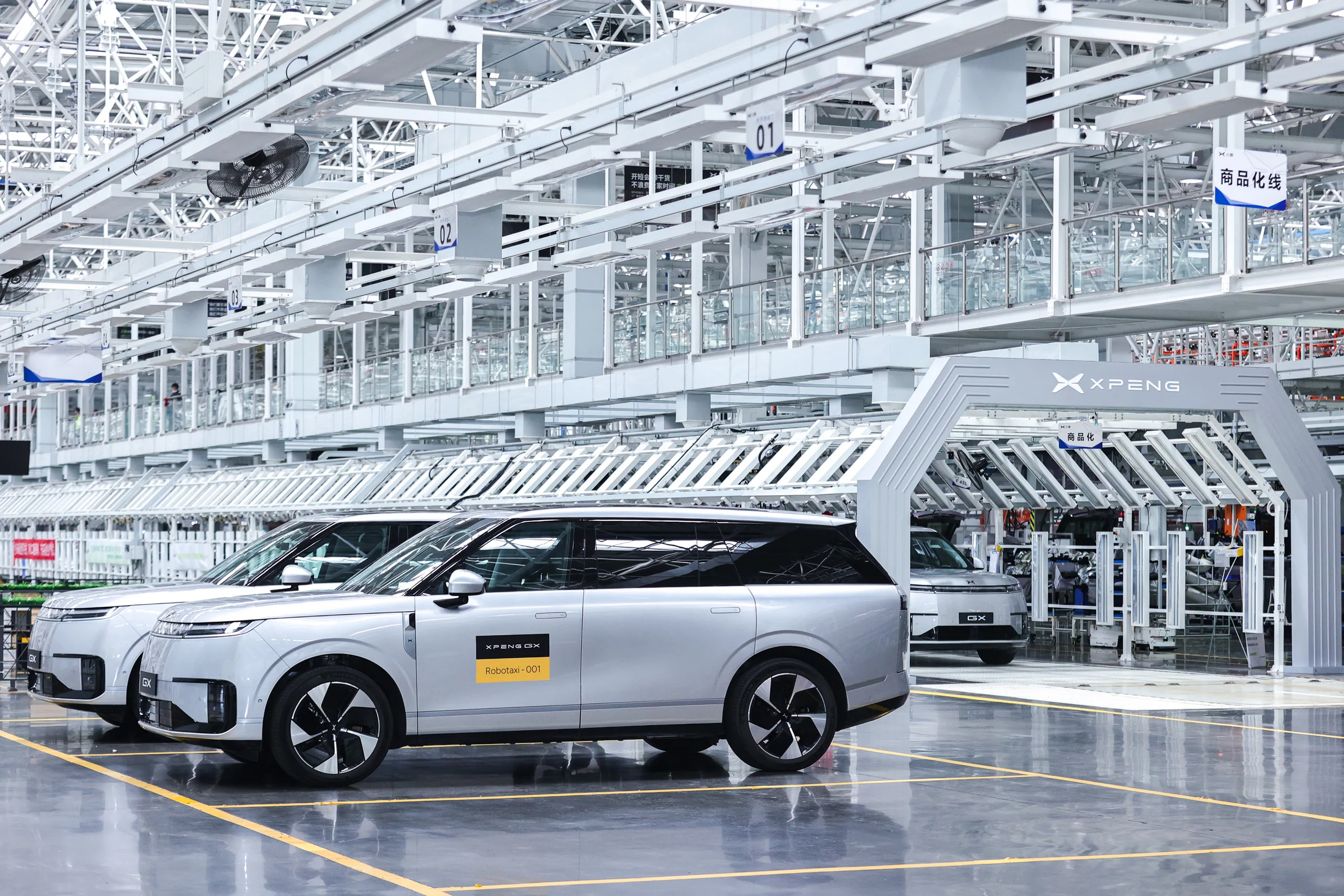
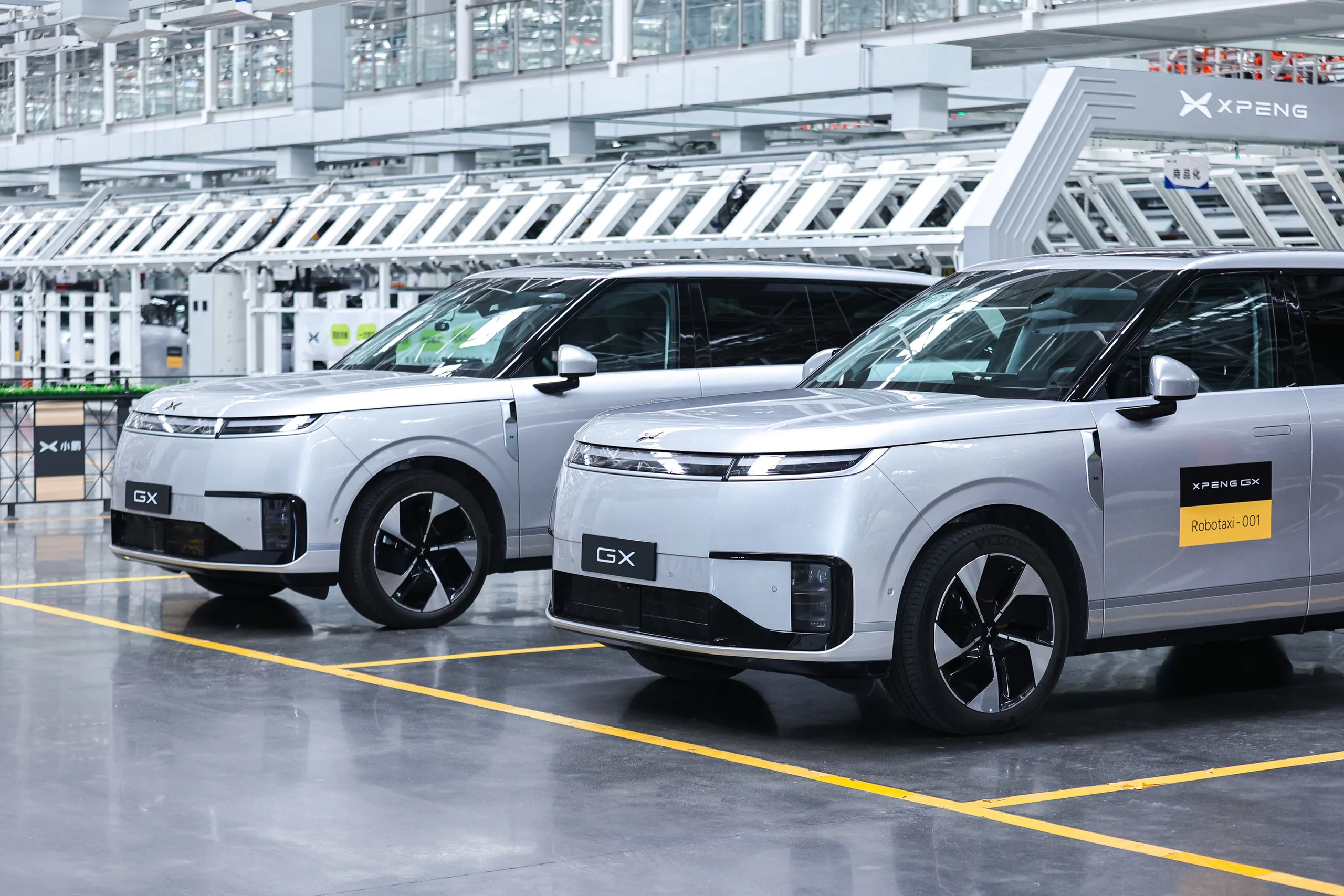
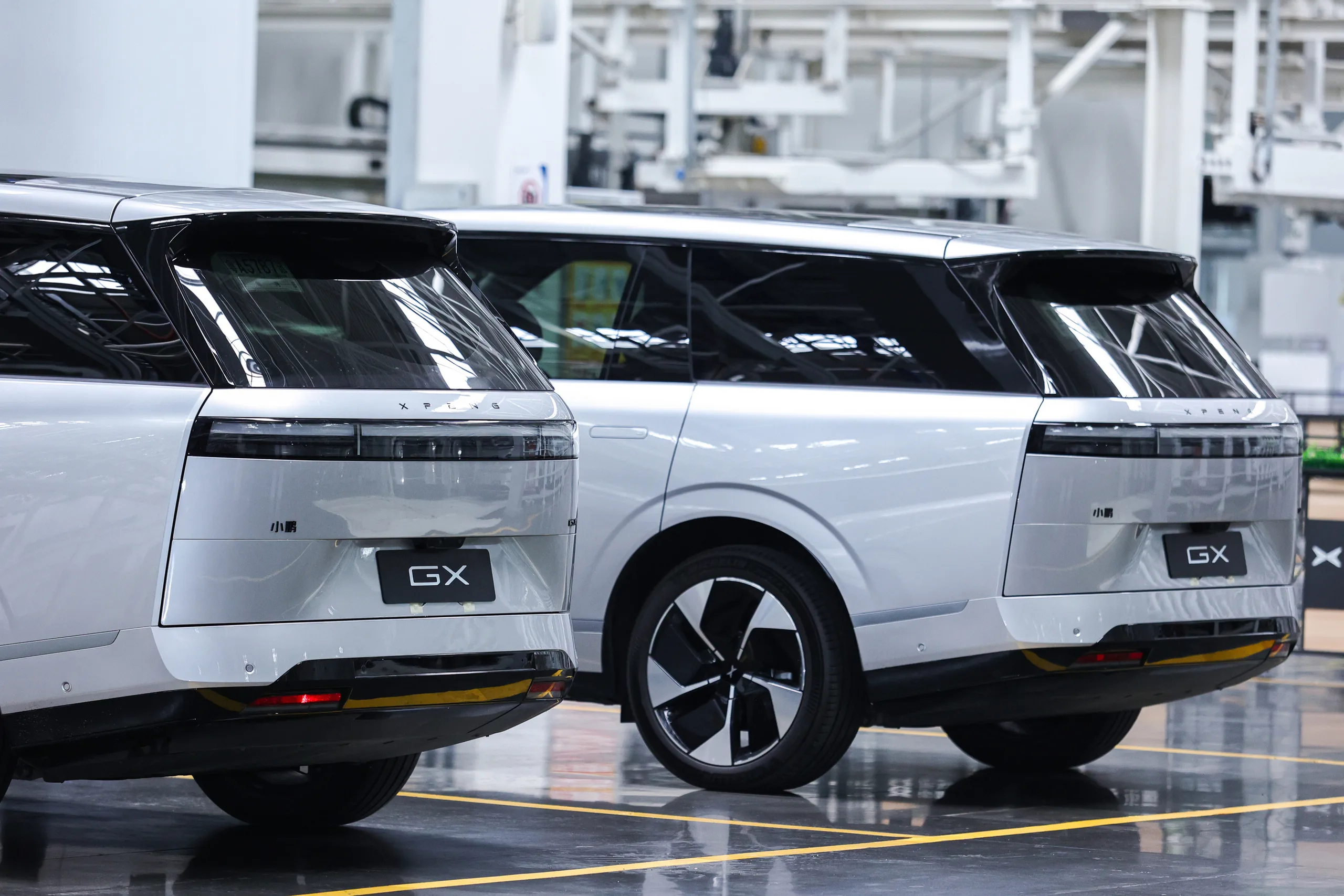
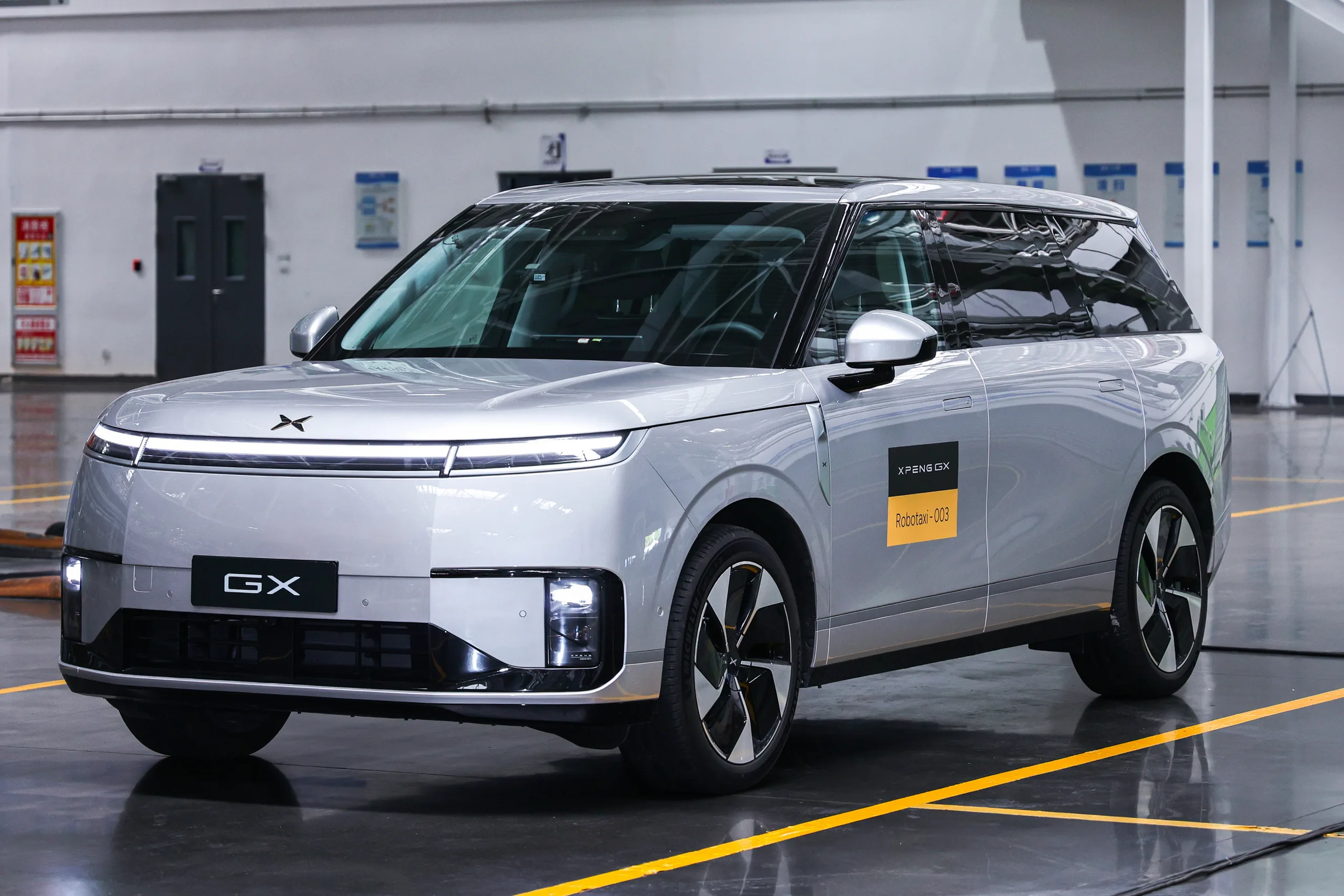
The timeline for commercialization is already set. Since January of this year, the manufacturer has been clocking routine test drives on public roads in Guangzhou. This was followed in March by the founding of an independent Robotaxi business unit to bundle all processes from development to operation. In the second half of 2026, official pilot operations for the general public will now begin.
The stated goal is firm: by early 2027, the vehicles are expected to roll through megacities completely autonomously, without any safety drivers on board. To ensure rapid adoption, the manufacturer is also opening up its own software development kit. The well-known Chinese mapping service Amap, owned by Alibaba, is on board as the first global ecosystem partner. Through this platform, customers will be able to flexibly book the driverless taxis in the future.
The entire project is also embedded in an overarching corporate strategy for physical AI applications; the VLA 2.0 technology used here also forms the shared foundation for the humanoid robot Iron as well as for the development of flying cars. The series production launch of the robotaxi is therefore merely the first puzzle piece in a comprehensive mobility revolution.
Source(s)
 Add as a preferred source on Google


