




Tesla Model Y robotaxi accidents grow with the unsupervised fleet at above human driver rate
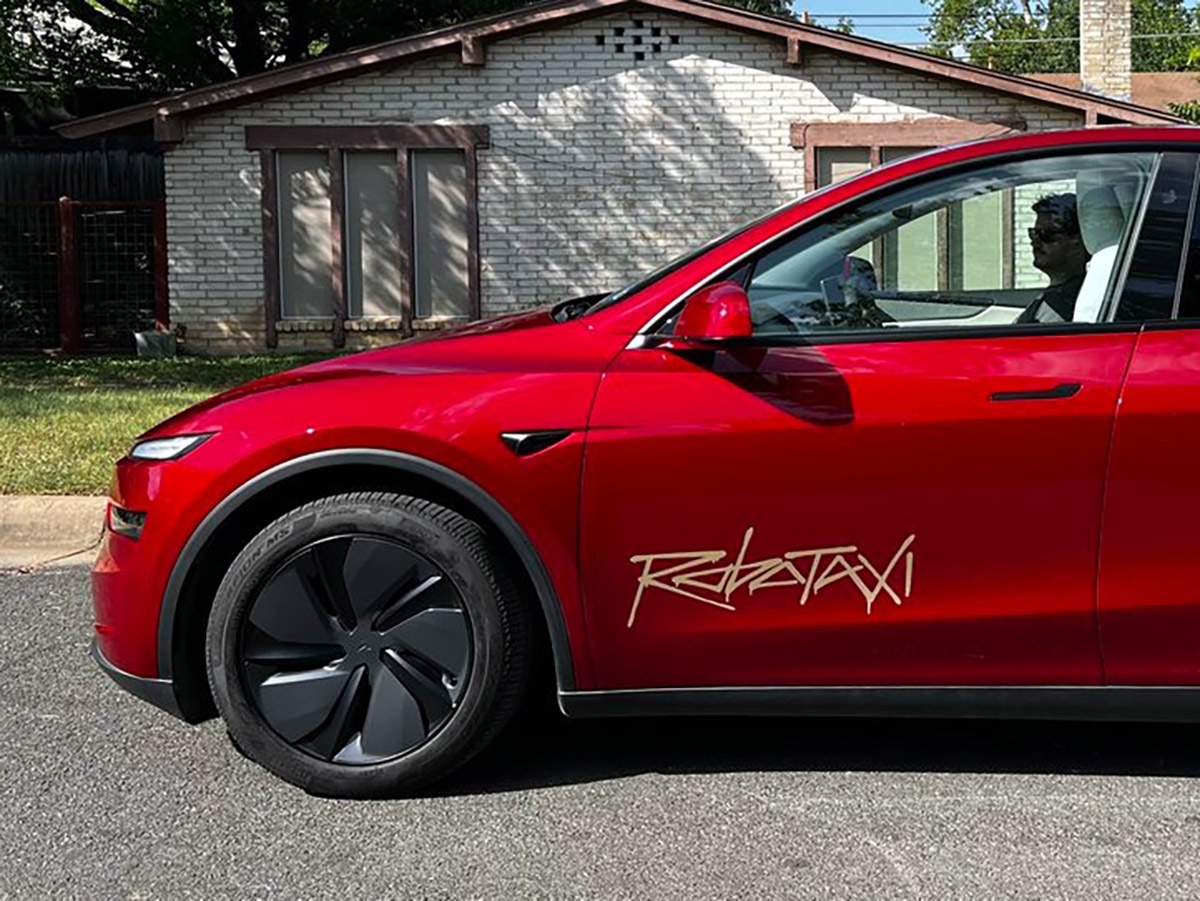
Elon Musk is on the record saying that Tesla currently operates about 500 autonomous Model Y robotaxis in Austin and San Francisco, way fewer than Waymo's over 3,000 in six U.S. cities.
The Tesla robotaxis, currently off-the-shelf 2026 Model Y units running on a closed FSD software branch that doesn't require human supervision, are amassing incidents with a growing speed, though.
According to the latest crash incident report with self-driving vehicles that Tesla is obliged to submit to the NHTSA, the robotaxis logged five incidents in Austin last month alone. This compares with nine last year when the Tesla Robotaxi platform started operating there, with the important distinction that Tesla only let its Model Y robotaxis carry passengers without a human safety monitor in January.
It is not clear if there is a connection between the removal of the safety monitor from Tesla's robotaxis and the increased number of incidents, as the EV maker has also been growing its ride-share fleet in the meantime. Still, the reported number of new incidents with vehicles running on unsupervised FSD amounts to one every 57,000 miles or so. This is a far cry from the "6x safer than humans" that Tesla reports in its Autopilot incident counts and is more like ten times above the human average of one incident every half a million miles or so.
Needless to say, Tesla doesn't break its autonomous miles down by driver-assist software category or version, which adds to the obscurity of the claim. Cruising on Autopilot on an empty highway stretch entails a different level of risk than an autonomous ride without a safety monitor during rush hour traffic in downtown Austin, for instance. Tesla says that most of the accidents with its robotaxis resulted in "property damage," including when backing up in parking lots, though there have been hospitalizations, too.
The EV maker is preparing for a vast expansion of its robotaxi ride-share fleet in more U.S. cities later this year, including with the pedal-less Cybercab two-seater that comes without a steering wheel, so it would be interesting to follow if the number of accidents will soar correspondingly.
Get the Tesla Universal Wall Connector with 24' Cable on Amazon
 Add as a preferred source on Google


