




Tesla rival Polestar's U.S. exit leaves EV owners fearing plunging resale values and lack of long-term support
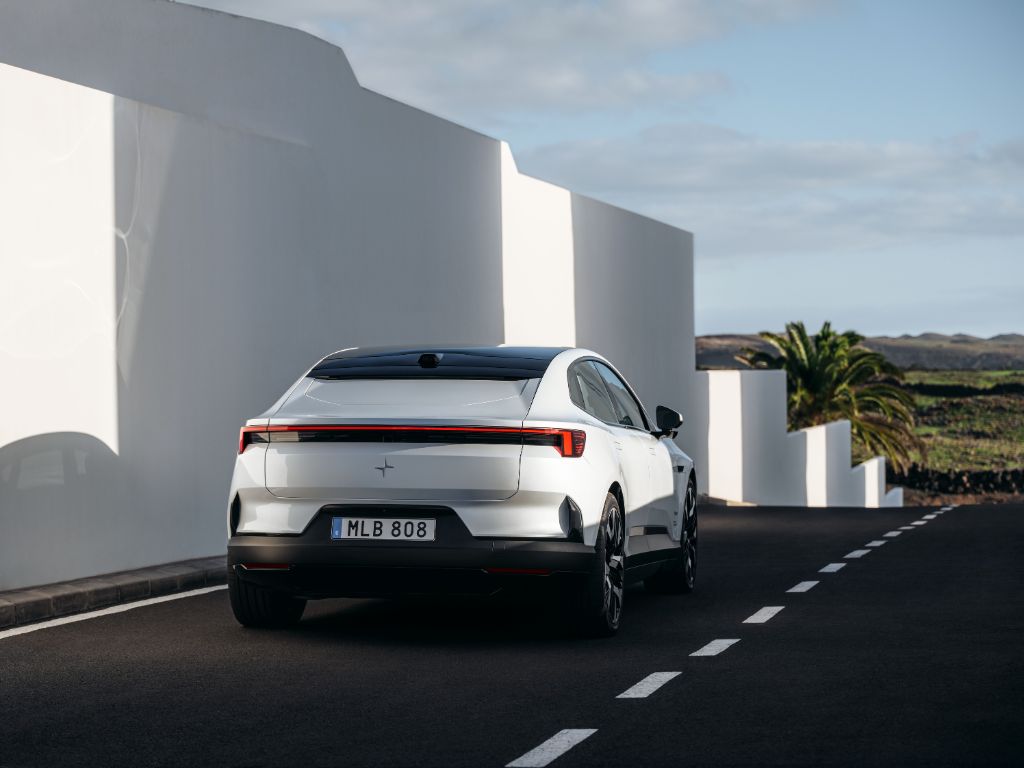
Polestar owners have reluctantly been left 'holding the bag' after the Swedish EV maker decided to exit the U.S. and stop selling vehicles altogether in the region, causing widespread concern and fear among owners and dealers about the Polestar EV lineup in terms of aftermarket service, long-term support, and the value of Polestar’s EVs in the U.S.
A national security issue
A large stake in Polestar is owned by China’s Geely Holding Group, and the EV company announced it would cease marketing and selling its 2027 model-year vehicles and beyond due to a federal denial under national security rules. For context, the U.S. Department of Commerce has denied Polestar permission to sell new vehicles under the “Connected Vehicle Rule,” which states that vehicles equipped with Chinese hardware or software may pose data and security risks due to Polestar’s Chinese shareholder majority, held by Geely.
Furthermore, company executives note that Polestar’s U.S. operations were not profitable and that the company is shifting its focus to the European EV market, which accounts for the largest share of its sales.
Polestar, however, remains firm in its commitment to honoring warranties and continuing service for owners of the Polestar 2, 3, and 4. Many customers feel betrayed and are worried about their cars' resale values and the availability of parts from dealers. Polestar also stated that it would continue selling existing Polestar 3 and 4 vehicles at an aggressive discount until stock runs out.
Customers 'holding the bag'?
According to The Verge, owners and dealers vented their frustration in the same breath about the sudden shift in Polestar’s exit. Washington state resident D.L. Byron, who had just gleefully purchased a certified pre-owned Polestar 2 before the announcement, was in shock. He said, “It feels like we’re the ones left holding the bag, with no compensation for the sudden loss in market value on cars we just bought or leased.”
Matthew Haiken, owner of Polestar Short Hills in New Jersey, has faith in the company to do what is right by its U.S. customer base, but he still feels extremely vulnerable given the circumstances. In a statement, he said:
“At this point, I have to trust that Polestar will honor its warranty and service commitments. We deserve better. This is the first time that anyone has said, ‘Hey, this is not us. It’s outside our control. It’s the government.’ So we’re left very vulnerable.”
The Connected Vehicle Rule targets technologies such as Bluetooth, Wi-Fi, cellular connectivity, and automated systems linked to Chinese or Russian data collection, which the U.S. Department of Commerce’s Bureau of Industry and Security fears could provide remote access to electric vehicles.
Unlike Volvo, which secured a waiver by decoupling its software, Polestar’s automated systems remain tied to the Geely ecosystem, despite the Polestar 3 being manufactured in South Carolina alongside other sister Volvos owned by Zhejiang Geely Holding Group.
Source(s)
 Add as a preferred source on Google


