




Tesla competitor Xpeng showcases new AI driver assistance in Munich: European launch planned for 2027
Chinese automakers are not only expanding into the European market at a rapid pace—they are also putting increasing pressure on Germany's established car manufacturers. Germany's Federal Motor Transport Authority (KBA) registration figures for the electric vehicle boom paint a clear picture: Tesla and Chinese brands are steadily outpacing the German auto industry.
At the same time, Chinese manufacturers are increasingly relying on artificial intelligence (AI). Xpeng, one of Tesla's leading competitors from China, unveiled its new Next Generation Pilot (NGP) driver assistance system during an event in Munich. The system is based on the company's VLA 2.0 AI platform and is scheduled for an international rollout beginning in early 2027, provided the necessary legal requirements are met in each market.
In its communications, Xpeng describes the technology as "Level 2++" autonomous driving. From both a technical and legal standpoint, however, this designation should be treated with caution. "Level 2++" is not an official SAE classification but rather a marketing term. In reality, the system is an advanced Level 2 driver assistance system. The driver must monitor traffic at all times and remains fully responsible for the vehicle. The technology is therefore clearly distinct from Level 3 or Level 4 automated driving systems.
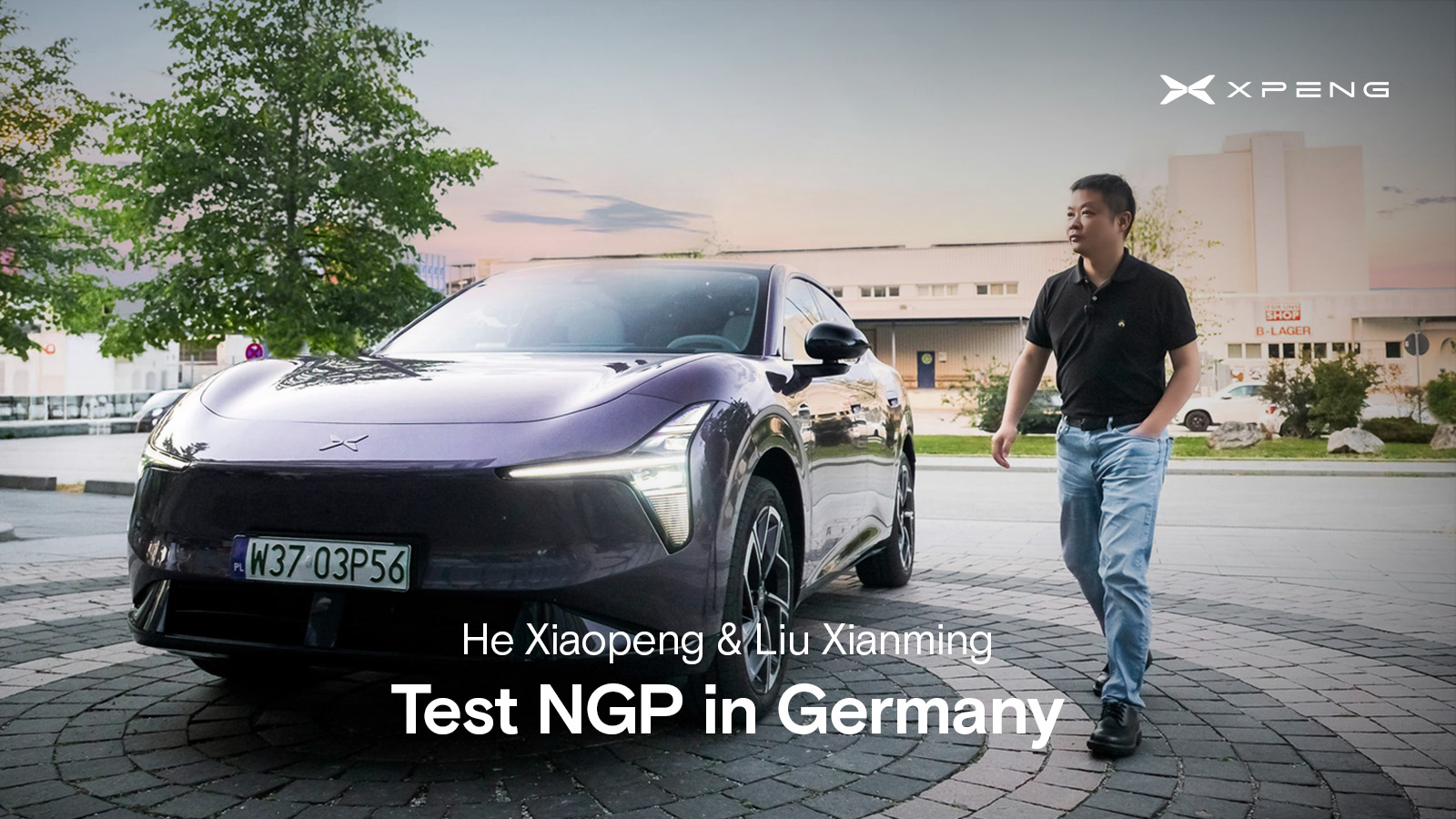
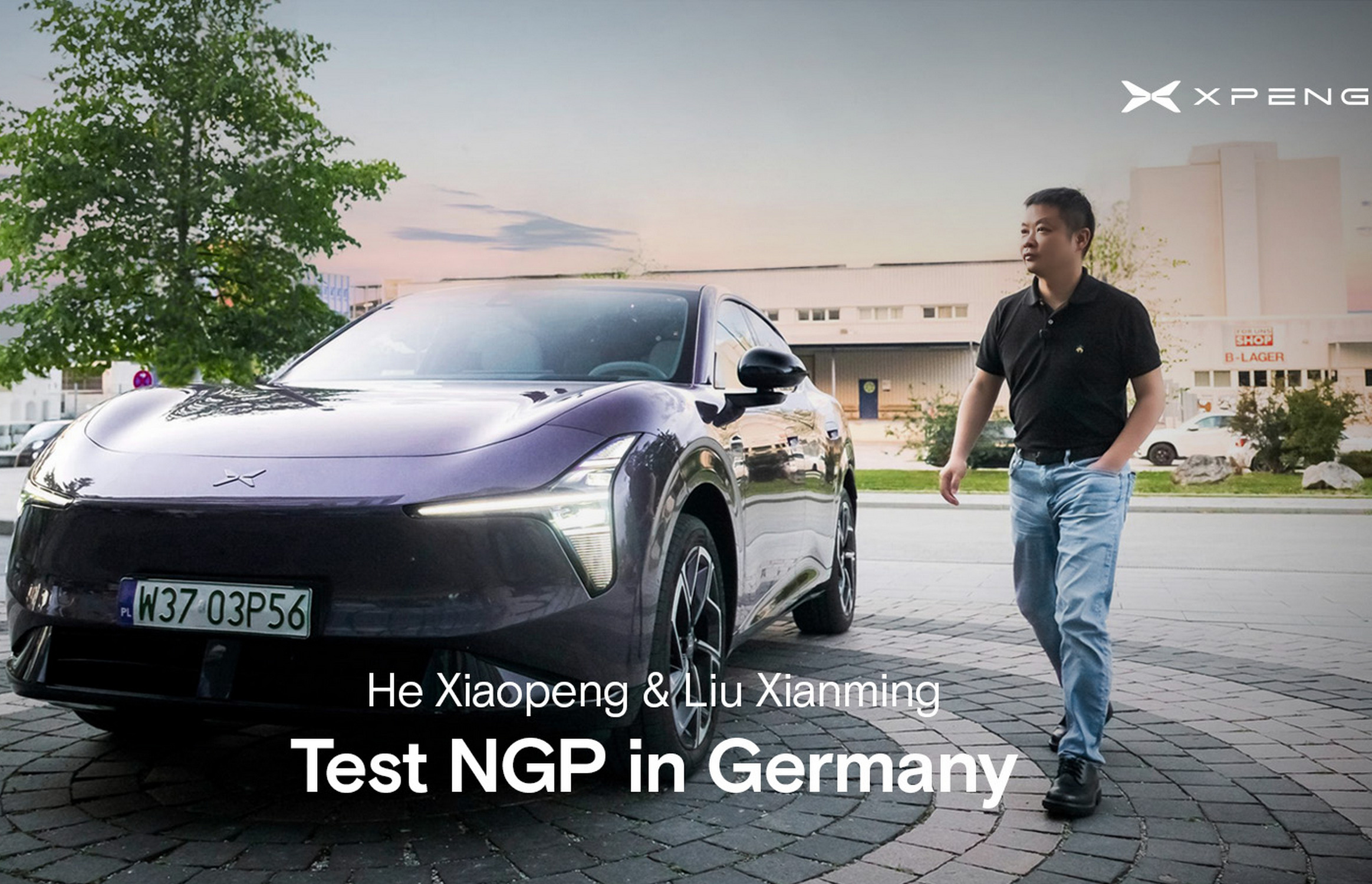
Xpeng CEO He Xiaopeng and the company's Head of Development, Liu Xianming, demonstrated how the software performs in European traffic during public test drives through Munich. According to the manufacturer, the system—installed in the new Xpeng L03 SUV coupé—successfully navigated narrow streets, roundabouts, construction zones, and complex intersections governed by Germany's "right before left" priority rule.
The AI also reportedly responded reliably to pedestrians, cyclists, and e-scooter riders. From a technical perspective, Xpeng is pursuing an approach similar to Tesla's. The VLA 2.0 architecture uses an end-to-end AI model and dispenses with both LiDAR sensors and high-definition HD maps. Instead, the software processes camera data directly and continuously learns from real-world driving situations. Computing power is provided by Xpeng's in-house developed Turing AI chip.
According to the company, the Xpeng L03 Ultra is equipped with three of these processors, delivering a combined performance of up to 2,250 TOPS (trillion operations per second). According to Xpeng, the new software has already shown significant improvements in China. During the first month after its market launch, the number of driver interventions per 100 kilometers fell by around 26 percent. On narrow roads, the number of required driver takeovers declined by nearly 36 percent. Almost 97 percent of users activated the feature.
For its planned European launch, Xpeng is relying on new UNECE regulations, including UNR 171, which covers advanced driver assistance systems for urban traffic. At the same time, the company is already testing robotaxis in China based on the same AI platform. European customers are expected to receive the new functions via over-the-air software updates.
 Add as a preferred source on Google


