




Tesla recalled 20,349 Model 3 and Model Y EVs after NHTSA rejected claims of 'inconsequential' overly bright headlights
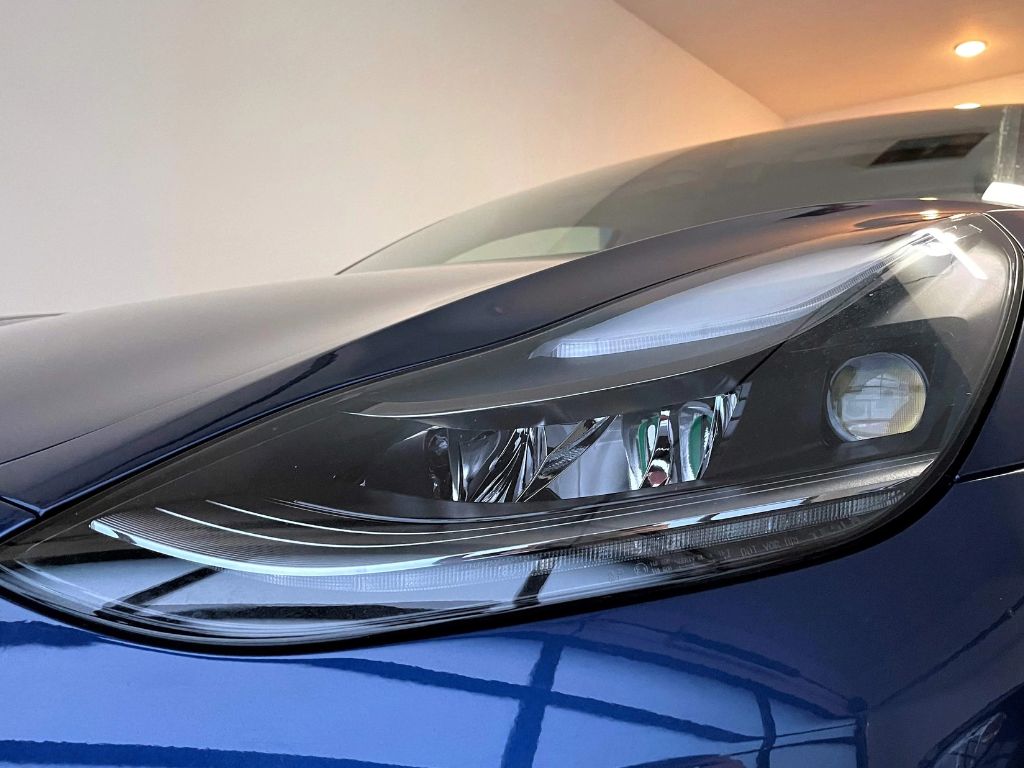
The headlights on some Tesla EVs were too bright, and after two years of back-and-forth with regulators, Tesla has decided to recall 20,349 Model 3 and Model Y vehicles. Now, those affected vehicles must visit a service center after NHTSA rejected Tesla’s bid to classify the issue as inconsequential.
According to NHTSA Recall 26V507, filed by the EV automaker on August 4, 2026, Tesla is recalling 18,735 Model Y vehicles produced between February 2020 and December 2023 and 1,614 Model 3 EVs built between July 2017 and December 2023.
The issue behind this recall is small, but NHTSA has pushed Tesla to address it for years without getting it to budge. According to NHTSA, low-beam intensity from Marelli Automotive Lighting assemblies exceeds the FMVSS No. 108 upper limit specifically in the upper-left and upper-right areas of the 10U–90U photometric test zone, rather than across the whole beam pattern.
While this higher beam output doesn’t appear to cause glare, NHTSA notified Tesla that it needed to issue a recall. Tesla, meanwhile, petitioned NHTSA in 2024 to treat the noncompliance as inconsequential. However, the agency denied that request on July 17, 2026. Now, the formal recall is in process, with a solution still in the works, which means Model 3 and Model Y owners will have to wait.
As of now, the headlamp low-beam output on affected Model 3 and Model Y vehicles exceeds the allowed intensity in the upper-right and upper-left areas of the 10U to 90U zones, as specified in FMVSS No. 108. FMVSS No. 108 limits low-beam intensity to 125 candela in the upper zones, according to the Federal Register denial notice.
Tesla’s headlights measured as high as 230 candela in that location, roughly 84 percent above the upper limit. Marelli Automotive Lighting manufactures and supplies the headlamp assemblies at its facility in Ciudad Juárez, Mexico, with a supplier manufacturer date of June 2, 2023, or later.
Tesla’s petition for an inconsequential noncompliance finding rested on two points. Tesla argued that the excess light fell outside the driver’s natural line of sight and that the company had never received reports of crashes, injuries, or complaints attributed to its low beams. In Tesla’s view, glare was never an issue with the respective Model 3 and Model Y headlights.
A recall mandated by existing regulations
However, NHTSA wasn’t convinced and concluded that “Tesla has not met its burden of persuasion that the subject FMVSS No. 108 noncompliance is inconsequential to motor vehicle safety.”
The agency pushed back, saying Tesla created its own ideal testing conditions and that fog, rain, and snow could intensify glare for oncoming drivers.
Compliant replacement parts are available in known quantities. When Tesla filed Recall 24V-208 in March 2024, the recalled lamps were already out of production, and new lamps that complied with FMVSS No. 108 had been introduced into newer Model 3 and Model Y vehicles on December 4, 2022, and August 7, 2023, respectively, at the Fremont and Austin facilities.
Owners of affected vehicles will have to visit the nearest service center for a free repair or replacement once the remedy is finalized. Tesla has not yet determined a remedy.
If Tesla opts for a complete unit replacement, those vehicles would also get the current, legally compliant headlamp, which, in some units also features a matrix beam function. So far, Tesla has not announced how it will remedy the headlamp issue.
Source(s)
 Add as a preferred source on Google


