




Tesla Optimus vs. BYD Xiao Di vs. LG CLOiD: Nvidia enters AI robot segment
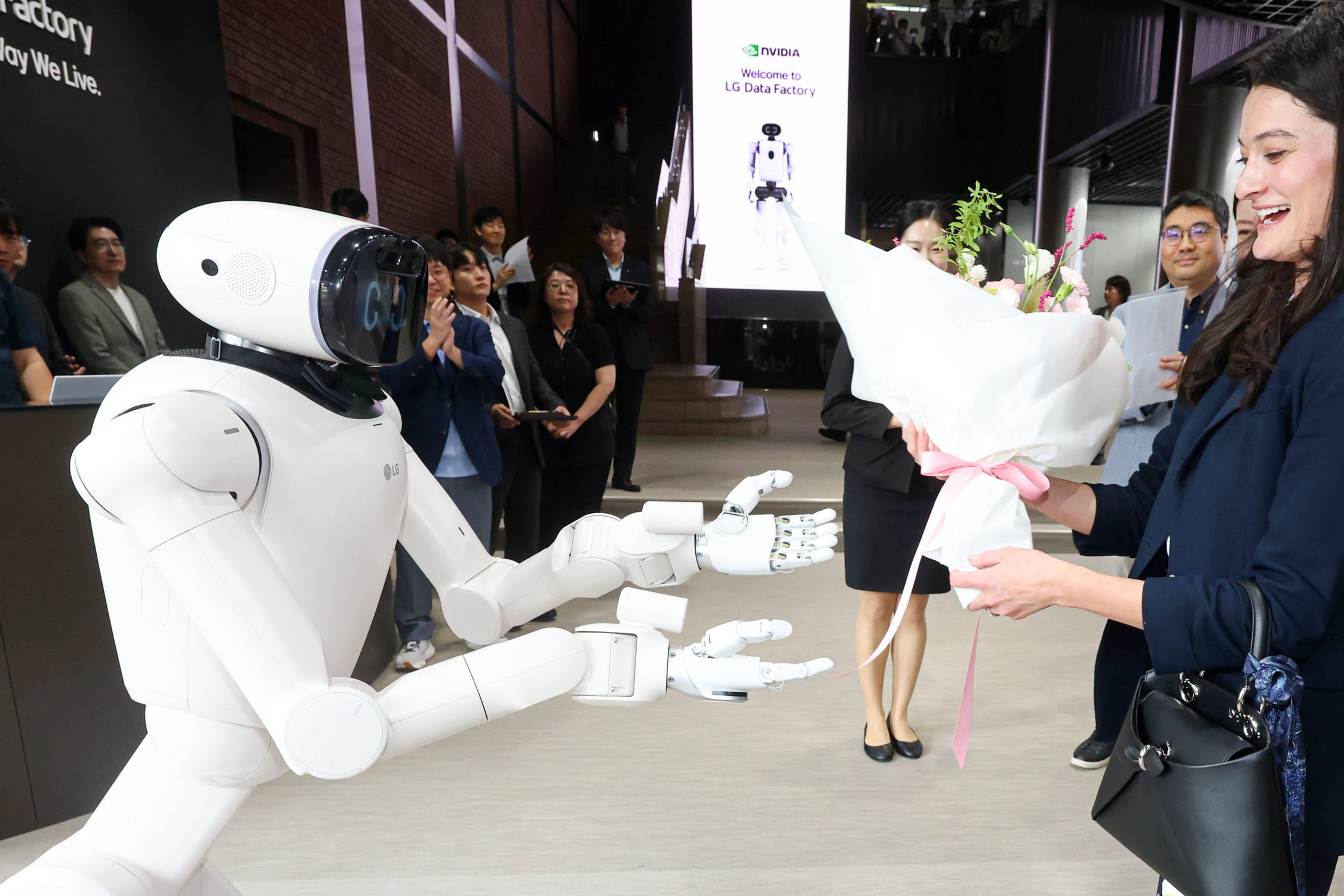
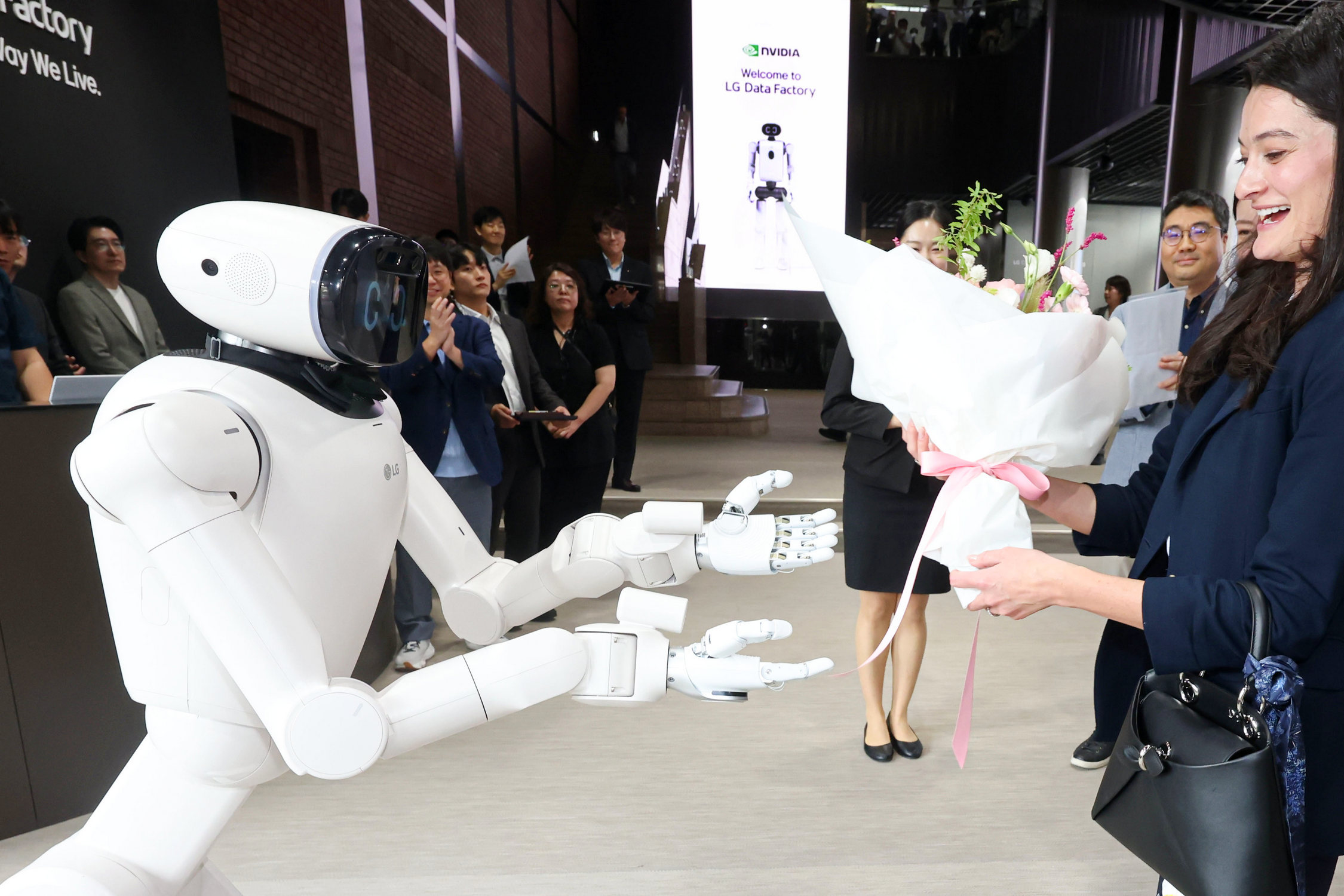
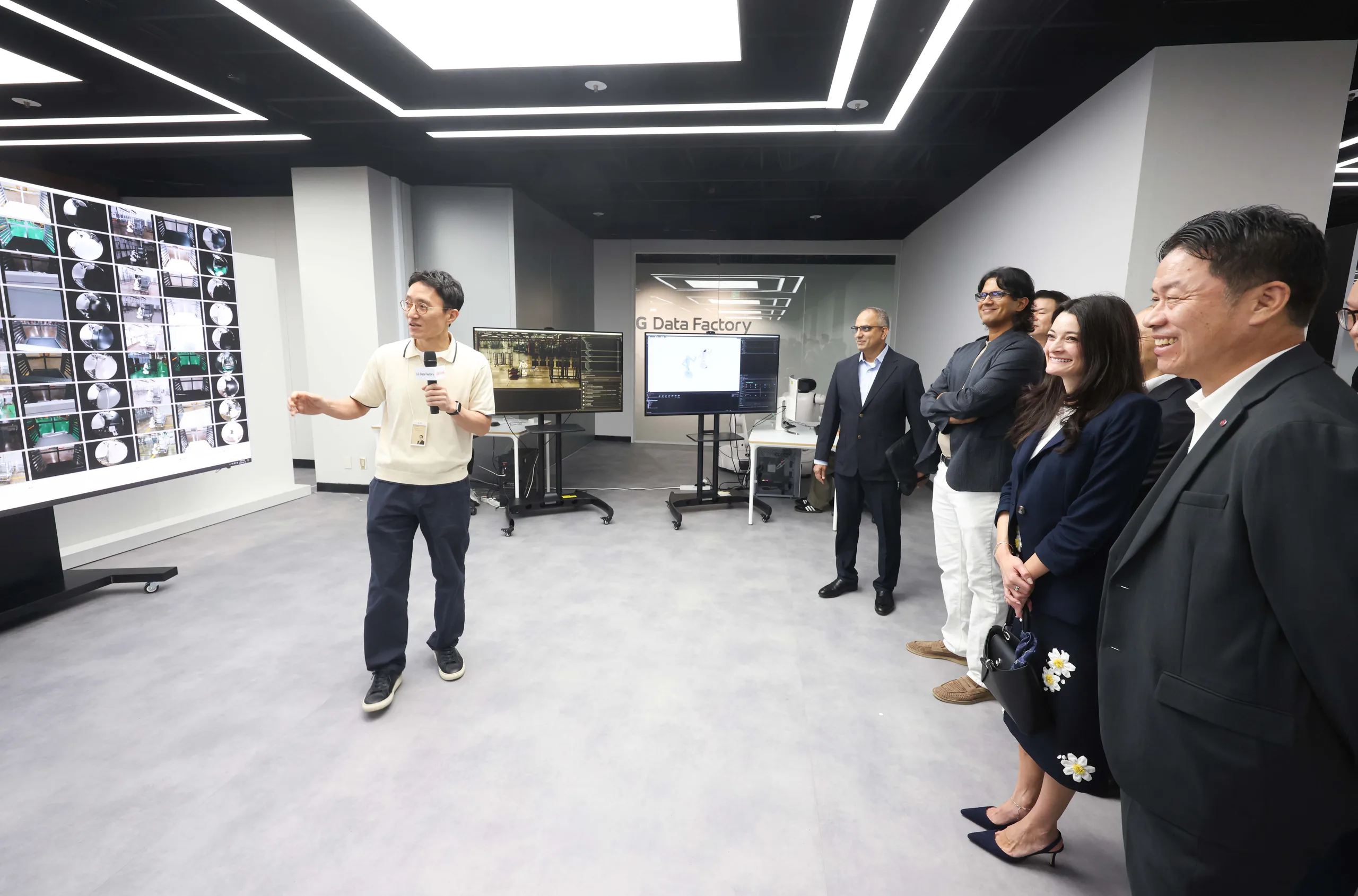
LG and Nvidia are significantly expanding their robotics partnership in Seoul. A new data factory at LG's research campus in Yangjae is expected to generate a total of 100,000 hours of training data by the end of 2026. LG will combine real-world data from manufacturing, logistics and robot deployments with synthetic datasets, while Nvidia will provide technologies including Omniverse, Cosmos and the Isaac robotics platform. LG's CLOiD robots will be trained in recreated living spaces and simulated manufacturing and logistics workflows. One key difference from the approaches taken by Tesla and BYD is that CLOiD uses a wheeled AI robot base instead of walking on two "legs."
The data will be incorporated into LG's Robot Foundation Model to improve the capabilities of humanoid robotic systems. CLOiD is already practicing household tasks such as retrieving milk from a refrigerator, operating an oven, and folding and stacking clothes. The robot has two arms with seven degrees of freedom each and hands with five independently powered fingers. Unlike Tesla Optimus or Figure 03, CLOiD moves on a wheeled base rather than two legs. The 1X NEO is also designed for household use, while Agility Digit and Apptronik Apollo are more focused on logistics and industrial tasks.
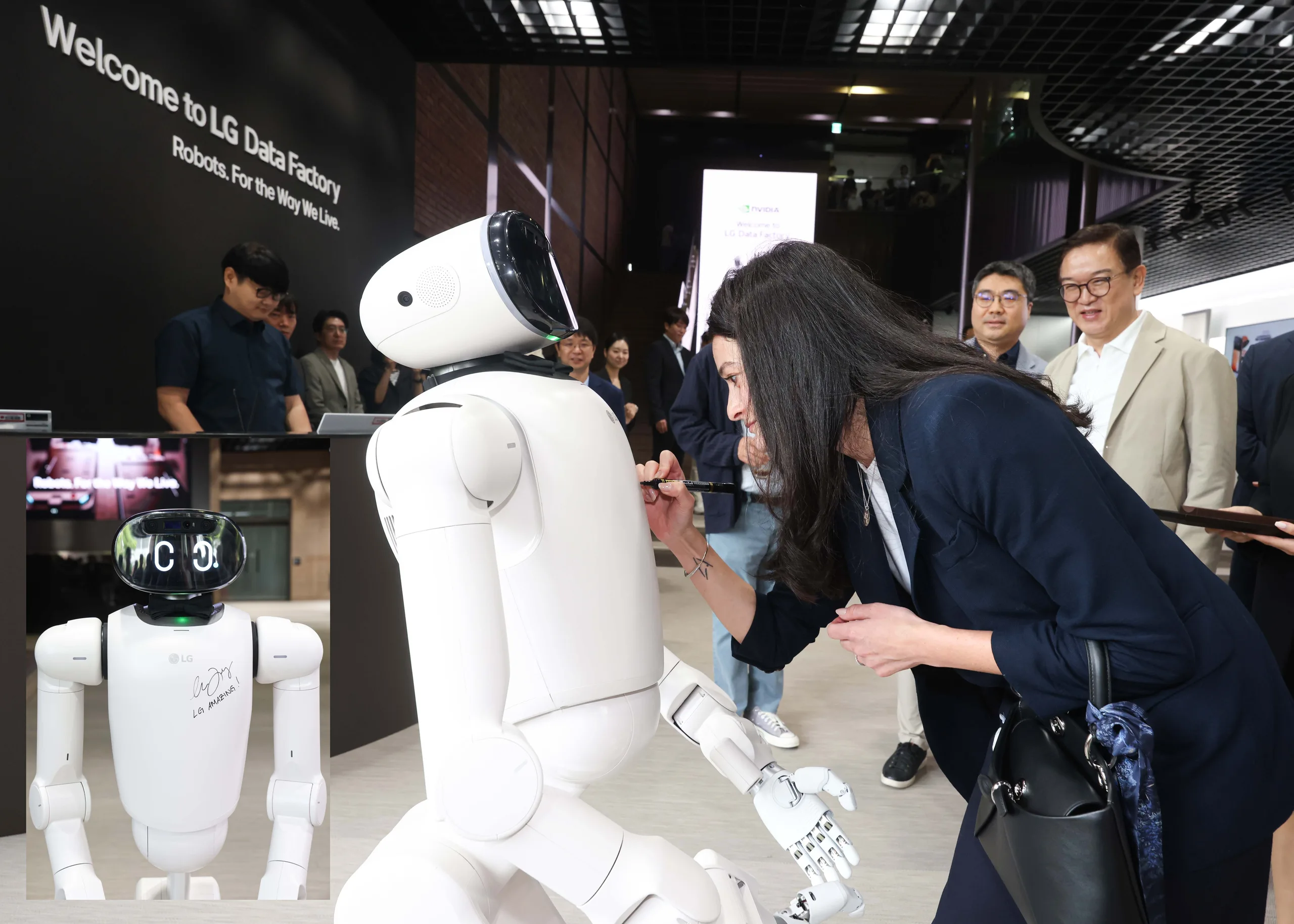
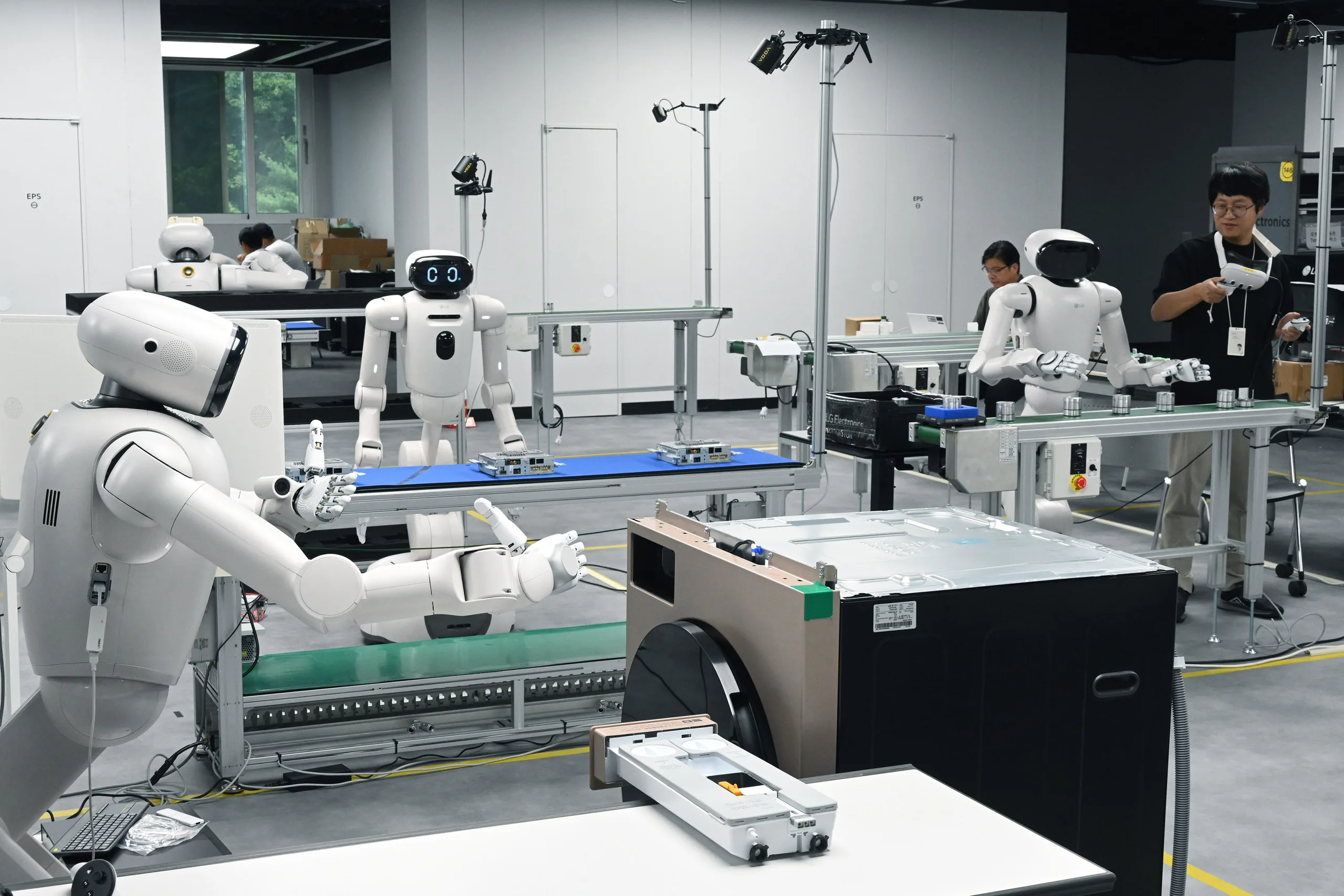
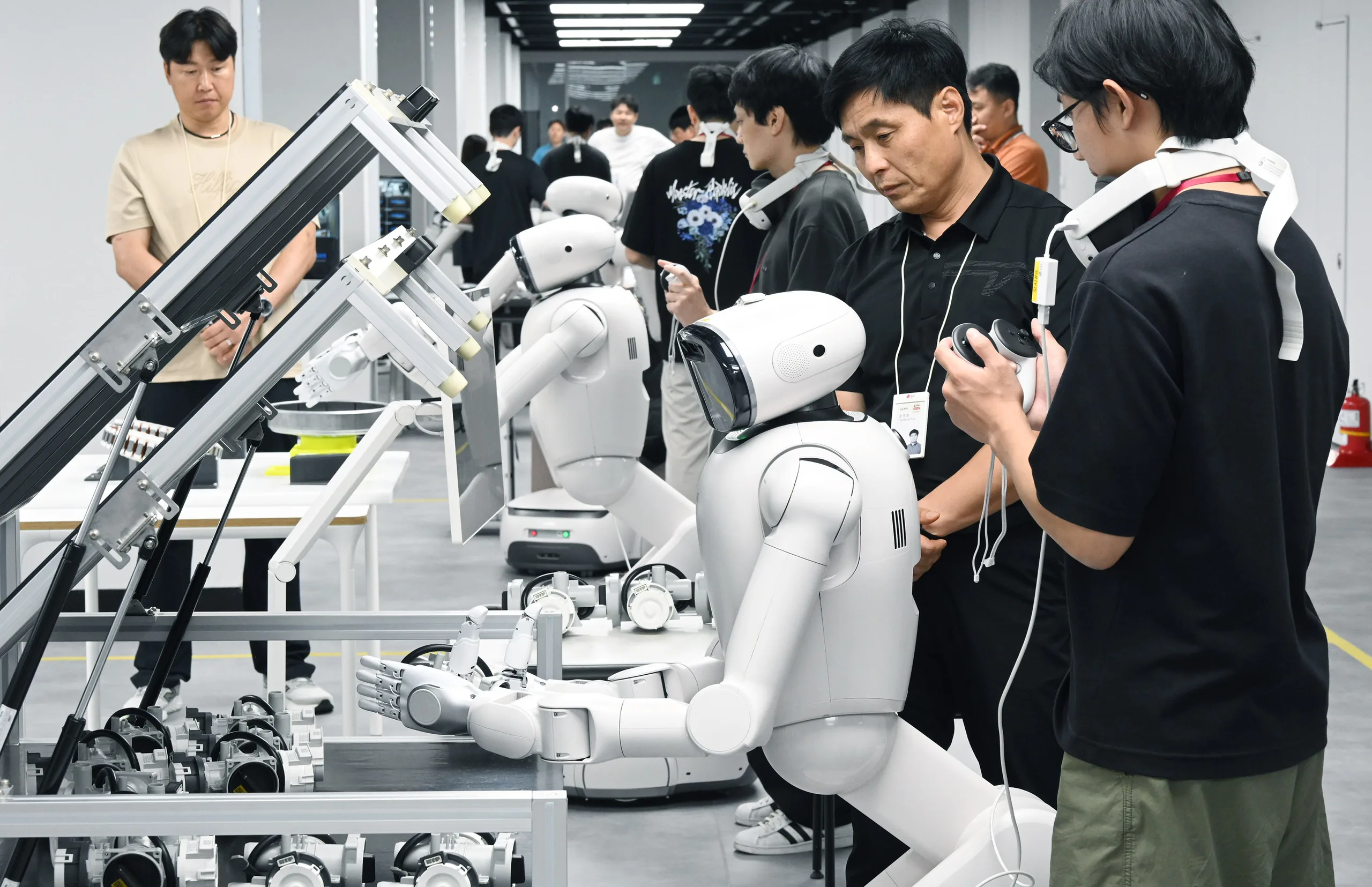
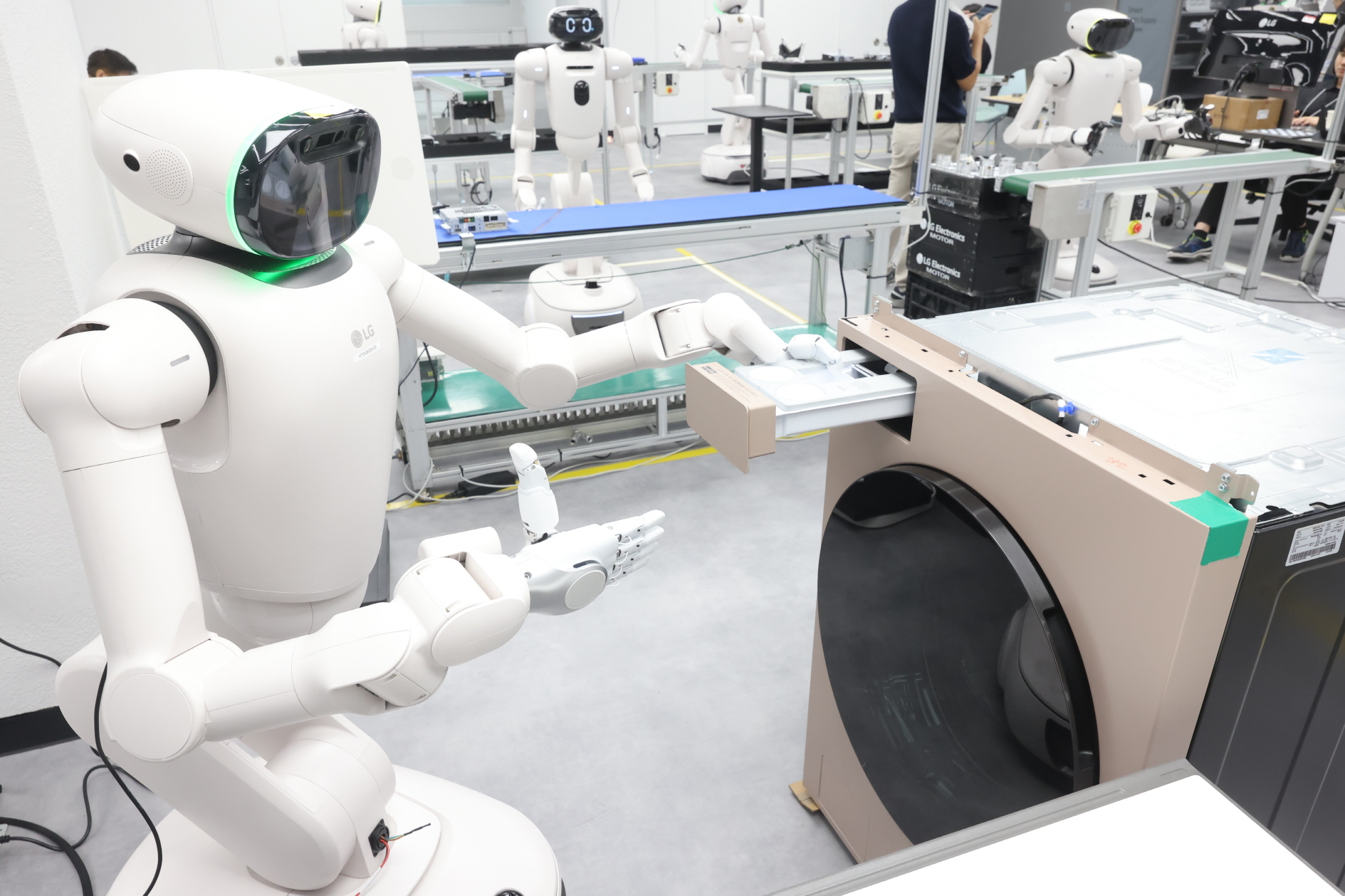
LG is significantly expanding its robotics business. In July, the company established a dedicated robotics business center and plans to offer household robots alongside industrial and service robots. At the same time, competition is intensifying in China and the US. Tesla is developing Optimus as a general-purpose humanoid, BYD is working on its Xiao Di humanoid robot for manufacturing tasks, Xpeng is developing Iron, and Ubtech is advancing the industrial Walker S2 humanoid. With the G1 and H2, Unitree is also one of China's most prominent robotics companies.
The planned 100,000 hours of data are intended to support a continuous cycle of real-world robot deployments, simulation and AI training. LG aims to prepare its robots for complex tasks more quickly and lay the groundwork for entering the household robotics market. However, the partnership does not guarantee the near-term mass-market launch of a fully autonomous household robot.
Source(s)
 Add as a preferred source on Google


