




Asus ROG Zephyrus G14 now available with Intel Panther Lake and AMD Ryzen AI 400 CPUs
 CES 2026
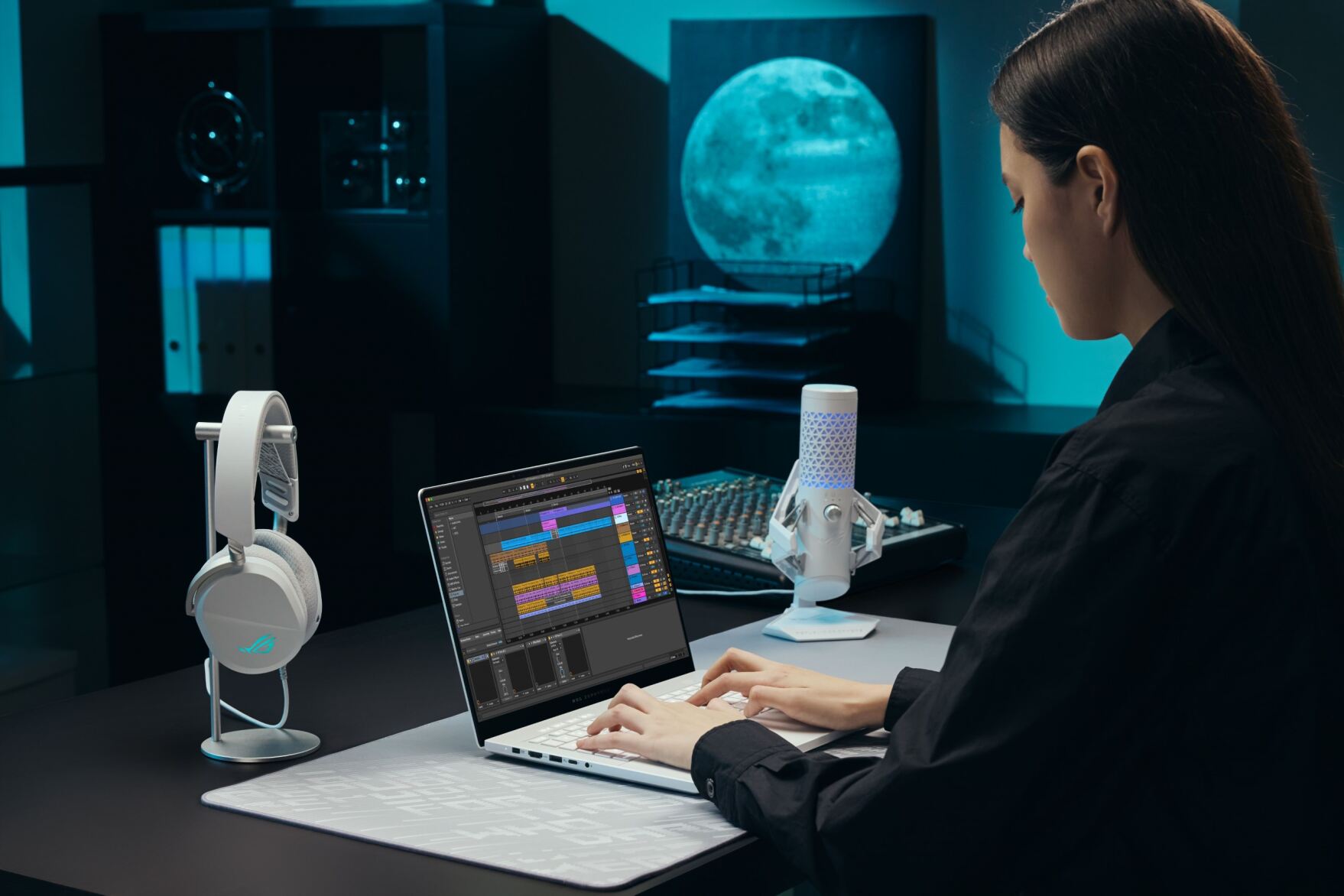
Alongside the ROG Zephyrus G16, Asus has also given its more compact sibling, the ROG Zephyrus G14, a mid-cycle refresh. This time, users can pick between Intel and AMD CPUs, something that wasn’t possible on last year’s model. However, there are some caveats with GPU choices. The Intel Panther Lake variant can be paired with up to an Nvidia GeForce RTX 5080 or RTX 5070 Ti GPU.
On the other hand, the AMD Ryzen AI 400 Gorgon Point version is limited to a GeForce RTX 5060. Not only does it offer far less VRAM than the RTX 5070 Ti (12 GB vs 8 GB), it has fewer CUDA cores and TDP (130 Watts vs 100 Watts), forcing gamers to rely on AI-powered upscaling tech like DLSS and FSR to keep framerates high. Similarly, the Intel Panther Lake SKU supports up to 64 GB of LPDDR5x-7500 memory, while the AMD model is limited to 32 GB. For storage, both ROG Zephyrus G14 models can be configured with up to a 2 TB NVMe SSD.
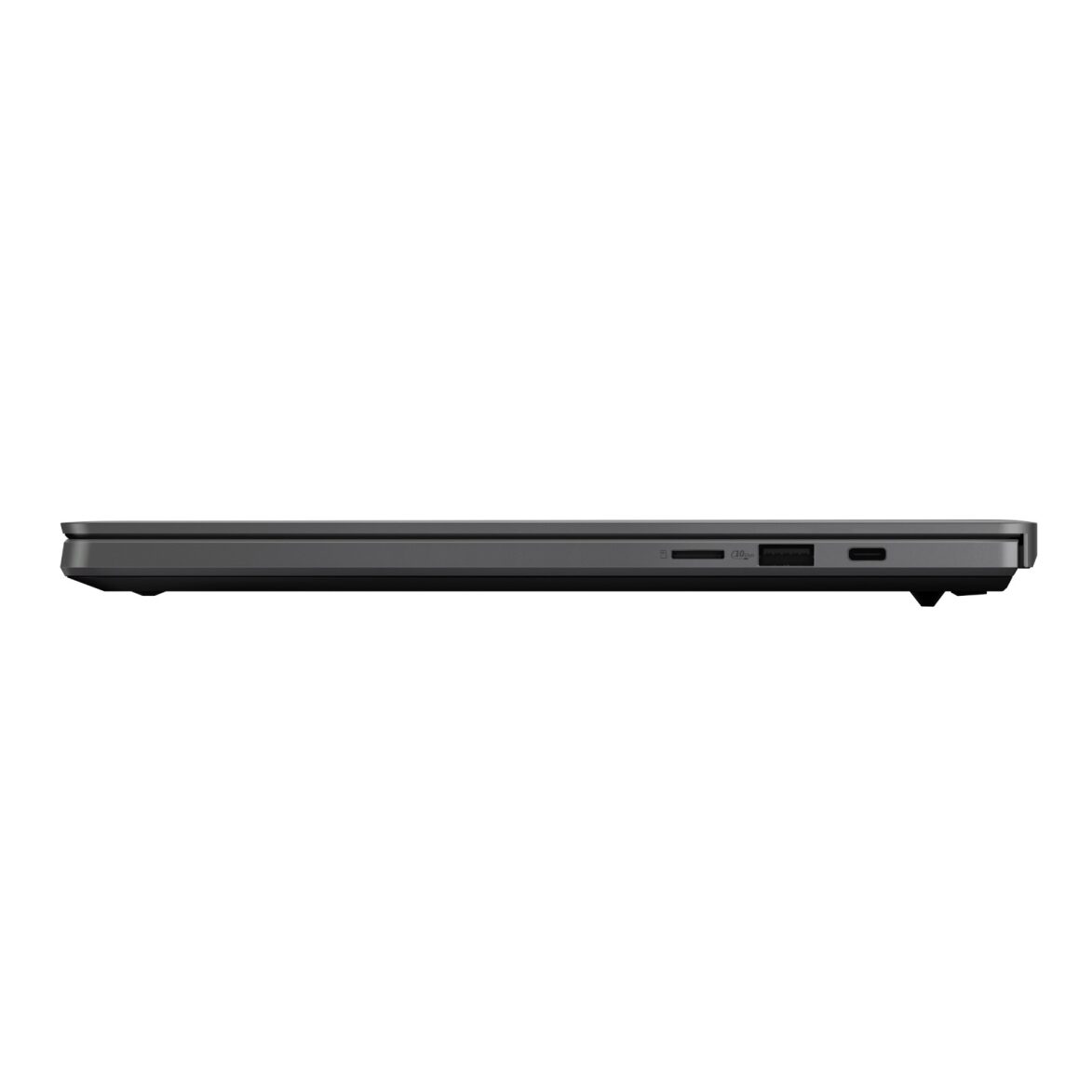
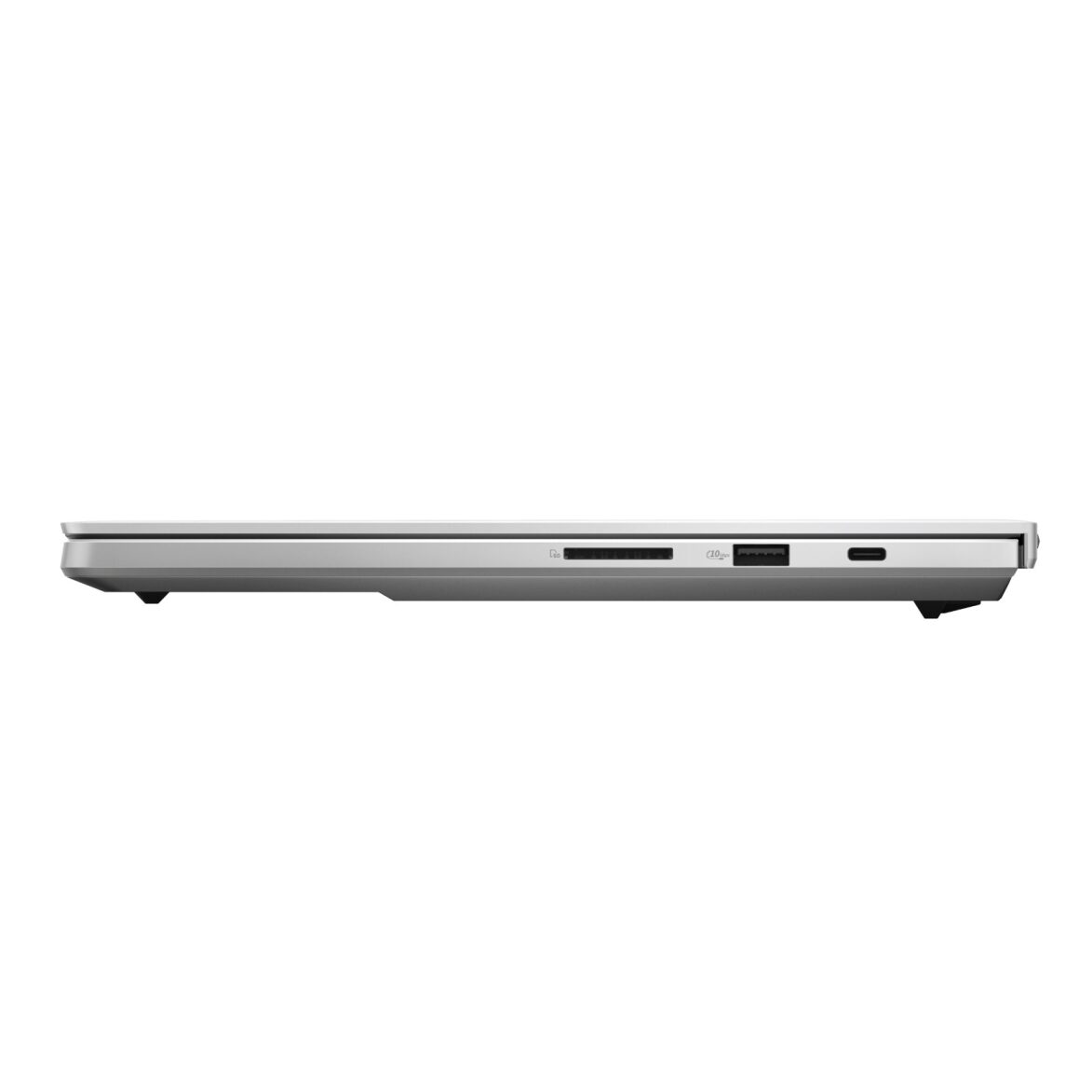
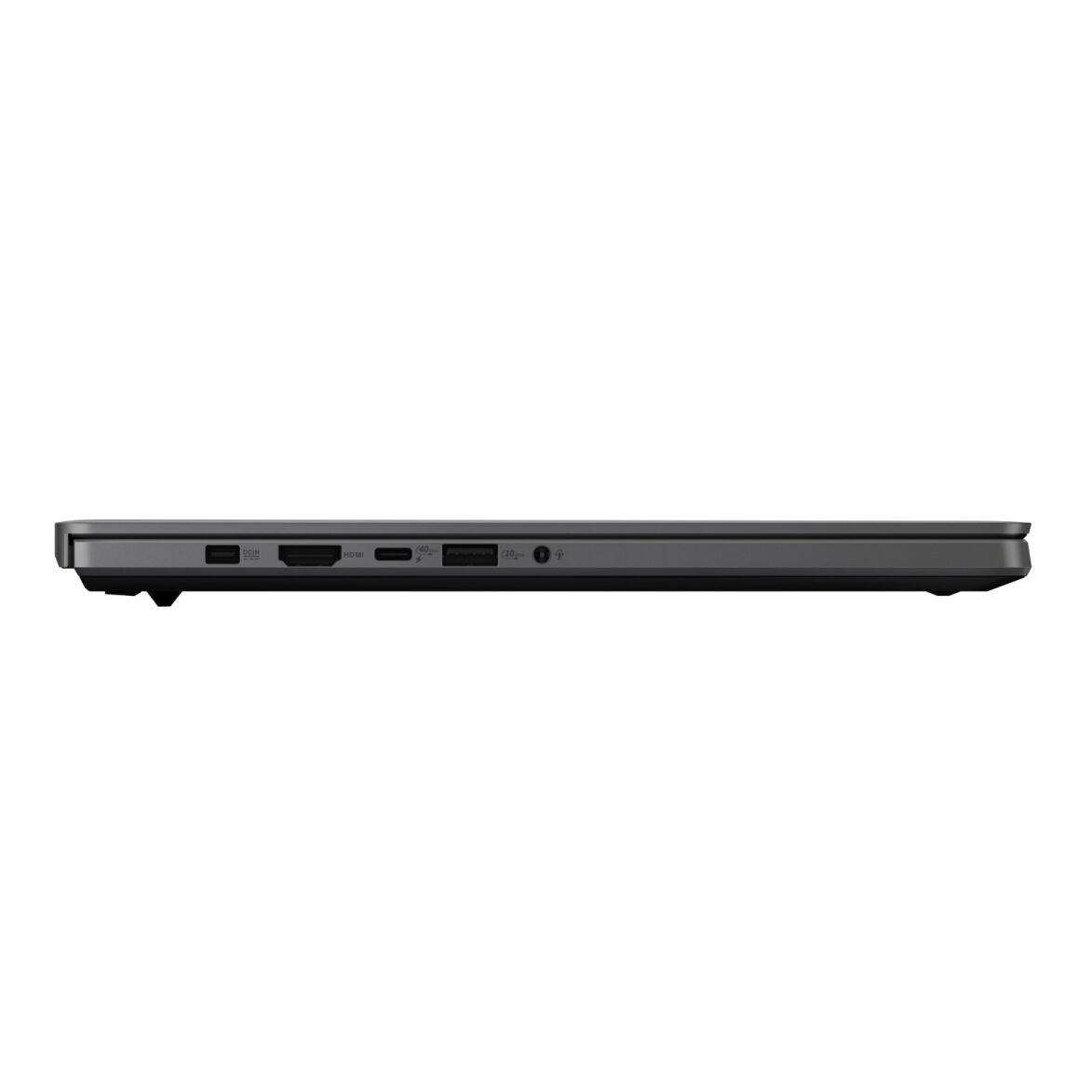
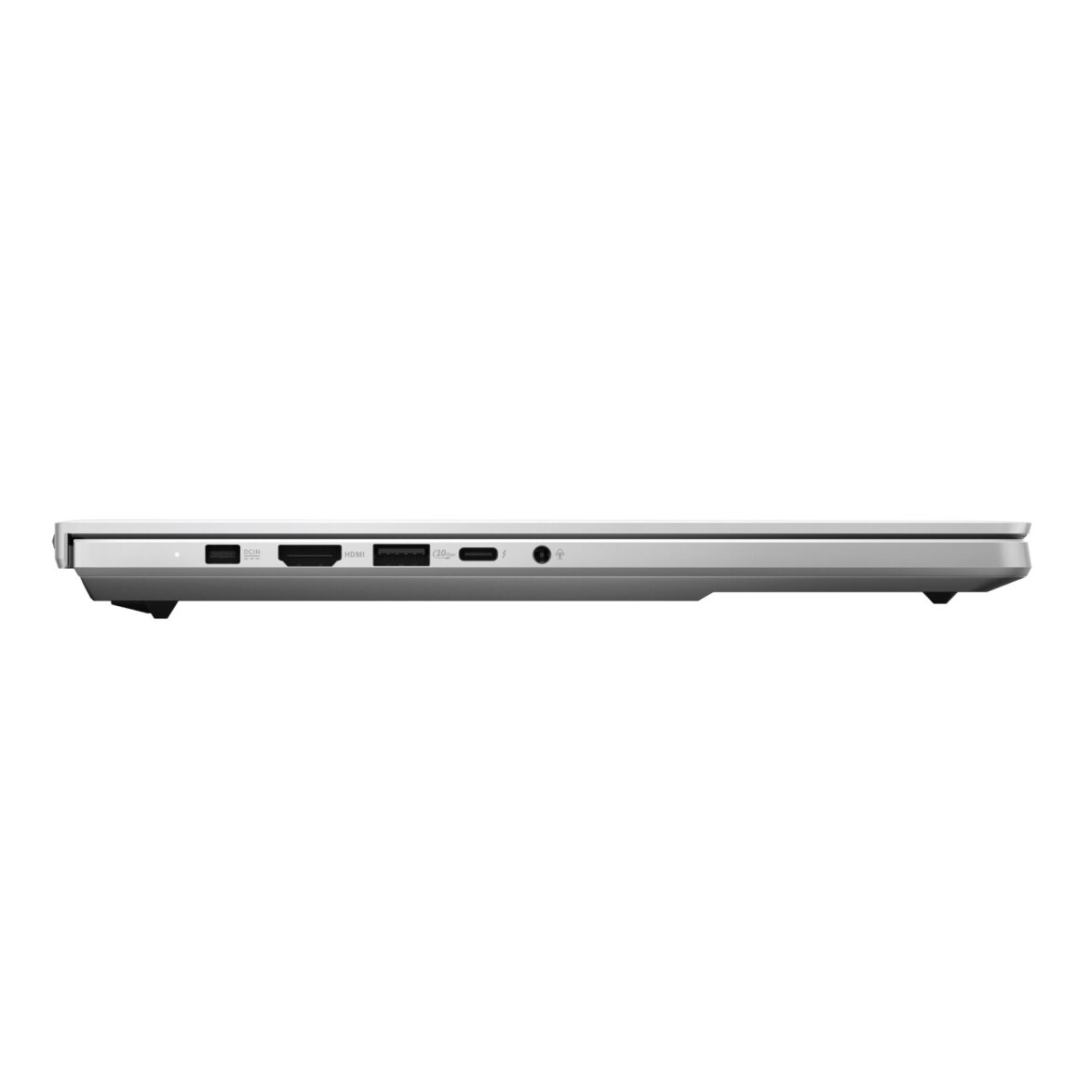
There are other subtle differences, such as the port layout, but that shouldn’t affect day-to-day use. The Intel variant comes with one Thunderbolt 4 port, one USB 3.2 Gen2 Type-C port, two USB 3.2 Gen2 Type-A ports, a micro SD card reader, an HDMI 2.1 port, and a 3.5mm combo audio jack. The AMD version replaces the Thunderbolt 4.0 port with a USB 4.0 port, a common occurrence across all laptops. Other specs, such as a 73 Wh battery with 200 W fast charging support, Wi-Fi 6 and Bluetooth 6.0, and a six-speaker setup, are identical.
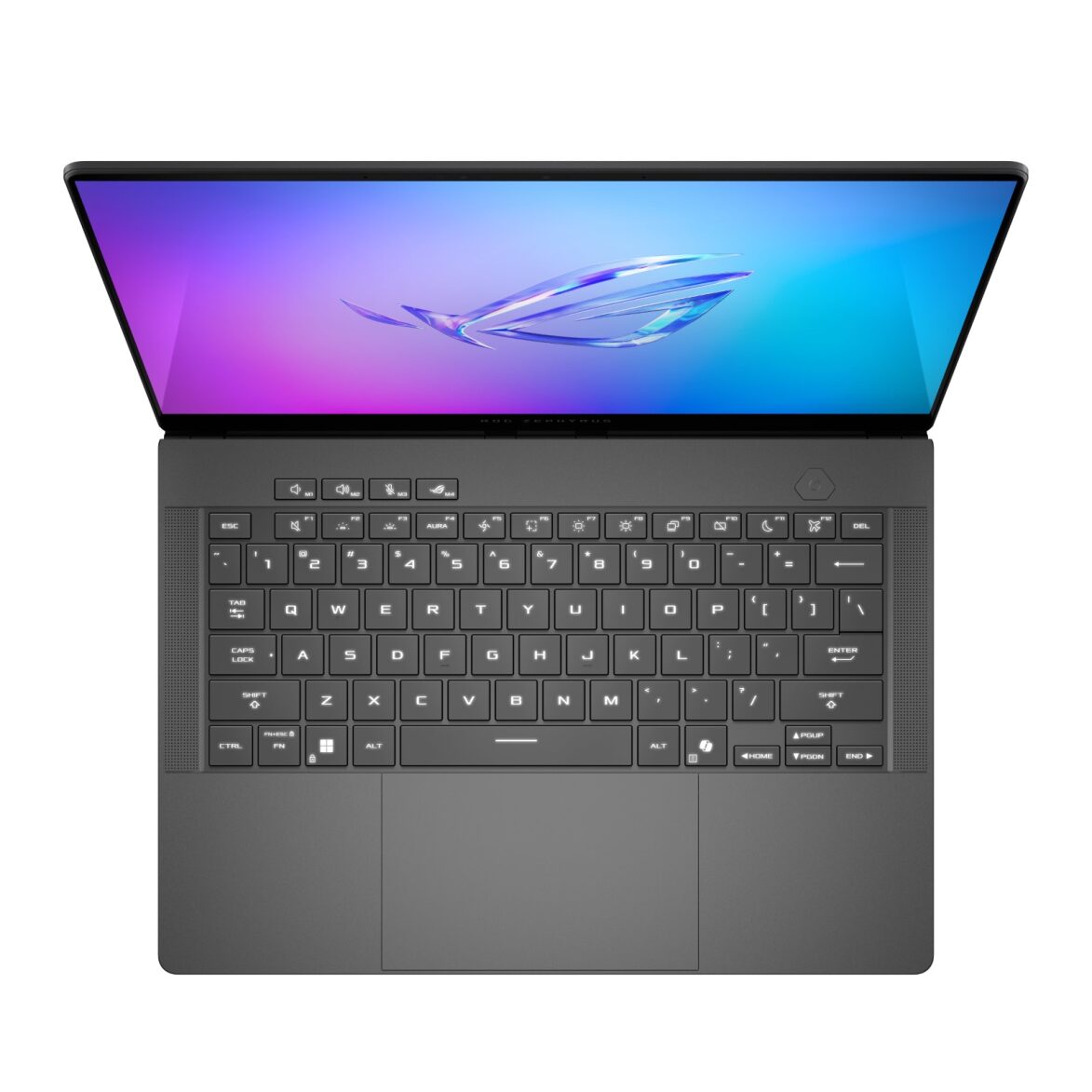
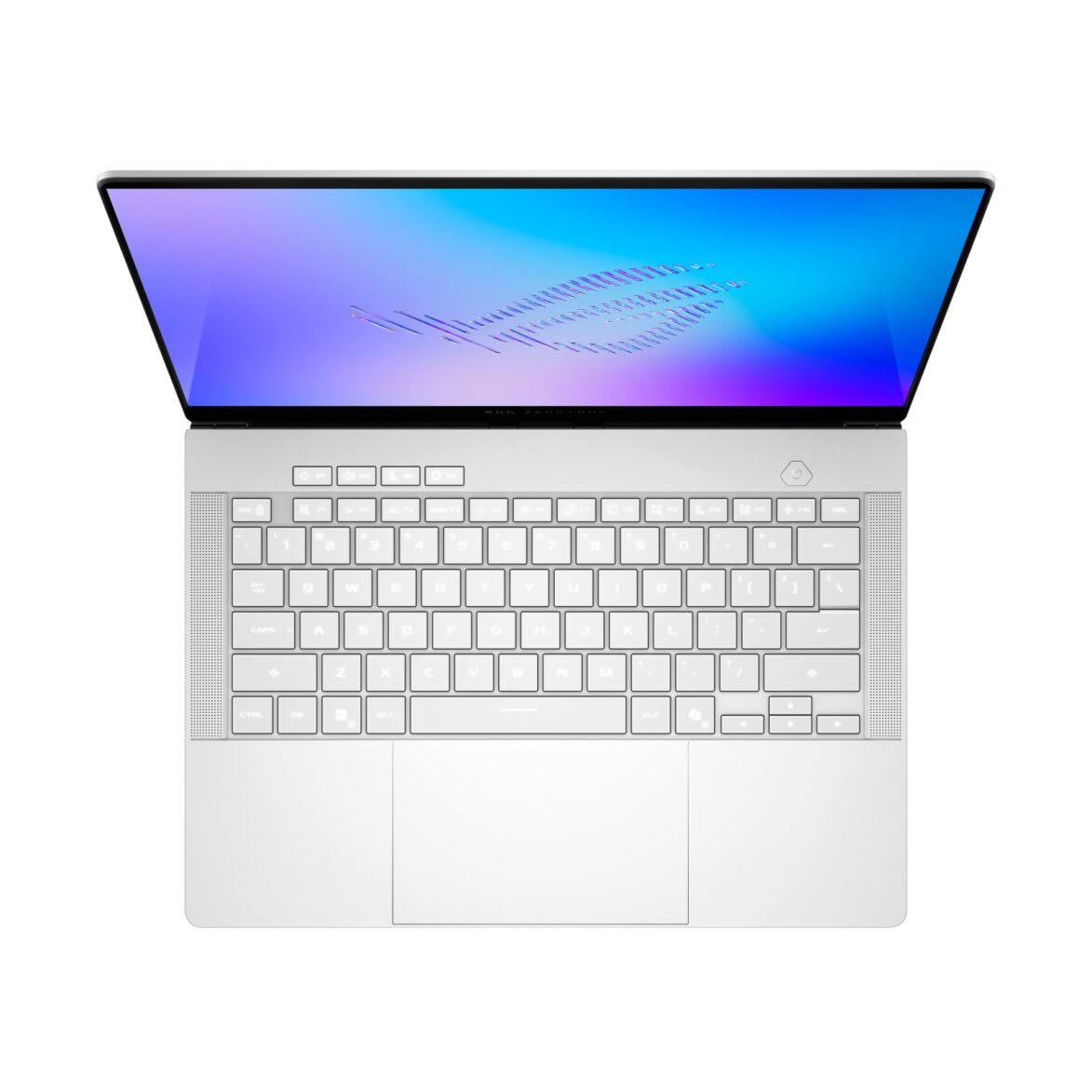
Like the ROG Zephyrus G16, the Zephyrus G14 uses an upgraded ROG Nebula panel. The 14-inch WQXGA+ (2,880 x 1,800) screen has a peak HDR brightness of 1,100 nits and 120 Hz refresh rate. Asus offers the laptop in Grey and White colourways. Neither a price not a release date is specified, but it will be revealed later.
Source(s)
Asus
 Add as a preferred source on Google


