




Apple tests four smart glasses designs – AI wearable instead of AR eyewear
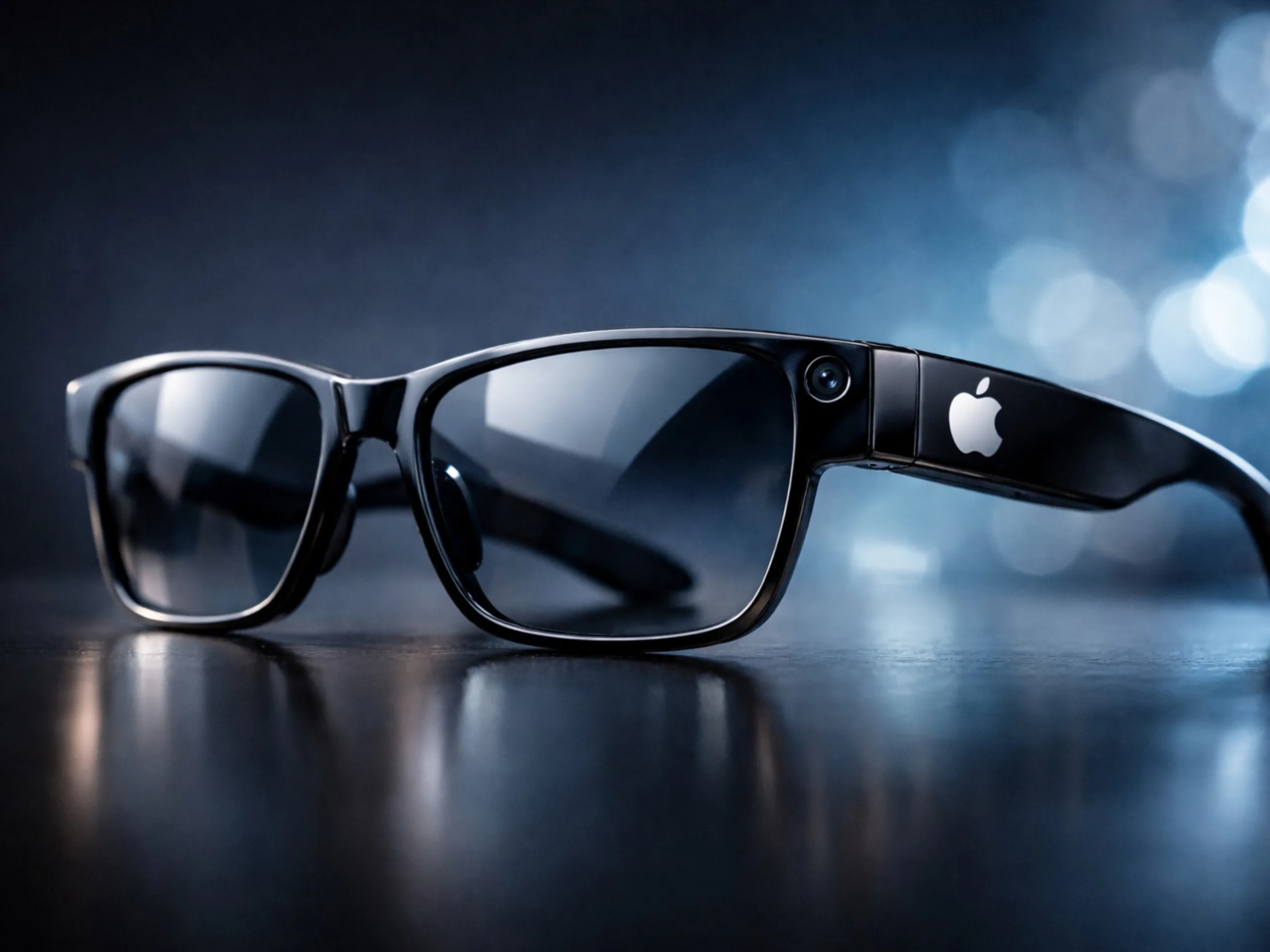
Apple is developing its own smart glasses and is currently testing several design variants. According to a report by Bloomberg, which was also picked up by 9to5Mac, the company is pursuing a focused strategy. Instead of building complex augmented-reality glasses, Apple appears to be aiming for an AI-powered wearable suited to everyday use and tightly integrated with the iPhone. Four different versions are reportedly in testing:
- a large rectangular model in the Wayfarer style
- a slimmer rectangular version
- a larger model with round or oval lenses
- a more compact, more elegant version
The smart glasses could be unveiled in late 2026 or early 2027, with a market launch expected sometime in 2027. The devices appear to be part of a broader push into AI-powered wearables. In this context, Mark Gurman also mentions other products such as AirPods or camera-equipped pendants that may rely on similar visual AI features.
No image overlays
From a technical perspective, the smart glasses are expected to use cameras, microphones and sensors to capture the surrounding environment and combine that data with AI functions. Users may, for example, be able to ask questions about objects around them, while the glasses could also take photos and videos, play music and show iPhone notifications. Unlike traditional AR glasses, however, no content is expected to be projected directly into the user’s field of view. The accessory would therefore be heavily dependent on the iPhone (the iPhone 17 Pro is currently listed at $1.345 on Amazon).
Smart glasses as a fashion accessory
The choice of materials is also noteworthy. Instead of relying on simple plastic, Apple is apparently planning to use acetate. This is a higher-end material derived from natural raw materials such as wood or cotton and is commonly used in premium eyewear because of its durability and distinctive look. That could indicate that Apple wants to position the smart glasses not just as a piece of technology, but also as a fashion accessory – although this would likely push the price higher as well.
Source(s)
Bloomberg (Paywall)
 Add as a preferred source on Google


