


Apple MacBook Pro OLED: PWM flickering causes headaches for many users
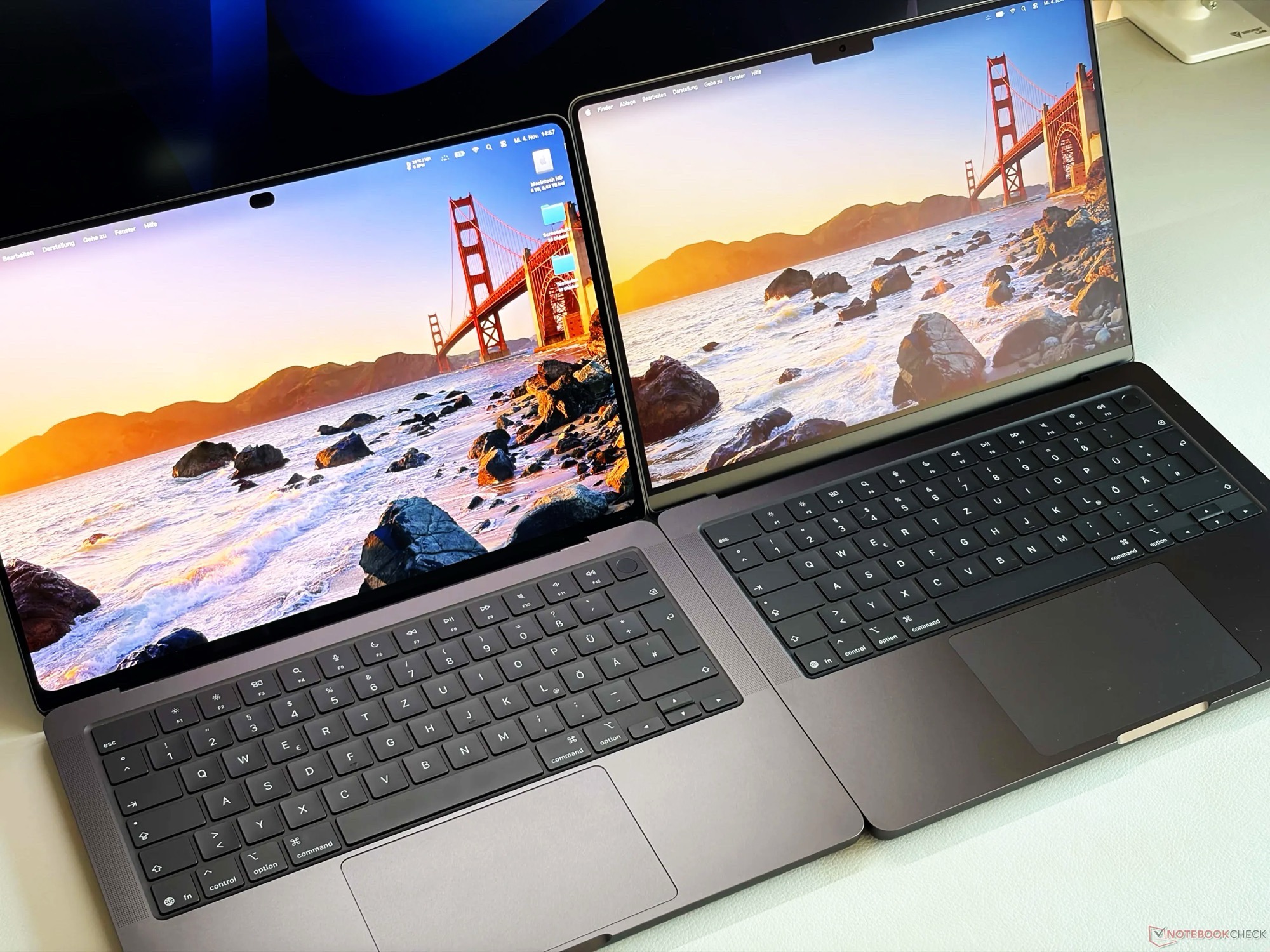
The latest MacBook Pro impressed in our in-depth review not least thanks to its new tandem OLED touchscreen. It achieves an impressive peak HDR brightness of over 2,000 nits and can reproduce almost the entire Adobe RGB color space, while response times are super fast, as is typical for OLED. However, we also detected PWM flickering at a frequency of 240 Hz as soon as the brightness is reduced to 99 percent or below, meaning the display flickers practically all the time in everyday use.
The display flickers 240 times per second, with brightness dropping to 56 percent. This is not unusual for OLED displays, nor is it the worst result we have measured on laptops so far – an older Asus Vivobook 14X flickered at a frequency of just 90 Hz, for example. The lower the frequency, the more noticeable the flickering. While very few people can consciously perceive PWM flickering at a frequency of 240 Hz, the frequency is not high enough to avoid problems entirely. For more sensitive users, this kind of flickering can cause headaches or eye discomfort when the display is used for an extended period.
At least one user reports on X that just 30 minutes of use causes severe headaches. A poll on the MacRumors forum shows that roughly one in three users feels the effects of PWM flickering to varying degrees. Anyone buying a new MacBook Pro with an OLED display should therefore make sure to choose a retailer that accepts returns. Apple still offers the model with a Mini-LED display. This screen also flickers, but at a much higher frequency of 14,880 Hz, which should not cause any problems for the vast majority of users.

Source(s)
 Add as a preferred source on Google


