


Apple has unveiled the new MacBook Pro with OLED - Great update or disappointment?
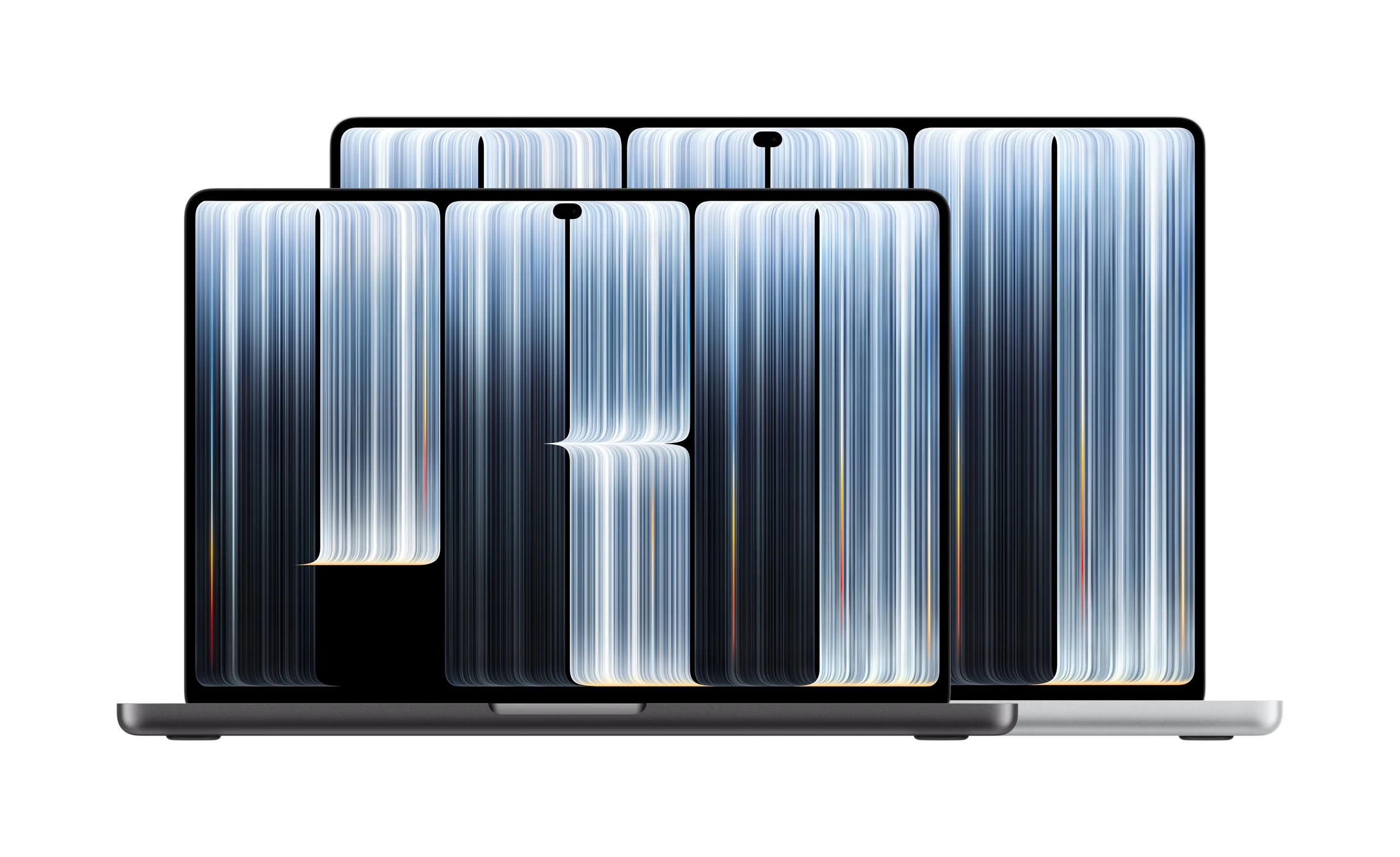
After months of rumors, Apple has now unveiled the first MacBook with an OLED panel. Contrary to previous expectations, however, it is not called the MacBook Ultra, but is simply another variant of the MacBook Pro models. This is particularly evident when looking at the chassis, as the basic design has remained almost identical. Although Apple has slightly reduced the chassis dimensions, the weight savings of the new models are much more significant.
Depending on the display size, the new OLED variants are between 230 and 320 grams lighter than the previous Mini-LED models. This raises the question of where Apple has saved this weight. Some of it can certainly be attributed to the new OLED screen, but the far more intriguing question concerns cooling. Although Apple mentions a new cooling system, less weight generally also means less cooling capacity. Since the previous MacBook Pro models with M5 Pro and M5 Max processors were already reaching their thermal limits, cooling could become a critical factor in the new generation. Apple also limited power consumption on the previous models, which caused the battery to drain under full load. We are very keen to see whether this unnecessary problem has finally been resolved.
The highlight of the new models is undoubtedly the tandem OLED display, which also supports touch input for the first time (although the usefulness of touch input on a conventional laptop remains questionable). In terms of specifications alone, it currently surpasses every other laptop screen on the market, as it covers the AdobeRGB color space in addition to high brightness levels. Apple also offers the panel in both glossy and matte versions. However, we are curious to see whether the integrated touchscreen will negatively affect image quality. As expected, the previous notch is also being replaced by the Dynamic Island already familiar from iPhone models.
Apart from the illuminated Apple logo on the display lid and a new sound system, however, there are no real changes, which is ultimately somewhat disappointing. The existing MacBook Pro design is already more than five years old, and Apple could certainly have done more to modernize it. Other slim competitors such as the Asus ProArt P14/P16 also show, for example, that there is still room for improvement when it comes to the keyboard. An integrated 5G connection, Face ID and Wi-Fi 7 with 320 Hz are still absent, too.
As expected, prices for the new models are rising significantly again, even though the processors and memory capacities remain unchanged. Both MacBook Pro models carry a premium of $400. This also explains why the older models with Mini-LED panels will remain in the lineup for now. In the long run, however, only the OLED model is likely to remain. In our opinion, Apple is being too cautious here and has missed the opportunity to bring a genuinely new high-end MacBook variant to market.
 Add as a preferred source on Google


