




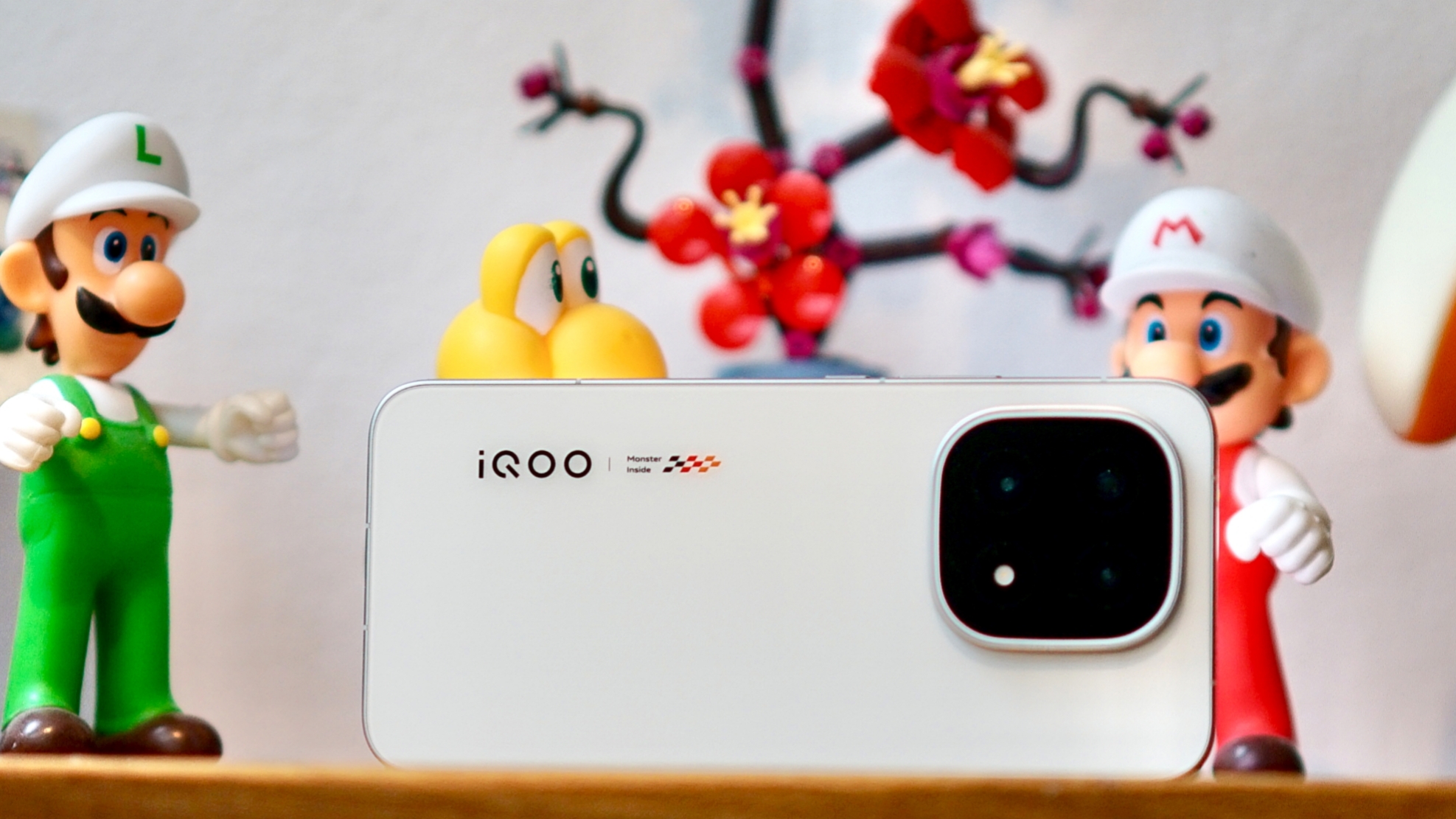
Verdict on the Vivo iQOO 15
With the iQOO 15, buyers get an outstanding overall package in the mid-range price segment and a device that delivers flagship-level performance at a significantly lower price.
Beyond the obvious high-end specifications such as the extra-bright 144 Hz OLED panel and the Snapdragon 8 Elite Gen 5, the gaming smartphone also impresses on closer inspection. An excellent ultrasonic fingerprint sensor, strong battery endurance, and a high-quality vibration motor make everyday use genuinely enjoyable. The same applies to the premium chassis with its near-borderless design and a surprisingly good main camera.
The high heat output and very pronounced SoC throttling are somewhat disappointing for a gaming phone that advertises "special cooling." Likewise, the rather weak speaker performance does not really suit a smartphone aimed at gamers.
Anyone who does not mind importing the Chinese version and accepting its drawbacks in Europe will not go wrong with this purchase.
Pros
Cons
Price and availability of the Vivo iQOO 15

The Vivo iQOO 15 launches in China with 12 GB of RAM and 256 GB of UFS storage at a price of CNY 4,199 (approximately €500). At TradingShenzhen, the gaming smartphone is available as an import starting at around €580, while our test unit corresponds to the 12 GB RAM and 512 GB storage configuration. A global version is also available, including in India; however, the iQOO 15 has not yet been officially announced for Europe.

- $9.59Ibywind for vivo iQOO 15 5G Screen Protector,2 Pack,9H Hardness Tempered Glass and Camera Lens Protector,with Alignment Frame,Full Coverage,Bubble Free,Fingerprint Unlock,Scratch Resistant
- $13.80Kukoufey Compatible with iQOO 15 5G Case Cover,Compatible with MagSafe,Compatible with Vivo iQOO 15 5G V2505A Built-in Magnetic Anti-Shock Cell Phone Case Black
- $11.99Ibywind for vivo iQOO 15 Ultra Screen Protector,2 Pack,9H Hardness Tempered Glass and Camera Lens Protector,with Alignment Frame,Full Coverage,Bubble Free,Fingerprint Unlock,Scratch Resistant
Table of Contents
- Verdict on the Vivo iQOO 15
- Specifications of the Vivo iQOO 15
- Case and features – gaming smartphone with IP69 certification
- Communication and operation – Android smartphone with Wi-Fi 7 and 5G
- Software and sustainability – Android 16 and long-term updates for the Vivo phone
- Cameras – gaming smartphone relies on Sony sensors and image stabilisation
- Display – extra-bright OLED screen in the mid-range price segment
- Performance, emissions and battery life – best processor in a gaming smartphone
- Notebookcheck overall rating
- Possible alternatives at a glance
Specifications of the Vivo iQOO 15
Case and features – gaming smartphone with IP69 certification
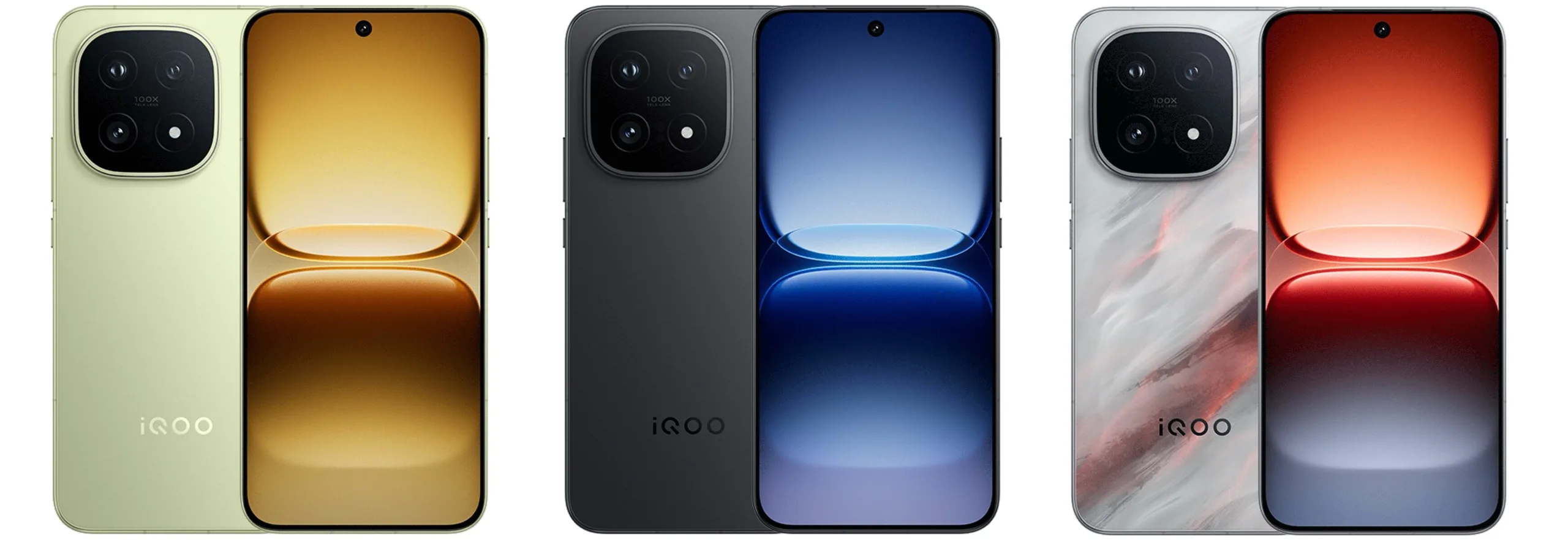
The iQOO 15 is available in several versions, with the weight varying slightly depending on the colour variant. This is due to Vivo using different materials for the rear panel, including glass and fibreglass. The manufacturer does not disclose which type of protective glass is used on the front.
The chassis of the iQOO 15 is certified to IP68 and IP69 standards, features a metal frame, and conveys a high-quality feel in hand. The display-to-body ratio of almost 91 percent is particularly noteworthy for a gaming smartphone. The narrow bezels give the Android phone a near bezel-less appearance.
Features include an NFC chip, USB OTG support for connecting USB flash drives, an infrared port, and a fast USB Type-C 3.2 port. Surrounding the camera module, the iQOO 15 is also equipped with a coloured LED light ring, which can be used for various scenarios such as battery status, gaming indicators, and notifications.
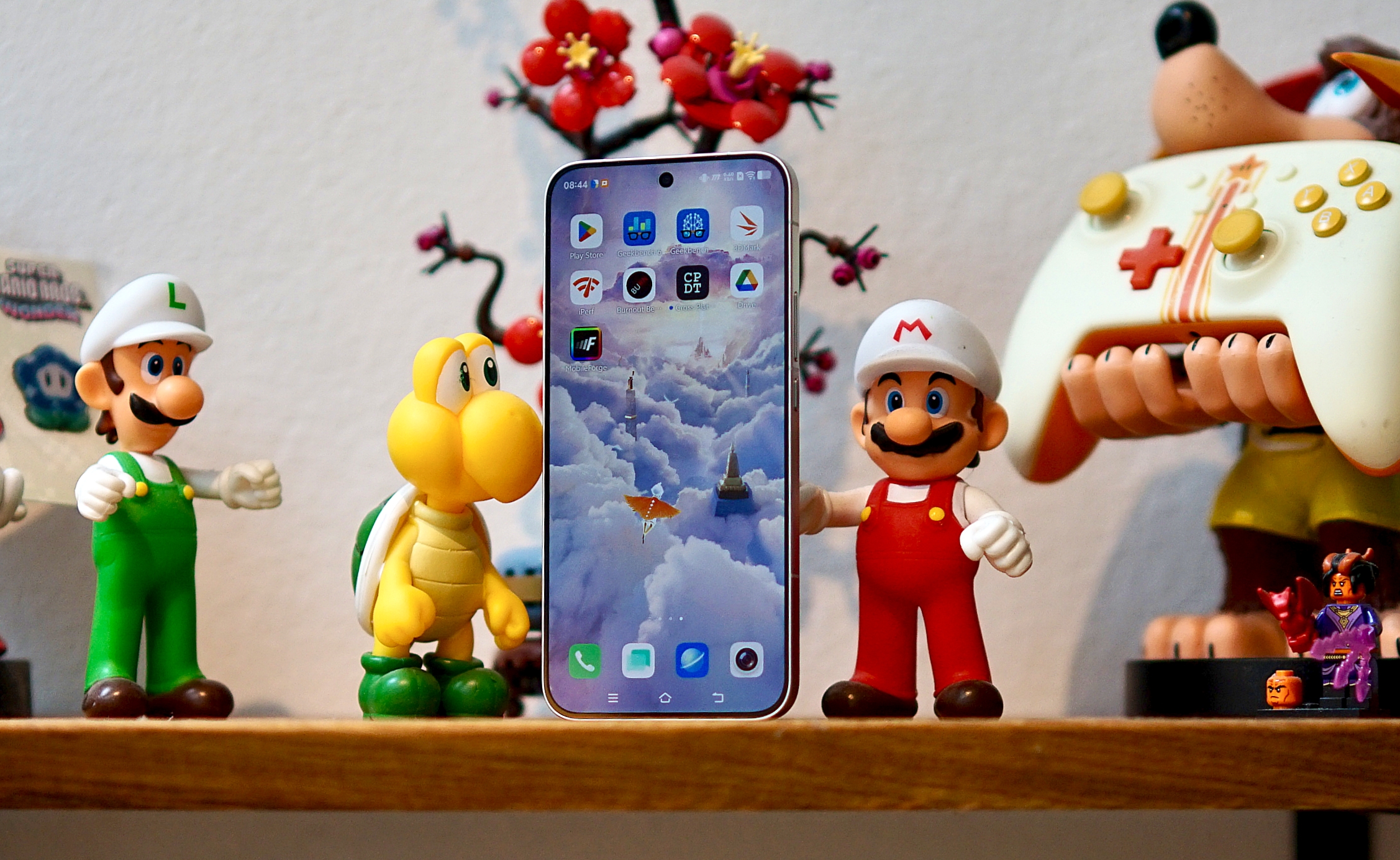
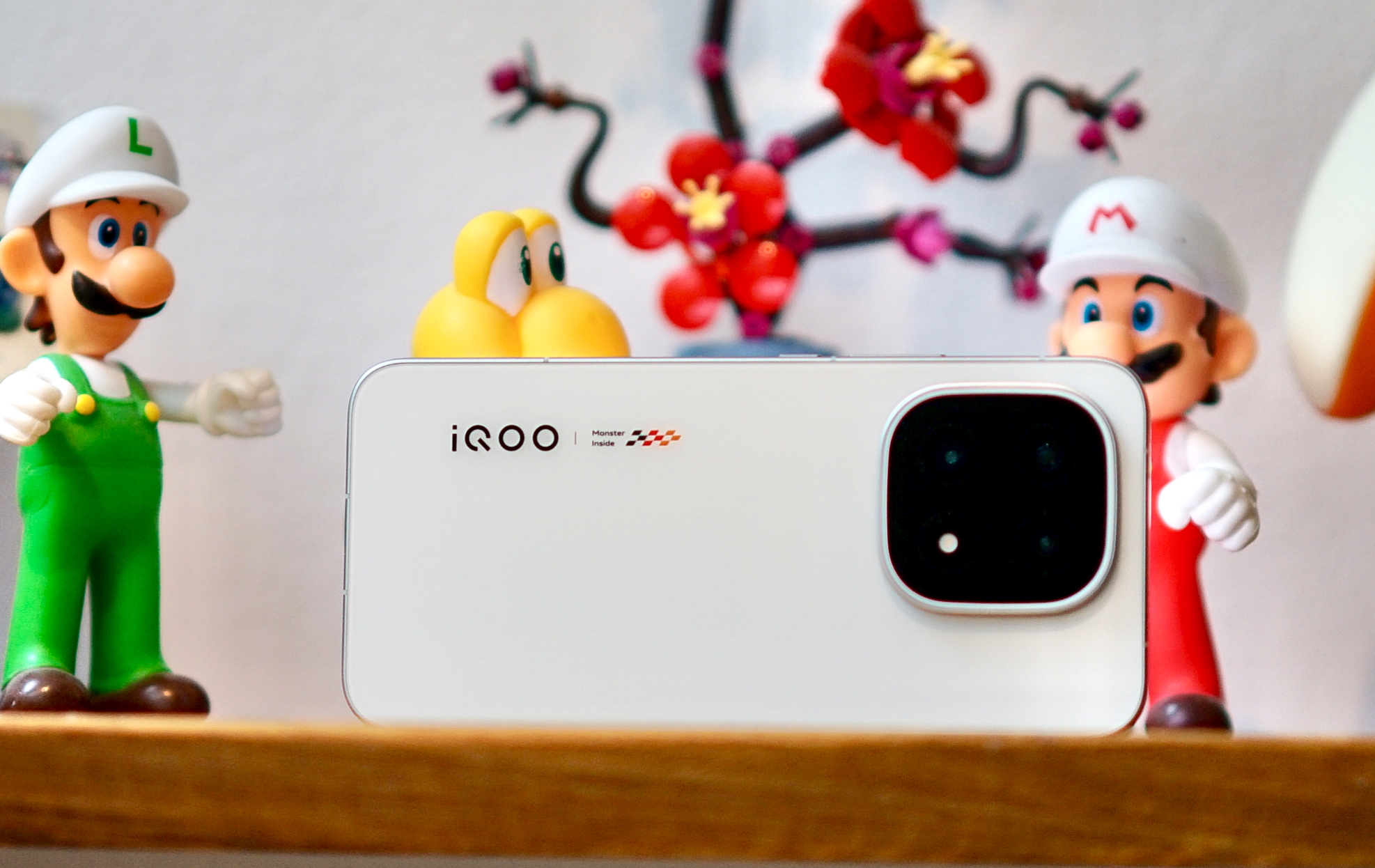
Communication and operation – Android smartphone with Wi-Fi 7 and 5G
The iQOO 15 offers state-of-the-art connectivity with Bluetooth 6.0 and Wi-Fi 7. However, access to the fast 6-GHz frequency band is only partially available on our China version. Not all routers used in our tests were able to establish a connection to the 6-GHz channel, and data throughput was comparatively low.
In Europe, the gaming smartphone can be used with a dual-SIM setup. Important LTE bands such as Band 20 and Band 28 are supported, along with a wide range of 5G frequencies, meaning connectivity issues are not to be expected.
One standout feature in this price class is the excellent ultrasonic fingerprint sensor, which operates quickly and reliably. The vibration motor also impresses with crisp, high-quality haptic feedback, while the fast 144-Hz OLED display with a touch sampling rate of up to 3,200 Hz rounds out an excellent overall user experience.
| Networking | |
| Vivo iQOO 15 | |
| iperf3 transmit AXE11000 6GHz | |
| iperf3 receive AXE11000 6GHz | |
| Honor 400 Pro | |
| iperf3 transmit AXE11000 | |
| iperf3 receive AXE11000 | |
| iperf3 transmit AXE11000 6GHz | |
| iperf3 receive AXE11000 6GHz | |
| Samsung Galaxy S25 FE | |
| iperf3 transmit AXE11000 | |
| iperf3 receive AXE11000 | |
| iperf3 transmit AXE11000 6GHz | |
| iperf3 receive AXE11000 6GHz | |
| Xiaomi 15T Pro | |
| iperf3 transmit AXE11000 | |
| iperf3 receive AXE11000 | |
| iperf3 transmit AXE11000 6GHz | |
| iperf3 receive AXE11000 6GHz | |
| Xiaomi Poco F8 Pro | |
| iperf3 transmit AXE11000 | |
| iperf3 receive AXE11000 | |
| Average 802.11 a/b/g/n/ac/ax/be | |
| iperf3 transmit AXE11000 | |
| iperf3 receive AXE11000 | |
| iperf3 transmit AXE11000 6GHz | |
| iperf3 receive AXE11000 6GHz | |
| Average of class Smartphone | |
| iperf3 transmit AXE11000 | |
| iperf3 receive AXE11000 | |
| iperf3 transmit AXE11000 6GHz | |
| iperf3 receive AXE11000 6GHz | |
Software and sustainability – Android 16 and long-term updates for the Vivo phone
Despite being a China-only model, the iQOO 15 is well suited for use in Europe. OriginOS 6 includes full German language support and delivers a mature, well-rounded user experience. The manufacturer promises five Android version upgrades and seven years of security patches, although the latest security patch at the time of testing dated back to September 2025.
Installing and accessing the Google Play Store works without issues, and Android Auto is natively supported. Chinese apps can be removed, although certain software limitations cannot be resolved, including the lack of eSIM support, Wear OS smartwatch compatibility, and access to China-specific AI services only.
Transparency regarding sustainability remains limited. Vivo does not provide concrete information on the proportion of recycled materials, and user repairability is not emphasised and is difficult to verify. On a positive note, the packaging appears to be completely free of plastic.
Cameras – gaming smartphone relies on Sony sensors and image stabilisation
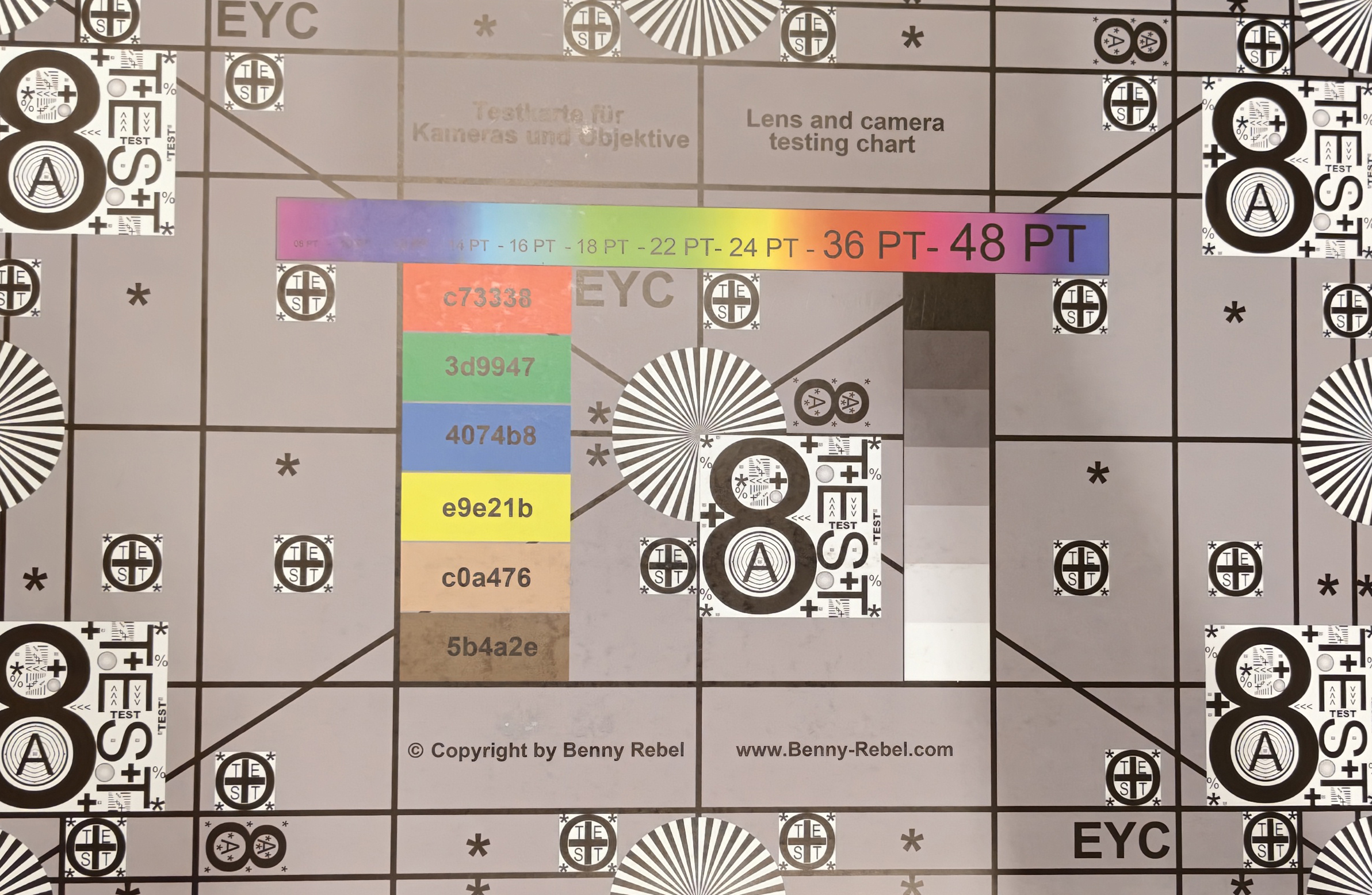
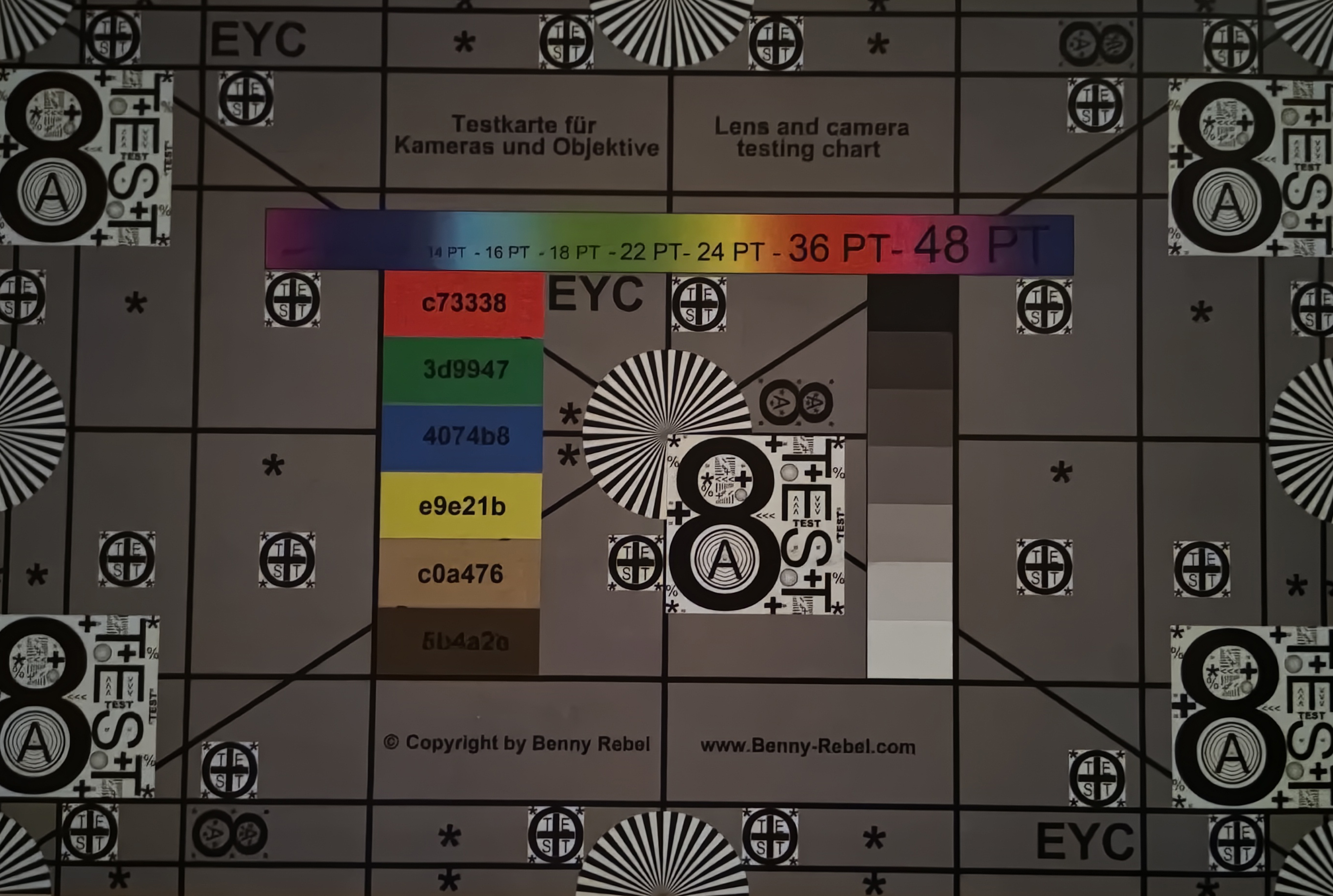
Although the iQOO 15 is primarily a gaming phone and does not focus heavily on its cameras, it still delivers pleasing photo quality. Vivo equips the device with Sony's IMX921 as its main camera, which is also used in the Vivo X200 FE.
In daylight, the 1/1.56-inch sensor with optical image stabilisation produces very good photos. Sharpness and dynamic range are convincing, and colour reproduction leaves little to criticise. In low-light conditions, however, the iQOO 15 shows the typical limitations of the relatively small Sony IMX921 sensor.
The square camera module on the rear houses two additional 50-MP sensors alongside the main camera, covering a periscope telephoto lens with three-times optical zoom and OIS, as well as an ultra-wide-angle lens.
Image comparison
Choose a scene and navigate within the first image. One click changes the position on touchscreens. One click on the zoomed-in image opens the original in a new window. The first image shows the scaled photograph of the test device.
Main cameraMain cameraLow lightUltra-wide angle lens




















Display – extra-bright OLED screen in the mid-range price segment
The iQOO 15 features a large 6.85-inch Samsung AMOLED display with a high 1440p resolution and a pixel density of 508 ppi. The refresh rate reaches 144 Hz, while Vivo specifies an HDR peak brightness of up to 6,000 nits. In the more practice-oriented APL18 test, we measured 2,885 cd/m², slightly exceeding the manufacturer's HBM specification of 2,600 nits.
As this is an OLED panel, brightness is controlled via pulse-width modulation. According to the manufacturer, the iQOO 15 uses high-frequency PWM dimming at 2,160 Hz to reduce potential negative effects such as visible flickering. Our measurements using Rigol software indicate a base frequency of around 560 Hz.
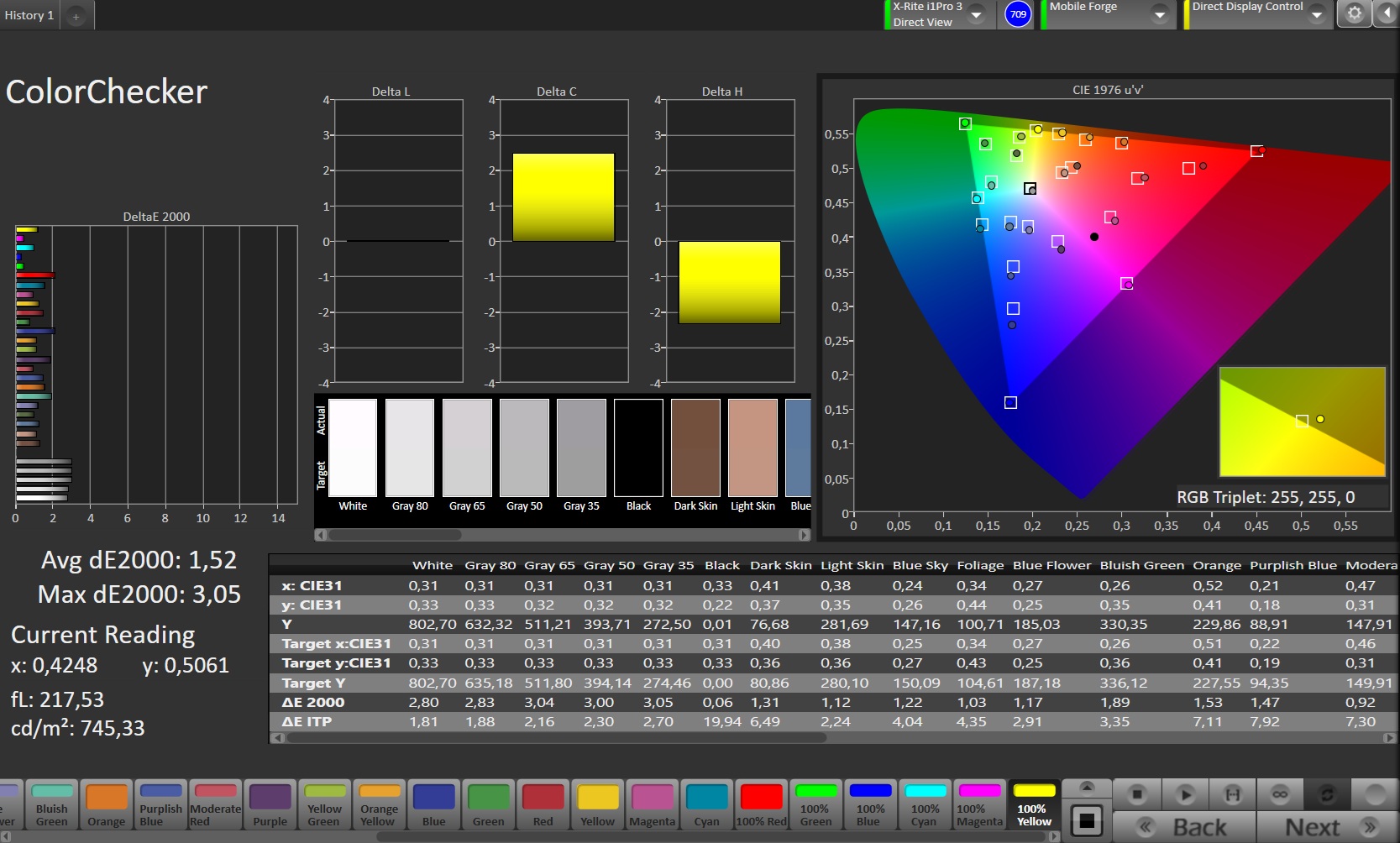
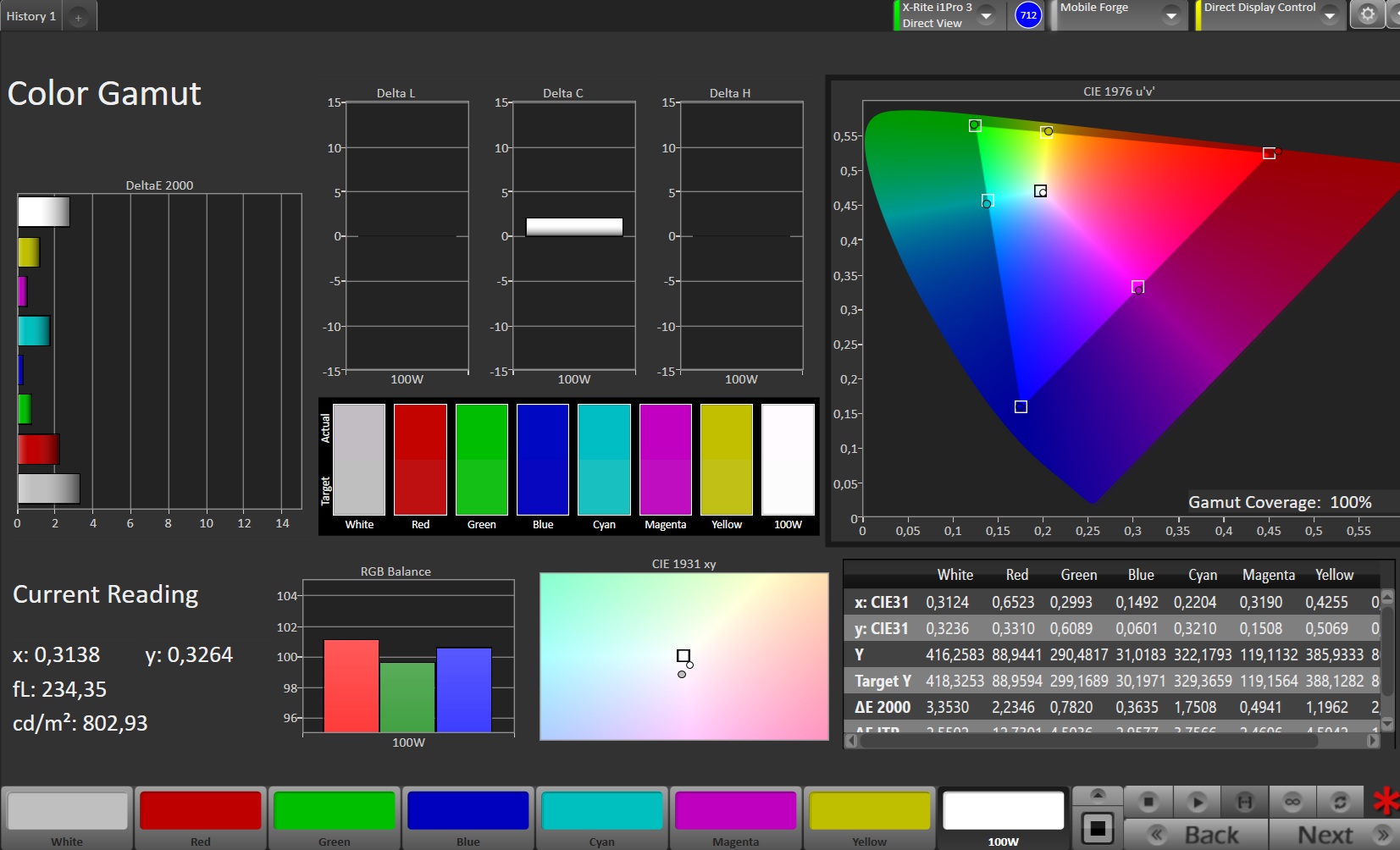
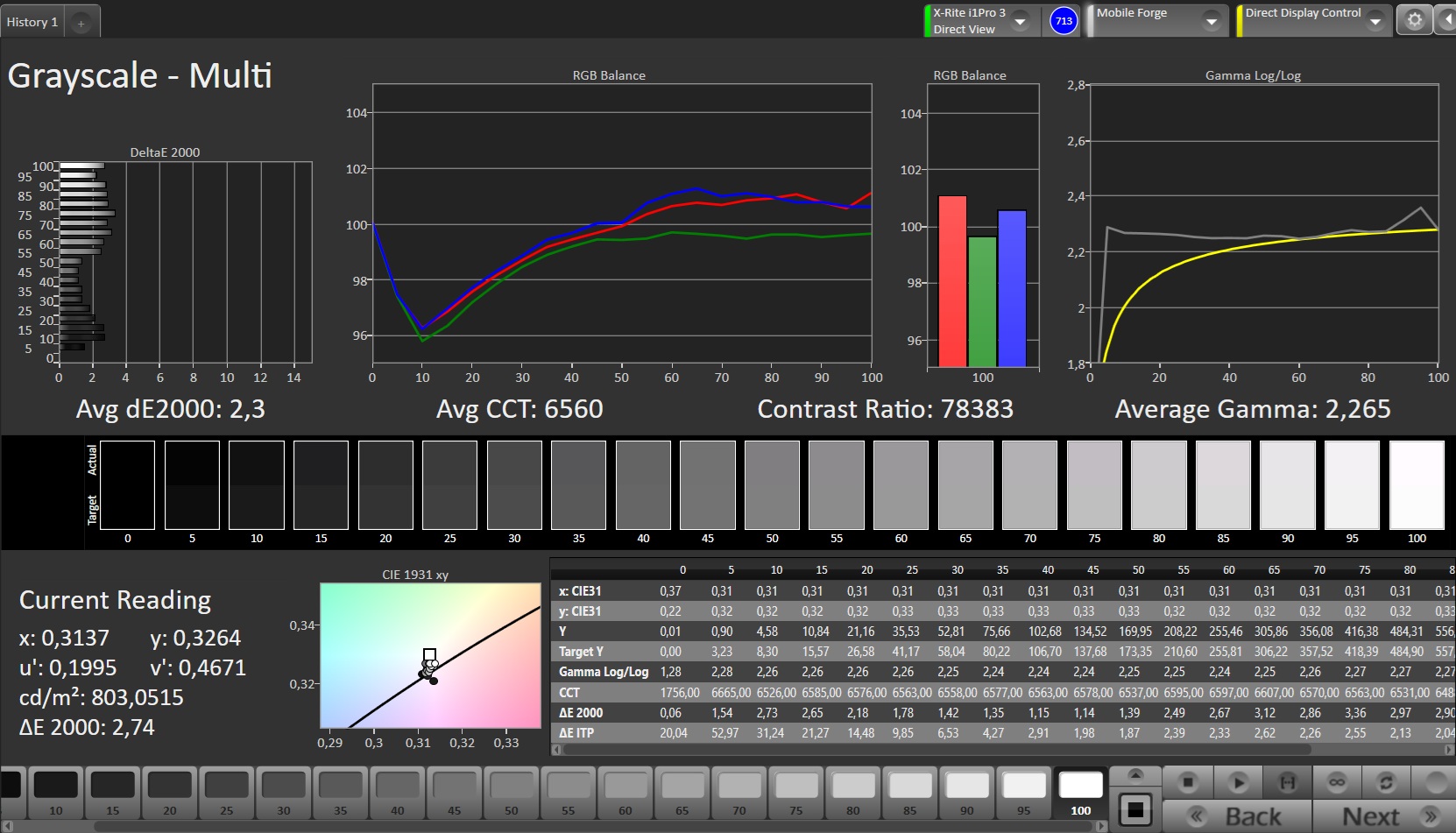
Display colour calibration was evaluated using Calman analysis software and a photospectrometer, revealing only minor deviations from the reference values.
| |||||||||||||||||||||||||
Brightness Distribution: 96 %
Center on Battery: 1137 cd/m²
Contrast: ∞:1 (Black: 0 cd/m²)
ΔE ColorChecker Calman: 1.52 | ∀{0.5-29.43 Ø4.69}
ΔE Greyscale Calman: 2.3 | ∀{0.09-98 Ø4.94}
100% sRGB (Calman 2D)
Gamma: 2.265
CCT: 6560 K
| Vivo iQOO 15 AMOLED, 3168x1440, 6.9" | Honor 400 Pro AMOLED, 2800x1280, 6.7" | Samsung Galaxy S25 FE AMOLED, 2340x1080, 6.7" | Xiaomi 15T Pro AMOLED, 2772x1280, 6.8" | Xiaomi Poco F8 Pro AMOLED, 2510x1156, 6.6" | |
|---|---|---|---|---|---|
| Screen | 26% | -35% | 2% | 33% | |
| Brightness middle (cd/m²) | 1137 | 1535 35% | 1136 0% | 1064 -6% | 1717 51% |
| Brightness (cd/m²) | 1113 | 1531 38% | 1132 2% | 1069 -4% | 1721 55% |
| Brightness Distribution (%) | 96 | 99 3% | 98 2% | 99 3% | 98 2% |
| Black Level * (cd/m²) | |||||
| Colorchecker dE 2000 * | 1.52 | 1.1 28% | 3.5 -130% | 1.3 14% | 1 34% |
| Colorchecker dE 2000 max. * | 3.05 | 2.2 28% | 5.5 -80% | 3.4 -11% | 2.2 28% |
| Greyscale dE 2000 * | 2.3 | 1.7 26% | 2.4 -4% | 2 13% | 1.7 26% |
| Gamma | 2.265 97% | 2.29 96% | 2.02 109% | 2.22 99% | 2.29 96% |
| CCT | 6560 99% | 6511 100% | 6322 103% | 6578 99% | 6574 99% |
* ... smaller is better
| Display / APL18 Peak Brightness | |
| Xiaomi Poco F8 Pro | |
| Xiaomi 15T Pro | |
| Vivo iQOO 15 | |
| Samsung Galaxy S25 FE | |
| Honor 400 Pro | |
| Display / HDR Peak Brightness | |
| Honor 400 Pro | |
| Xiaomi Poco F8 Pro | |
| Xiaomi 15T Pro | |
| Samsung Galaxy S25 FE | |
Screen Flickering / PWM (Pulse-Width Modulation)
| Screen flickering / PWM detected | 561.3 Hz Amplitude: 19 % | 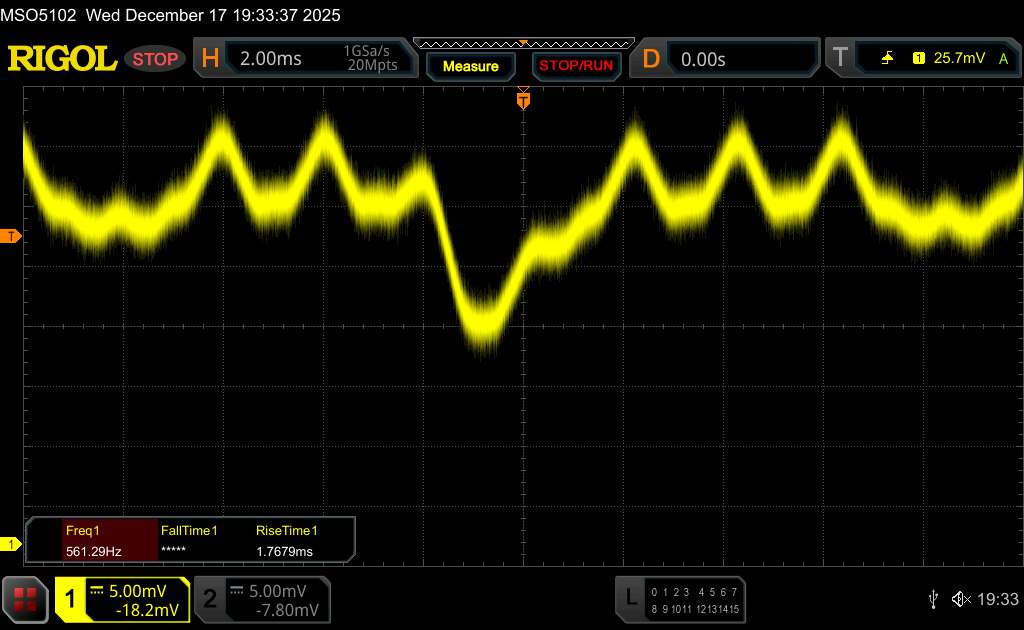 | |
The display backlight flickers at 561.3 Hz (worst case, e.g., utilizing PWM) . The frequency of 561.3 Hz is quite high, so most users sensitive to PWM should not notice any flickering. In comparison: 52 % of all tested devices do not use PWM to dim the display. If PWM was detected, an average of 7608 (minimum: 5 - maximum: 343500) Hz was measured. | |||
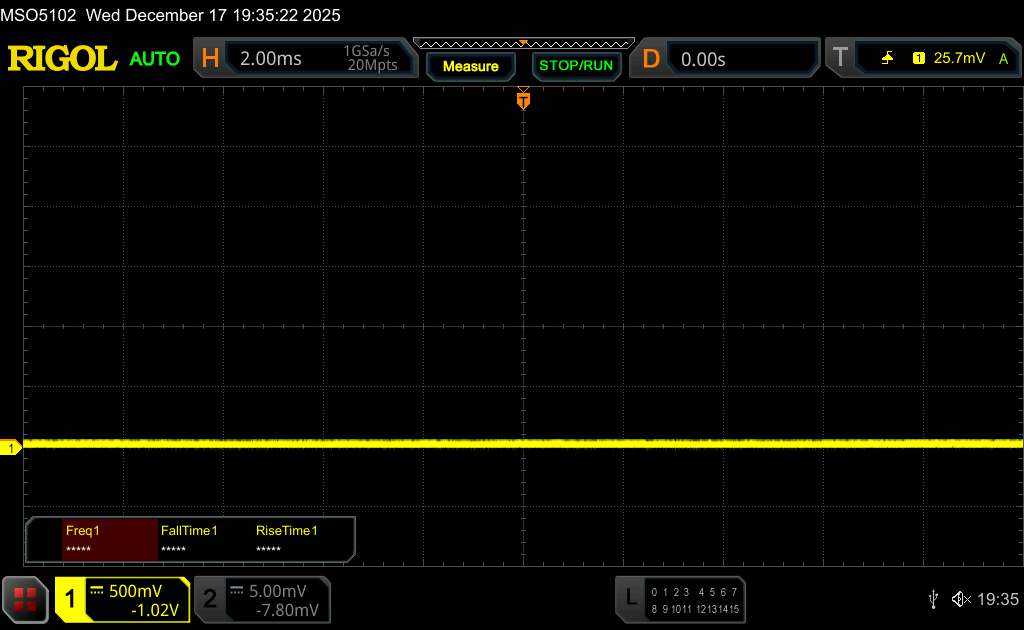
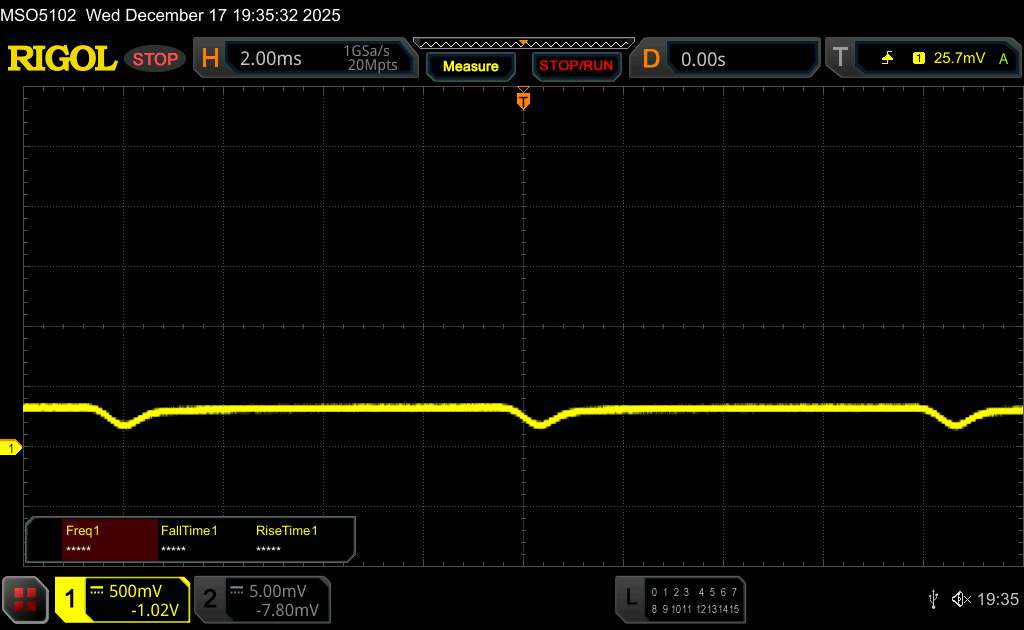
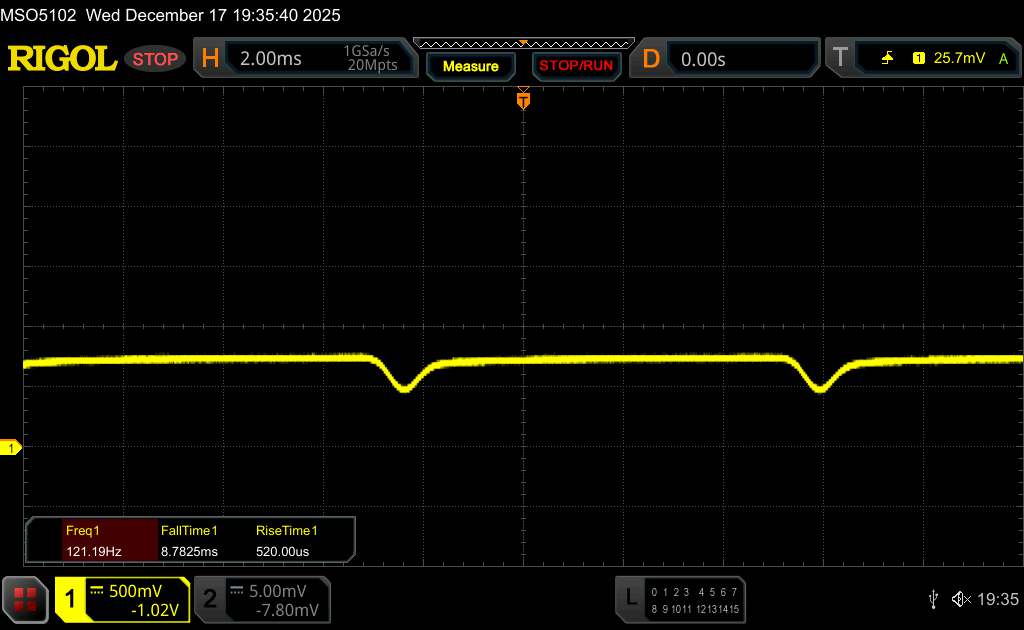
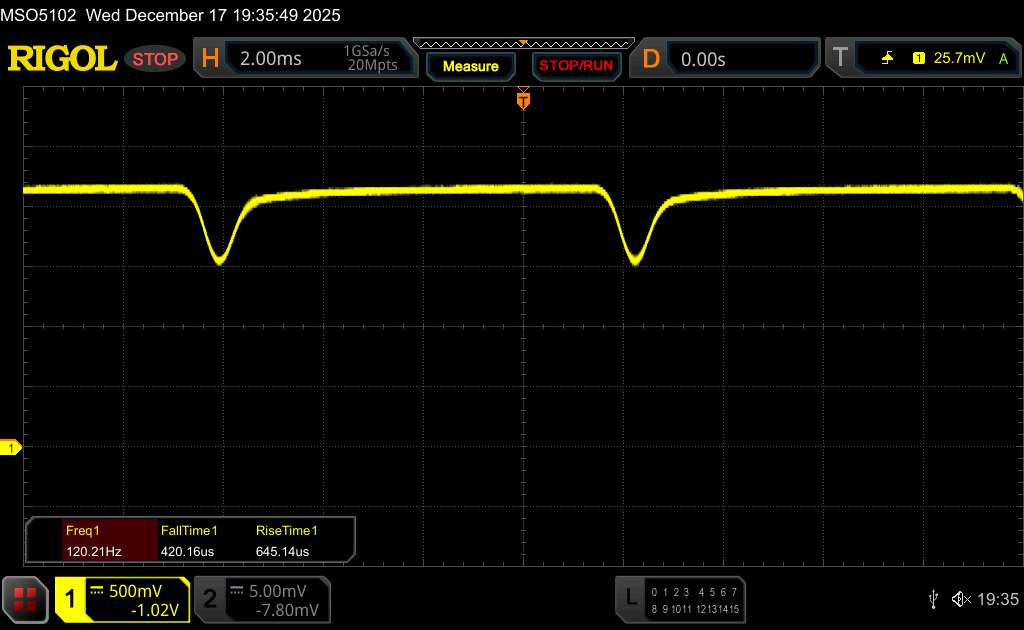
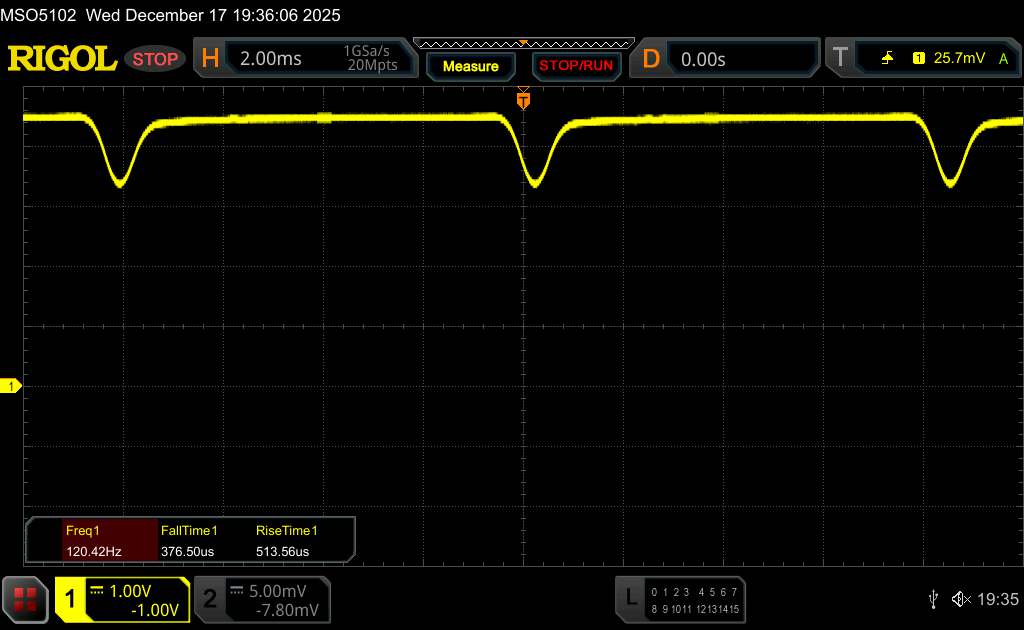
Measurement series with fixed zoom level and different brightness settings (The amplitude curve at minimum brightness looks flat, but this is due to the scaling. The info box shows the enlarged version of the amplitude at minimum brightness)
Display Response Times
| ↔ Response Time Black to White | ||
|---|---|---|
| 0.9 ms ... rise ↗ and fall ↘ combined | ↗ 0.4 ms rise | 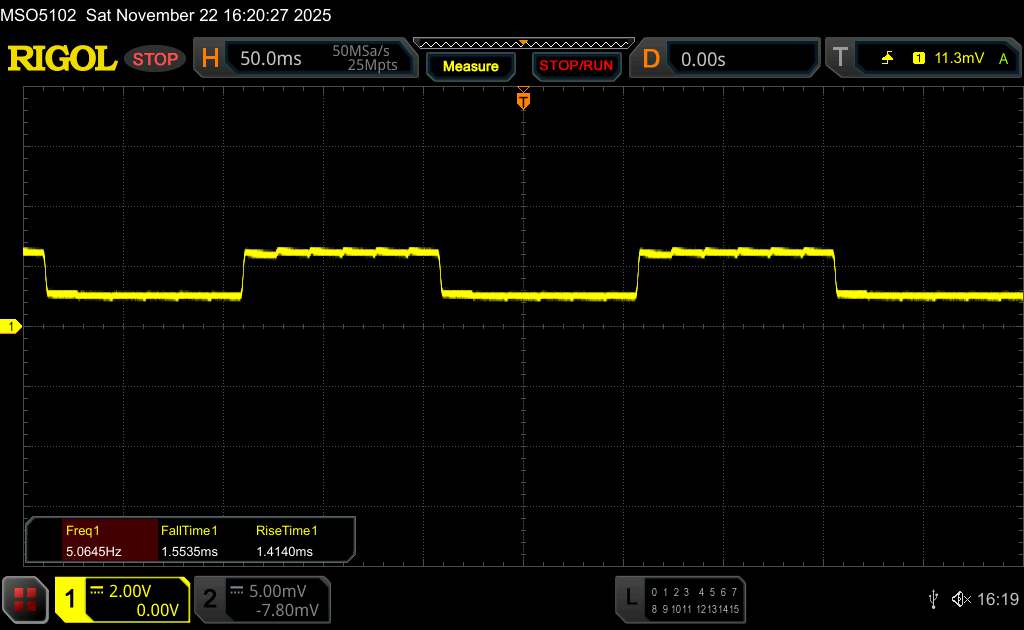 |
| ↘ 0.5 ms fall | ||
| The screen shows very fast response rates in our tests and should be very well suited for fast-paced gaming. In comparison, all tested devices range from 0.1 (minimum) to 240 (maximum) ms. » 3 % of all devices are better. This means that the measured response time is better than the average of all tested devices (19.7 ms). | ||
| ↔ Response Time 50% Grey to 80% Grey | ||
| 1 ms ... rise ↗ and fall ↘ combined | ↗ 0.4 ms rise | 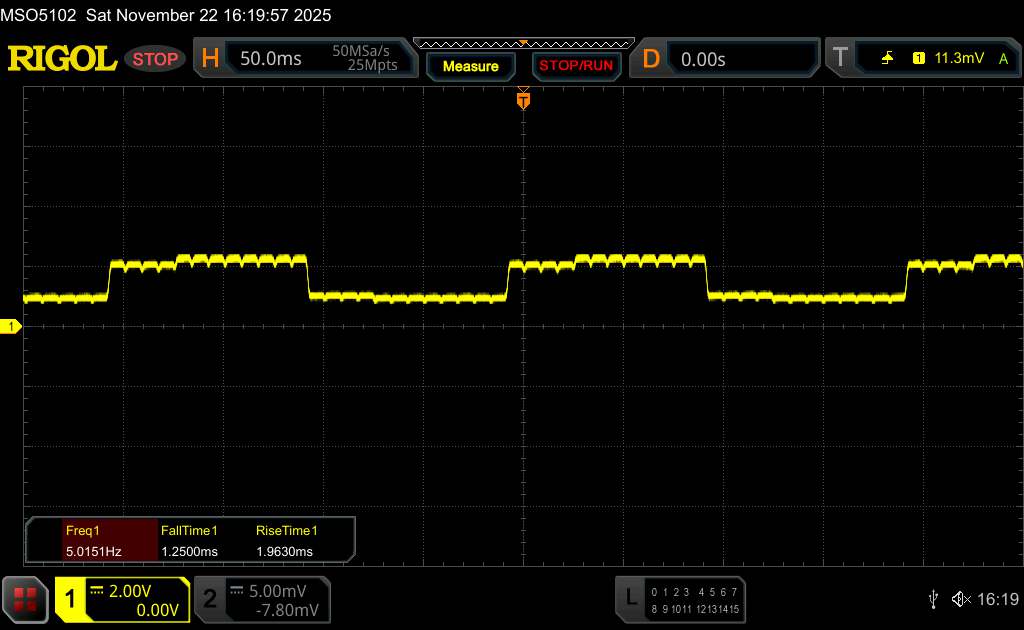 |
| ↘ 0.6 ms fall | ||
| The screen shows very fast response rates in our tests and should be very well suited for fast-paced gaming. In comparison, all tested devices range from 0.13 (minimum) to 636 (maximum) ms. » 4 % of all devices are better. This means that the measured response time is better than the average of all tested devices (30.7 ms). | ||
Performance, emissions and battery life – best processor in a gaming smartphone
The iQOO 15 is powered by the Snapdragon 8 Elite Gen 5, Qualcomm's current high-end SoC. In our benchmarks, the gaming smartphone delivers a very high level of performance. The iQOO 15 is particularly impressive in graphics tests, where the Adreno 840 achieves a strong 56 fps in the GFXBench 4K test.
However, the high heat output of the Vivo phone leads to thermally induced throttling, which we were able to trigger in the 3DMark stress tests. Surface temperatures measured during these tests are comparatively high.
The iQOO 15 is equipped with a 7,000 mAh battery that supports wired charging at up to 100 watts, while wireless charging reaches up to 40 watts. In the realistic Wi-Fi battery test with the display brightness adjusted to 150 cd/m², the smartphone achieves a very good runtime of almost 24 hours.
| Jetstream 2 - 2.2 Total | |
| Vivo iQOO 15 | |
| Average Qualcomm Snapdragon 8 Elite Gen 5 (2 - 480, n=17) | |
| Samsung Galaxy S25 FE | |
| Average of class Smartphone (2 - 480, n=105, last 2 years) | |
| Xiaomi 15T Pro | |
* ... smaller is better
| Vivo iQOO 15 | Samsung Galaxy S25 FE | Xiaomi 15T Pro | Xiaomi Poco F8 Pro | Average 512 GB UFS 4.1 Flash | Average of class Smartphone | |
|---|---|---|---|---|---|---|
| AndroBench 3-5 | -11% | -6% | 12% | 7% | -28% | |
| Sequential Read 256KB (MB/s) | 2556.87 | 3756.44 47% | 3219.93 26% | 3959.14 55% | 3616 ? 41% | 2278 ? -11% |
| Sequential Write 256KB (MB/s) | 2589.26 | 2450.19 -5% | 3593.03 39% | 3833.02 48% | 3225 ? 25% | 1971 ? -24% |
| Random Read 4KB (MB/s) | 453.54 | 382.44 -16% | 426.1 -6% | 309.91 -32% | 414 ? -9% | 317 ? -30% |
| Random Write 4KB (MB/s) | 689.01 | 198.68 -71% | 110.46 -84% | 521.31 -24% | 498 ? -28% | 362 ? -47% |
(-) The maximum temperature on the upper side is 55 °C / 131 F, compared to the average of 35.4 °C / 96 F, ranging from 21.9 to 247 °C for the class Smartphone.
(-) The bottom heats up to a maximum of 50.6 °C / 123 F, compared to the average of 34.1 °C / 93 F
(+) In idle usage, the average temperature for the upper side is 27 °C / 81 F, compared to the device average of 33 °C / 91 F.
3DMark Stress Tests
| 3DMark | |
| Wild Life Stress Test Stability | |
| Xiaomi 15T Pro | |
| Vivo iQOO 15 | |
| Xiaomi Poco F8 Pro | |
| Samsung Galaxy S25 FE | |
| Honor 400 Pro | |
| Wild Life Extreme Stress Test | |
| Honor 400 Pro | |
| Xiaomi 15T Pro | |
| Xiaomi Poco F8 Pro | |
| Vivo iQOO 15 | |
| Samsung Galaxy S25 FE | |
Vivo iQOO 15 audio analysis
(+) | speakers can play relatively loud (84.1 dB)
Bass 100 - 315 Hz
(-) | nearly no bass - on average 19.6% lower than median
(±) | linearity of bass is average (11.4% delta to prev. frequency)
Mids 400 - 2000 Hz
(±) | higher mids - on average 6.6% higher than median
(±) | linearity of mids is average (7.1% delta to prev. frequency)
Highs 2 - 16 kHz
(+) | balanced highs - only 3.5% away from median
(+) | highs are linear (6% delta to prev. frequency)
Overall 100 - 16.000 Hz
(±) | linearity of overall sound is average (17.7% difference to median)
Compared to same class
» 15% of all tested devices in this class were better, 8% similar, 77% worse
» The best had a delta of 11%, average was 34%, worst was 136%
Compared to all devices tested
» 36% of all tested devices were better, 8% similar, 56% worse
» The best had a delta of 4%, average was 23%, worst was 136%
Xiaomi 15T Pro audio analysis
(+) | speakers can play relatively loud (92 dB)
Bass 100 - 315 Hz
(-) | nearly no bass - on average 23.3% lower than median
(+) | bass is linear (5.8% delta to prev. frequency)
Mids 400 - 2000 Hz
(±) | reduced mids - on average 5.8% lower than median
(+) | mids are linear (5.1% delta to prev. frequency)
Highs 2 - 16 kHz
(+) | balanced highs - only 4.9% away from median
(+) | highs are linear (2.3% delta to prev. frequency)
Overall 100 - 16.000 Hz
(±) | linearity of overall sound is average (17.2% difference to median)
Compared to same class
» 11% of all tested devices in this class were better, 8% similar, 80% worse
» The best had a delta of 11%, average was 34%, worst was 136%
Compared to all devices tested
» 32% of all tested devices were better, 8% similar, 60% worse
» The best had a delta of 4%, average was 23%, worst was 136%
| Vivo iQOO 15 7000 mAh | Honor 400 Pro 5300 mAh | Samsung Galaxy S25 FE 4900 mAh | Xiaomi 15T Pro 5500 mAh | Xiaomi Poco F8 Pro 6210 mAh | |
|---|---|---|---|---|---|
| Battery runtime | |||||
| WiFi v1.3 (h) | 23.7 | 20.6 -13% | 15.1 -36% | 20.9 -12% | 22.8 -4% |
Notebookcheck overall rating
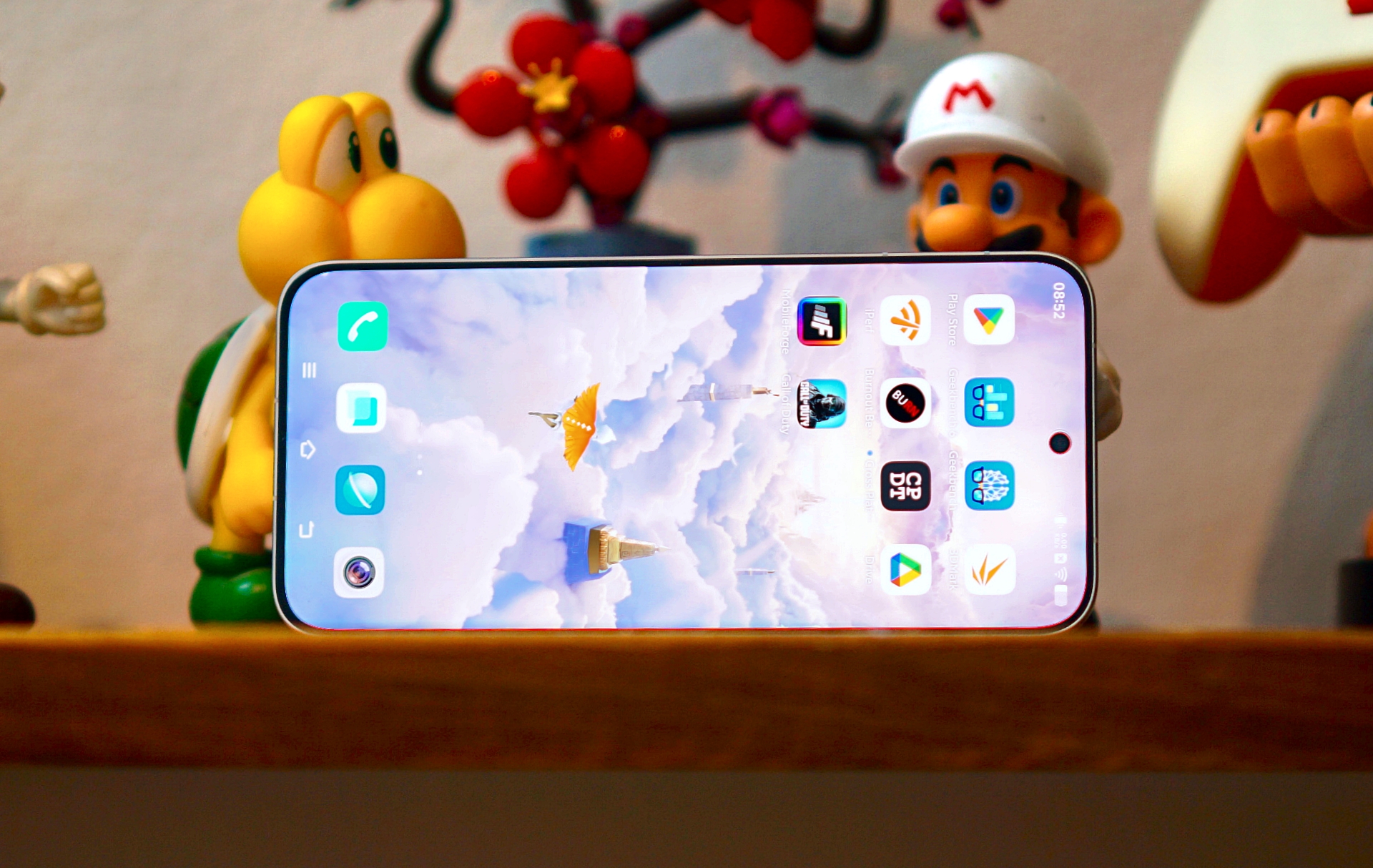
The Vivo iQOO 15 delivers top-tier hardware at a very fair price. Unfortunately, the gaming phone is currently only available in Europe via import.
Vivo iQOO 15
- 01/09/2026 v8
Marcus Herbrich
 Total Sustainability Score:
 Possible alternatives at a glance
Image | Model / Review | Price | Weight | Drive | Display |
|---|---|---|---|---|---|
1. 88.6%  | Vivo iQOO 15 Qualcomm Snapdragon 8 Elite Gen 5 ⎘ Qualcomm Adreno 840 ⎘ 12 GB Memory, 512 GB UFS 4.x | Amazon: 1. $9.59 Ibywind for vivo iQOO 15 5G ... 2. $13.80 Kukoufey Compatible with iQO... 3. $11.99 Ibywind for vivo iQOO 15 Ult... List Price: 580€ | 215 g | 512 GB UFS 4.1 Flash | 6.85" 3168x1440 508 PPI AMOLED |
2. 82.5%  | Honor 400 Pro Qualcomm Snapdragon 8 Gen 3 ⎘ Qualcomm Adreno 750 ⎘ 12 GB Memory, 512 GB UFS 4.x | List Price: 800€ | 205 g | 512 GB UFS 4.0 Flash | 6.70" 2800x1280 460 PPI AMOLED |
3. 85.6%  | Samsung Galaxy S25 FE Samsung Exynos 2400 ⎘ Samsung Xclipse 940 ⎘ 8 GB Memory, 256 GB UFS 4.x | List Price: 809€ | 190 g | 256 GB UFS 4.0 Flash | 6.70" 2340x1080 382 PPI AMOLED |
4. 86.1%  | Xiaomi 15T Pro Mediatek Dimensity 9400+ ⎘ ARM Immortalis-G925 MC12 ⎘ 12 GB Memory, 1024 GB UFS 4.x | List Price: 1000€ | 210 g | 1TB UFS 4.1 Flash | 6.83" 2772x1280 447 PPI AMOLED |
5. 85.4%  | Xiaomi Poco F8 Pro Qualcomm Snapdragon 8 Elite ⎘ Qualcomm Adreno 830 ⎘ 12 GB Memory, 512 GB UFS 4.x | Amazon: $639.92 List Price: 700€ | 199 g | 512 GB UFS 4.1 Flash | 6.59" 2510x1156 419 PPI AMOLED |
Transparency
The selection of devices to be reviewed is made by our editorial team. The test sample was provided to the author as a loan by the manufacturer or retailer for the purpose of this review. The lender had no influence on this review, nor did the manufacturer receive a copy of this review before publication. There was no obligation to publish this review. As an independent media company, Notebookcheck is not subjected to the authority of manufacturers, retailers or publishers.
This is how Notebookcheck is testing
Every year, Notebookcheck independently reviews hundreds of laptops and smartphones using standardized procedures to ensure that all results are comparable. We have continuously developed our test methods for around 20 years and set industry standards in the process. In our test labs, high-quality measuring equipment is utilized by experienced technicians and editors. These tests involve a multi-stage validation process. Our complex rating system is based on hundreds of well-founded measurements and benchmarks, which maintains objectivity. Further information on our test methods can be found here.
 Add as a preferred source on Google


