




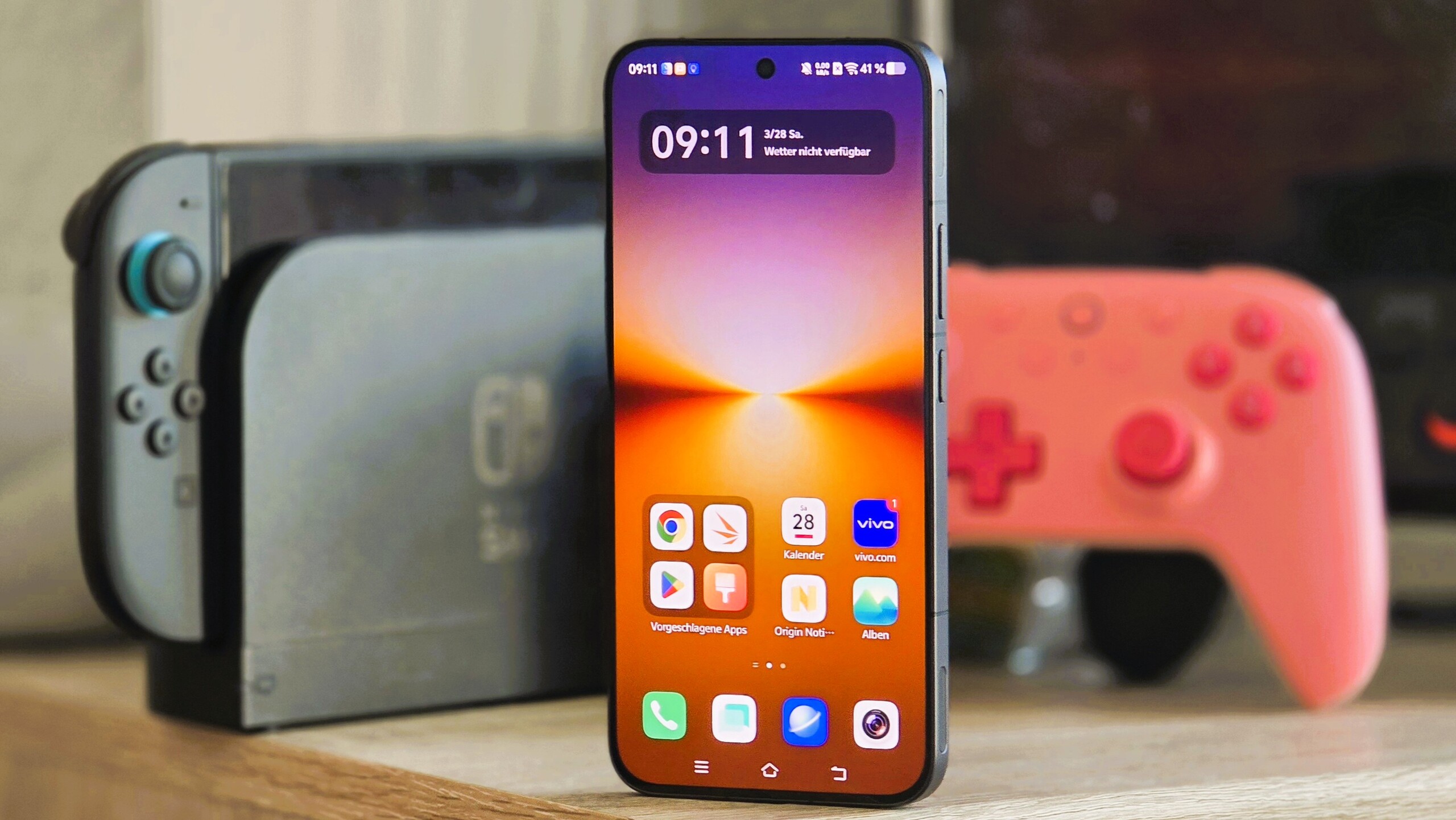
Verdict on the Vivo iQOO 15 Ultra
The iQOO 15 Ultra raises a fundamental question for smartphones: does a phone really need an integrated fan, as seen in laptops? The results suggest otherwise. At least for now, we do not see any real added value in Vivo's approach. The Snapdragon 8 Elite Gen 5, which the fan is supposed to keep under control, still throttles noticeably even in the Ultra model. There is also currently a lack of meaningful usage scenarios.
However, our review also revealed plenty of highlights beyond this standout feature. The XXL battery keeps the gaming phone running for ages and can be recharged quickly. The speaker system is excellent, while the look and feel are highly convincing thanks to the premium chassis, ultrasonic fingerprint sensor and superb vibration motor.
For a gaming phone, the cameras, or rather the manufacturer's camera algorithms, are surprisingly good. In terms of photo quality, the iQOO 15 Ultra makes the iPhone 17 look like an inexpensive mid-range handset.
Pros
Cons
Price and availability of the Vivo iQOO 15 Ultra

The iQOO 15 Ultra has so far only launched in China. The base model starts at 5,699 yuan, which is equivalent to around €700. Vivo has not yet announced any details regarding a possible international launch. As an import, prices at Trading Shenzhen currently start at roughly €800.

- $13.80ShouBao Compatible with iQOO 15 Ultra 5G Case Cover,Compatible with vivo iQOO 15 Ultra 5G V2546A Translucent Matte Back Shockproof Magnetic Case Black
- $11.99Ibywind for vivo iQOO 15 Ultra Screen Protector,2 Pack,9H Hardness Tempered Glass and Camera Lens Protector,with Alignment Frame,Full Coverage,Bubble Free,Fingerprint Unlock,Scratch Resistant
- $13.80Kukoufey Compatible with Vivo iQOO 15 Ultra Case Cover,Compatible with MagSafe,Compatible with vivo iQOO 15 Ultra 5G V2546A Built-in Magnetic Anti-Shock Cell Phone Case Black
Table of Contents
- Verdict on the Vivo iQOO 15 Ultra
- Specifications of the Vivo iQOO 15 Ultra
- Case and features: Android phone with LED strip
- Connectivity and features: Vivo phone with Wi-Fi 7 and ultrasonic fingerprint sensor
- Software and sustainability: gaming smartphone with Android 16
- Cameras: gaming flagship phone with OIS and telephoto lens
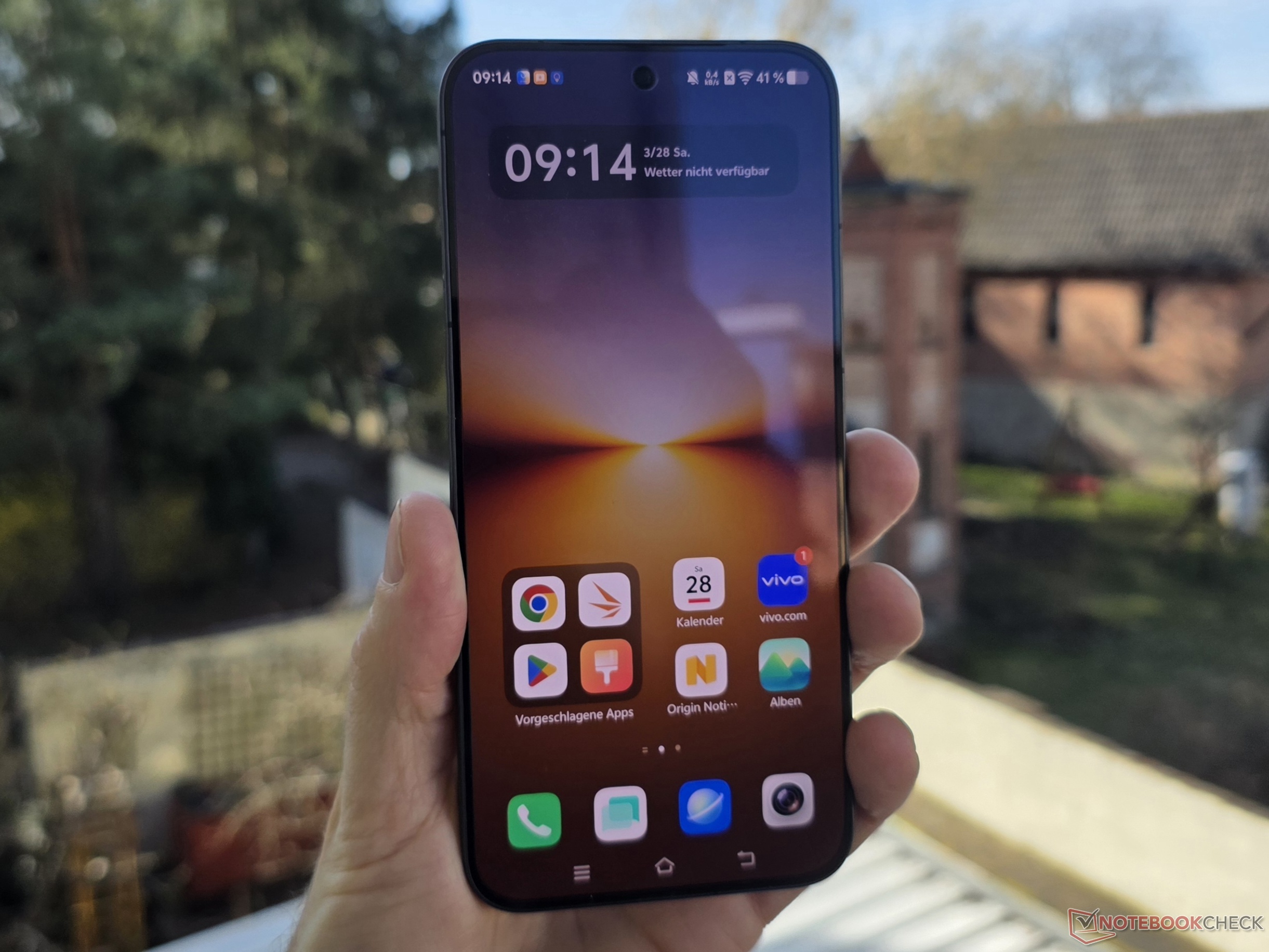
- Display: Android phone with large OLED screen
- Performance, emissions and battery life: Vivo phone relies on Qualcomm's high-end SoC
- Notebookcheck overall rating
- Possible alternatives at a glance
Specifications of the Vivo iQOO 15 Ultra
Case and features: Android phone with LED strip
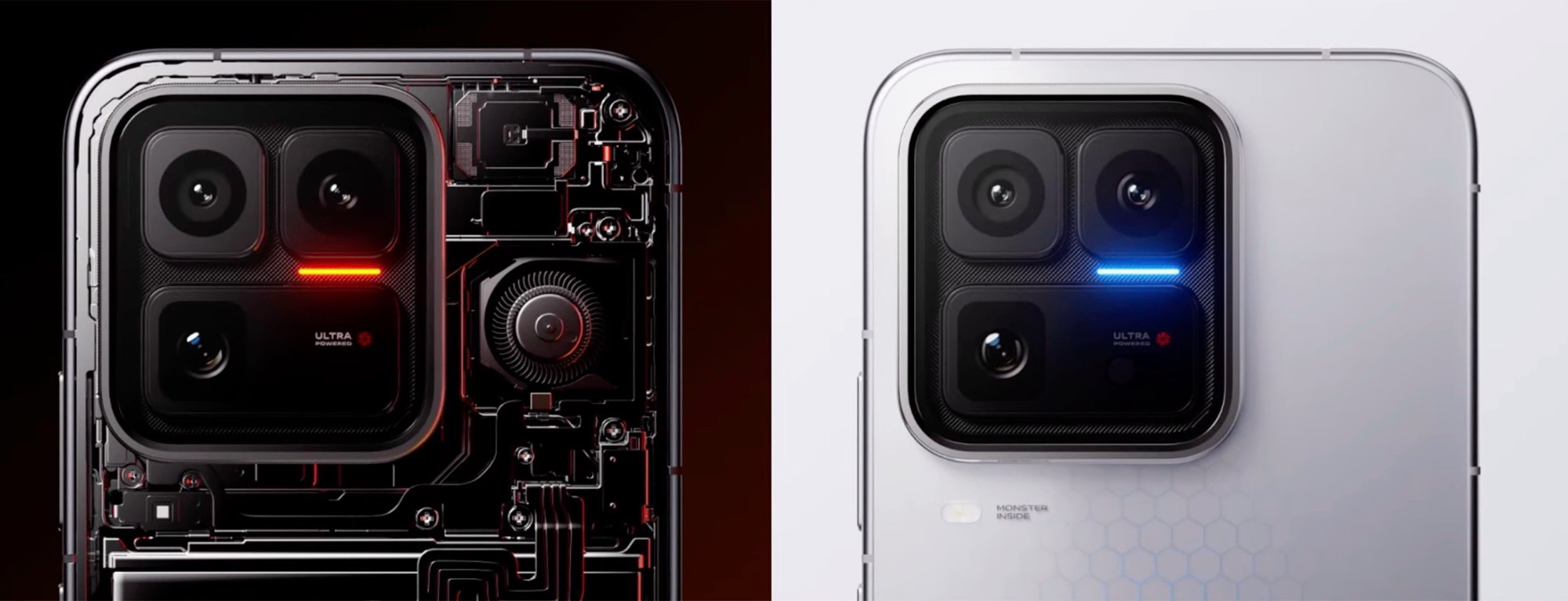
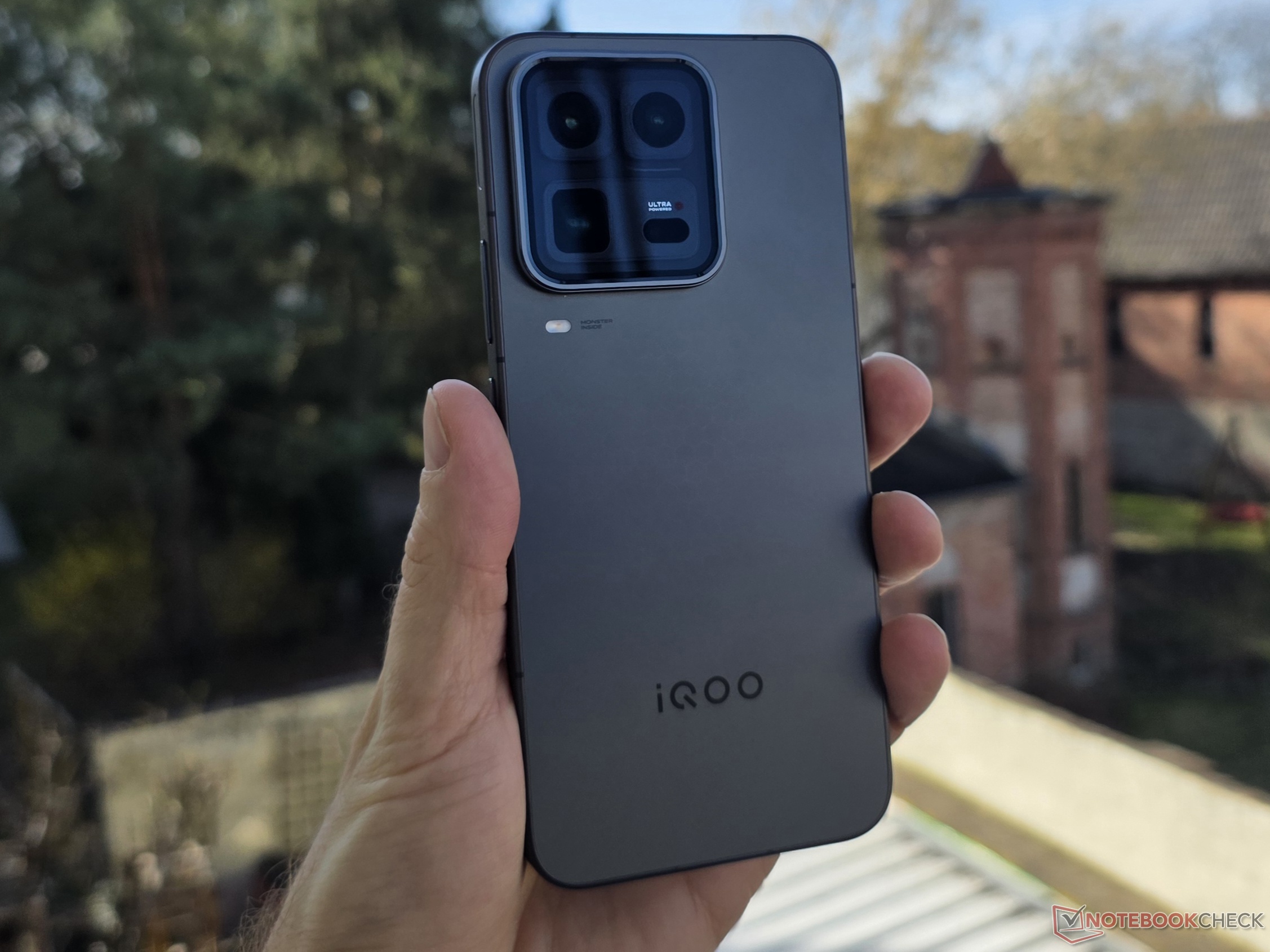
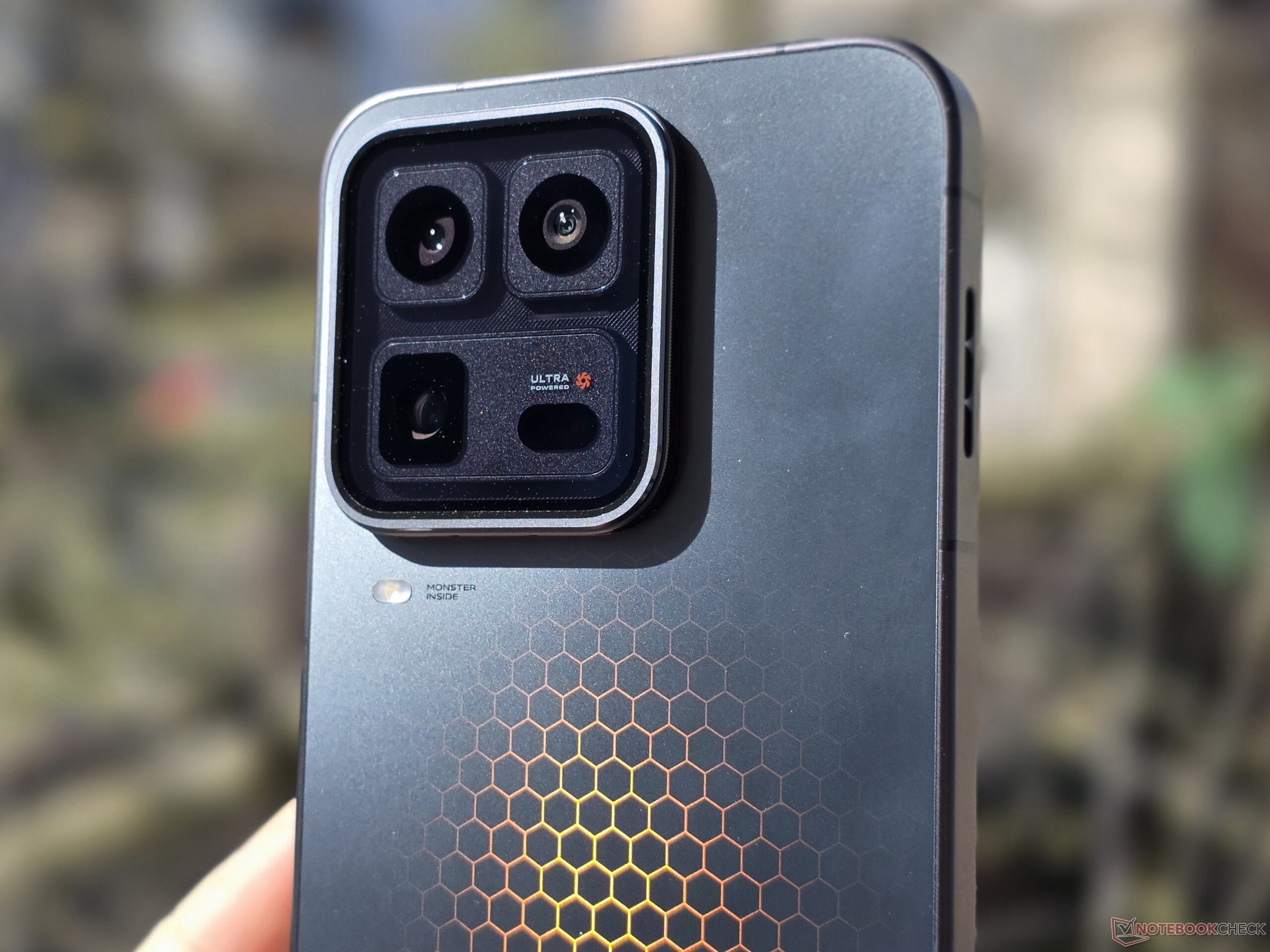
The design of the Ultra model is very similar to that of the iQOO 15, but the flagship phone in the 15 series now features a striking honeycomb pattern on the rear, available in either white or black. The square camera module also comes with a coloured LED strip that can signal incoming notifications. That said, we liked the LED ring on the sibling model significantly better.
This trade-off is due to the integrated fan in the iQOO 15 Ultra. The gaming phone's active cooling also has a negative impact on its weight, as the chassis is fairly heavy at 227 grams.
There are no trade-offs when it comes to water resistance. Despite the fan, the Vivo phone is certified to IP69. The Ultra model is also thoroughly convincing in terms of build quality.
In addition to the in-house Q3 gaming chip, the iQOO 15 Ultra features LPDDR5X Ultra Pro, which offers higher data transfer rates than standard LPDDR5X RAM. Its gaming focus is also evident in the two touch-sensitive shoulder buttons, which can be used as gaming controls.
Also on board are an NFC chip, USB OTG, an infrared port and a fast USB Type-C 3.2 port.
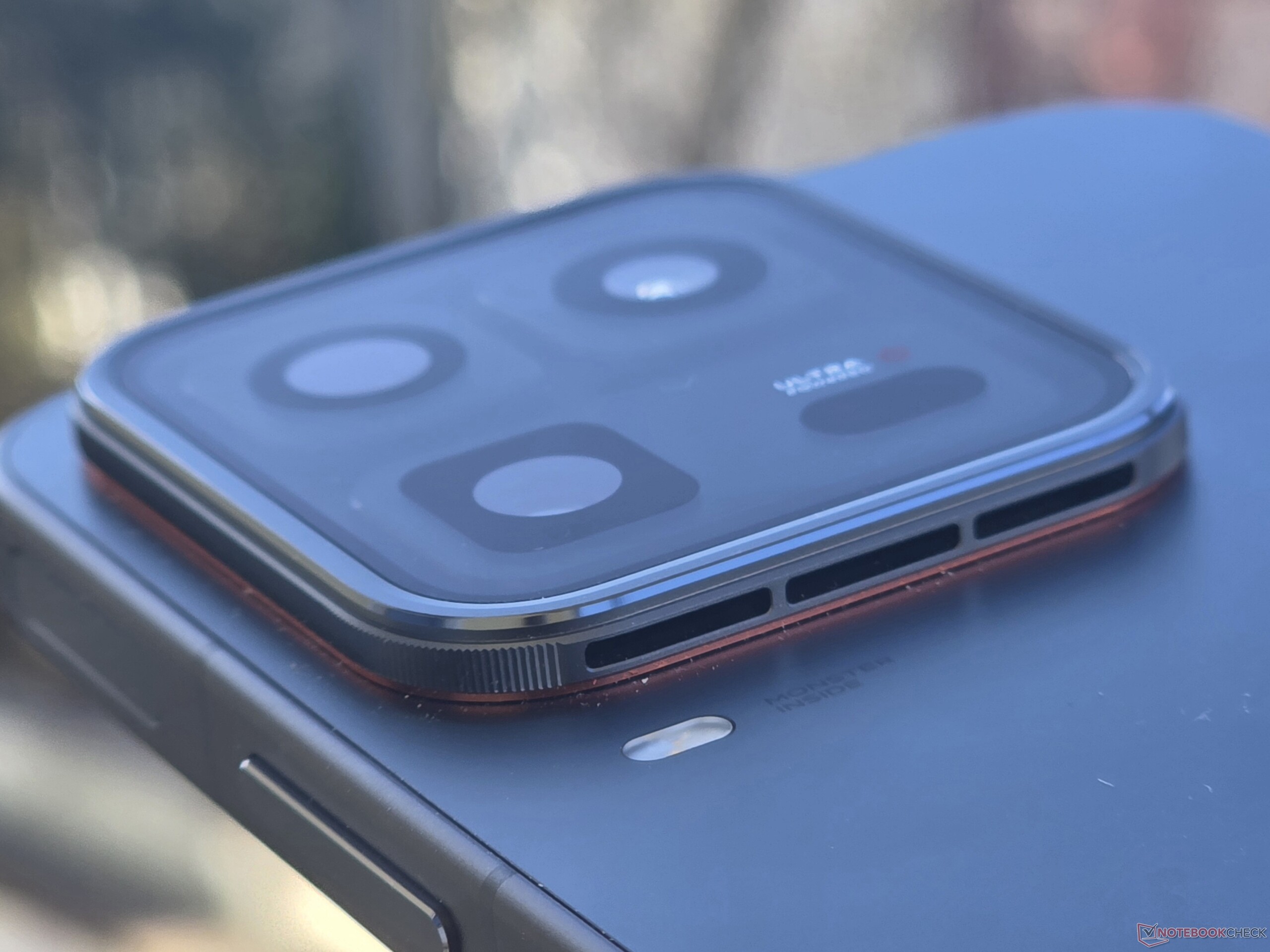
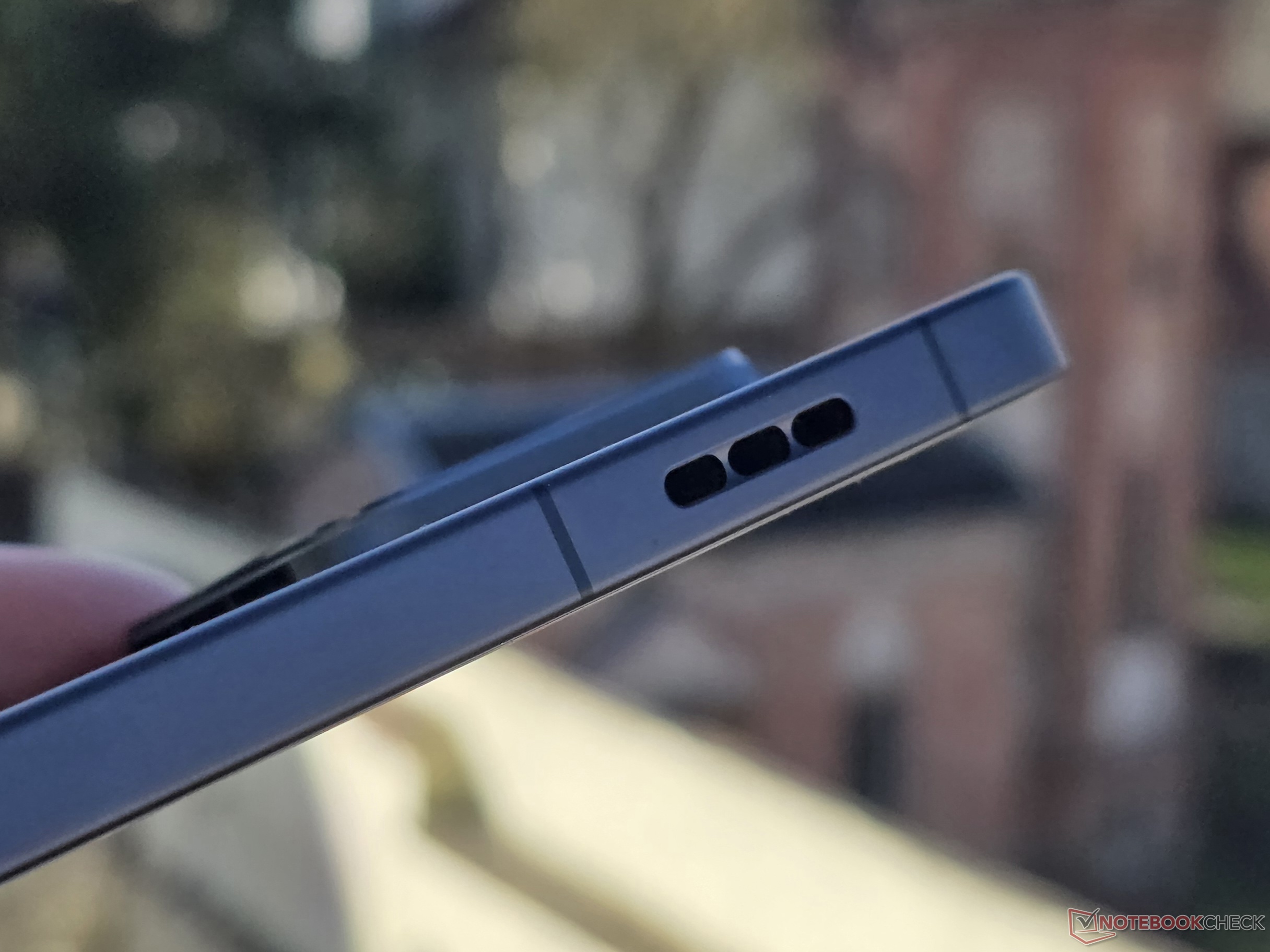
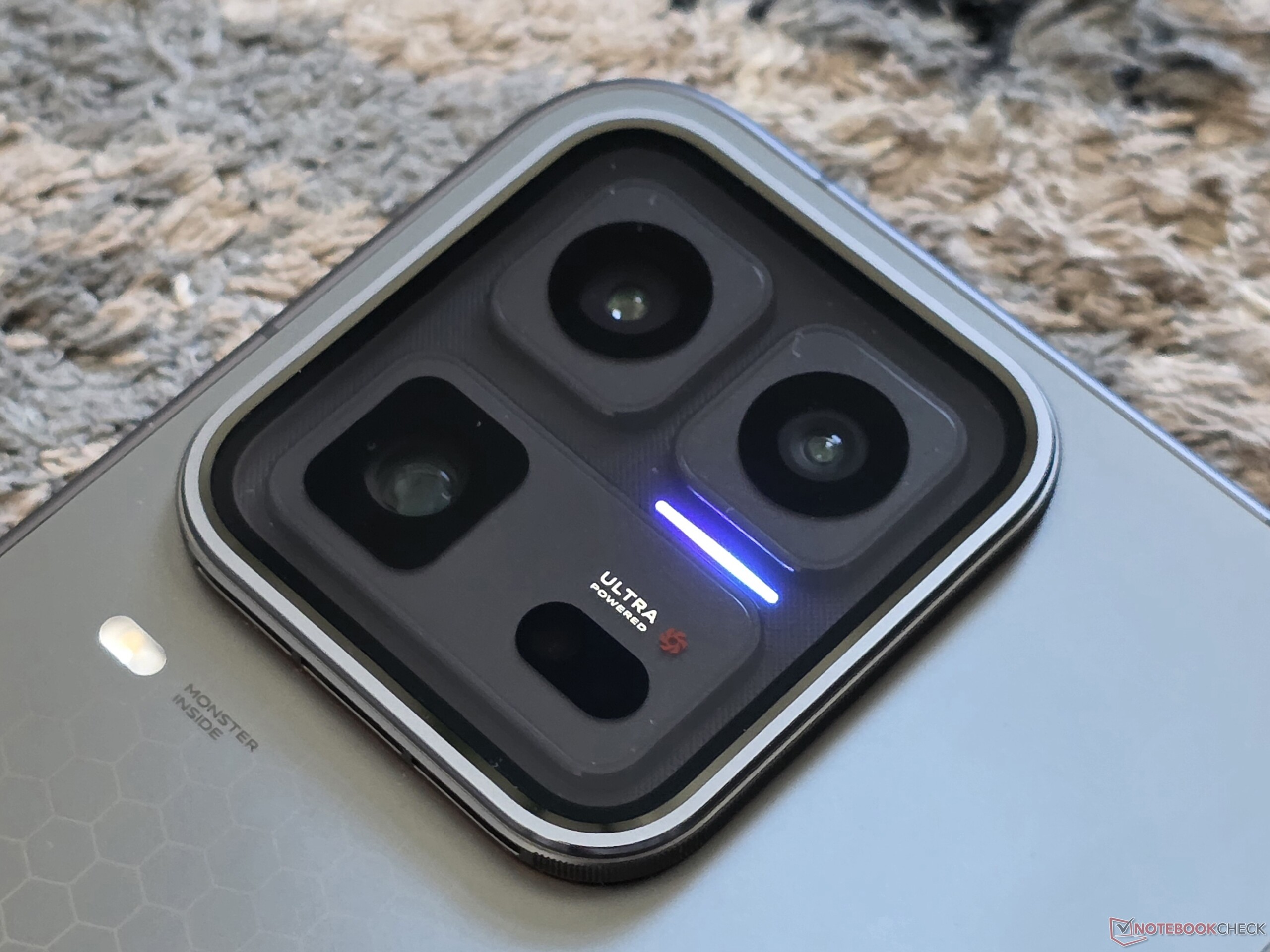
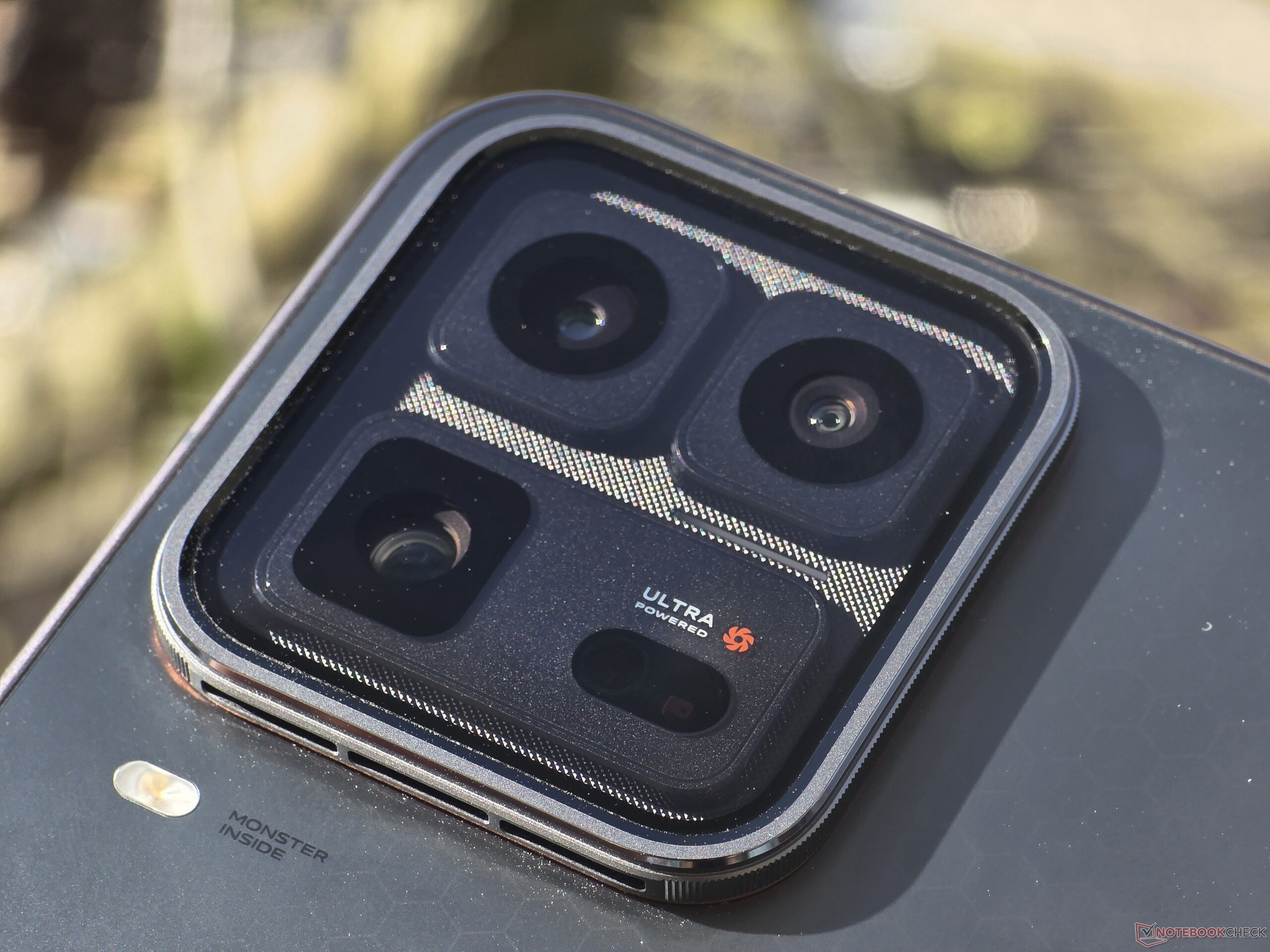
Connectivity and features: Vivo phone with Wi-Fi 7 and ultrasonic fingerprint sensor
The iQOO 15 Ultra offers Bluetooth 5.4 and Wi-Fi 7, although access to the fast 6 GHz frequency band is limited on our Chinese review unit. The Vivo phone was unable to connect to the 6 GHz channel with every router we tested, and data throughput was comparatively low.
In addition to dual SIM support, the Vivo phone covers important LTE bands such as Band 20 and 28, as well as a wide range of 5G bands.
The excellent ultrasonic fingerprint sensor and superb vibration motor are anything but a given for a gaming phone.
| Networking | |
| Vivo iQOO 15 Ultra | |
| iperf3 transmit AXE11000 6GHz | |
| iperf3 receive AXE11000 6GHz | |
| Realme GT 8 Pro | |
| iperf3 transmit AXE11000 | |
| iperf3 receive AXE11000 | |
| Xiaomi Poco F8 Ultra | |
| iperf3 transmit AXE11000 | |
| iperf3 receive AXE11000 | |
| Vivo iQOO 15 | |
| iperf3 transmit AXE11000 6GHz | |
| iperf3 receive AXE11000 6GHz | |
| Average 802.11 a/b/g/n/ac/ax/be | |
| iperf3 transmit AXE11000 | |
| iperf3 receive AXE11000 | |
| iperf3 transmit AXE11000 6GHz | |
| iperf3 receive AXE11000 6GHz | |
| Average of class Smartphone | |
| iperf3 transmit AXE11000 | |
| iperf3 receive AXE11000 | |
| iperf3 transmit AXE11000 6GHz | |
| iperf3 receive AXE11000 6GHz | |
Software and sustainability: gaming smartphone with Android 16
Despite being the Chinese version, the iQOO 15 Ultra supports multiple interface languages, including English. OriginOS 6 is based on Android 16 and can be used without issue with both the Google Play Store and Android Auto. However, neither is available out of the box and must be installed or activated by the user. Chinese apps can be uninstalled, but certain software restrictions, such as the lack of eSIM support, Wear OS watch compatibility and China-specific AI features, cannot be resolved.
A five-year update period has been suggested, but we were unable to verify any official details.
There is also room for improvement when it comes to transparency, as there are no concrete details on the proportion of recycled materials used. The packaging, however, appears to be free of plastic.
Cameras: gaming flagship phone with OIS and telephoto lens

The iQOO 15 Ultra makes fewer trade-offs in terms of camera hardware than other gaming flagships such as the RedMagic 11 Pro. In addition to a 50 MP ultra-wide-angle camera, Vivo has also equipped it with an appealing 50 MP telephoto lens featuring 3x optical zoom and OIS.
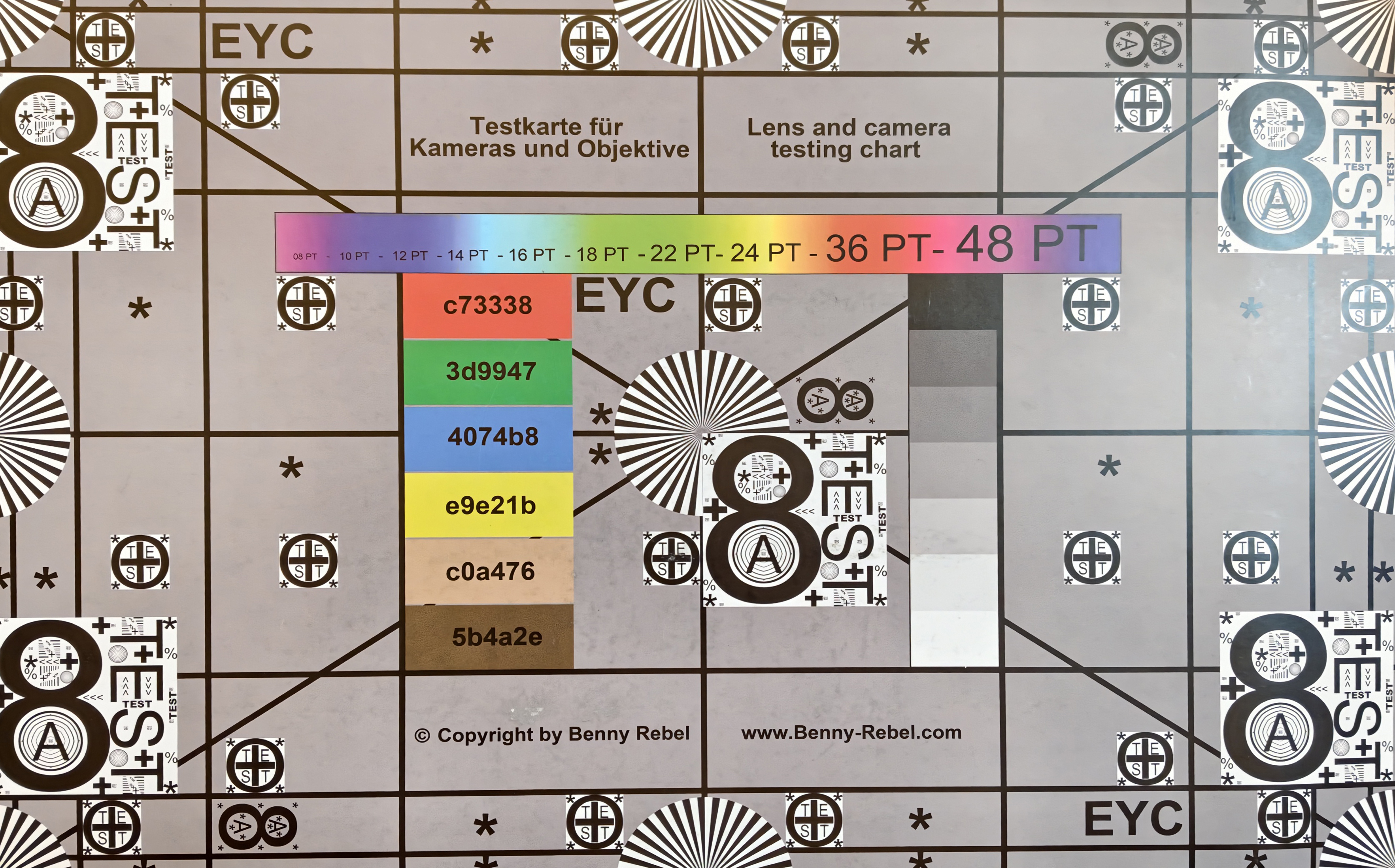
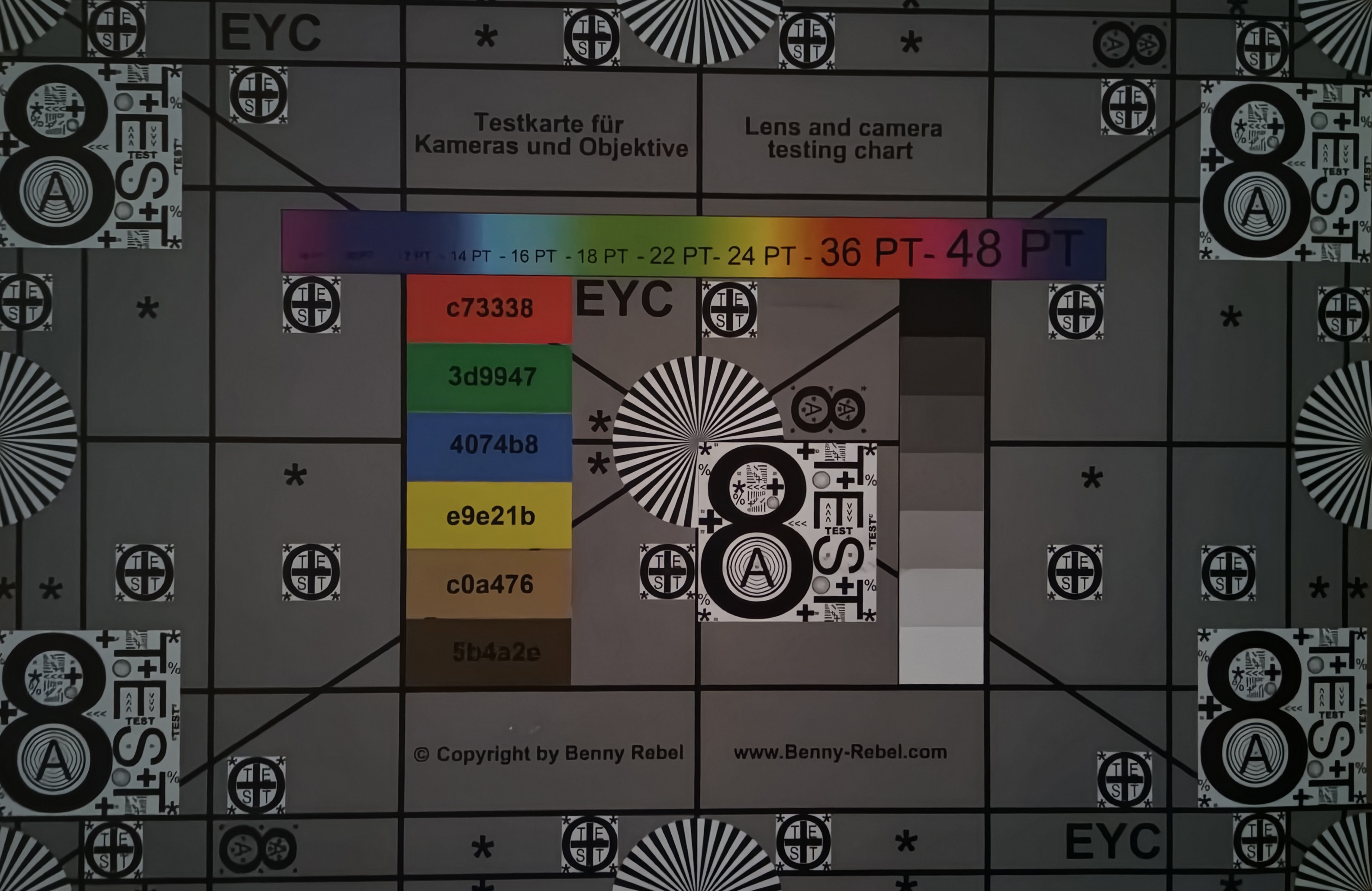
The 50 MP main camera, based on a 1/1.56-inch sensor and supported by optical image stabilisation, delivers sharp, high-contrast photos. Its very good dynamic range is also anything but a given for a gaming-focused smartphone. A look at the iQOO 15 Ultra's low-light photos compared with those of the iPhone 17 shows just how good Vivo's camera software has become.
Image comparison
Choose a scene and navigate within the first image. One click changes the position on touchscreens. One click on the zoomed-in image opens the original in a new window. The first image shows the scaled photograph of the test device.
HauptkameraHauptkameraLow LightUltraweitwinkel



















Display: Android phone with large OLED screen
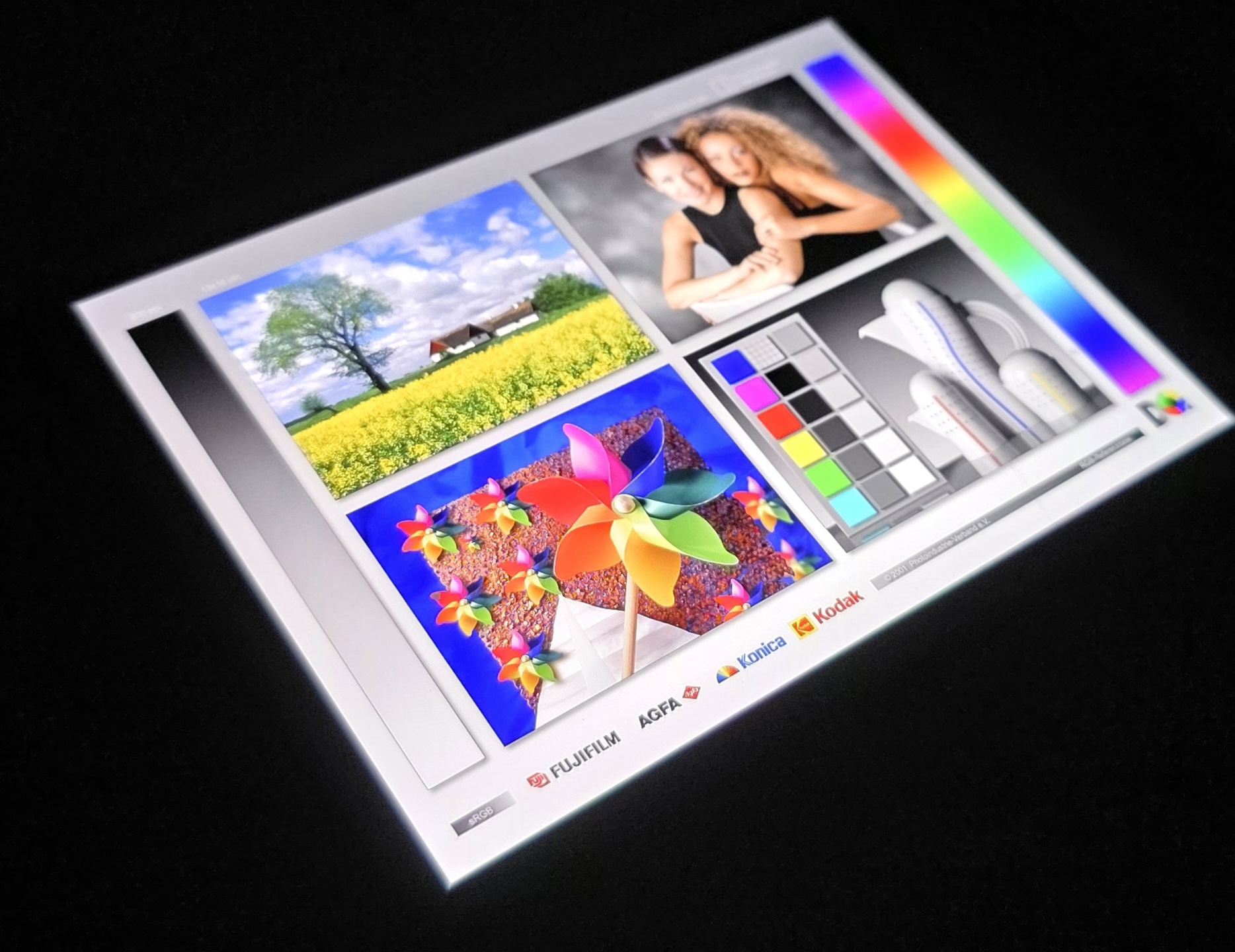
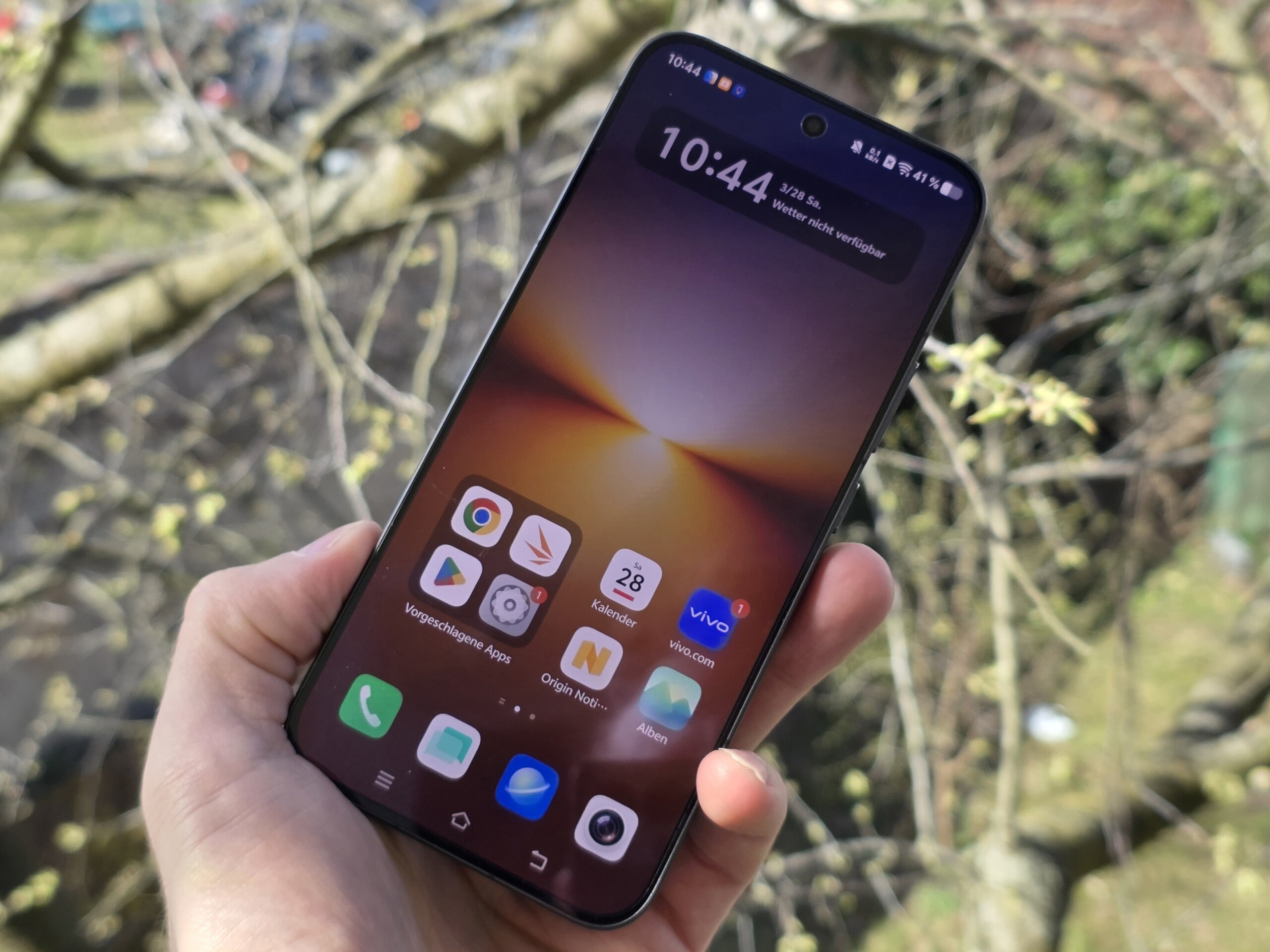
The 6.85-inch LTPO AMOLED panel operates at 144 Hz and, thanks to its high 1440p resolution, achieves a pixel density of more than 500 ppi. According to the manufacturer, the display can reach a peak brightness of 2,600 nits, although it fell slightly short of that in our APL18 measurement. Vivo also quotes an impressive 8,000 nits for HDR brightness.
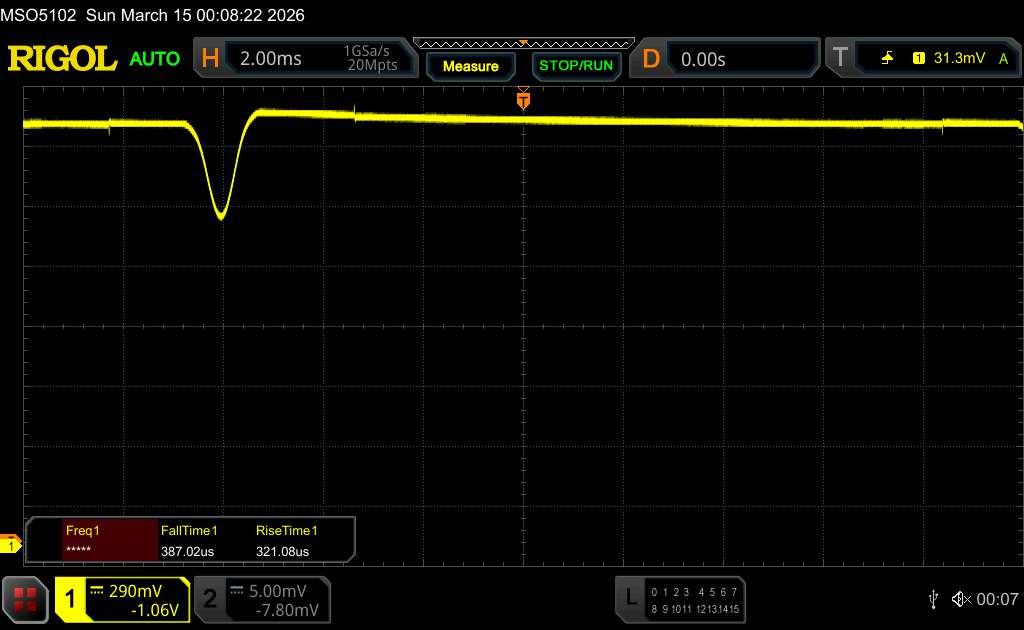
The iQOO 15 Ultra uses DC dimming at high brightness levels and PWM dimming at low brightness levels at 2,160 Hz in order to reduce the negative effects of OLED flickering. However, we measured a base frequency of just 120 Hz, meaning health issues caused by pulse-width modulation cannot be ruled out.
| |||||||||||||||||||||||||
Brightness Distribution: 95 %
Center on Battery: 1579 cd/m²
Contrast: ∞:1 (Black: 0 cd/m²)
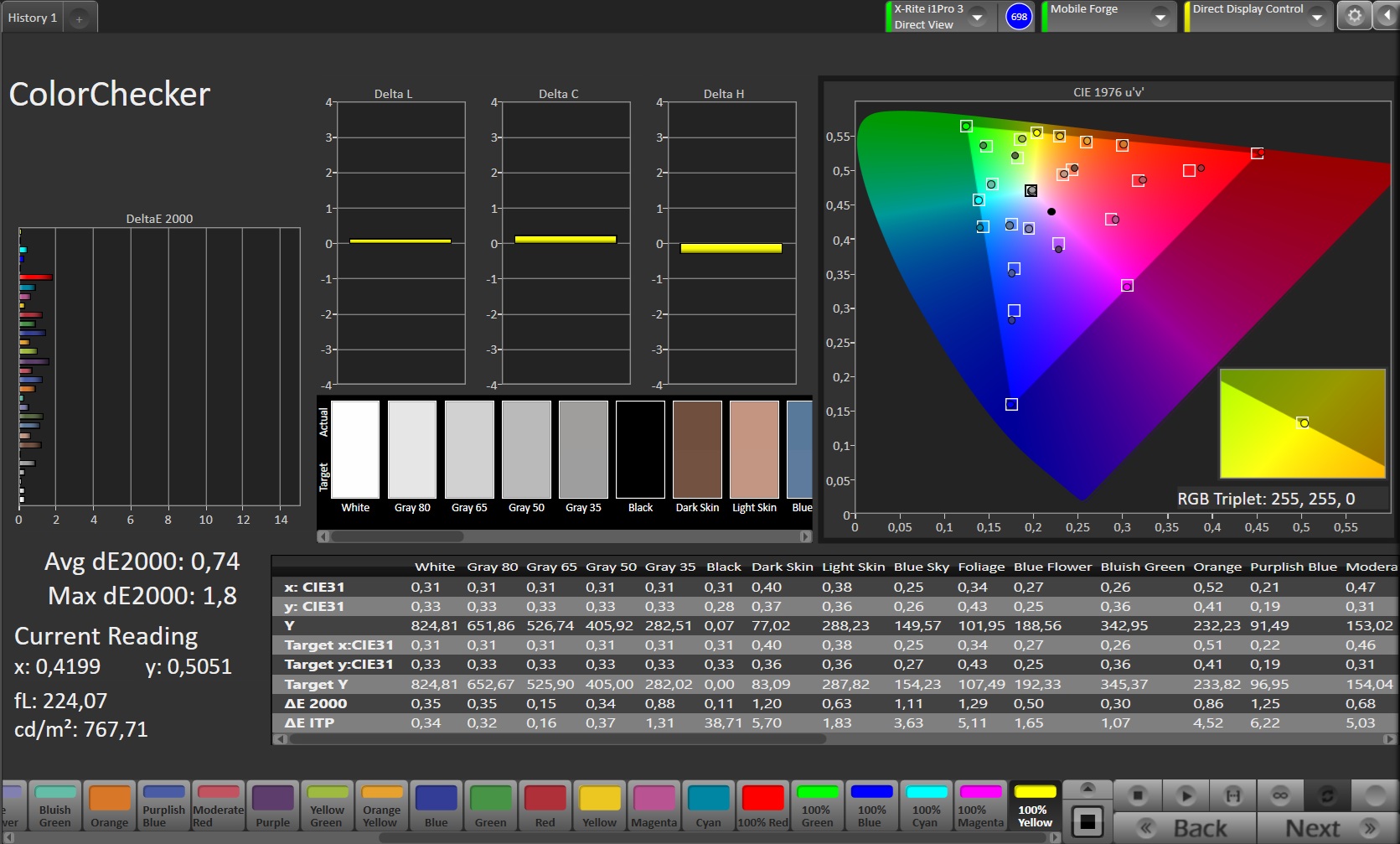
ΔE ColorChecker Calman: 0.74 | ∀{0.5-29.43 Ø4.69}
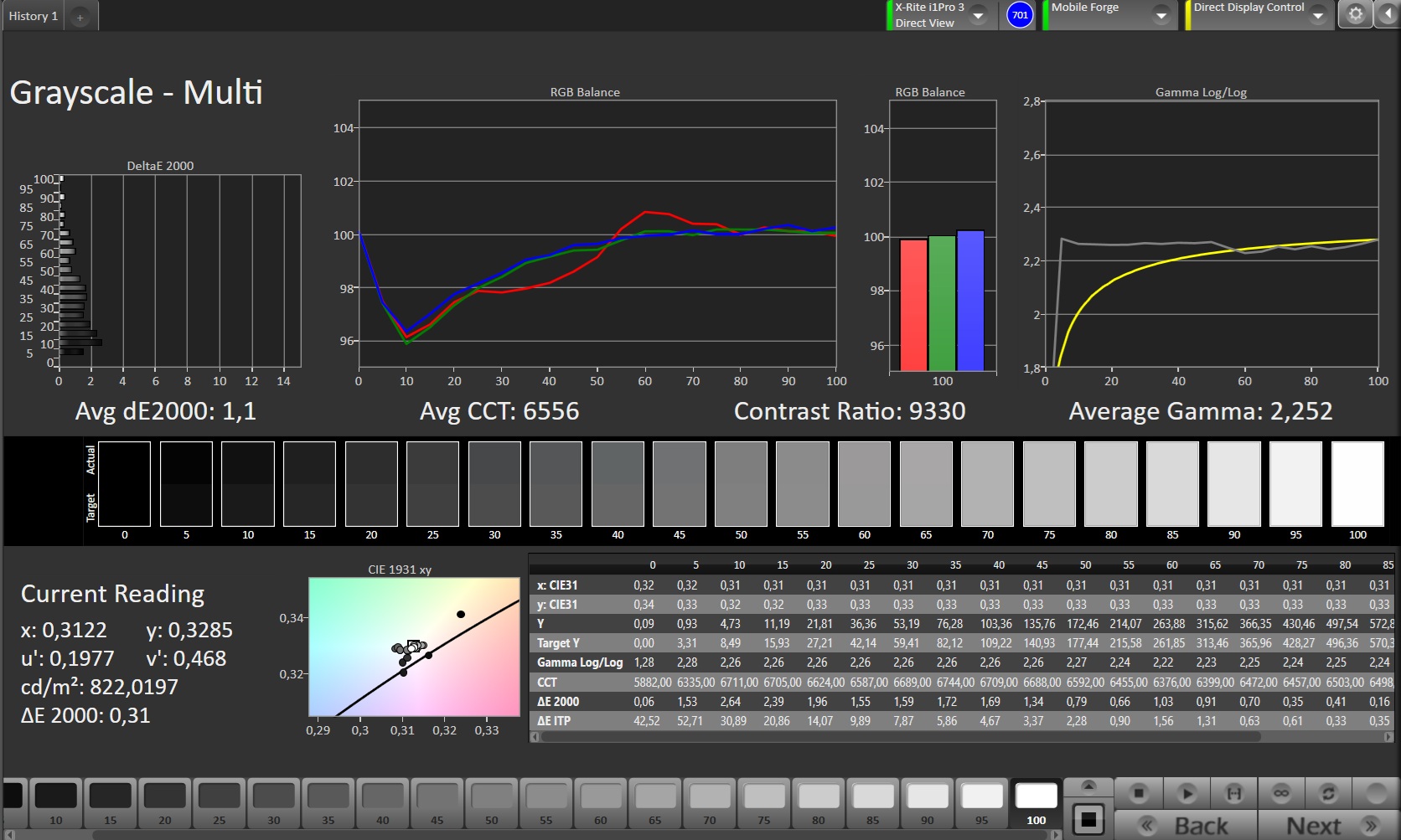
ΔE Greyscale Calman: 1.1 | ∀{0.09-98 Ø4.94}
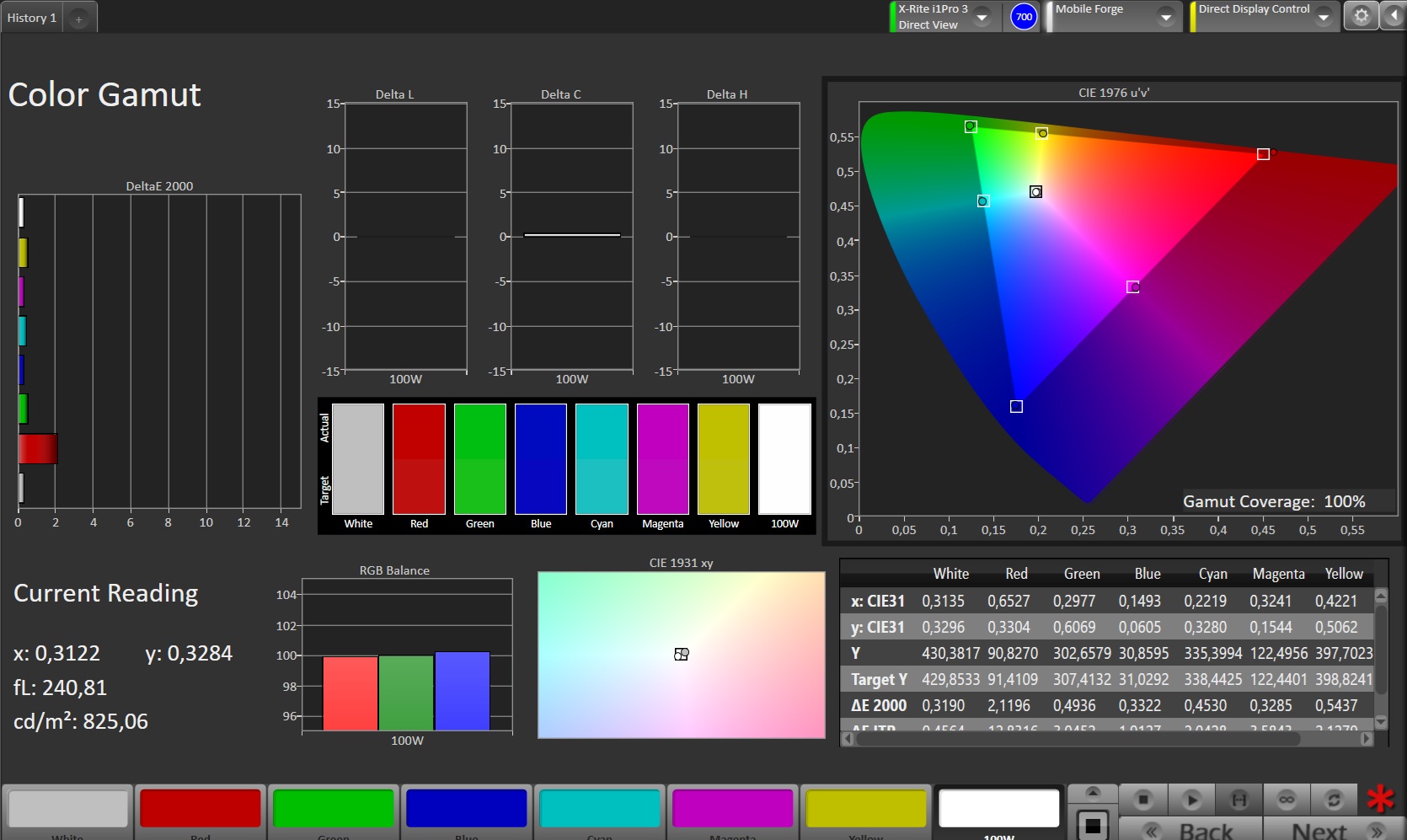
100% sRGB (Calman 2D)
Gamma: 2.252
CCT: 6556 K
| Vivo iQOO 15 Ultra OLED, 3168x1440, 6.9" | Realme GT 8 Pro AMOLED, 3136x1440, 6.8" | Xiaomi Poco F8 Ultra AMOLED, 2608x1200, 6.9" | Vivo iQOO 15 AMOLED, 3168x1440, 6.9" | |
|---|---|---|---|---|
| Screen | -28% | -32% | -56% | |
| Brightness middle (cd/m²) | 1579 | 1896 20% | 1771 12% | 1137 -28% |
| Brightness (cd/m²) | 1537 | 1891 23% | 1773 15% | 1113 -28% |
| Brightness Distribution (%) | 95 | 96 1% | 99 4% | 96 1% |
| Black Level * (cd/m²) | ||||
| Colorchecker dE 2000 * | 0.74 | 1.1 -49% | 1.3 -76% | 1.52 -105% |
| Colorchecker dE 2000 max. * | 1.8 | 3.1 -72% | 2.8 -56% | 3.05 -69% |
| Greyscale dE 2000 * | 1.1 | 2.1 -91% | 2.1 -91% | 2.3 -109% |
| Gamma | 2.252 98% | 2.19 100% | 2.25 98% | 2.265 97% |
| CCT | 6556 99% | 6594 99% | 6452 101% | 6560 99% |
* ... smaller is better
| Display / APL18 Peak Brightness | |
| Xiaomi Poco F8 Ultra | |
| Vivo iQOO 15 | |
| Realme GT 8 Pro | |
| Vivo iQOO 15 Ultra | |
| Display / HDR Peak Brightness | |
| Vivo iQOO 15 Ultra | |
| Xiaomi Poco F8 Ultra | |
| Realme GT 8 Pro | |
Screen Flickering / PWM (Pulse-Width Modulation)
| Screen flickering / PWM detected | 120 Hz Amplitude: 16 % | 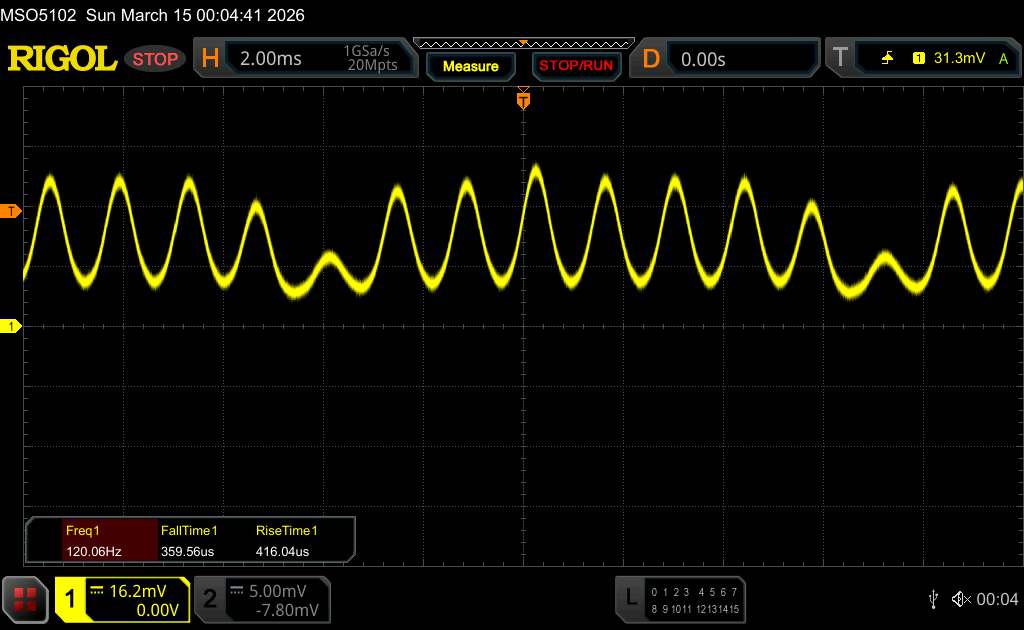 | |
The display backlight flickers at 120 Hz (worst case, e.g., utilizing PWM) . The frequency of 120 Hz is very low, so the flickering may cause eyestrain and headaches after extended use. In comparison: 52 % of all tested devices do not use PWM to dim the display. If PWM was detected, an average of 7622 (minimum: 5 - maximum: 343500) Hz was measured. | |||
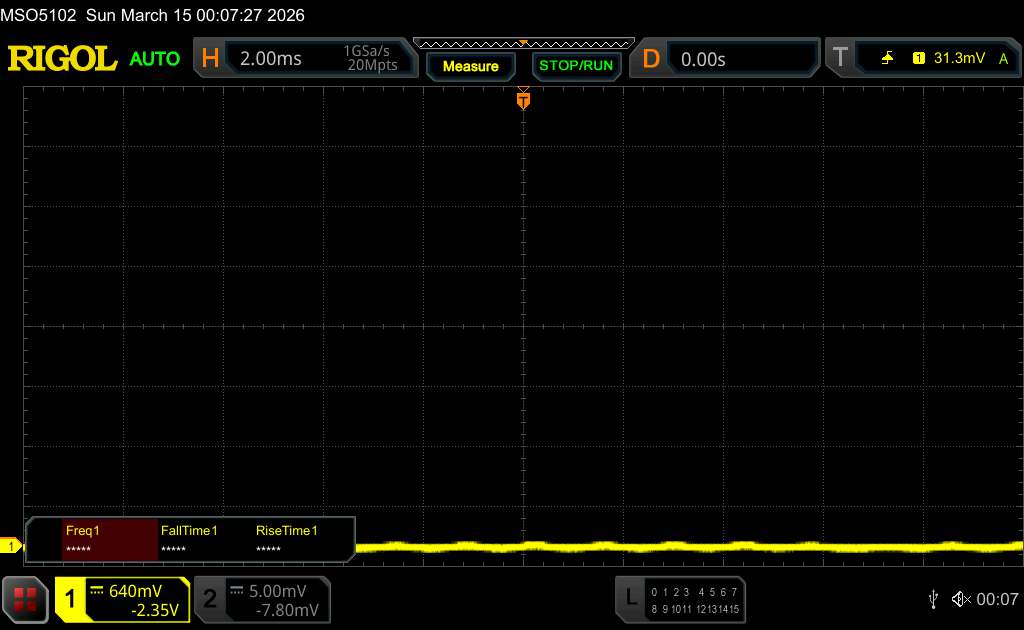
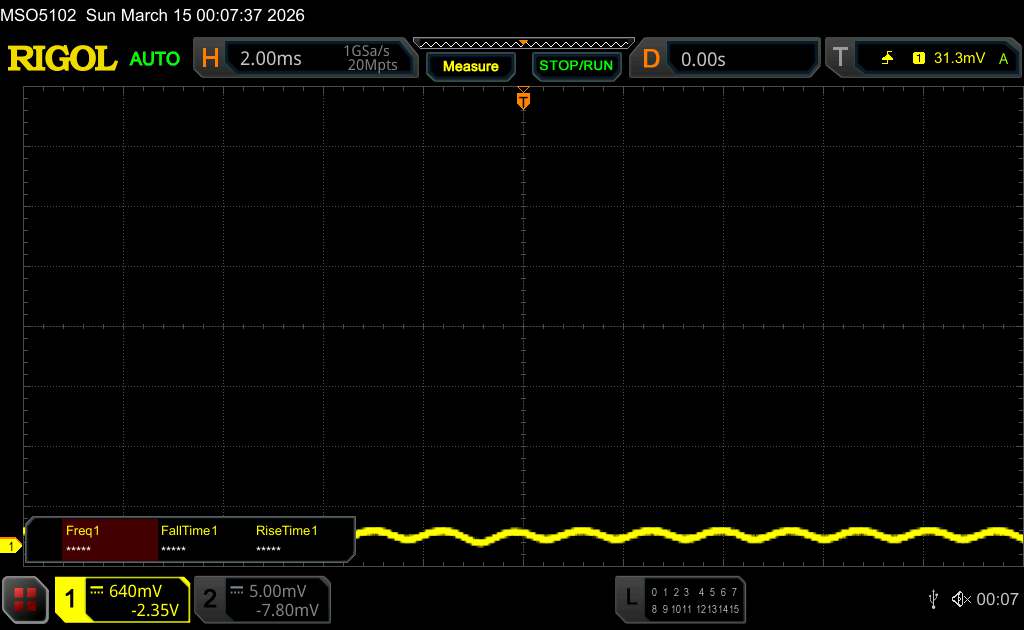
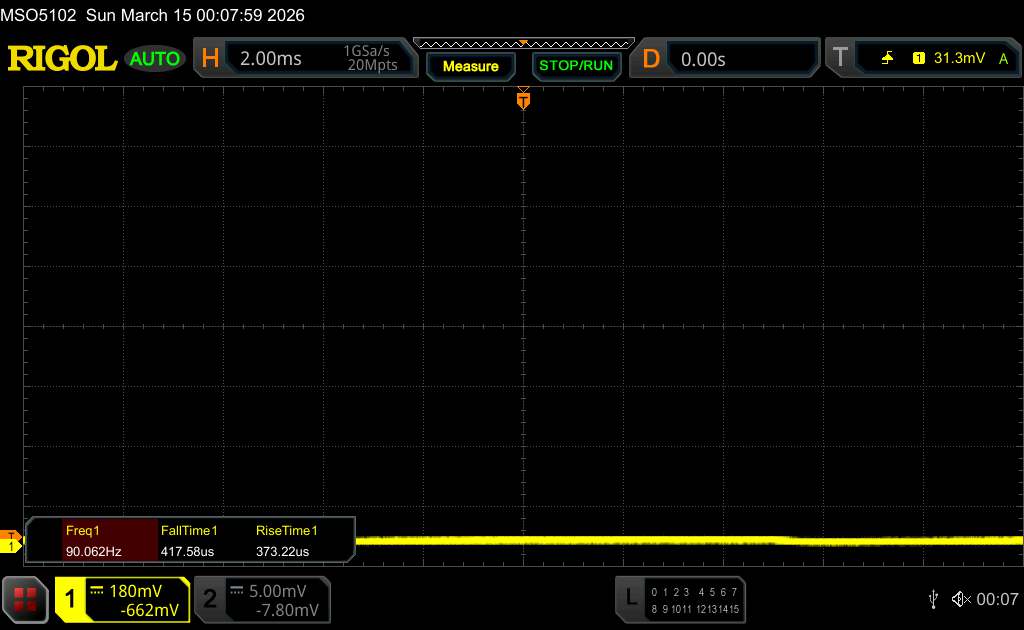
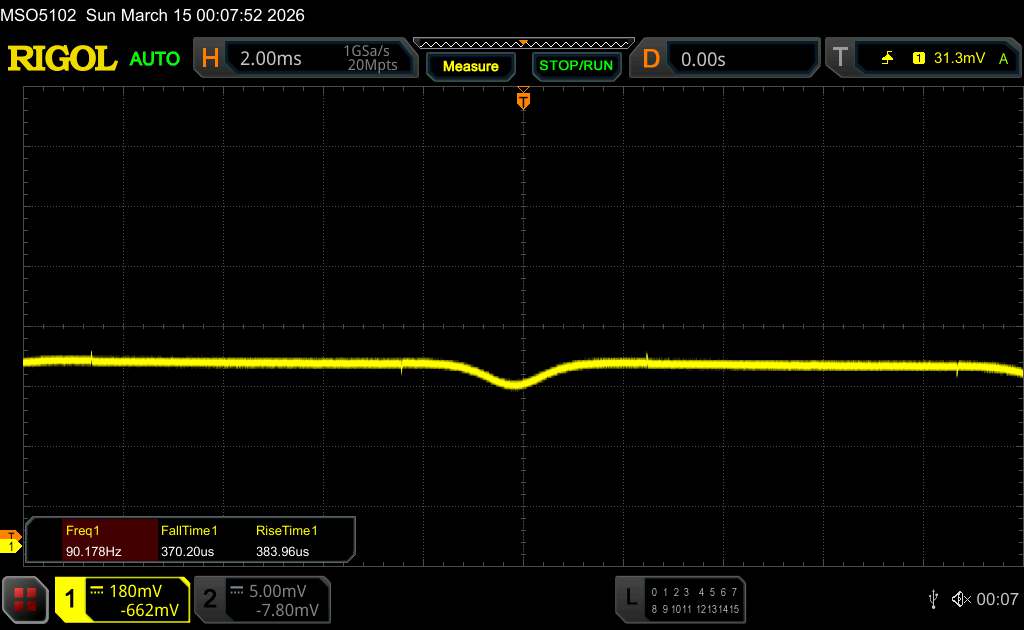
Measurement series with fixed zoom level and different brightness settings (The amplitude curve at minimum brightness looks flat, but this is due to the scaling. The info box shows the enlarged version of the amplitude at minimum brightness)
Display Response Times
| ↔ Response Time Black to White | ||
|---|---|---|
| 0.5 ms ... rise ↗ and fall ↘ combined | ↗ 0.3 ms rise | 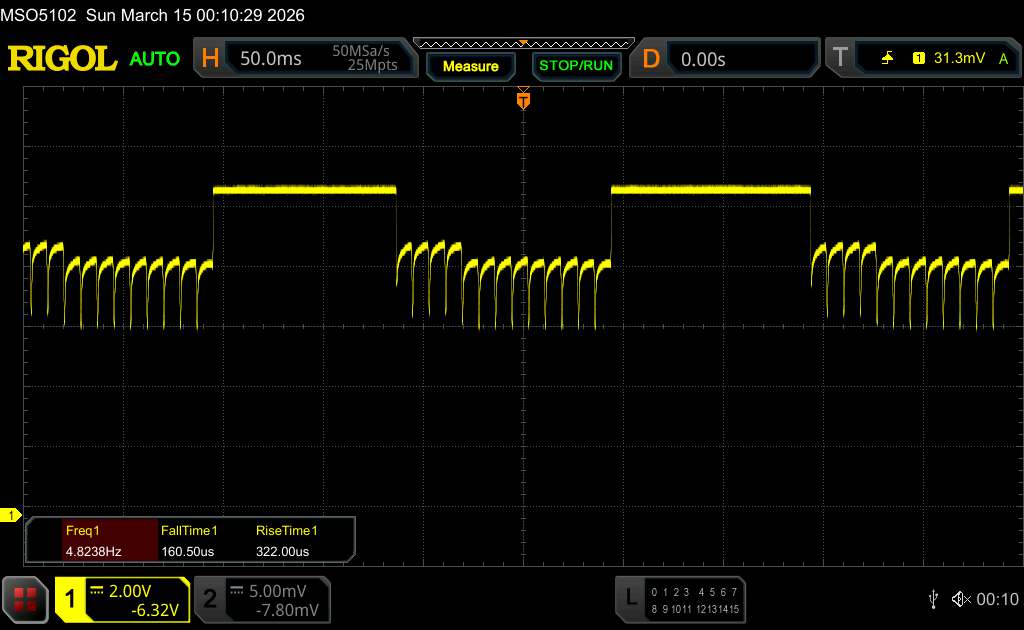 |
| ↘ 0.3 ms fall | ||
| The screen shows very fast response rates in our tests and should be very well suited for fast-paced gaming. In comparison, all tested devices range from 0.1 (minimum) to 240 (maximum) ms. » 1 % of all devices are better. This means that the measured response time is better than the average of all tested devices (19.7 ms). | ||
| ↔ Response Time 50% Grey to 80% Grey | ||
| 0.6 ms ... rise ↗ and fall ↘ combined | ↗ 0.2 ms rise | 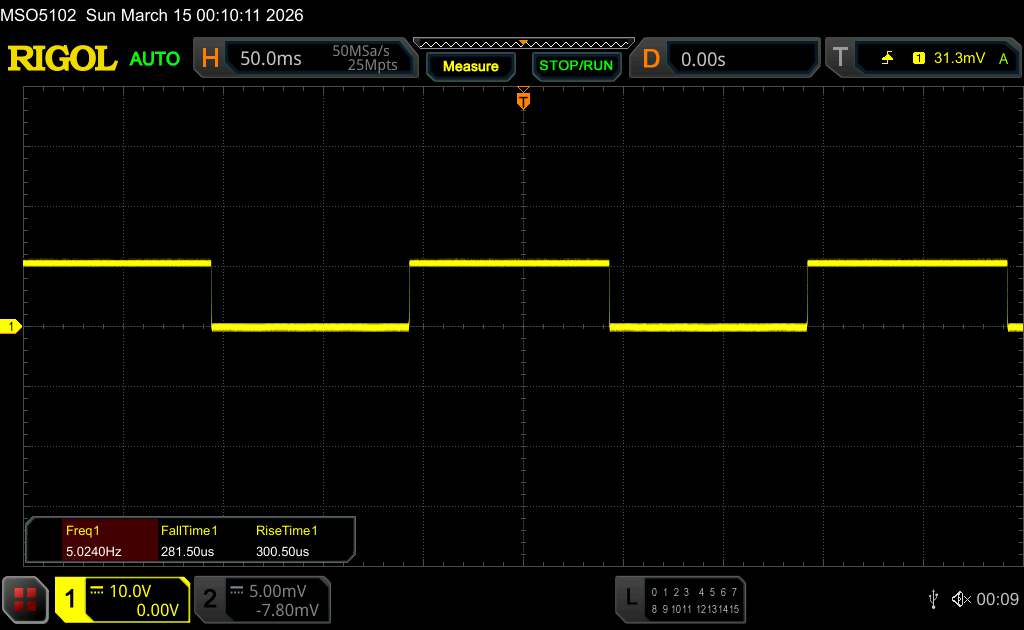 |
| ↘ 0.3 ms fall | ||
| The screen shows very fast response rates in our tests and should be very well suited for fast-paced gaming. In comparison, all tested devices range from 0.13 (minimum) to 636 (maximum) ms. » 2 % of all devices are better. This means that the measured response time is better than the average of all tested devices (30.7 ms). | ||
Performance, emissions and battery life: Vivo phone relies on Qualcomm's high-end SoC
The iQOO 15 Ultra is powered by the Snapdragon 8 Elite Gen 5, which can be cooled when needed by a 17 x 17 mm fan. This is intended to allow the flagship SoC to deliver its full potential even under sustained load. In everyday use, however, this works less well than expected.
In the 3DMark stress tests, the Ultra model does not deliver meaningfully better stability than its sibling model, although it is able to draw on more performance. The average rear surface temperature we measured under load, at more than 47 °C, is also significantly higher than that of the ROG Phone 9 Pro at 44.4 °C, despite the latter not featuring a fan. Active cooling in Vivo's smartphone is therefore not a game changer.
Aside from that, the iQOO 15 Ultra posts strong benchmark results, and it performs particularly well in GPU tests. In some cases, the Adreno 840 even sets new best marks.
The gaming phone packs a massive 7,400 mAh battery, which can be charged either via USB-C at up to 100 watts or wirelessly at 40 watts. In our Wi-Fi test, the iQOO 15 Ultra lasted for more than 28 hours, despite its 144 Hz display and 1440p resolution.
| Jetstream 2 - 2.2 Total | |
| Vivo iQOO 15 | |
| Vivo iQOO 15 Ultra | |
| Average Qualcomm Snapdragon 8 Elite Gen 5 (2 - 480, n=17) | |
| Realme GT 8 Pro | |
| Average of class Smartphone (2 - 480, n=103, last 2 years) | |
| Vivo iQOO 15 Ultra | Realme GT 8 Pro | Xiaomi Poco F8 Ultra | Vivo iQOO 15 | Average 1 TB UFS 4.1 Flash | Average of class Smartphone | |
|---|---|---|---|---|---|---|
| AndroBench 3-5 | 28% | 27% | -1% | 13% | -30% | |
| Sequential Read 256KB (MB/s) | 2789.45 | 4087.51 47% | 4064.33 46% | 2556.87 -8% | 3348 ? 20% | 2280 ? -18% |
| Sequential Write 256KB (MB/s) | 2983.12 | 3324.21 11% | 3987.65 34% | 2589.26 -13% | 3461 ? 16% | 1972 ? -34% |
| Random Read 4KB (MB/s) | 384.93 | 488.38 27% | 575.86 50% | 453.54 18% | 471 ? 22% | 317 ? -18% |
| Random Write 4KB (MB/s) | 695.47 | 871.05 25% | 551.82 -21% | 689.01 -1% | 662 ? -5% | 362 ? -48% |
(-) The maximum temperature on the upper side is 48.5 °C / 119 F, compared to the average of 35.4 °C / 96 F, ranging from 21.9 to 247 °C for the class Smartphone.
(-) The bottom heats up to a maximum of 52 °C / 126 F, compared to the average of 34.1 °C / 93 F
(+) In idle usage, the average temperature for the upper side is 25.3 °C / 78 F, compared to the device average of 33 °C / 91 F.
3DMark stress tests
| 3DMark | |
| Wild Life Stress Test Stability | |
| Vivo iQOO 15 Ultra | |
| Vivo iQOO 15 | |
| Realme GT 8 Pro | |
| Wild Life Extreme Stress Test | |
| Vivo iQOO 15 | |
| Realme GT 8 Pro | |
Vivo iQOO 15 Ultra audio analysis
(+) | speakers can play relatively loud (91.2 dB)
Bass 100 - 315 Hz
(±) | reduced bass - on average 13.2% lower than median
(±) | linearity of bass is average (10% delta to prev. frequency)
Mids 400 - 2000 Hz
(±) | reduced mids - on average 5.1% lower than median
(±) | linearity of mids is average (7% delta to prev. frequency)
Highs 2 - 16 kHz
(+) | balanced highs - only 3.6% away from median
(±) | linearity of highs is average (7.3% delta to prev. frequency)
Overall 100 - 16.000 Hz
(±) | linearity of overall sound is average (15.2% difference to median)
Compared to same class
» 3% of all tested devices in this class were better, 3% similar, 94% worse
» The best had a delta of 11%, average was 34%, worst was 136%
Compared to all devices tested
» 22% of all tested devices were better, 4% similar, 74% worse
» The best had a delta of 4%, average was 23%, worst was 136%
Vivo iQOO 15 audio analysis
(+) | speakers can play relatively loud (84.1 dB)
Bass 100 - 315 Hz
(-) | nearly no bass - on average 19.6% lower than median
(±) | linearity of bass is average (11.4% delta to prev. frequency)
Mids 400 - 2000 Hz
(±) | higher mids - on average 6.6% higher than median
(±) | linearity of mids is average (7.1% delta to prev. frequency)
Highs 2 - 16 kHz
(+) | balanced highs - only 3.5% away from median
(+) | highs are linear (6% delta to prev. frequency)
Overall 100 - 16.000 Hz
(±) | linearity of overall sound is average (17.7% difference to median)
Compared to same class
» 15% of all tested devices in this class were better, 8% similar, 77% worse
» The best had a delta of 11%, average was 34%, worst was 136%
Compared to all devices tested
» 36% of all tested devices were better, 8% similar, 56% worse
» The best had a delta of 4%, average was 23%, worst was 136%
| Vivo iQOO 15 Ultra 7400 mAh | Realme GT 8 Pro 7000 mAh | Xiaomi Poco F8 Ultra 6500 mAh | Vivo iQOO 15 7000 mAh | |
|---|---|---|---|---|
| Battery runtime | ||||
| WiFi v1.3 (h) | 28.2 | 23.4 -17% | 21.9 -22% | 23.7 -16% |
Notebookcheck overall rating
Even without the fan, Vivo's Ultra phone is a smartphone with many strengths and remains affordable even with 24 GB of RAM and 1 TB of storage, although it is only available as an import.

Vivo iQOO 15 Ultra
- 03/30/2026 v8
Marcus Herbrich
 Total Sustainability Score:
 Possible alternatives at a glance
Image | Model / Review | Price | Weight | Drive | Display |
|---|---|---|---|---|---|
1. 89.6%  | Vivo iQOO 15 Ultra Qualcomm Snapdragon 8 Elite Gen 5 ⎘ Qualcomm Adreno 840 ⎘ 16 GB Memory, 1024 GB UFS 4.x | Amazon: 1. $13.80 ShouBao Compatible with iQOO... 2. $11.99 Ibywind for vivo iQOO 15 Ult... 3. $13.80 Kukoufey Compatible with Viv... List Price: 800€ | 227 g | 1 TB UFS 4.1 Flash | 6.85" 3168x1440 508 PPI OLED |
2. 84.1% 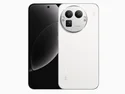 | Realme GT 8 Pro Qualcomm Snapdragon 8 Elite Gen 5 ⎘ Qualcomm Adreno 840 ⎘ 12 GB Memory, 256 GB UFS 4.x | List Price: 1000€ | 214 g | 256 GB UFS 4.1 Flash | 6.79" 3136x1440 508 PPI AMOLED |
3. 88.2%  | Xiaomi Poco F8 Ultra Qualcomm Snapdragon 8 Elite Gen 5 ⎘ Qualcomm Adreno 840 ⎘ 16 GB Memory, 512 GB UFS 4.x | List Price: 900€ | 220 g | 512 GB UFS 4.1 Flash | 6.90" 2608x1200 416 PPI AMOLED |
4. 88.6%  | Vivo iQOO 15 Qualcomm Snapdragon 8 Elite Gen 5 ⎘ Qualcomm Adreno 840 ⎘ 12 GB Memory, 512 GB UFS 4.x | Amazon: 1. $10.79 Ibywind for vivo iQOO 15 5G ... 2. $895.01 Sony Xperia 1 Unlocked Smart... 3. $13.80 ShouBao Compatible with iQOO... List Price: 580€ | 215 g | 512 GB UFS 4.1 Flash | 6.85" 3168x1440 508 PPI AMOLED |
Transparency
The selection of devices to be reviewed is made by our editorial team. The test sample was provided to the author as a loan by the manufacturer or retailer for the purpose of this review. The lender had no influence on this review, nor did the manufacturer receive a copy of this review before publication. There was no obligation to publish this review. As an independent media company, Notebookcheck is not subjected to the authority of manufacturers, retailers or publishers.
This is how Notebookcheck is testing
Every year, Notebookcheck independently reviews hundreds of laptops and smartphones using standardized procedures to ensure that all results are comparable. We have continuously developed our test methods for around 20 years and set industry standards in the process. In our test labs, high-quality measuring equipment is utilized by experienced technicians and editors. These tests involve a multi-stage validation process. Our complex rating system is based on hundreds of well-founded measurements and benchmarks, which maintains objectivity. Further information on our test methods can be found here.
 Add as a preferred source on Google


