




$5,100 MSI RTX 5090 Lightning Z saved by repair expert after DIY soldering fluke left it unbootable
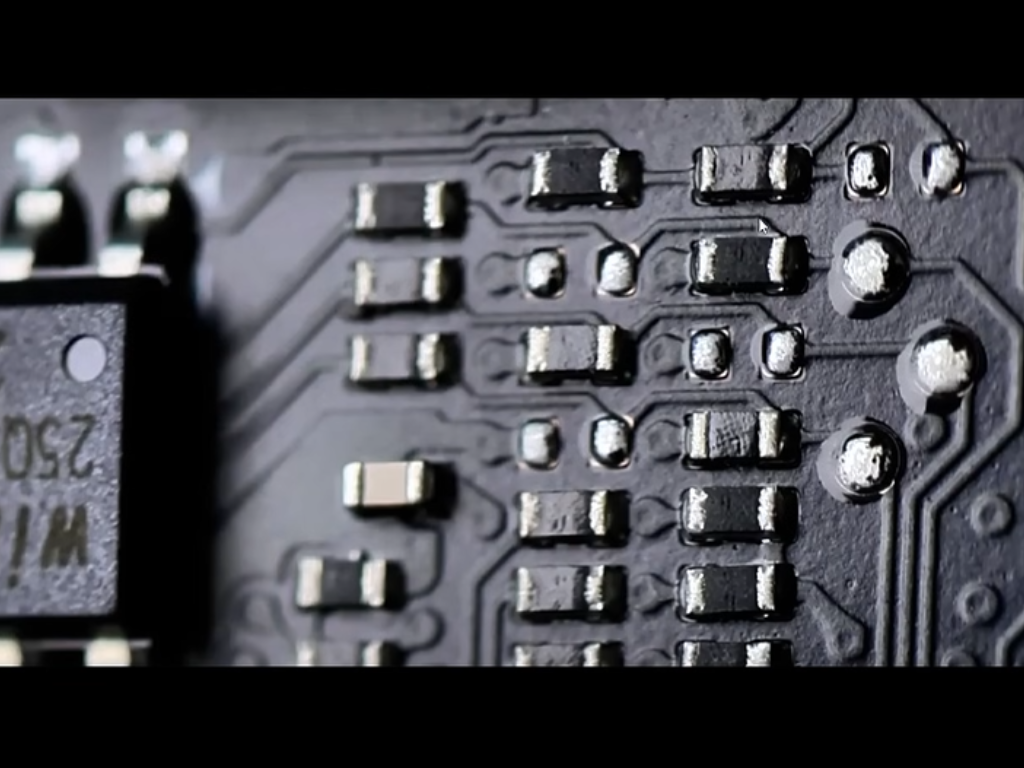
In recent news, the owner of a rare MSI GeForce RTX 5090 Lightning Z GPU decided to put his DIY resistor-modding skills to a rather expensive test, only to end up damaging his $5,000 graphics card. However, electronics repair specialist NorthridgeFix came to the rescue, successfully attempting a fix on the the card and getting the GPU to POST.
For context, the MSI RTX 5090 Lightning Z is a top-tier GPU priced at $5,100 (retail) and with a limited run of only 1,300 units. After a tinkering incident, the owner of the flagship RTX 5090 brought his damaged GPU to an expert repair shop in California.
The card had torn-up thermal pads, missing components, and PCB traces ripped straight through right next to the GB202 GPU die. The GPU was dead at this point, as the owner’s attempt at hard-modding and overclocking the card left him with a valuable lesson: some feats are best left to the pros.
The owner in question had decided to “practice” his soldering skills directly on the RTX 5090, presumably hoping to add a resistor that would let him flash MSI’s tightly restricted Extreme Overclocking (XOC) BIOS onto the retail Lightning Z model.
The owner sent a handwritten note to NorthridgeFix and admitted his mistakes. The letter read, “I wanted to learn how to solder tiny 0402 resistors and was practicing on my GPU. I ended up ripping one of the pads, and now the GPU will not POST. I’d like to repair the pad/trace and realign the resistors.”
NorthridgeFix: “I’m Speechless” over rare MSI RTX 5090 Lightning Z practice soldering gaffe
The reaction was written all over the NorthridgeFix' host and owner, Alex, who said about the unnamed customer: “He tried to ‘learn soldering’ on an extremely rare MSI 5090 Lightning Z GPU, of which only 1,300 units were made worldwide… I’m speechless.”
The whole repair process seemed tricky, given the fact that no donor boards or schematics are available for this limited-edition RTX 5090 GPU. Alex used a microscope to realign and fix the damaged traces and to replace the missing resistors.
He double-checked every connection in the vicinity of the GPU die. This wasn’t an easy fix, as NorthridgeFix documented the whole process in three separate, painstaking videos, spanning from the initial diagnosis to final voltage testing and, finally, to getting the GPU to POST.
Miraculously, and thanks to NorthridgeFix, the GPU came back to life and passed all basic checks in a third video. However, for now, the card still needs its original shroud and cooler for the owner to fully assemble it and run proper stress tests.
Source(s)
 Add as a preferred source on Google


