




Zelda: Ocarina of Time remake trailer runs at 1440p/60fps, suggesting no open-world
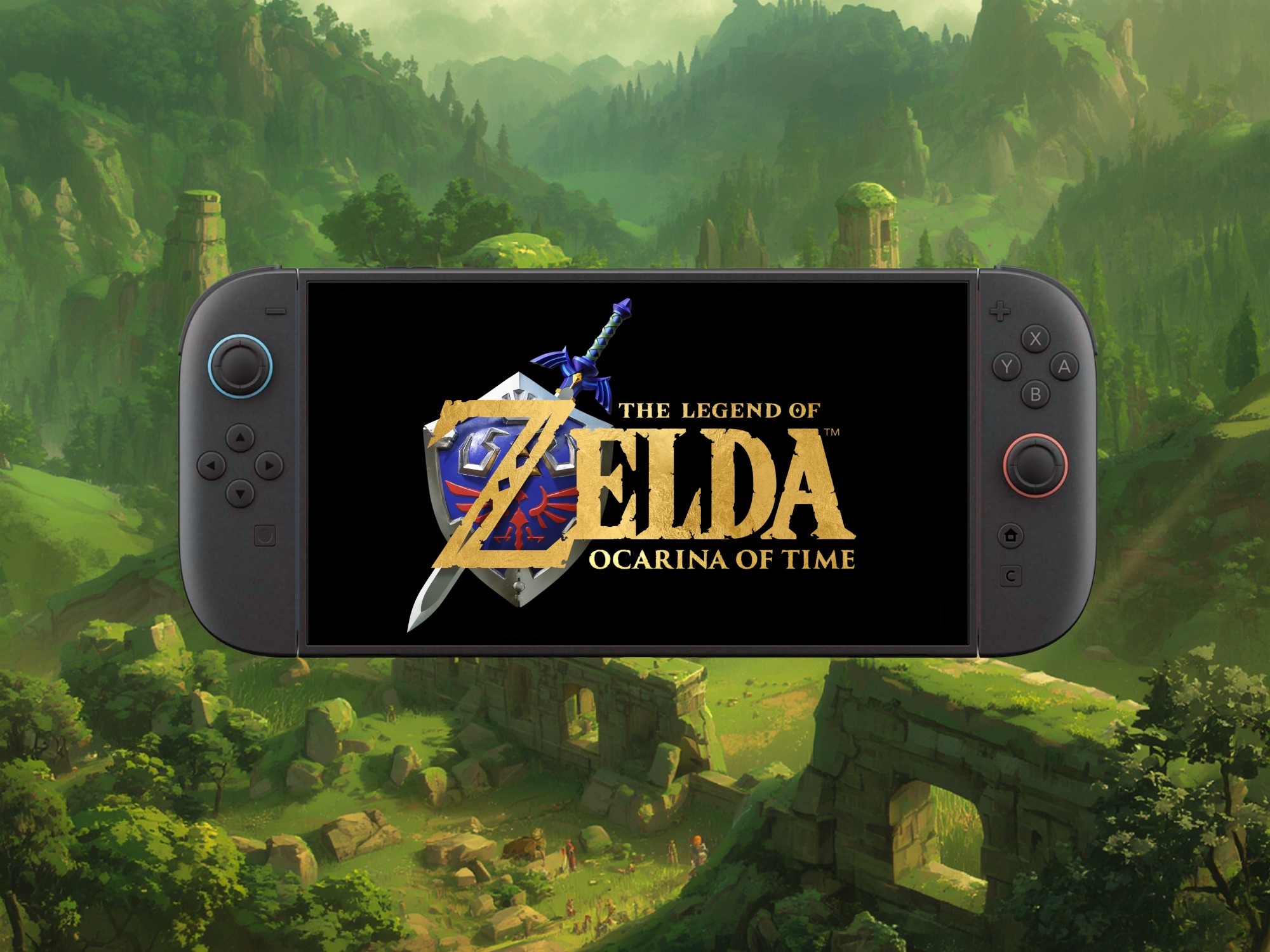
The Legend of Zelda: Ocarina of Time remake trailer left viewers wanting more. Despite a 2026 release date, it’s unclear how many risks Nintendo will take with the Switch 2 game. However, Digital Foundry has found evidence that may point to a 1:1 retelling of the N64 classic.
What performance is Nintendo targeting?
Digital Foundry extracts a surprising amount of information from short videos. In the Nintendo Direct teaser, a slumbering Link briefly appears with a glowing Triforce symbol on his hand. The site believes gamers are seeing in-game real-time footage. As a result, it could reflect the performance buyers can expect in the final build.
The analysis reveals that the footage is rendered at approximately 1440p/60 fps, with no signs of DLSS. That’s a clue that the Zelda: Ocarina of Time remake is an internally developed first-party Switch 2 game. While partners like Capcom have relied on the upscaling technology, Nintendo has largely avoided it.
Ahead of its potential holiday release date, fans are debating how the gaming giant will modernize the 1998 title. An open-world reinterpretation may never have been likely, but it seems far-fetched now. At the trailer’s frame rate and resolution and lacking DLSS, the experience would tax the console.
Switch 2 handheld limitations
Using Donkey Kong Bananza as an example, its open-world environments display at up to 1200p/60 fps in docked mode. The developers also couldn’t avoid occasional stuttering. If players have more freedom to explore Hyrule, the Ocarina of Time remake would struggle to achieve superior performance.
Based on the handling of favorites like Star Fox, Digital Foundry anticipates a less risky recreation. A recent Google search metadata leak hinted at a safer approach. Before the publisher edited the description, it included phrases such as “timeless gameplay”.
Even if gameplay is familiar, the Nintendo Direct trailer signals major graphical upgrades. Building on the 2011 3DS entry, quality-of-life improvements can also make the popular Zelda game less frustrating for Switch 2 owners.
Source(s)
 Add as a preferred source on Google


