




Xiaomi’s crazy update policy: A two-tier system for the affordable Redmi tablet

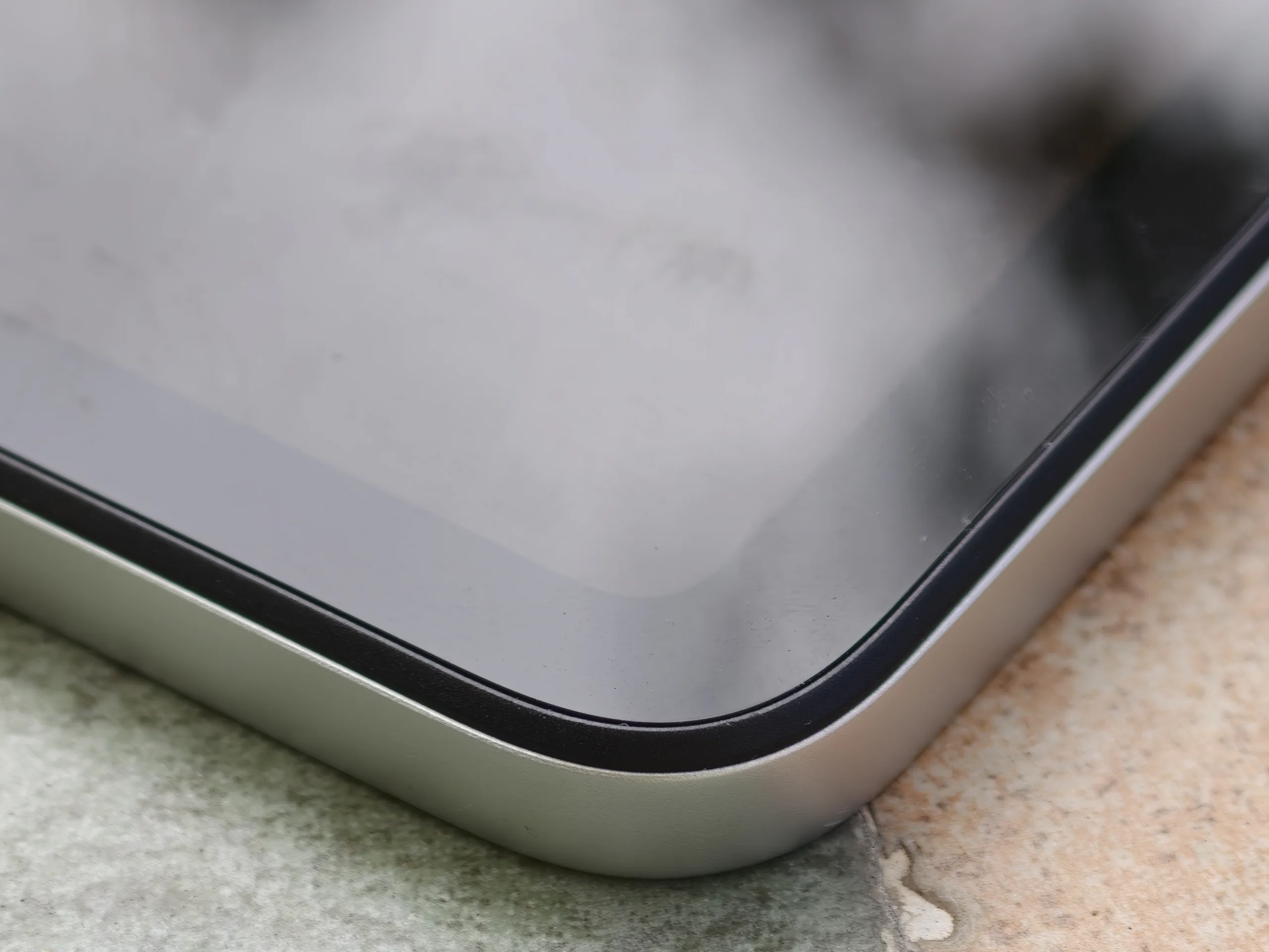
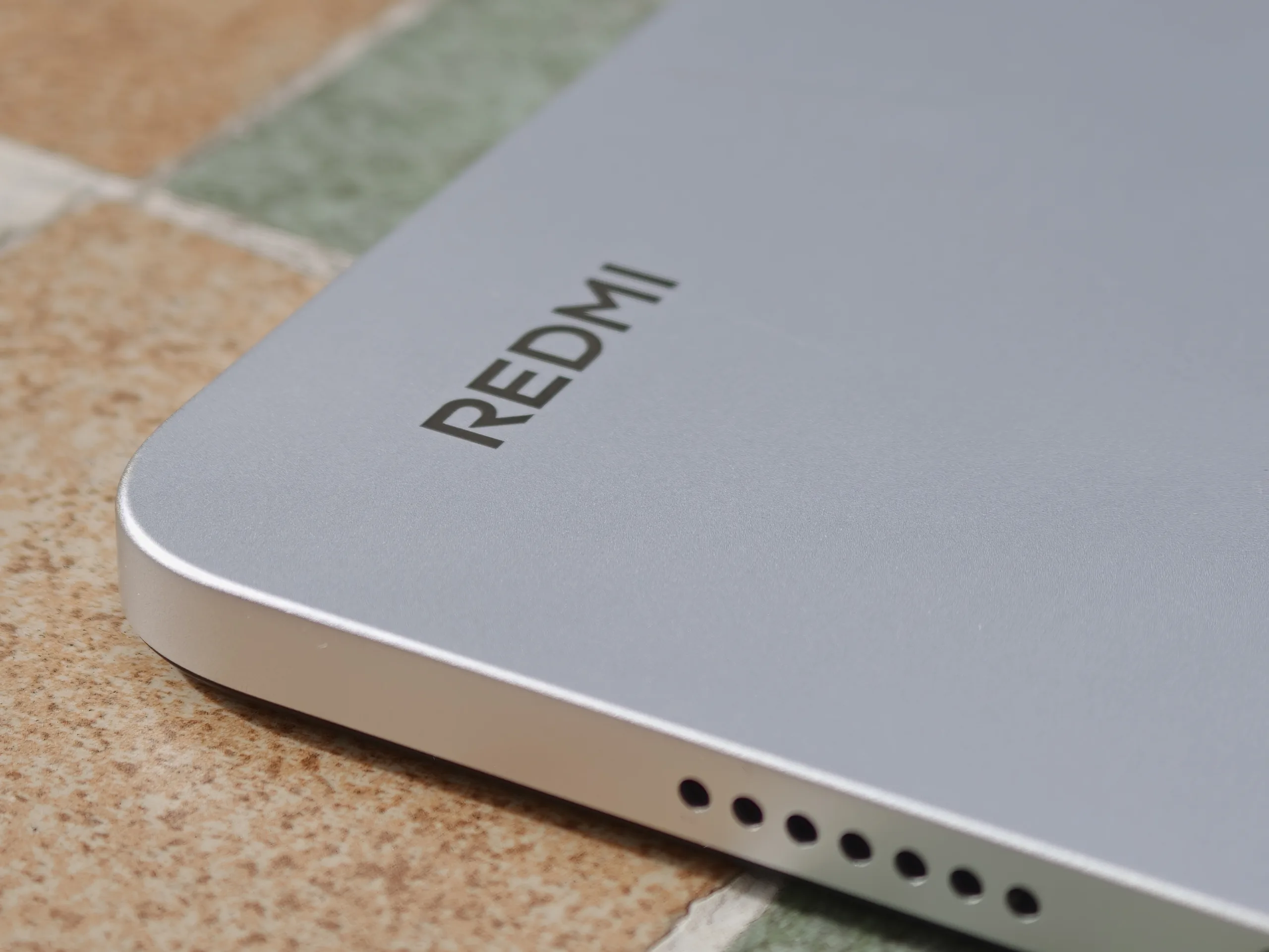
In our review, the Redmi Pad 2 9.7 certainly feels like a mid-range tablet despite its bargain price (starting at around $160, available on Amazon.com), provided performance isn’t the top priority. When it comes to software updates, Xiaomi’s budget tablet is right up there with the best - though only in the Wi-Fi version.
Anyone who carefully reads the official update database of the Xiaomi Security Center will notice a surprising imbalance in update support for the Redmi Pad 2 9.7 series. While the 4G version of the Redmi Pad 2 9.7 has a specific end-of-life date of April 2029, the Wi-Fi version comes with a significantly longer update guarantee extending through April 2033. According to Xiaomi, the more affordable Redmi model will even receive Android 21, while the LTE version will likely stop at Android 18.
Affordable Android tablet with long-term updates through Android 21, but not for all model variants
The discrepancy between the two model variants in terms of software updates raises questions. Anyone who buys a budget tablet with SIM card support from Xiaomi ends up paying twice, first through the higher purchase price and later because of limited software updates and a shorter lifespan.
The LTE version of the Redmi Pad 2 9.7 may be at a disadvantage because of the costs associated with carrier certification. Xiaomi cannot roll out a software update for a 4G tablet directly to all users via its own servers; instead, new firmware for the mobile modem must first undergo certification by network operators such as Vodafone or t mobile.
Sales figures are also likely to play a role. In the tablet market, the majority of buyers probably opt for the more affordable Wi-Fi version. Since 4G models sell in significantly lower numbers, the financial investment in software development is simply not worthwhile from the manufacturer’s perspective.
You can find all test data and information about the Redmi Pad 2 9.7 in our review.
Source(s)
Redmi Pad 2 9.7 Review
 Add as a preferred source on Google


No comments for this article
