




Upcoming Xiaomi XRing O2 chipset to miss out on 2nm process
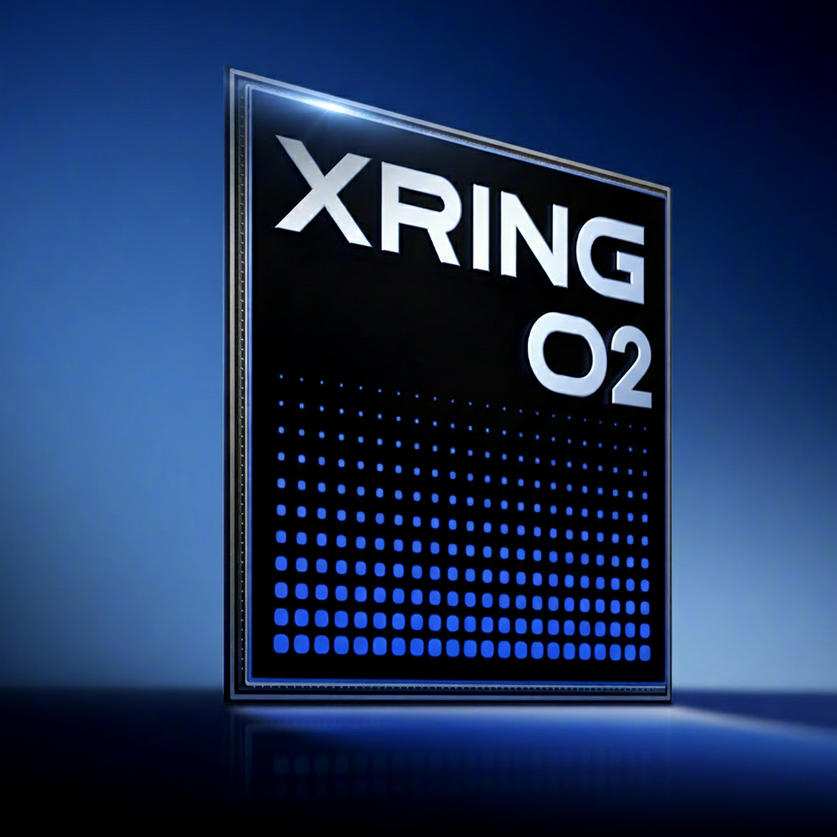
Xiaomi released the XRing O1 chipset last year as its attempt at delivering a proper flagship SoC to rival Apple's A18 and Qualcomm's Snapdragon 8 Elite. The company is working on a direct successor, expected to be branded as the XRing O2, and a new report has now revealed some early information on what to expect from it.
As shared by Chinese outlet Cailian Press, it appears Xiaomi's XRing O2 could be built on a 3nm node, and not a 2nm one as some may have expected. Specifically, the upcoming chipset has been touted to be built on TSMC's N3P process. Last year's SoC was built on TSMC's N3E process, so this would be an upgrade regardless, and ensures parity with the Snapdragon 8 Elite Gen 5 and A19 Pro in that aspect at least.
While that may disappoint some fans—the Exynos 2600, in contrast, is expected to launch shortly and is built on a 2nm process—development timelines effectively ensure that the XRing O2 cannot be built on the TSMC 2nm node expected to underpin next-gen flagship chipsets from Qualcomm and Apple.
Finally, the source claims Xiaomi plans to diversify its implementation of the chipset. The XRing O1 was only used on the Xiaomi 15S Pro, Xiaomi Pad 7 Ultra, and Xiaomi Pad 7S Pro, but its successor is expected to be used across Xiaomi's ecosystem, including on cars and PCs.
Source(s)
 Add as a preferred source on Google


