




The memory crisis hits Nvidia: AI server prices are set to rise by more than 15%
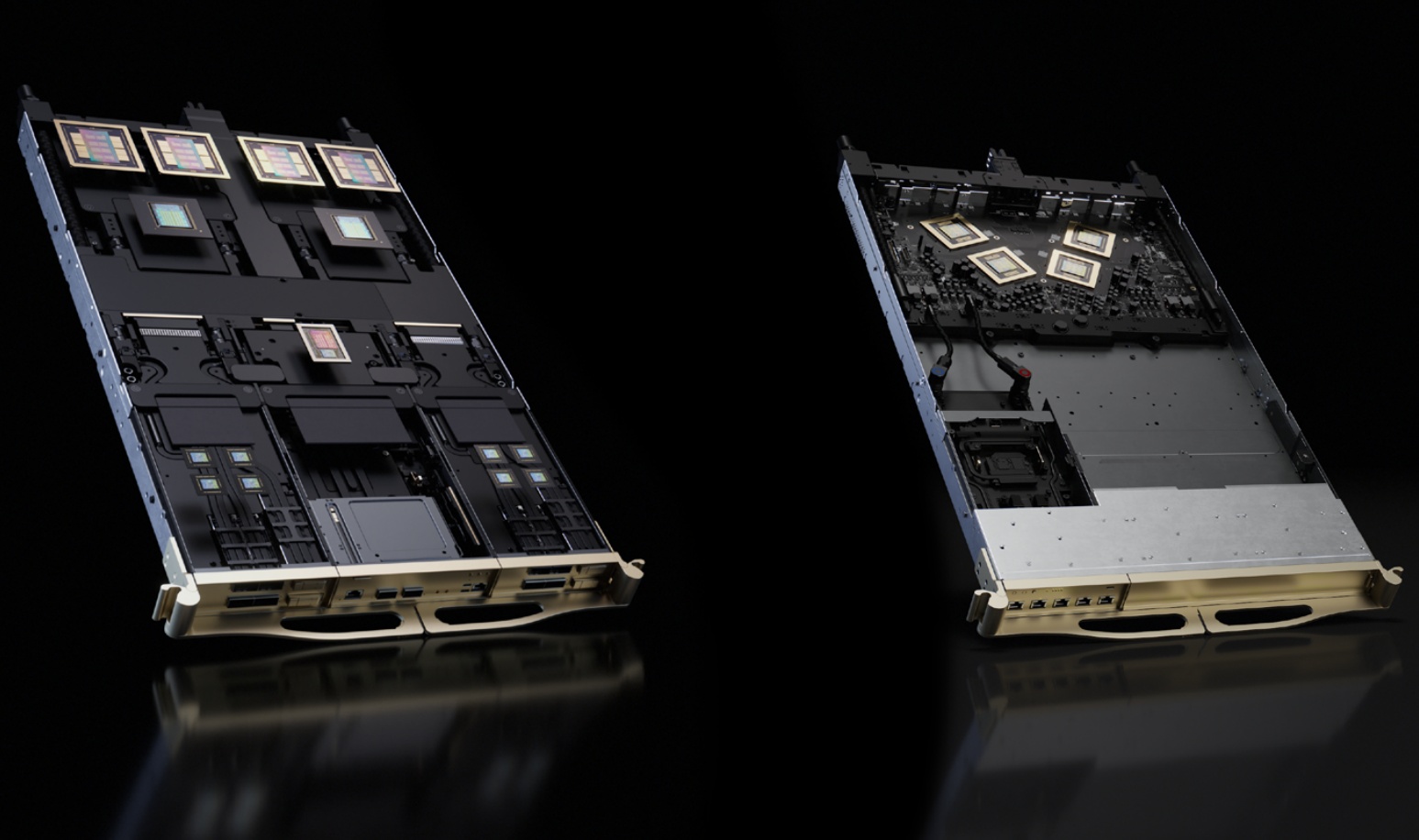
Nvidia has warned some of its largest customers that prices for servers with its AI chips will rise by more than 15 % in many cases. The increases are being driven largely by memory prices as demand for AI infrastructure continues to outpace supply.
Several of Nvidia’s biggest customers have already been told about the upcoming increases, according to people familiar with the matter cited by Bloomberg. The higher prices will affect servers built with different generations of Nvidia AI chips, including the company’s latest Vera Rubin and Grace Blackwell systems. The exact increase will depend on the accelerator generation and the amount of memory in each configuration. The new prices are expected to take effect for systems shipped early next year.
The notifications are being sent by contract manufacturers that build servers for major data center operators. Microsoft, Google and Oracle are among the companies that could face higher costs as they continue to expand their AI infrastructure.
The situation highlights the ongoing crisis in the memory market. Samsung, SK hynix and Micron account for most of the world’s DRAM production, but their output has struggled to keep pace with rapidly rising demand from AI data centers. As a result, memory prices have climbed sharply. Since the performance of Nvidia’s AI accelerators depends heavily on the amount of DRAM, higher memory costs have a direct impact on the price of complete server systems.
AI data center projects are already facing delays, worker shortages, tighter financing conditions and opposition from local communities. More expensive servers could make some of those projects harder to justify or force companies to adjust their plans.
The latest price increase could also make it more attractive for companies building large AI data centers to develop their own AI chips. Amazon, Microsoft, Google and Meta are all working on in-house accelerators, although they still rely heavily on Nvidia hardware for their current data center projects.
The price increases also show that even the biggest technology companies cannot absorb rising memory costs indefinitely. Apple and Qualcomm have already acknowledged that higher chip costs are forcing them to raise prices, and Nvidia now appears to be facing the same pressure. Even when companies do not announce such increases publicly, some of the extra costs are ultimately passed on to customers.
Additionally, Nvidia’s gaming graphics cards have also been affected. Recent reports indicated that prices for the company’s gaming GPUs had increased at retailers around the world.
Source(s)
 Add as a preferred source on Google


