




Nvidia's RTX 50 Super GPUs are allegedly collecting dust due to sky-high memory prices
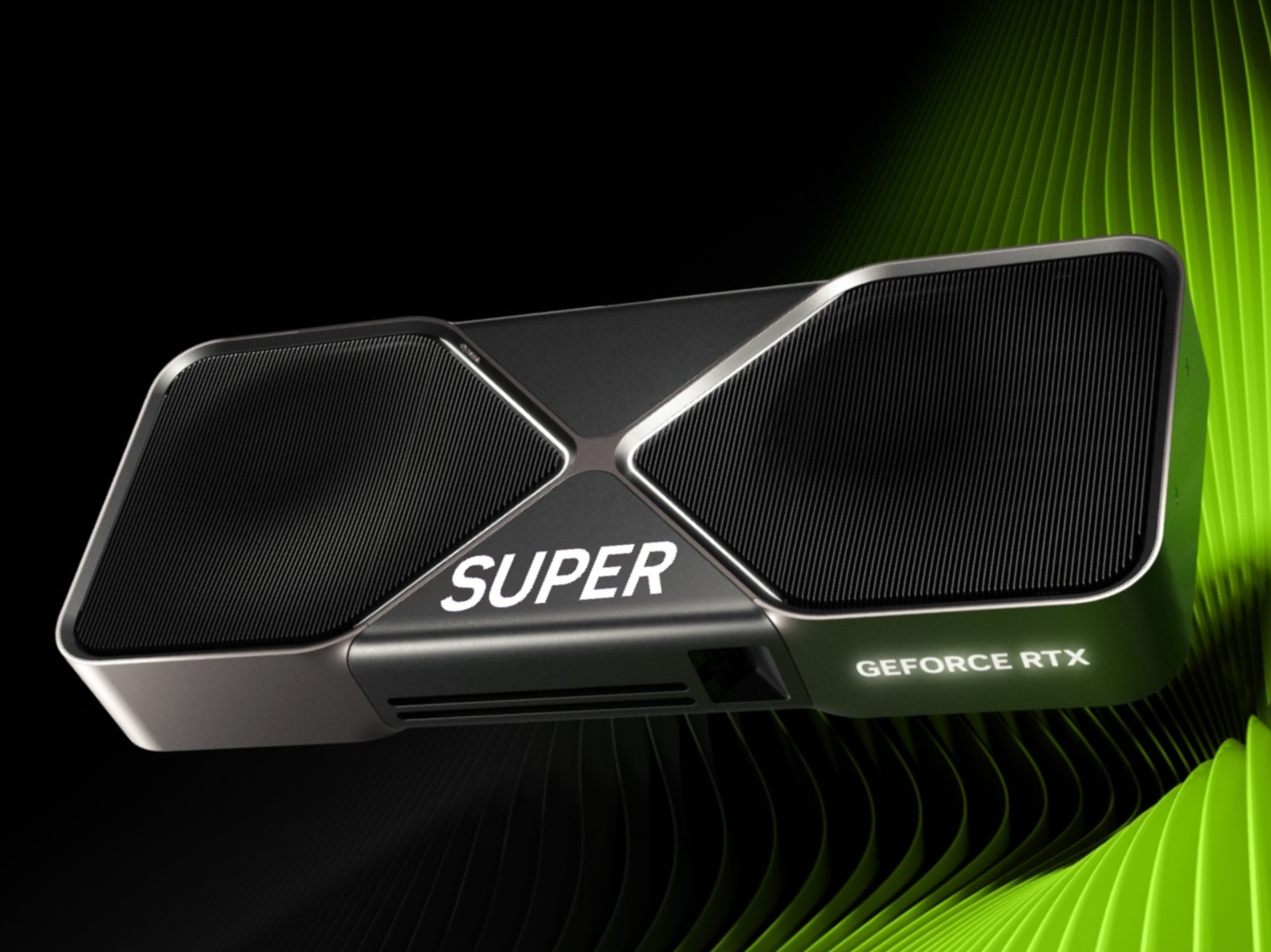
Nvidia's GeForce RTX 50 SUPER graphics cards are reportedly finished and ready for launch, with at least one add-in board (AIB) partner already in possession of retail hardware. However, the refreshed lineup appears to have hit a frustrating roadblock. According to a new report from Videocardz, Nvidia has instructed board partners to hold off on releasing the GPUs because high-density 3 GB GDDR7 memory modules remain too expensive. Essentially, the cards are ready to ship, but AIBs have their hands tied until memory prices become more favourable.
Although Nvidia has yet to officially acknowledge the GeForce RTX 50 Super family, months of leaks have painted a fairly clear picture of the lineup. The GeForce RTX 5070 Super is expected to pair its GB205 GPU with 18 GB of GDDR7 memory across a 192-bit interface. The RTX 5070 Ti Super is said to retain the GB203-350 GPU with 8,960 CUDA cores while boosting VRAM from 16 GB to 24 GB. Meanwhile, the RTX 5080 Super is expected to feature the full GB203-450 GPU with 10,752 CUDA cores, along with 24 GB of GDDR7 memory over a 256-bit bus. One of the biggest criticisms of the GeForce RTX 50 series has been its relatively underwhelming VRAM capacities, something Nvidia is expected to address through the use of 3 GB GDDR7 memory packages.
The timing could become particularly relevant as AMD prepares its next-generation RDNA 5 graphics architecture. Recent rumours suggest the company could pair conventional GDDR7 memory with onboard LPDDR5X, potentially offering an unconventional route to higher effective memory capacity and bandwidth without relying exclusively on increasingly expensive GDDR7 packages. If AMD's approach proves viable, Nvidia may not enjoy the same luxury of delaying future launches while waiting for memory prices to fall, potentially forcing the company to rethink conventional memory configurations for next-generation GeForce GPUs.
Source(s)
 Add as a preferred source on Google


