




TCL can't advertise TVs as QLED since they lack in quantum dots and color accuracy
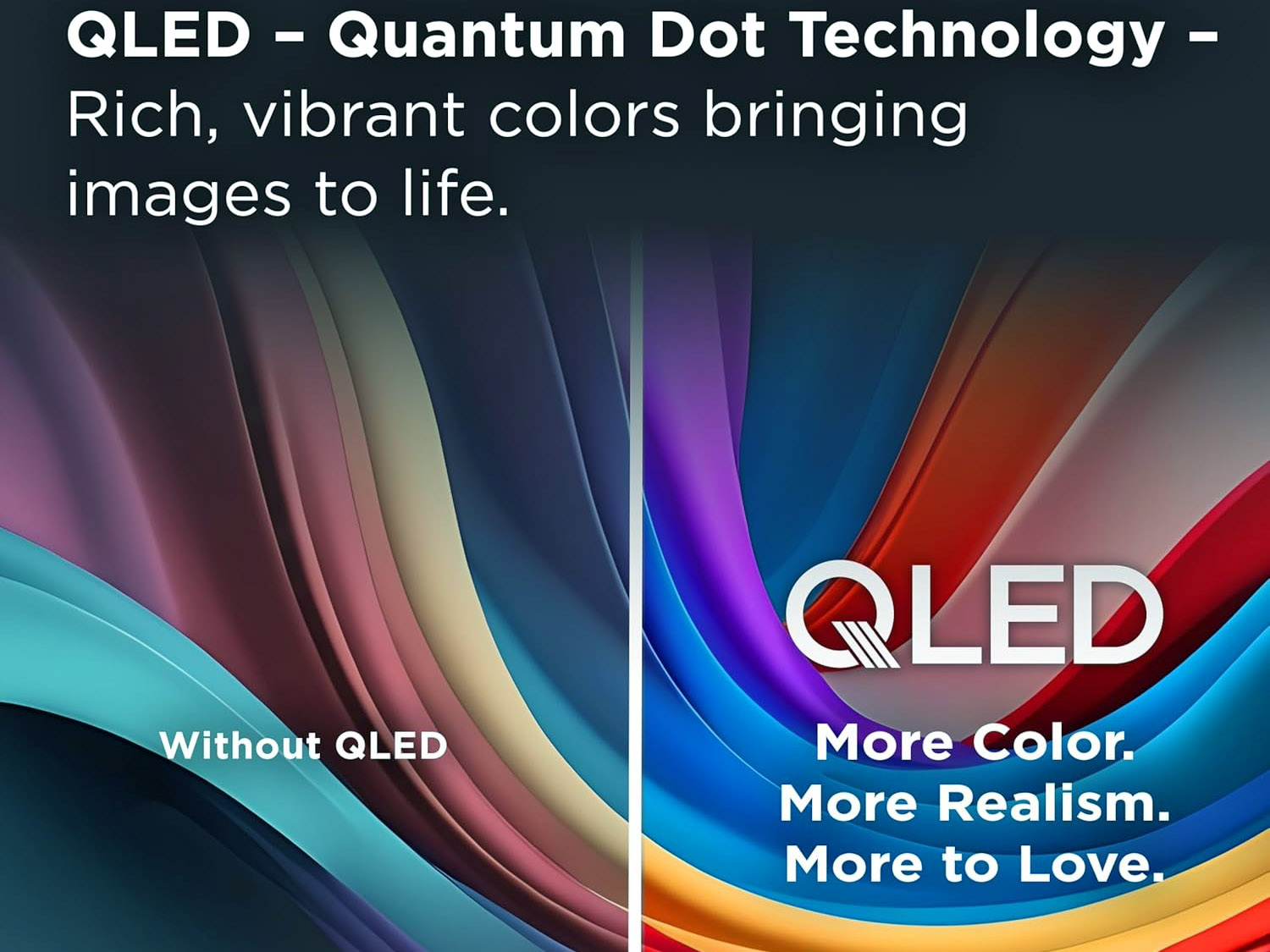
The Chinese TV maker TCL, one of the world's largest, can't call its panels QLED as it only sparsely uses the technology in TVs that are advertised as such as a cost-saving measure that brings no tangible benefits in terms of brightness or color reproduction for the buyer.
In a legal blow to TCL, a German court has ruled that the Chinese manufacturer’s QLED branding is deceptive, ordering an immediate halt to specific advertising campaigns. Following a lawsuit filed by Samsung Electronics, the Munich 1st District Court found that TCL’s QLED870 series and other sets have violated the German Unfair Competition Prevention Act.
The crux of the ruling lies in the quantum dot (QD) implementation. While the IEC defines QLED TVs as devices utilizing a specific QD film to enhance color between the backlight and panel, the court found TCL’s hardware lacking. By applying only a negligible amount of quantum dots to the diffuser, the TVs failed to deliver the measurable color reproduction improvements consumers expect from the QLED label. Consequently, the court deemed the marketing an unfair trade practice.
This isn't TCL’s first legal skirmish in the region; the company previously lost a battle over its "NXT FRAME" branding, which was found to infringe on Samsung’s trademark of the "Frame" brand. This latest German injunction effectively bans TCL from selling or marketing these specific models as QLED within the country.
TCL now faces similar class-action lawsuits in California and New York, while the fellow Chinese OEM Hisense, the world's biggest TV maker, is also facing litigation in the U.S. over its own QLED marketing claims.
Source(s)
 Add as a preferred source on Google


