




Intel Pentium Silver N5000 vs Intel Pentium Silver J5005
Intel Pentium Silver N5000
► remove from comparison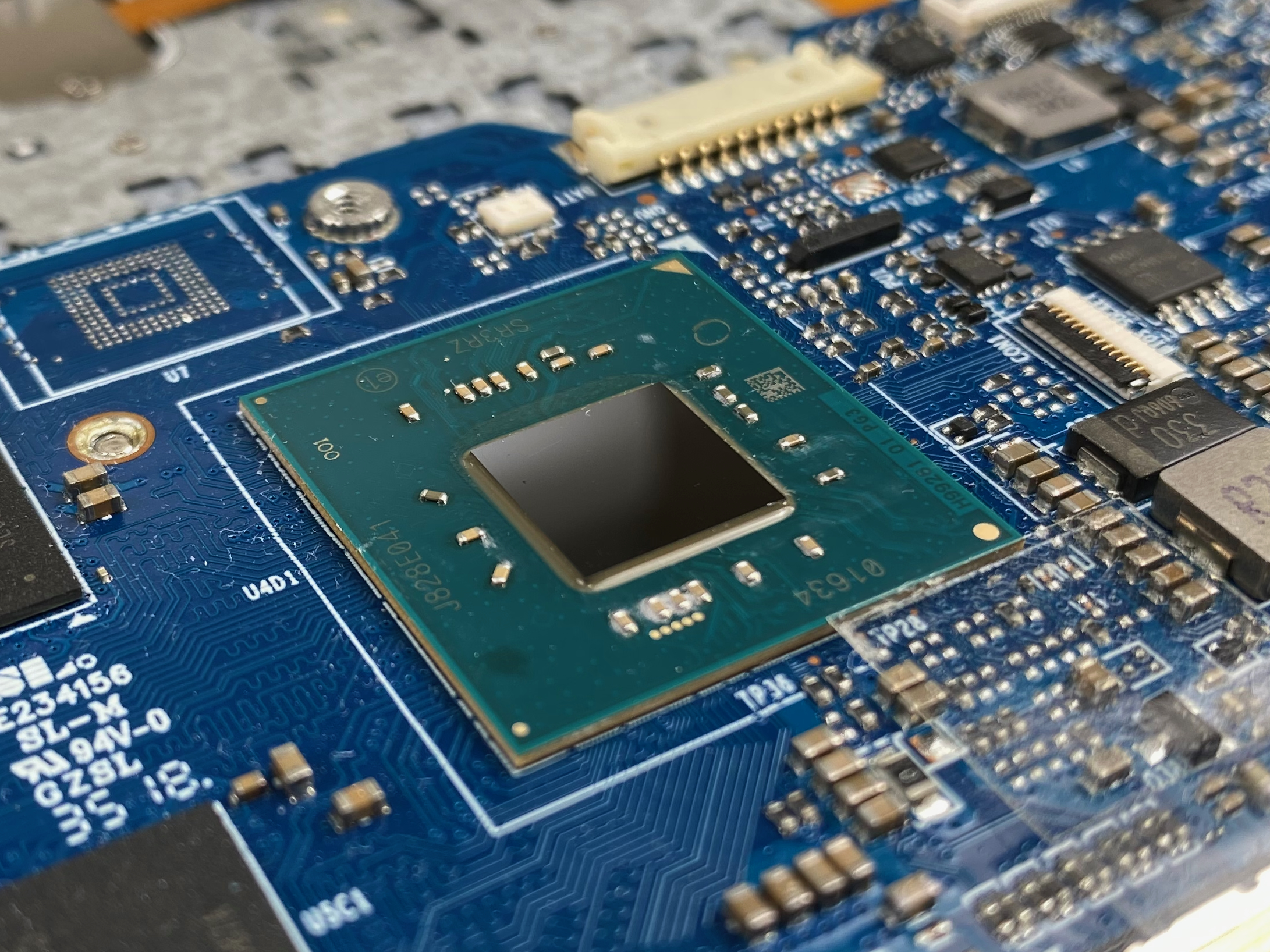
The Intel Pentium Silver N5000 is a quad-core SoC primarily for inexpensive notebooks and was announced late 2017. It runs at 1.1-2.7 GHz (Single Core Burst, Multi Core Burst max. 2.6 GHz) and is based on the Gemini Lake platform. Similar to the Apollo Lake predecessor, the chip is manufactured in a 14 nm process with FinFETs but offers slightly improved processor cores, double the amount of L2 cache, a smaller package, a new generation of monitor outputs (Gen 10) and a partly integrated WiFi chip. Besides four CPU cores, the chip also includes a DirectX 12 capable GPU as well as a DDR4/LPDDR4 memory controller (dual-channel, up to 2400 MHz). The SoC is not replaceable as it is directly soldered to the mainboard.
Architecture
The processor architecture was slightly reworked and is now called Goldmont Plus. It features an increased level 2 cache (to 4 MB). That means the per-clock-performance should be a bit better, but not near the Core CPUs like Kaby Lake Y.
Performance
The average N5000 in our database is in the same league as the AMD 3050e and the Pentium 4415U, as far as multi-thread benchmark scores are concerned. This is a really poor result, as of Q3 2023.
The Yoga 330-11IGM is among the fastest laptops featuring the N5000 that we know of. It can be more than 30% faster in CPU-bound workloads than the slowest system built around the same chip in our database, as of August 2023.
GPU Performance
The UHD Graphics 605 (Gemini Lake) is based on Intel's Gen9 architecture, which supports DirectX 12 and is also used for the Kaby Lake / Skylake / Apollo Lake graphics adapters (like HD Graphics 520). Equipped with 18 EUs and a clock of up to 750 MHz, the performance should be roughly on par with the older HD Graphics 5300 and HD Graphics 505 (Apollo Lake).
The chip also includes an advanced video engine with hardware support for the playback of VP9 and H.265 material (8-bit color-depth).
Power Consumption
Similar to the predecessor, Intel specifies the TDP with 6 Watts (SDP 4.8 Watts – Scenario Design Power). The chip can therefore be cooled passively in theory, but SKUs with fans are possible as well.
Intel Pentium Silver J5005
► remove from comparison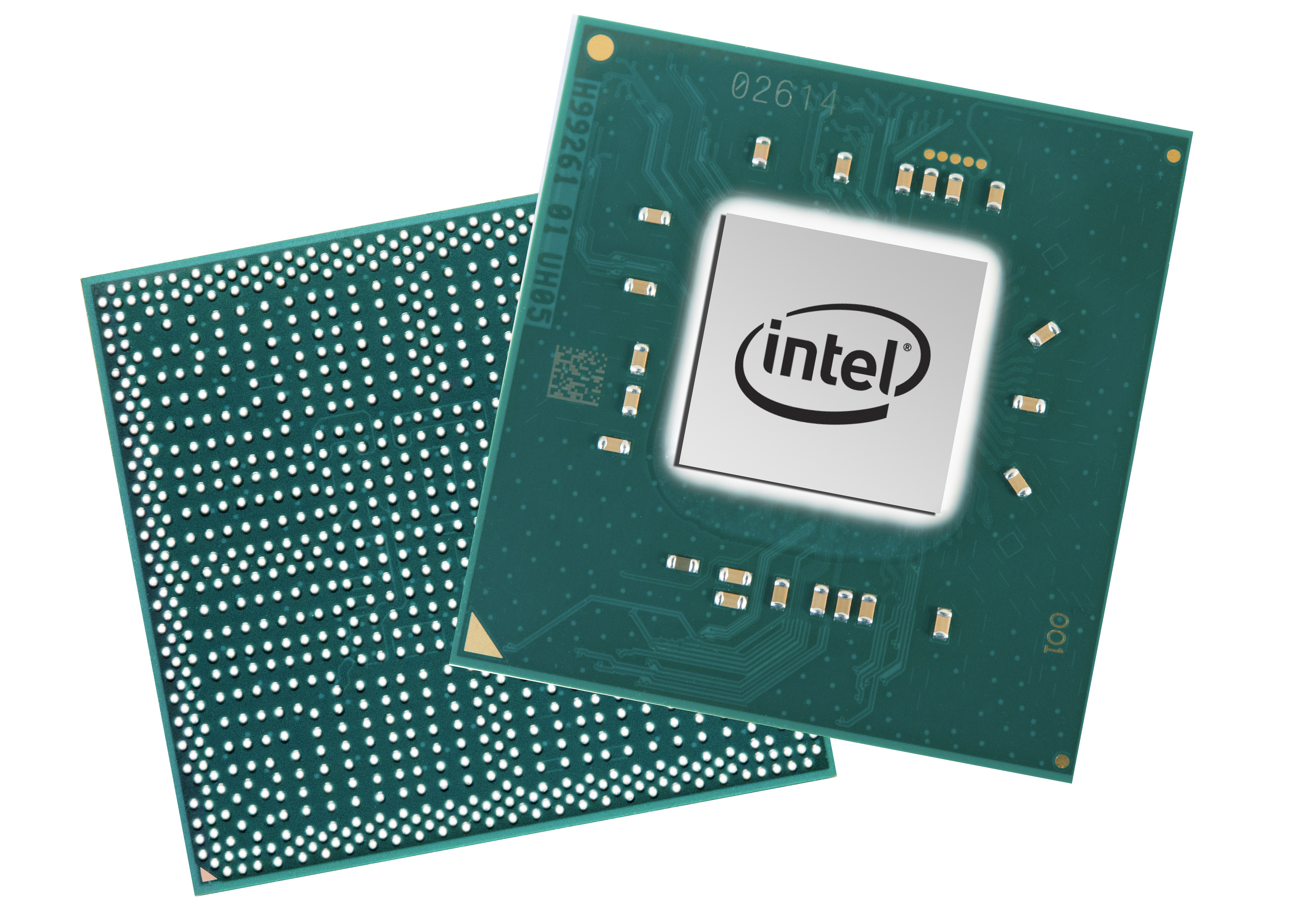
The Intel Pentium Silver J5005 is a quad-core SoC that was introduced at the end of 2017 and is mainly used in inexpensive mini PCs. It clocks from 1.5 to 2.8 GHz (single-core burst) and belongs to the Gemini Lake platform. In addition to the four CPU cores, the chip also integrates a DirectX 12-capable graphics unit and a DDR4/LPDDR4 memory controller (dual channel, 2,400 MHz). The SoC cannot be replaced as it is soldered directly to the mainboard (BGA package).
Architecture
The processor architecture of the Gemini Lake SoCs has been slightly enhanced compared to its predecessor. Intel now calls them Goldmont Plus cores and doubles the level 2 cache from 2 to 4 MB. Nevertheless, the per-MHz performance should still remain well behind the current Kaby Lake processors.
Performance
The CPU performance of the J5005 with 4 CPU cores is only in the entry-level class and is only sufficient for undemanding tasks. Even when surfing the web, you notice a clear difference to faster processors.
Power consumption
Like its predecessor, the entire SoC is specified by Intel with a TDP of 10 watts.
| Model | Intel Pentium Silver N5000 | Intel Pentium Silver J5005 | ||||||||||||||||||||||||||||||||||||||||||||||||||||||||
| Codename | Gemini Lake | Gemini Lake | ||||||||||||||||||||||||||||||||||||||||||||||||||||||||
| Series | Intel Gemini Lake | Intel Gemini Lake | ||||||||||||||||||||||||||||||||||||||||||||||||||||||||
| Series: Gemini Lake Gemini Lake |
|
| ||||||||||||||||||||||||||||||||||||||||||||||||||||||||
| Clock | 1100 - 2700 MHz | 1500 - 2800 MHz | ||||||||||||||||||||||||||||||||||||||||||||||||||||||||
| L1 Cache | 224 KB | |||||||||||||||||||||||||||||||||||||||||||||||||||||||||
| L2 Cache | 4 MB | 4 MB | ||||||||||||||||||||||||||||||||||||||||||||||||||||||||
| Cores / Threads | 4 / 4 | 4 / 4 4 x 2.8 GHz Intel Goldmont Plus | ||||||||||||||||||||||||||||||||||||||||||||||||||||||||
| TDP | 6 Watt | 10 Watt | ||||||||||||||||||||||||||||||||||||||||||||||||||||||||
| Technology | 14 nm | 14 nm | ||||||||||||||||||||||||||||||||||||||||||||||||||||||||
| max. Temp. | 105 °C | 105 °C | ||||||||||||||||||||||||||||||||||||||||||||||||||||||||
| Socket | BGA1090 | BGA1090 | ||||||||||||||||||||||||||||||||||||||||||||||||||||||||
| Features | DDR4-2400/LPDDR4-2400 RAM, PCIe 2, MMX, SSE, SSE2, SSE3, SSSE3, SSE4.1, SSE4.2, SMEP, SMAP, MPX, EIST, TM1, TM2, Turbo, AES-NI, RDRAND, RDSEED, SHA, SGX | DDR4-2400/LPDDR4-2400 RAM, PCIe 2, MMX, SSE, SSE2, SSE3, SSSE3, SSE4.1, SSE4.2, VMX, SMEP, SMAP, MPX, EIST, TM1, TM2, Turbo, AES-NI, RDRAND, RDSEED, SHA, SGX | ||||||||||||||||||||||||||||||||||||||||||||||||||||||||
| iGPU | Intel UHD Graphics 605 (200 - 750 MHz) | Intel UHD Graphics 605 (250 - 800 MHz) | ||||||||||||||||||||||||||||||||||||||||||||||||||||||||
| Architecture | x86 | x86 | ||||||||||||||||||||||||||||||||||||||||||||||||||||||||
| $161 U.S. | ||||||||||||||||||||||||||||||||||||||||||||||||||||||||||
| Announced | ||||||||||||||||||||||||||||||||||||||||||||||||||||||||||
| Manufacturer | ark.intel.com | ark.intel.com |

Benchmarks

Average Benchmarks Intel Pentium Silver N5000 → 100% n=28
Average Benchmarks Intel Pentium Silver J5005 → 109% n=28
 - Average benchmark values for this graphics card
* Smaller numbers mean a higher performance
1 This benchmark is not used for the average calculation


