




Oppo Reno15 Pro: Three weaknesses that detract from its premium feel
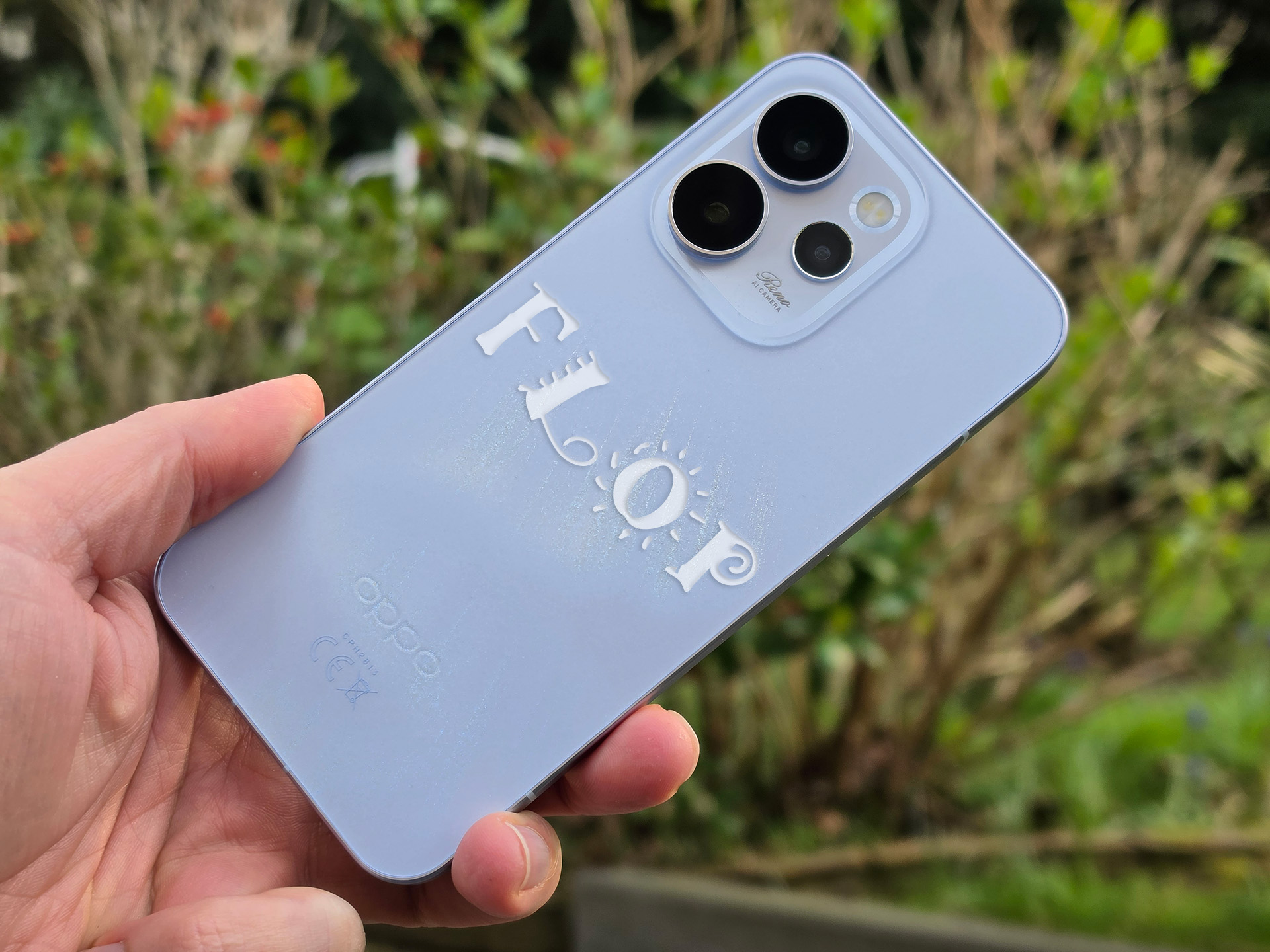
The Oppo Reno15 Pro is powered by the MediaTek Dimensity 8450, a highly capable chip that shows few weaknesses in everyday use. However, in a direct comparison with current high-end SoCs, it becomes apparent that its processing and graphics performance can’t quite keep up. The system noticeably slows down, especially during intensive gaming sessions or when multitasking with large files.
On top of that, Oppo continues to rely on UFS 3.1 storage, while many competitors are already using UFS 4.0. This results in longer loading times and slightly sluggish app performance.
Important premium features are missing
Despite its high price of 799 Euros, Oppo has cut corners on key convenience features. Wireless charging is nowhere to be found, nor is a fast USB 3.2 port or UWB support. While these omissions aren’t a major issue in everyday use, they prevent the Reno15 Pro 5G from matching more expensive devices in terms of technical capabilities.
The lack of a memory card slot and the mediocre audio performance from the internal speakers also show that Oppo doesn’t deliver a premium experience in every area.
Screen flicker: Not ideal for sensitive eyes
As impressive as the AMOLED display is in terms of brightness, it has one drawback: PWM flicker at low brightness levels can be distracting for sensitive users. Although Oppo uses a high-frequency 2,160 Hz PWM control, the underlying flicker operates at a fairly low frequency.
Especially at night while reading or in dark environments, this can strain the eyes more than devices with smooth DC dimming or higher frequencies.
The Oppo Reno15 Pro is a strong smartphone overall, but the aforementioned weaknesses can become a deal-breaker when directly compared to premium competitors.
 Add as a preferred source on Google


