New Vivo X300 Ultra smartphone launching with satellite connectivity
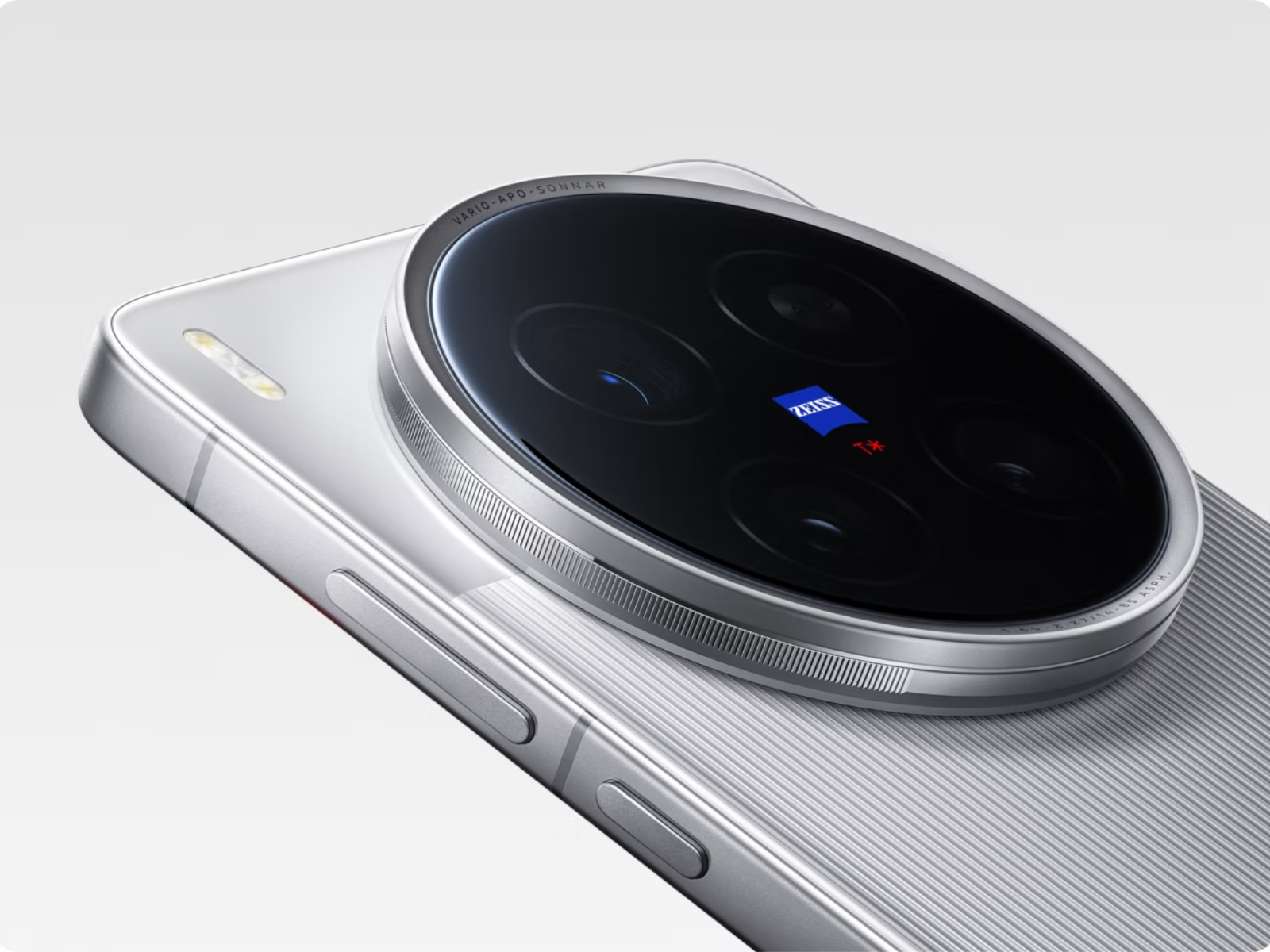
The long-awaited Vivo X300 Ultra has surfaced in a new leak. To recap, Vivo is expected to position the device as an alternative to the Xiaomi 17 Ultra and Find X9 Ultra. By extension, the X300 Ultra should rival the Galaxy S26 Ultra too, which will replace the Galaxy S25 Ultra on February 25 (curr. $759 - renewed on Amazon).
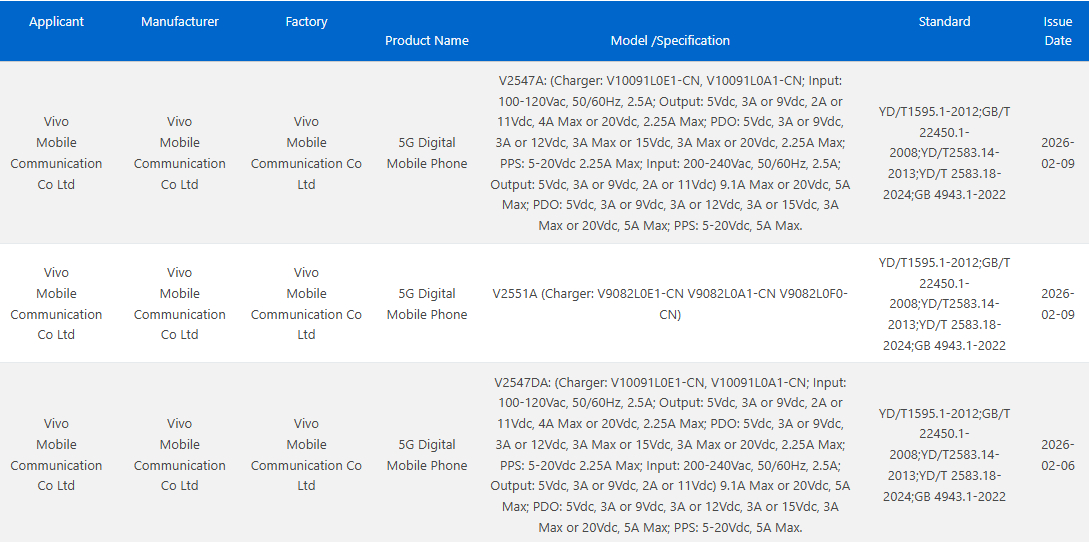
Based on a recent 3C certification, Vivo has prepared two versions of the X300 Ultra for sale in its home market. On the one hand, the company has certified the regular X300 Ultra at the 3C with the model number V2547A. Previously, the X300 Ultra was believed to be associated with the model number V2536A, which more recent evidence refutes.
Nonetheless, the 3C confirms that the V2547A supports up to 100 W charging for a 10 W increase on the X200 Ultra. On the other hand, Vivo has also certified V2547DA. A spin-off of V2547A, the 3C identifies V2547DA as a BeiDou Edition of the regular V2547A. In other words, Vivo will be releasing a version of the X300 Ultra with satellite connectivity. Whether this version will be available globally like the standard Vivo X300 Ultra remains to be seen at this point.
Source(s)
3C via Zions Anvin
 Add as a preferred source on Google