




Lava Yuva Star 3: Budget phone debuts with Android 15 Go and 90 Hz display
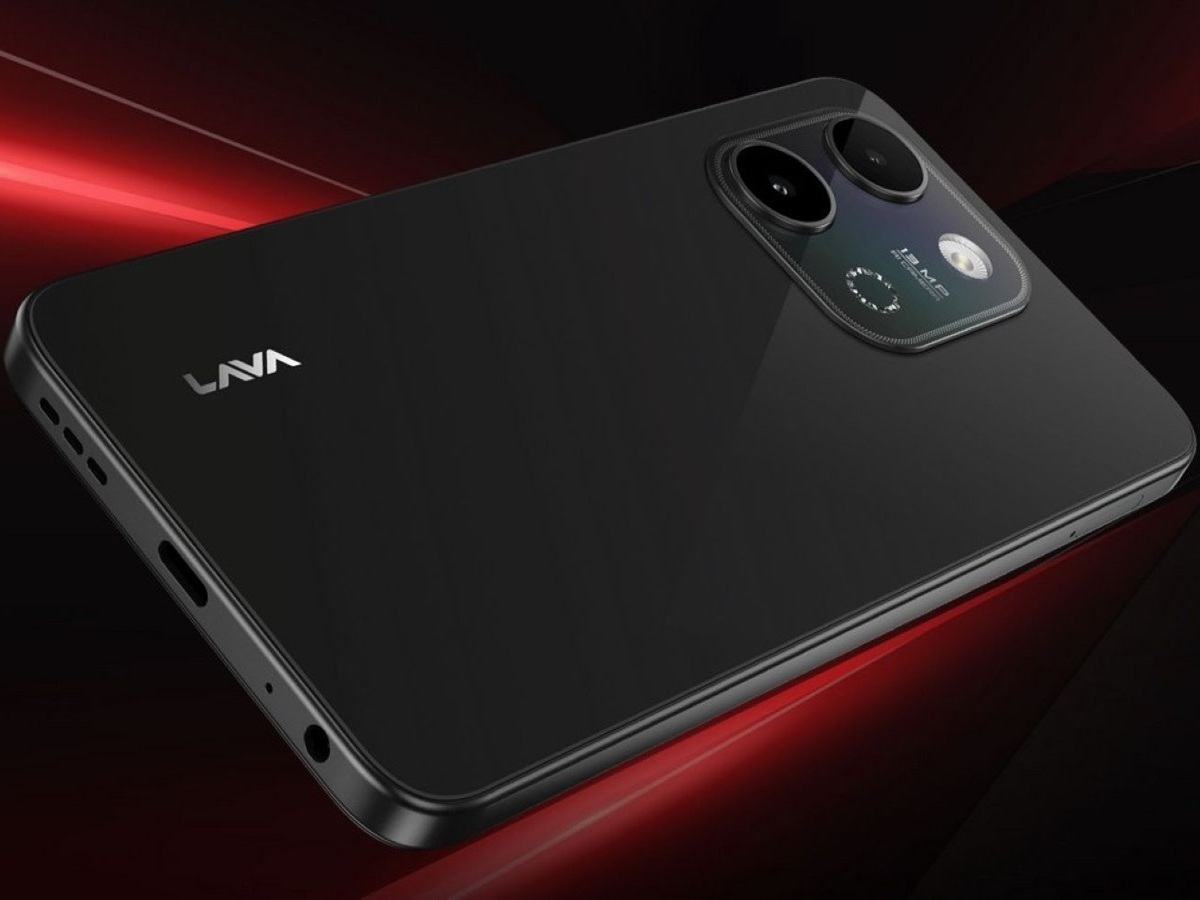
Lava has officially announced the Yuva Star 3, a new entry-level smartphone positioned for the Indian market. The company is highlighting Android 15 Go Edition, an IP64 rating, and a large 90Hz display as the device’s primary selling points. While Lava’s official product page does not list pricing, third-party reporting places the Yuva Star 3 at ₹7,499 (about $90 at the time of publication) for a single 4GB/64GB configuration, with availability expected in March 2026.
Hardware: A 90Hz display paired with older Unisoc silicon
The Yuva Star 3 features a 6.75-inch HD+ (720 x 1600) LCD with a 90Hz refresh rate, which is a notable inclusion at this price point. However, the internal hardware is modest. The device is powered by the Unisoc SC9863A, an octa-core chipset that dates back several years and is built on a 28 nm process.
Lava pairs that chip with 4GB of physical RAM, plus 4GB of virtual “RAM expansion,” and 64GB of internal storage. On Lava’s own spec sheet, expandable storage is listed up to 256GB via microSD. Some third-party listings claim up to 512GB, so that higher figure is best treated as reported unless Lava updates the official page.
Durability and camera: IP64 in the budget segment
In a move that is still relatively uncommon in the sub-₹8,000 category, the Yuva Star 3 carries an IP64 rating, which covers dust protection and resistance to water splashes. The camera setup remains basic, with a 13 MP rear camera and a 5 MP front-facing camera housed in a waterdrop notch.
Other key technical specifications include:
- Battery: 5,000 mAh capacity
- Charging: 10W via USB-C (charger included in box)
- Security: Side-mounted fingerprint sensor
- Connectivity: Dual 4G VoLTE, Wi-Fi, and Bluetooth 4.2
Software: The shift to Android 15 Go Edition
The inclusion of Android 15 Go Edition is important for this hardware configuration. Android (Go edition) is designed to provide an optimized experience on low-RAM and entry-level devices by making OS-level tradeoffs to improve speed and performance. By opting for the Go build, Lava is effectively signaling that the Yuva Star 3 is meant to stay responsive on modest hardware, rather than trying to run a heavier full Android setup on the SC9863A platform.
 Add as a preferred source on Google


