




Meta acknowledges teen harm in $18 billion settlement: Major use restrictions coming to Facebook and Instagram

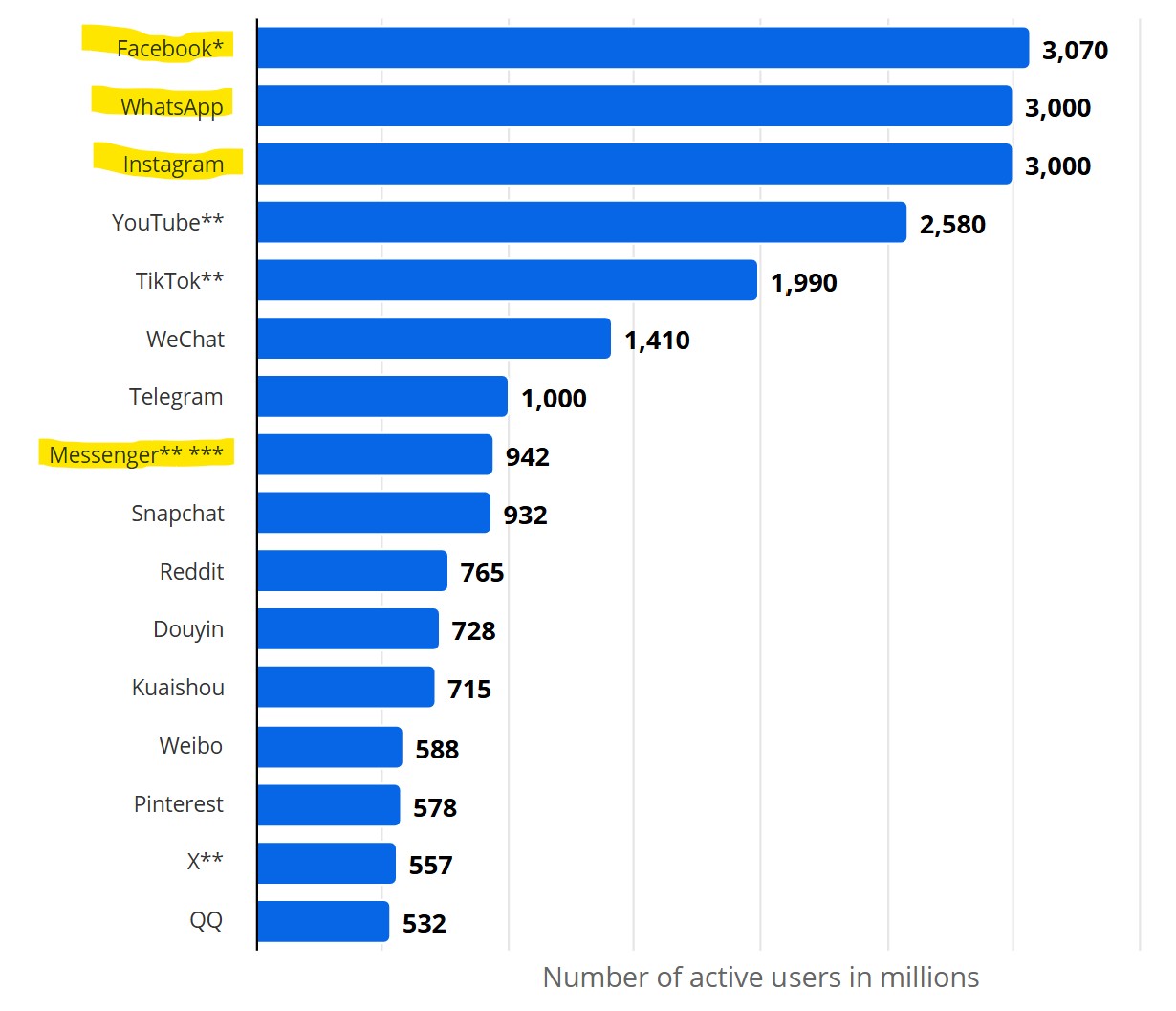
Meta has agreed to settle a large lawsuit brought by 48 state attorney generals and others, arguing that the company's social media apps, including Facebook and Instagram, were allegedly designed to “entice, engage, and ultimately ensnare youth and teens", ultimately resulting in numerous reported cases of self-harm, mental health problems, and privacy violations. Despite parents asking for change and hearing from affected victims, CEO Mark Zuckerberg has long driven Meta to mine the market by hooking young users to become lifelong customers while expanding its profit-driven growth.
Meta's settlement
The settlement includes a record-breaking payment of about $18,000,000,000 to help fund safety initiatives, with significant changes to non-adult accounts, yet Meta continues to deny wrongdoing while attempting to deflect the issue onto other social media providers by asking them to make similar changes.
Major upcoming changes to under-18 accounts include an automatic two-hour daily use time limit, with use blocked between midnight and 6 am, hidden likes, blocked extreme makeup and body surgery filters, and age-appropriate content filters. However, even though youth accounts are automatically made private, young users can still directly message contacts during school and night time, leaving the door open to online bullying.
Social media design and its negative effects
Meta has programmed their apps to be very addictive, while providing predators and data mining companies access to young users, and the EU charged Meta for its addictive Facebook and Instagram design earlier this summer. It is not difficult to become addicted to doomscrolling, while non-age-appropriate images, messages, and videos frequently appear.
The design of addictive social media apps has also enabled easier online bullying in addition to causing depression, poor body image, self-harm, and even death, with persistent negative effects even a year later.
What worried parents can do
Concerned parents who are doubtful Meta or other similar social media providers will change should create a family media plan that includes healthy discussions about their use. Or better yet, simply ban the use of social media while substituing healthy sports (like playing with friends using this soccer ball sold on Amazon), outdoor activities including hiking, and in-person clubs until they become mature adults.


Source(s)
 Add as a preferred source on Google


