Oura faces class action lawsuit over 95% sleep-tracking accuracy claim
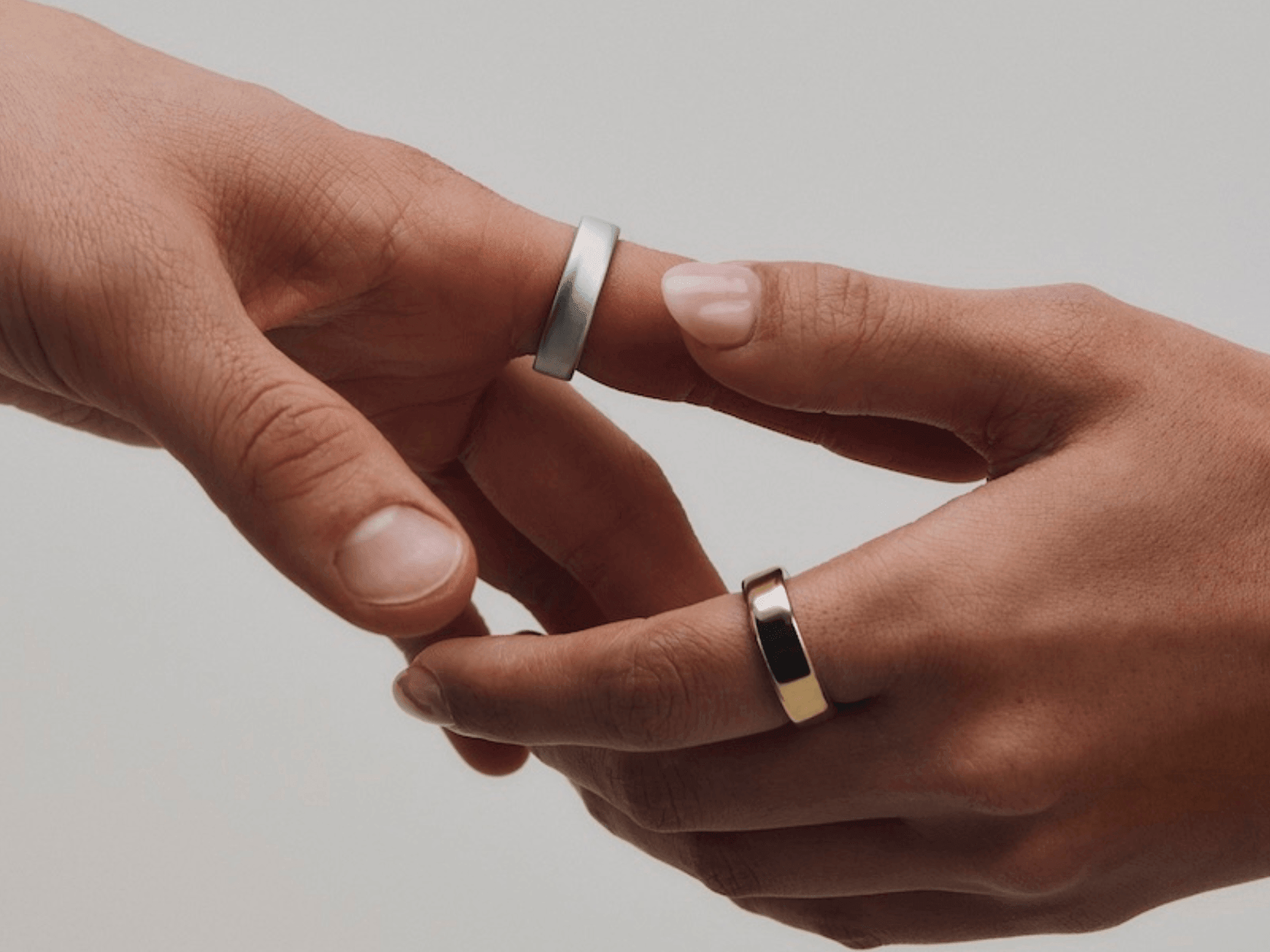
Smart ring manufacturer Oura is in trouble. A proposed class-action lawsuit alleges that the company misled buyers about how precisely its device tracks sleep. Filed in the U.S. District Court for the Northern District of California by Clarkson Law Firm on August 20, the plaintiff disputes marketing claims that Oura rings can accurately determine periods of wakefulness and light, deep and REM sleep. Specifically, it contests the company's claim of 95% sleep-staging accuracy.
The argument is fundamentally a physiological one: sleep stages are defined by brain electrical activity, eye movement and muscle tone, none of which a finger-worn device can detect directly. Rather, Oura's algorithm infers sleep stages from proxy signals such as heart rate, temperature and movement. The lawsuit cites a 2025 Nature study that found the ring's accuracy closer to roughly 53%, far below the marketed figure, and characterizes the AI-driven estimates as barely better than guesswork.
Oura has pushed back, informing MobiHealthNews that it "stands behind its science," pointing to peer-reviewed, third-party validation against polysomnography, the clinical gold standard. The company also stresses that the ring isn't marketed as a medical device. Nevertheless, the lawsuit is seeking damages, restitution and changes to Oura's marketing practices, raising broader questions about how wearable-tech companies substantiate accuracy claims that can influence real health decisions, for better or for worse.
Source(s)
 Add as a preferred source on Google