




Lenovo ThinkPad X1 Carbon 2026 vs. 2019 - Is this really progress?

The Lenovo ThinkPad X1 Carbon has been one of the best and lightest business laptop for years. After we reviewed the 7th generation back in 2019, we purchased a unit with the Core i7-8565U, 16 GB RAM, a 512 GB SSD as well as the high-resolution WQHD panel, which has been in use pretty much every day since then. After some of Lenovo's design decisions over the last couple of years were quite controversial, we took the chance and compared the two models side-by-side. We are not focusing on the raw performance, because the old model can obviously not keep up with latest hardware, but the situation is a bit different when it comes to the chassis and the input devices.
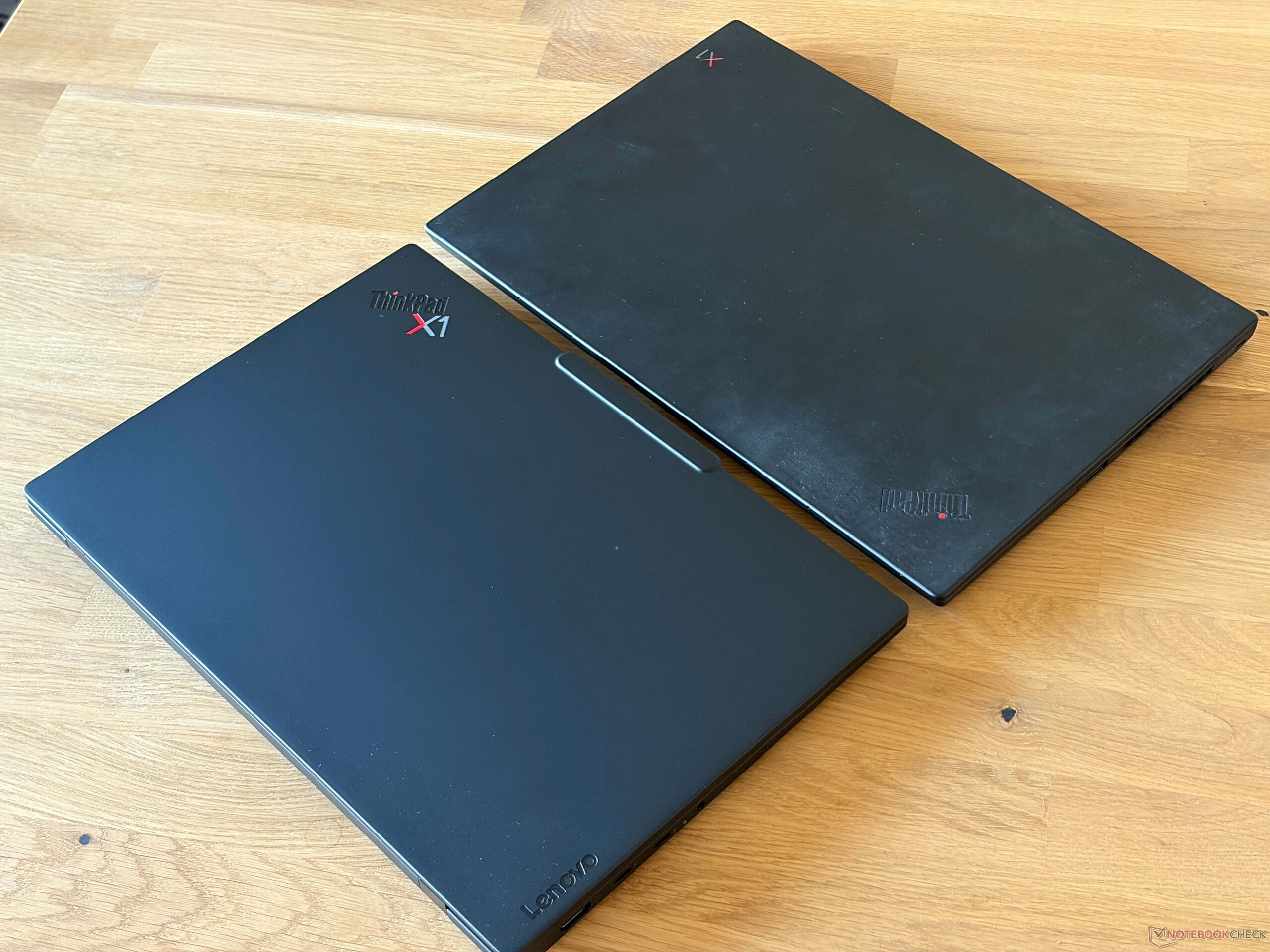
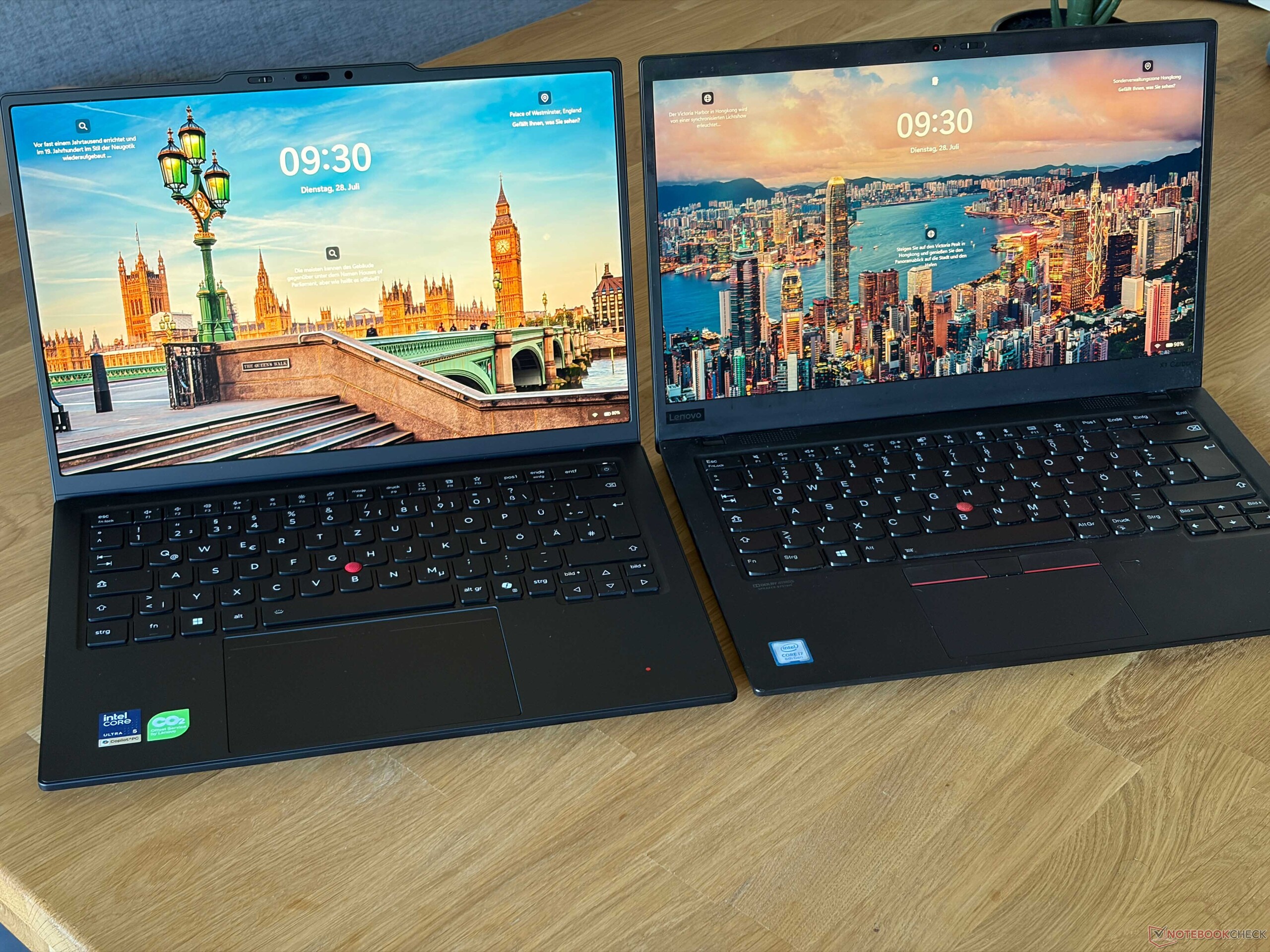

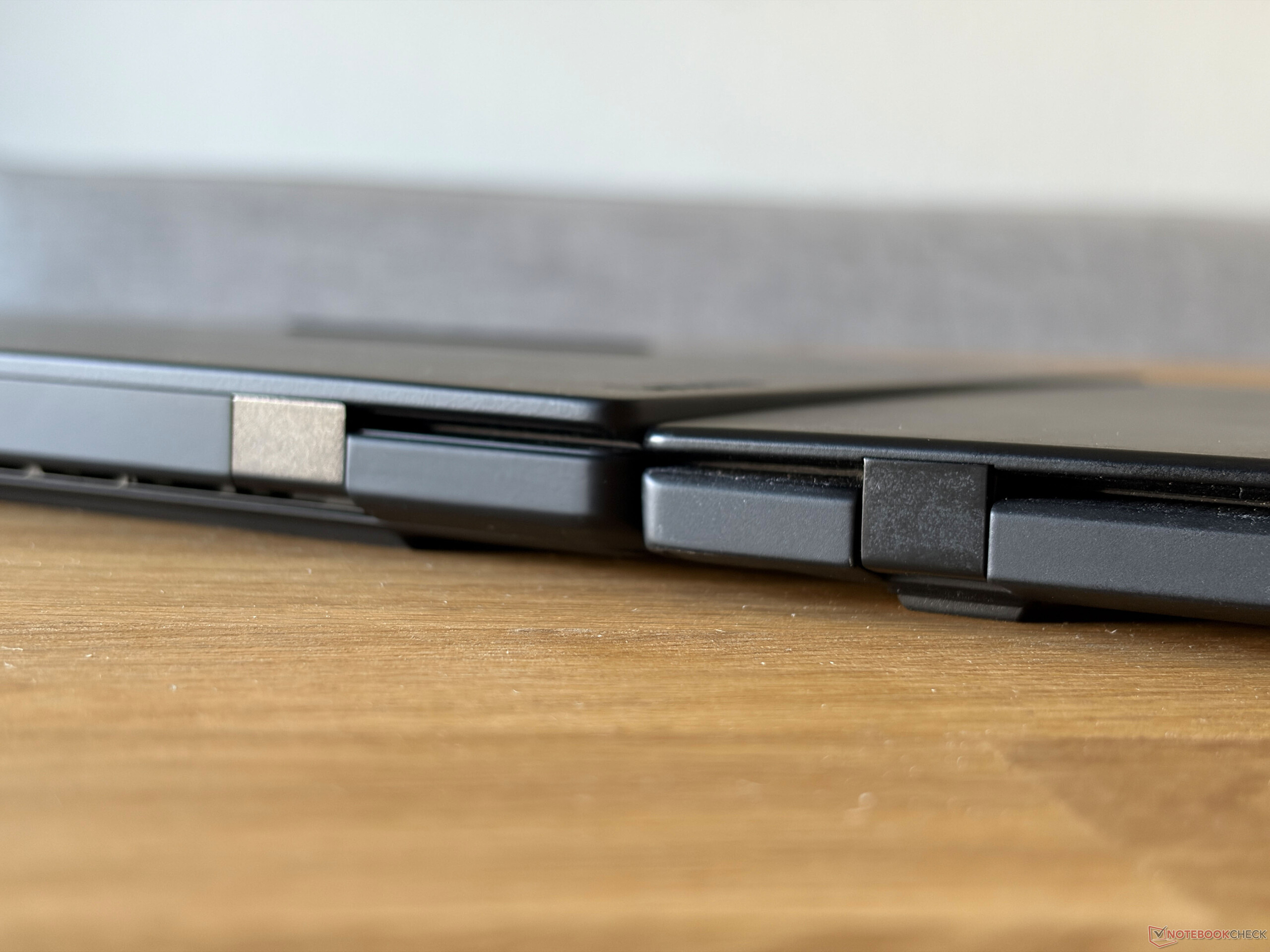
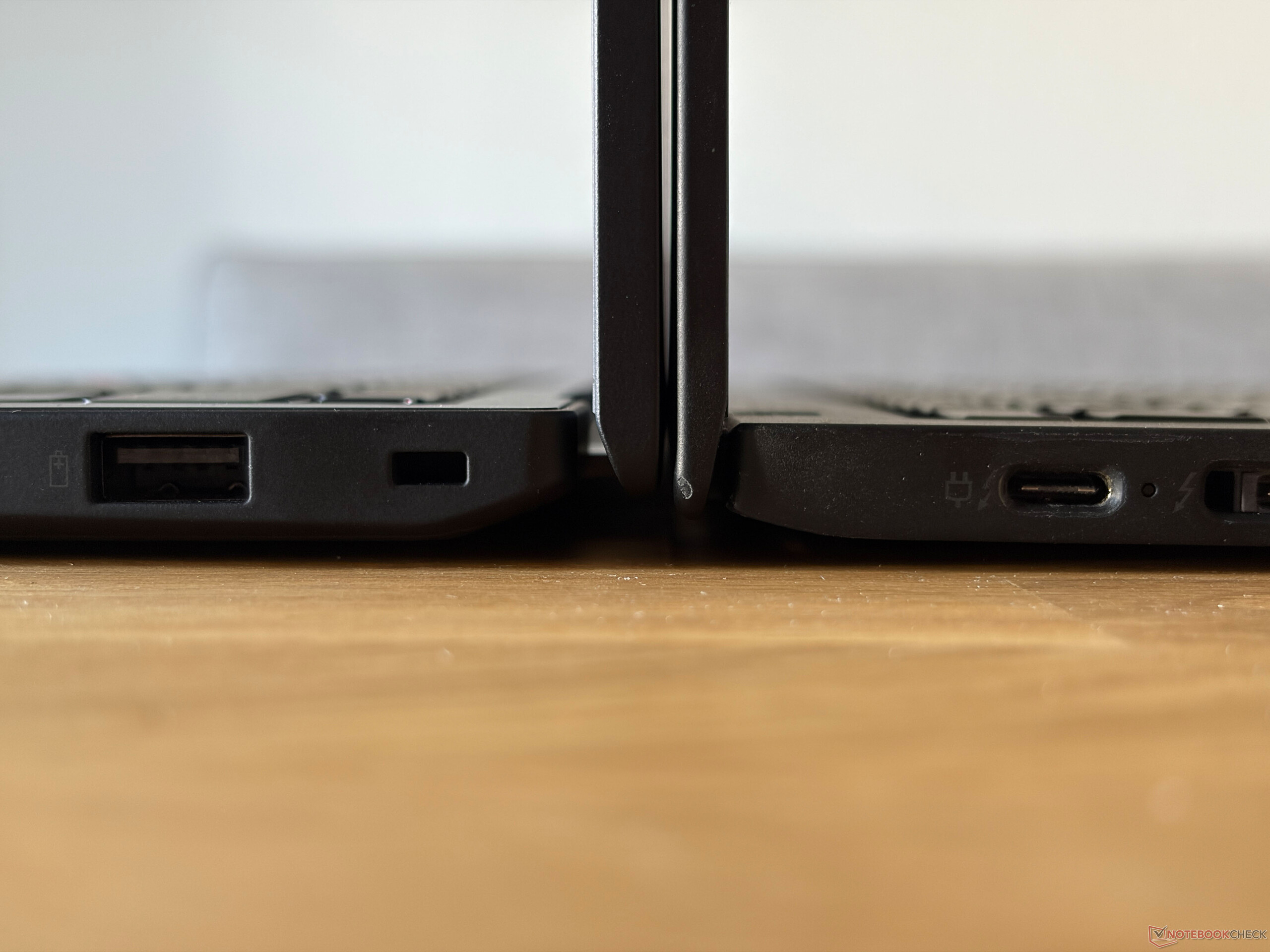
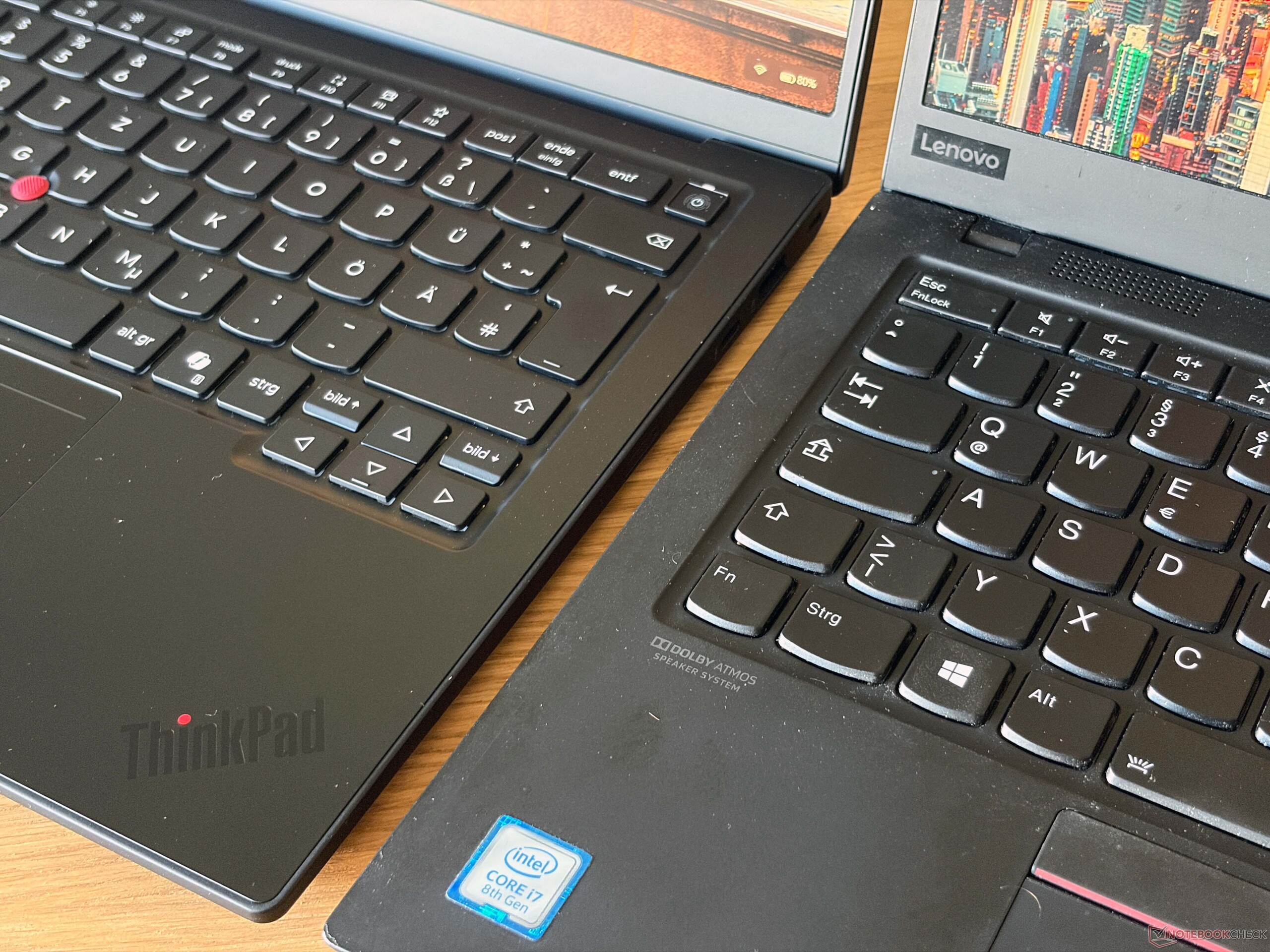
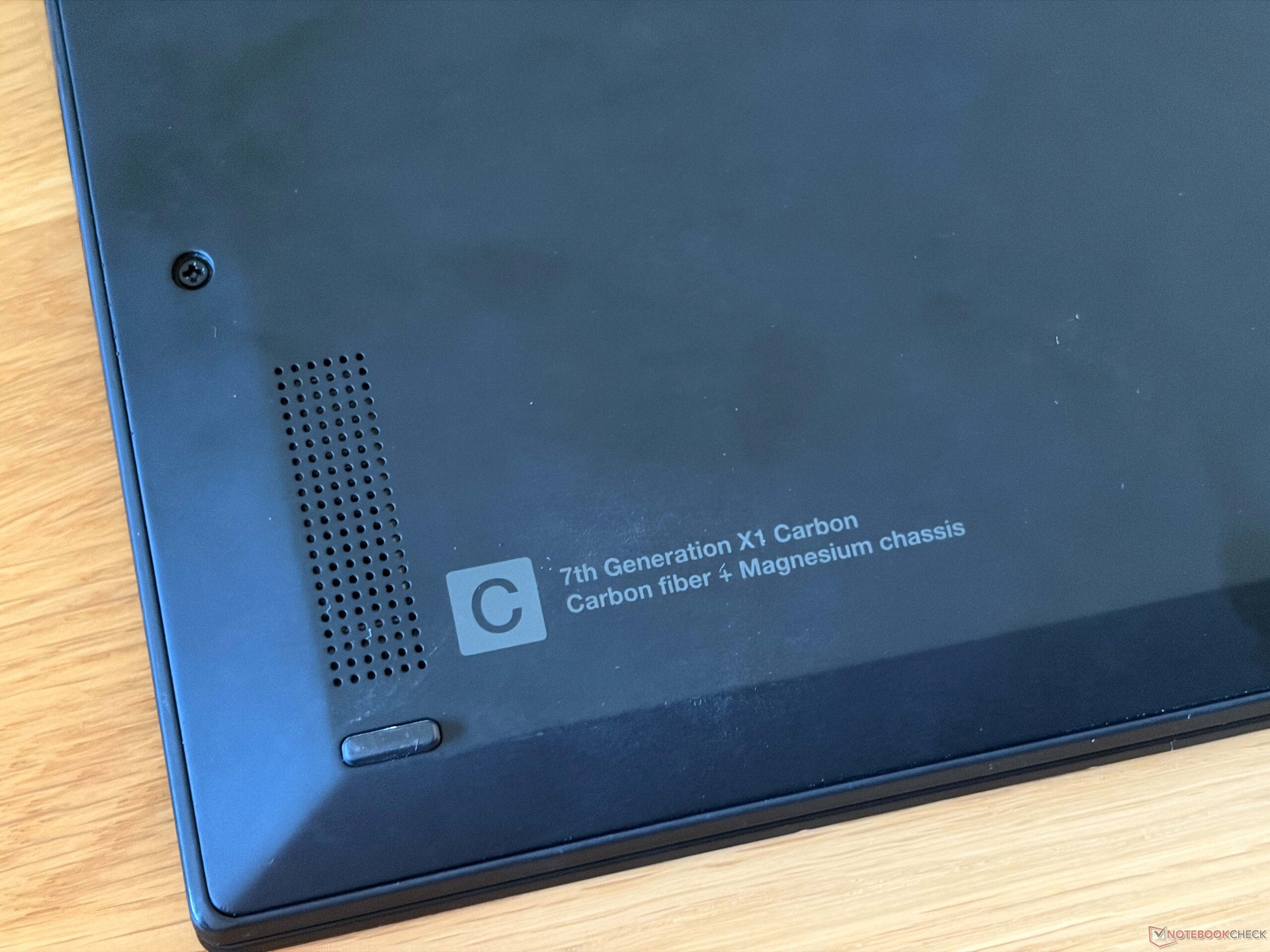
The comparison images show the ThinkPad X1 Carbon Gen 14 with the IPS touchscreen, which uses the slightly thicker lid. Except for that, the direct comparison clearly shows that the base unit of the 2019 unit is actually slightly thinner. In terms of footprint, the new model is a bit smaller. At 1.11 kg, the old X1 Carbon G7 is even a bit lighter than the IPS SKU of the X1 Carbon Gen 14 (1.14 kg), but the OLED models are lighter and also drop below the 1 kg mark depending on the spec. Among other things, Lenovo reintroduced magnesium for the base unit (only for OLED SKUs though), which was just the standard on our old X1 Carbon G7. The overall design also changed, but the most noticeable change is the rather unsightly camera bump.
This brings us to the input devices, where the development over the last couple of years went in a wrong direction. Manufacturers claim that slimmer devices also require adjustments, and while this is definitely true to a certain extent, we are not sure this is the case here comparing the two models. We have already seen that the base unit of the 2019 model is a bit slimmer, but the keys themselves are not as flat as on the current models, which is why the typing experience on the old model is more comfortable despite the same 1.5 mm key travel. However, the 2019 model is not ideal, either, because previous models still featured the superior keyboard with 1.8 mm travel. There is definitely room for improvements here, because even though the keyboards are still very good, they are not better compared to the rivals and some manufacturers offer superior keyboards. The situation is much better when it comes to the haptic trackpad, which offers a large input surface and it just works extremely well, even in combination with the TrackPoint. In our opinion, there are no disadvantages compared to physical buttons, which are also very flat in recent years and sometimes had issues with different pressure points.
The displays changed from 16:9 to 16:10 aspect ratio, which offers more vertical space and this is obviously immediately noticeable when comparing the two models. The display quality has often been an issue on ThinkPads and the WQHD screen from the 2019 model (IPS, 60 Hz, ~350 nits) was already a pretty good option. After that, Lenovo introduced the low-power Full-HD screens with a brightness of 400 nits, which are still available. Lenovo eventually offered the X1 Carbon with OLED panels. The matte 2.8K OLED screen in the current version is superior to the IPS model with a frequency of 120 Hz and improved brightness, but the image is a bit grainy on bright contents and PWM flickering is obviously an issue as well. We are also not sure that a business laptop has to cover the P3 color gamut, but Lenovo should definitely also include a color profile for the smaller sRGB reference. The OLED option also affects the battery runtime noticeably, which is just superior on the IPS model. It is unfortunate that Lenovo does not offer a decent IPS panel with 90, 120 or 144 Hz.
All in all, the direct comparison between the two generations is a bit sobering to be honest, because many advancements are simply a result of better processors, which are more powerful and more efficient. When we look at the chassis, however, there are some drawbacks of the new version, including the keyboard or the unsightly camera bump. That Lenovo reintroduces magnesium base units (for OLED models) is a step in the right direction, but we would argue it would not hurt if Lenovo's engineers had a closer look at older ThinkPad X1 Carbon. For more details on the new ThinkPad X1 Carbon Gen 14, please see our in-depth review.
 Add as a preferred source on Google


