




How can Apple improve the MacBook Air 15-inch? We have some ideas
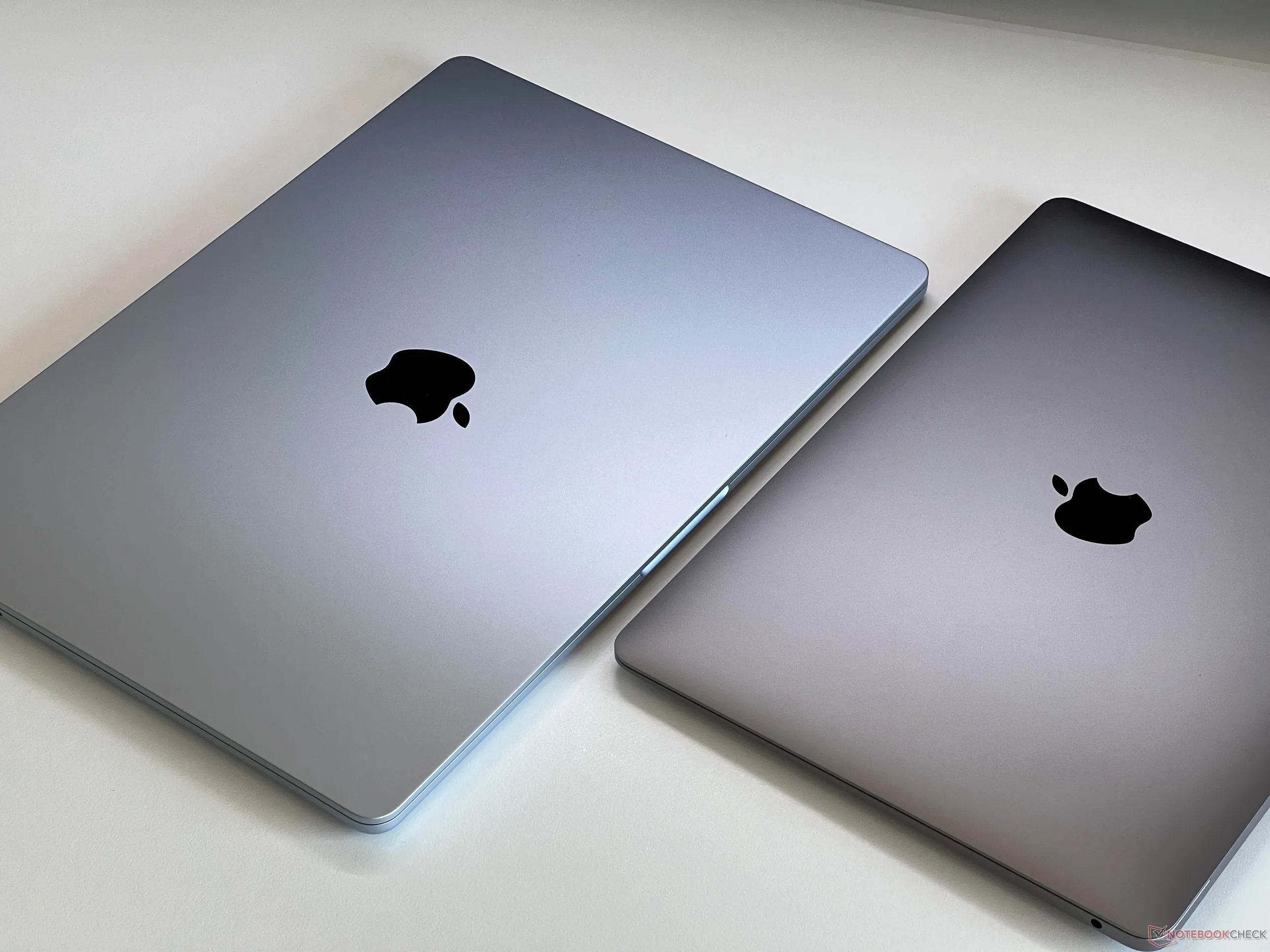
Apple's new 15-inch MacBook Air got a very good rating in our review and the combination of the powerful M5 chips and the completely passive cooling solution stays unique. There is simply no fanless alternative in the Windows camo with decent performance figures. This is also the case for Qualcomm's Snapdragon ARM processors so far.
There are still some areas where Windows alternatives have the upper hand, and some some aspects are simply more noticeable on the larger and more expensive MacBook Air 15. This starts with the display. Apple still uses an IPS screen that is limited to 60 Hz. The resolution is good, it covers the P3 color gamut and the color accuracy is also very good, but Lenovo uses some OLED screens that show what the current reference looks like in the 15-inch segment. One example is the ThinkPad X9 15 with its 120 Hz OLED screen that offers impressive image quality combined with low consumption figures, so long runtimes are no problem. With SDR contents, the OLED also reaches around 500 nits, but it can increase the brightness all the way up to 1100 nits for HDR contents. However, we are pretty sure Apple must use another option, because the manufacturer wants to realize a similar display experience on both MacBook Air variants and there is just not much to choose from in the 13-inch segment, which was already an issue for the new Asus ProArt PX13.
The second aspect is the keyboard, and even though the keystrokes are precise, the MacBook Air and the MacBooks in general, respectively, only offer a very shallow key travel. There are once again Windows laptops with better keyboard, even on very slim devices. This once again includes the ThinkPad X9 15 with a key travel of 1.35 mm or the Asus Zenbook S16 with a key travel of just 1.1 mm, but the typing experience is still very good and superior to Apple's devices. We can only hope Apple will use better keyboards for the next major redesign, because better models are available.
With the new MacBook Neo, repairability also gained a bigger focus. Replaceable SSDs and memory are most likely out of the question for future models (even though there are smaller and replaceable LPCAMM modules), but Apple can make it easier to repair components. The new MacBook Neo, for example, does not use adhesives anywhere and all components are simply fixed with screws and can be replaced, including the battery or the modular ports. Talking about ports, additional USB connectors would be nice on the right side of the MacBook Air.
All in all, there is still quite a bit of potential to improve the MacBook Air and we are already eager to see upcoming models. Please see our review of the current M5 generation of the MacBook Air for more information.
 Add as a preferred source on Google


