




Googlebook OS is coming to some Chromebooks — but Google hasn’t said which
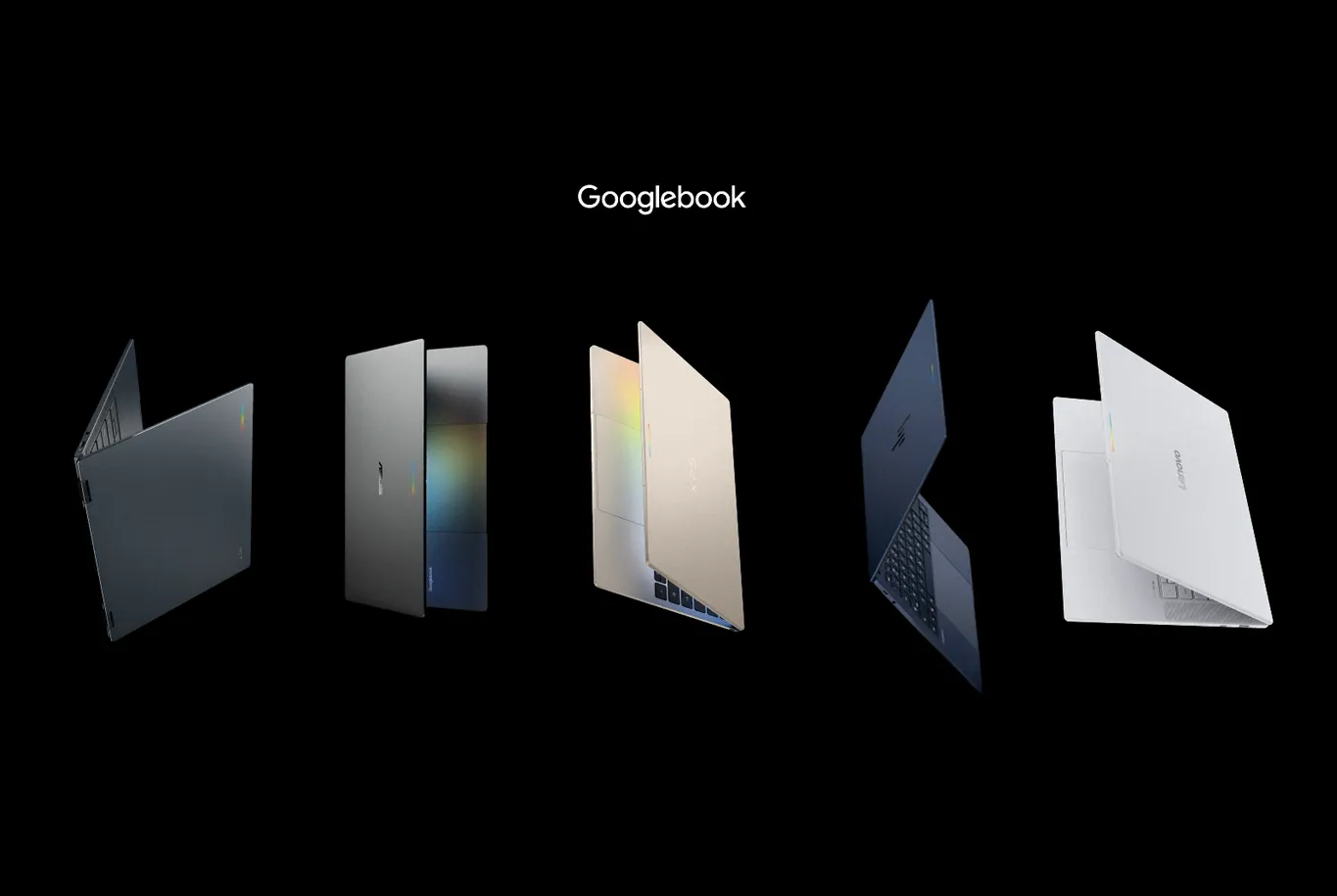
Google has confirmed that at least some newer Chromebooks will be able to upgrade to Googlebook OS, its AI-focused successor to ChromeOS. The company has not yet revealed the full list of supported models, but says details on eligibility and migration paths will be shared soon.
The information appeared in a Google support document quietly published last week. According to the company, “many” of its newest Chromebook devices will be eligible to make the transition. Google has not published minimum specifications or said whether the upgrade will be available for all recent devices, leaving major questions unanswered for Chromebook owners.
The specifications of the first Googlebooks could provide some clues about the hardware requirements. All of the initial models include at least 16GB of RAM and a touchscreen, although Google has not confirmed that either feature will be mandatory for Chromebooks receiving the update.
Current Googlebook hardware is also notably more powerful than that of a typical budget Chromebook. The first models use either Intel Core Ultra Series 3 processors or Qualcomm’s Snapdragon X Elite platform, positioning the devices as higher-end laptops built around AI features.
Googlebook OS is intended to combine elements of ChromeOS and Android, with closer Android phone integration and a stronger focus on Google’s Gemini AI. Google is positioning the platform as a more capable operating system for AI-powered laptops, rather than as an immediate replacement for every low-cost Chromebook.
For now, existing Chromebook owners have no reason to assume their devices will be abandoned. Google says ChromeOS will continue receiving regular software and security updates through mid-2034, while individual Chromebook models will receive support for 10 years from their release date.
The company also said that buyers of qualifying Chromebooks whose 10-year support window extends beyond 2034 will be supported in moving to Googlebook OS. However, Google’s use of terms such as “qualifying” and “many devices” suggests that some models will not make the transition.
 Add as a preferred source on Google


No comments for this article
