




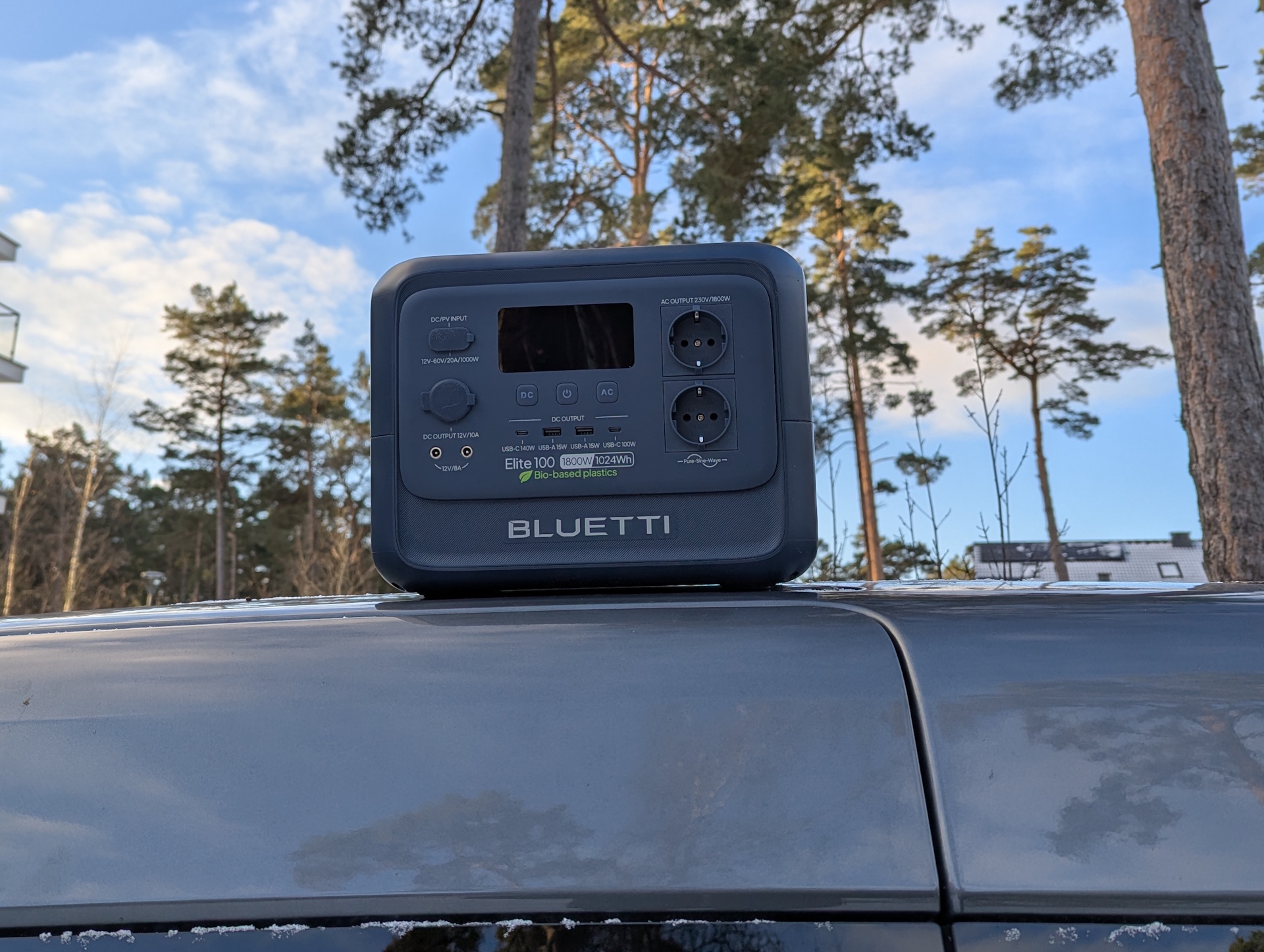
Good power station – or just green marketing? Bio-based Bluetti Elite 100 V2 with 1 kWh reviewed
Bio-degradable case?
Bluetti markets the Elite 100 V2 not only as a compact power station for mobile use, but puts strong emphasis on its new bio-based plastic enclosure. Sustainability is positioned as a key selling point – but how much does this approach actually matter in real-world use? Our review shows how the Bluetti Elite 100 V2 performs day to day and whether its “green” promise goes beyond marketing claims.Christian Hintze (translated by Christian Hintze) Published 🇩🇪 🇫🇷 ...
Verdict – Bio as a selling point?
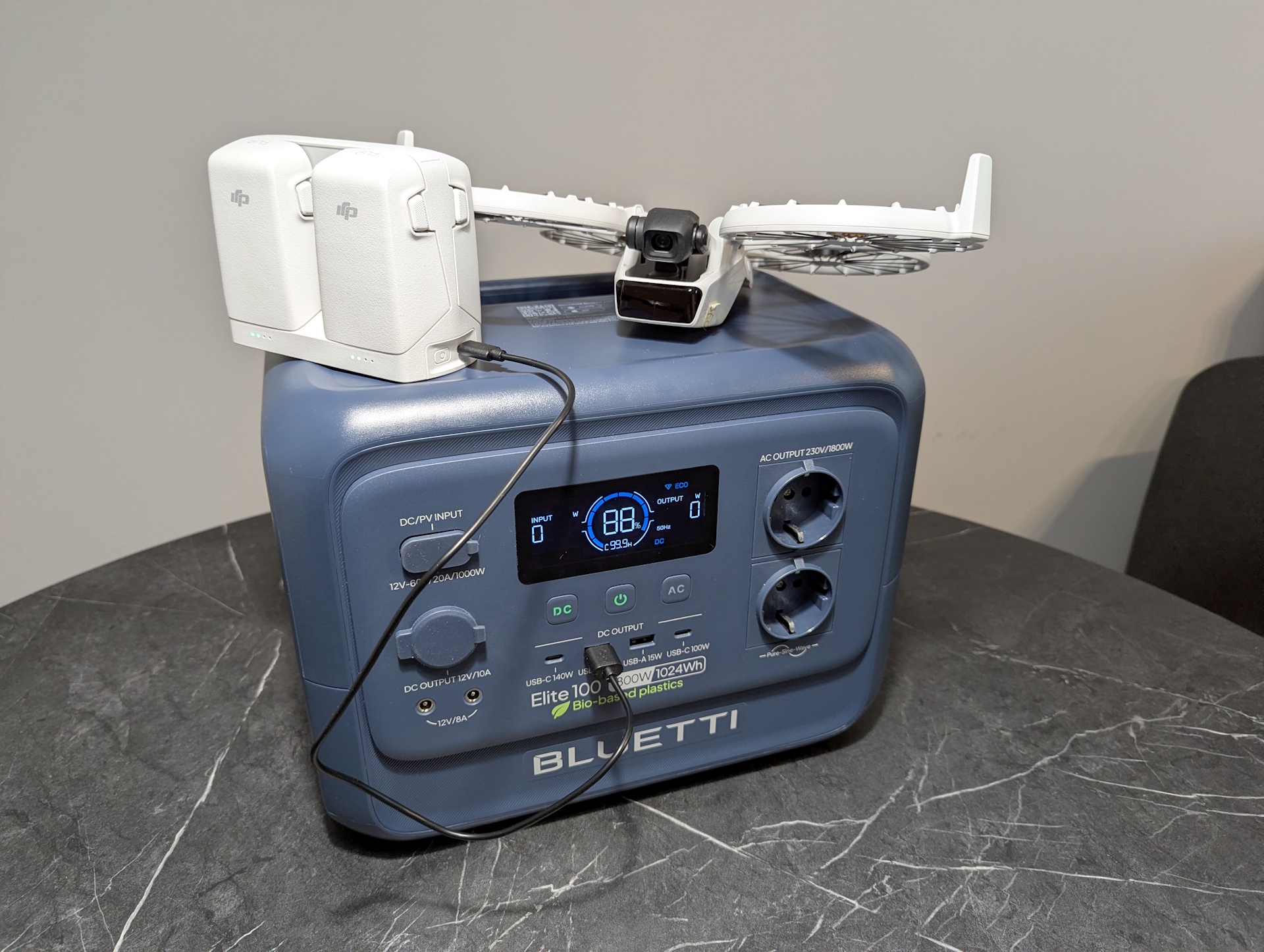
For its size, the Elite 100 V2 is a very capable power station. With 1 kWh of capacity, it provides enough energy for most everyday tasks, and thanks to its 1,800 W continuous output and double that for surge power, it can handle the majority of common appliances. Fast UPS functionality ensures that critical devices continue running without interruption during a power outage. The enclosure made from bio-based materials may be an additional factor to consider when making a purchase decision even though the designers don't want to disclose the exact material composition.
We would have liked to see a second solar input to better utilize the advertised 1,000 W of solar charging. In addition, the cooling fans could be quieter under higher loads.
Pros
Cons
Price and availability
On Bluetti’s website, the power station currently retails for €509. Our readers can get an additional 5 percent discount using the code BLUETTINBC.
Table of Contents
- Verdict – Bio as a selling point?
- Specifications - How fast does the V2 charge via wall outlet, solar, or car?
- Case & design – What does the bioplastic actually change?
- Ports – Is 1,000 W of solar input realistic?
- The Bluetti app – One app for all models
- Real-world testing – Charging and powering devices at the same time?
The Bluetti Elite 100 V2 has been available for some time, but the model is now offered in a new enclosure made from bio-based plastic. According to TÜV certification, this reduces the CO₂ footprint by 25 percent. Bluetti claims to be the first power station manufacturer to use circular bio-based materials for its housings.
This could be a compelling argument for environmentally conscious off-grid users.
Specifications - How fast does the V2 charge via wall outlet, solar, or car?
| Feature | Bluetti Elite 100 V2 Bio-based |
| Battery type(capacity) | LiFePO₄ (1,024 Wh, 20 Ah) |
| DC/Solar Input | 1,000 W (at 12 - 60 V); charged in 70 min (at max input power) |
| AC Input | 1,200 W (80 % in 45 min) |
| Output | 1,800 W |
| Surge output | 3,600 W |
| UPS | 10 ms |
| Size | 320 x 215 x 250 mm |
| Weight | 11,5 kg (25,3 lbs) |
| Extras | 1× AC Charging Cable, 1× M5*10 Screw, 1× User Manual |
| Warranty | 5 Jahre |
Case & design – What does the bioplastic actually change?
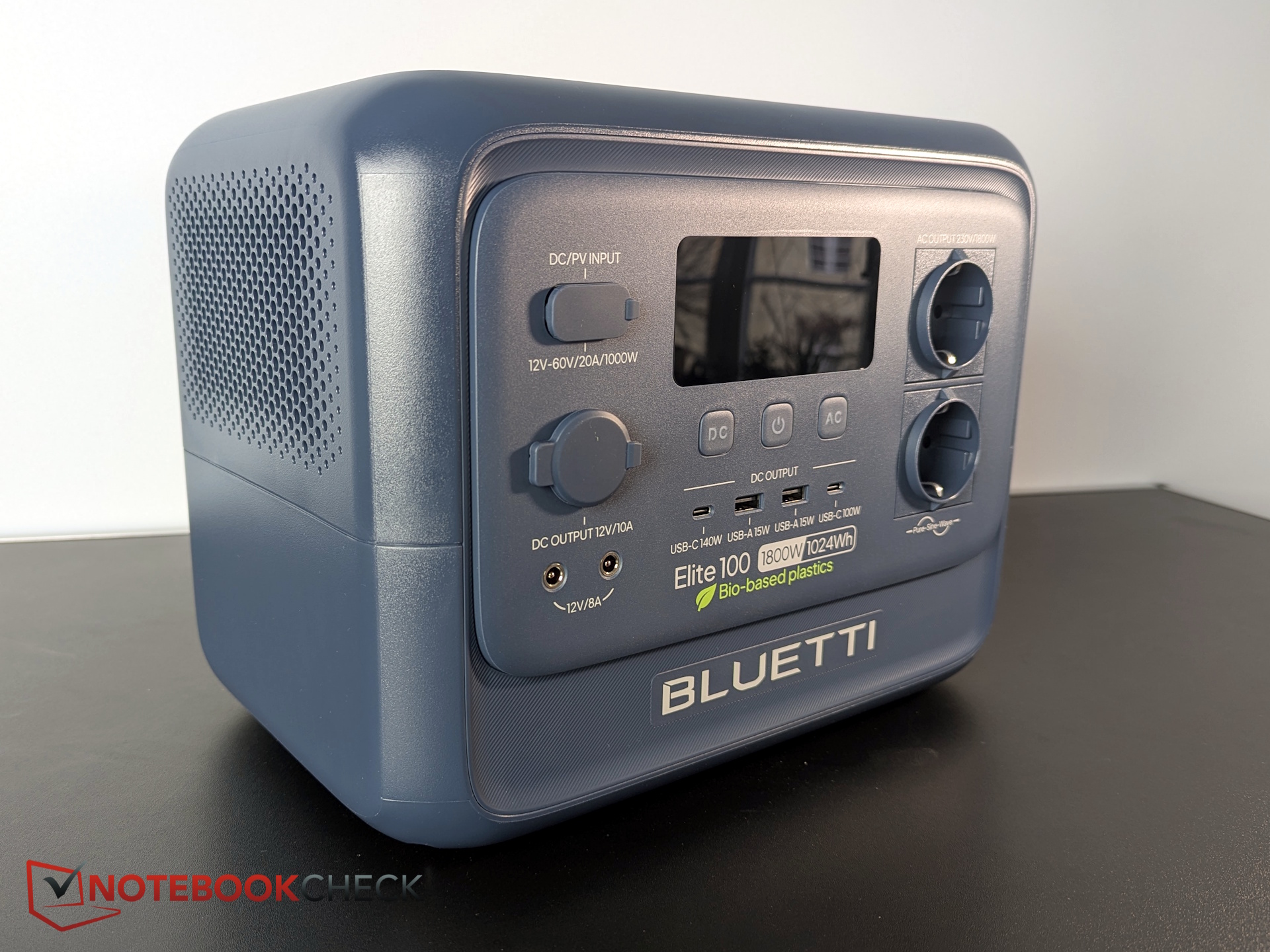
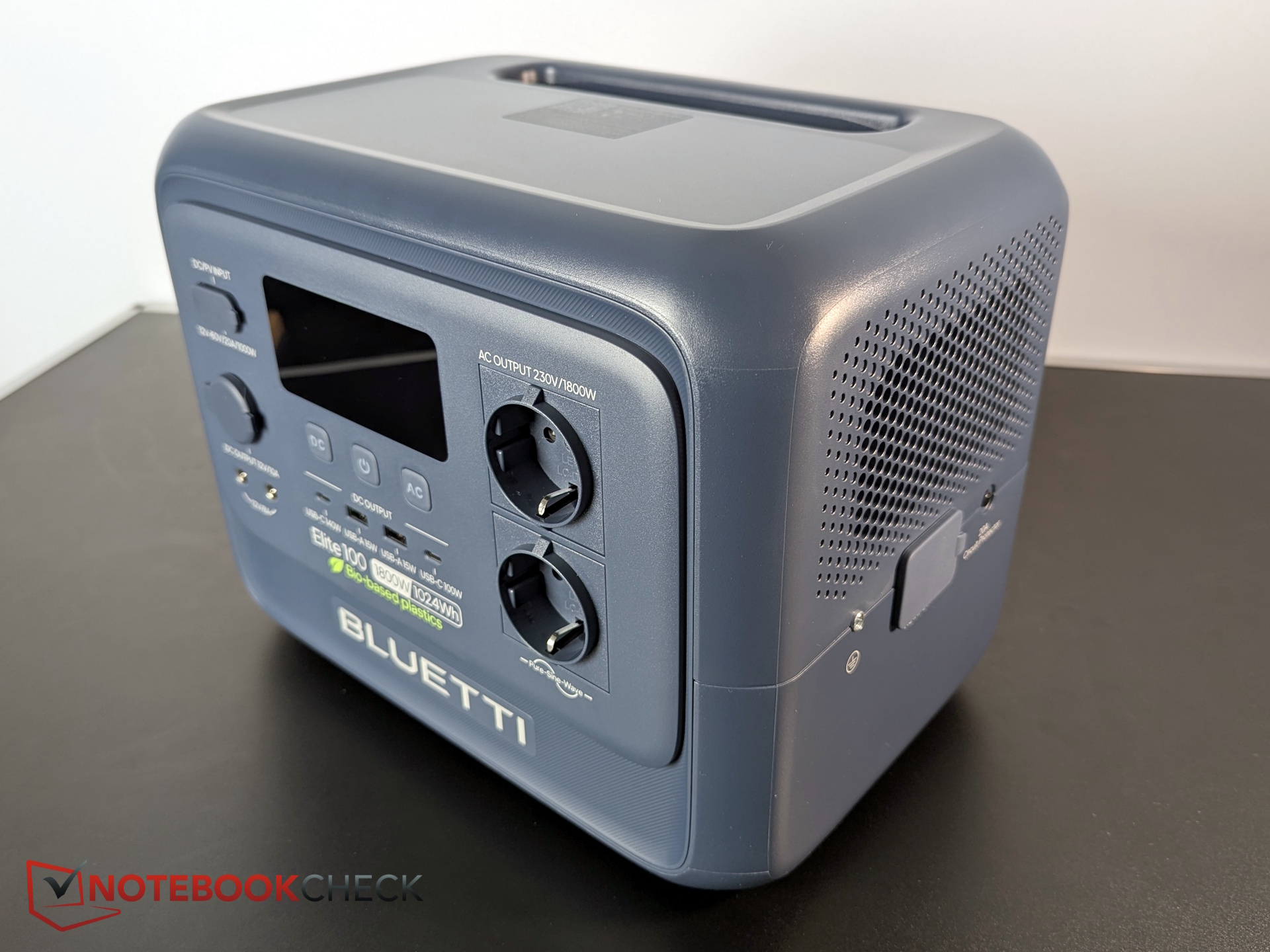
Bluetti states that key parts of the enclosure are made from recycled waste materials and agricultural byproducts such as corn, straw, rice husks, sugarcane, and used cooking oil. To visually distinguish it from the standard model, the front now carries a “Bio-based plastics” label. While the original power station comes in black, the new version features a dark blue color scheme.
Using bioplastics reduces resource consumption and lowers CO₂ emissions during production, making the device significantly more environmentally friendly than the original version. While Bluetti does not disclose the exact material composition, the unit is ISCC PLUS (here are more information about the certificate) certified, a sustainability and traceability certification for materials and products. One downside: we noticed a slightly unpleasant odor lingering for quite some time.
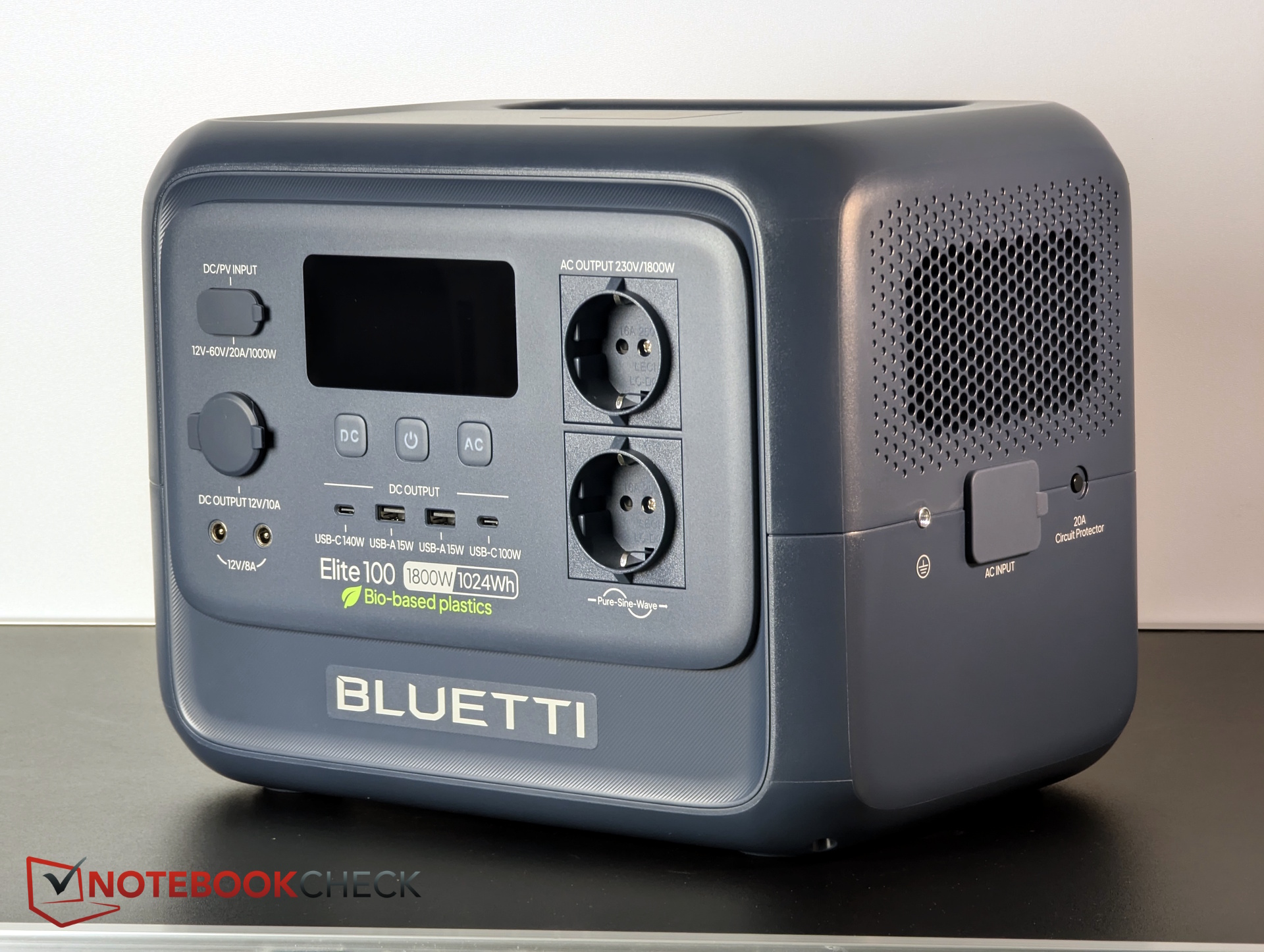
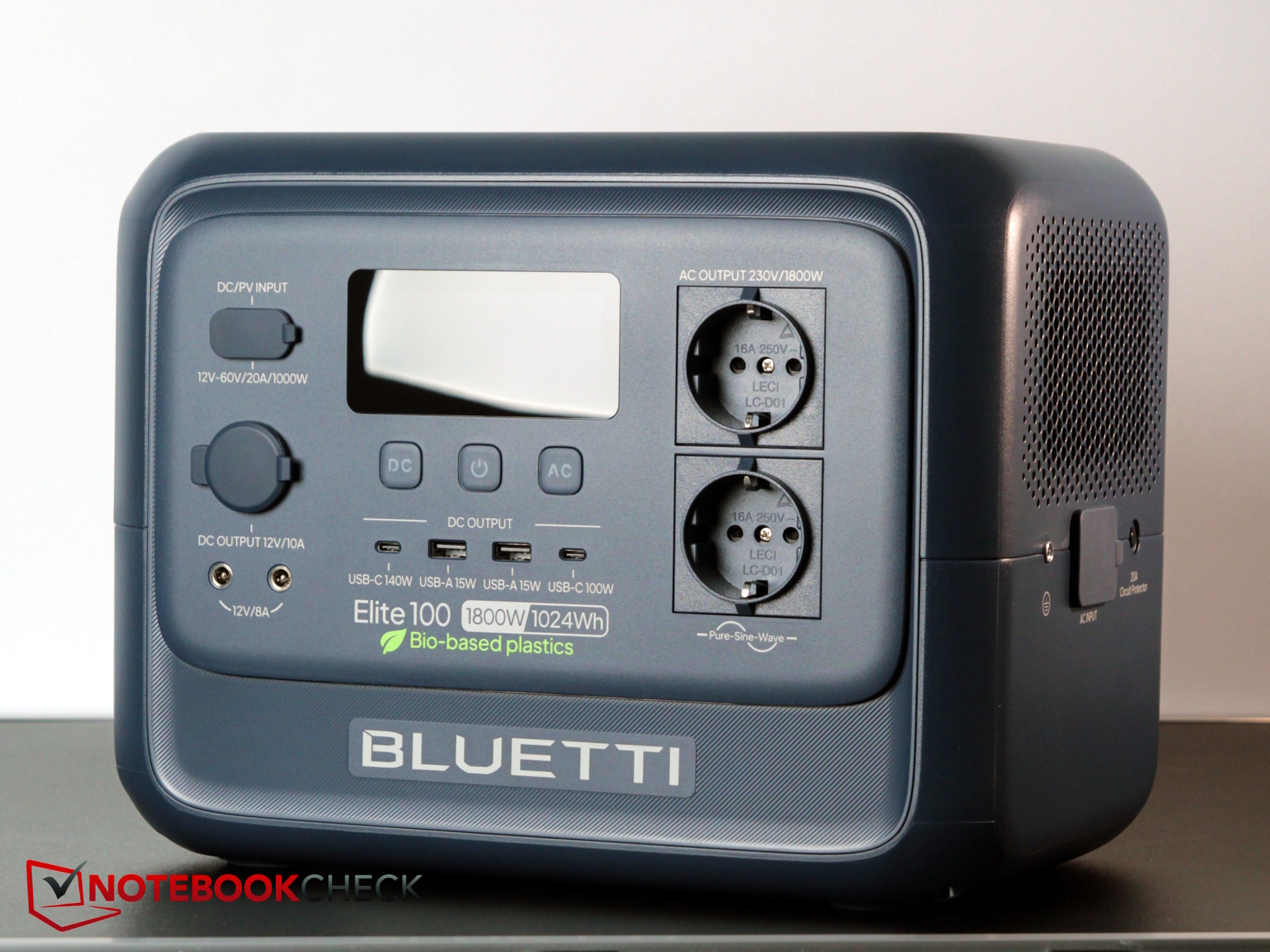
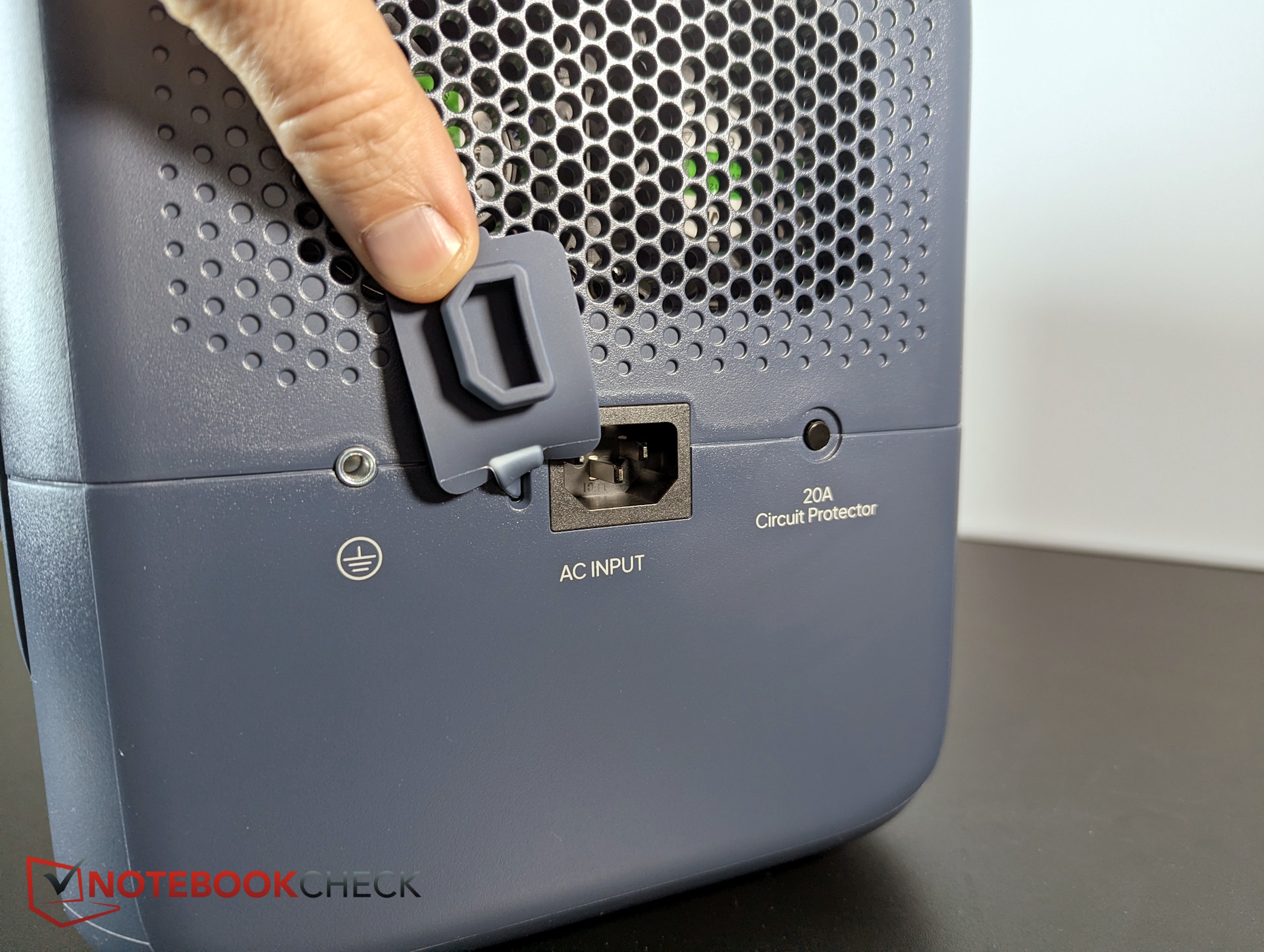
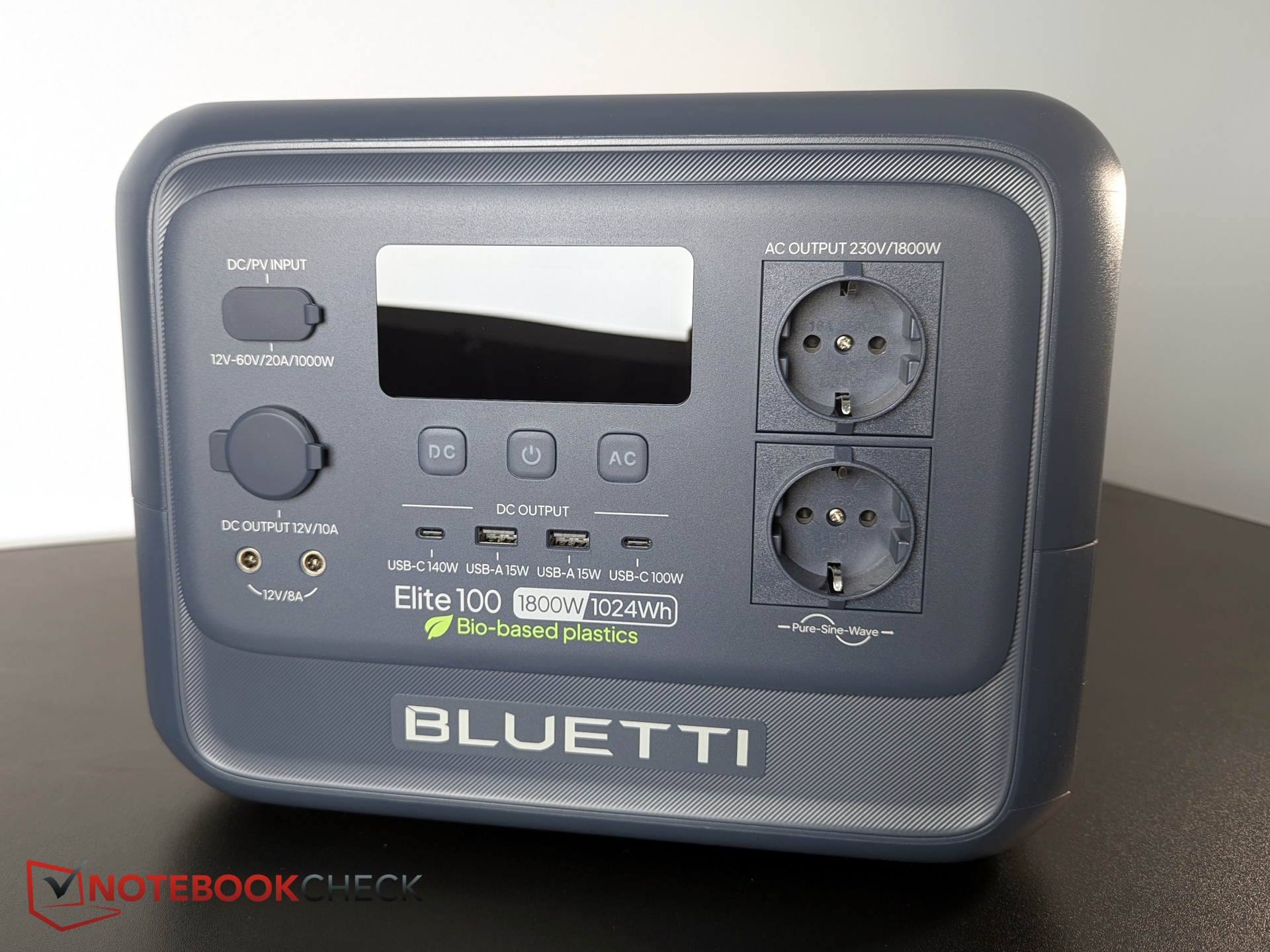
Most ports are located on the front. The AC charging port sits on the right side, with two cooling fans above it that briefly spin up every time the power station is turned on.
The three control buttons on the front feel somewhat cheap. They appear to be mounted on a shared plastic strip, meaning all buttons move slightly when one is pressed. Accessing the settings requires pressing the left and right buttons simultaneously, although using the app is more convenient.
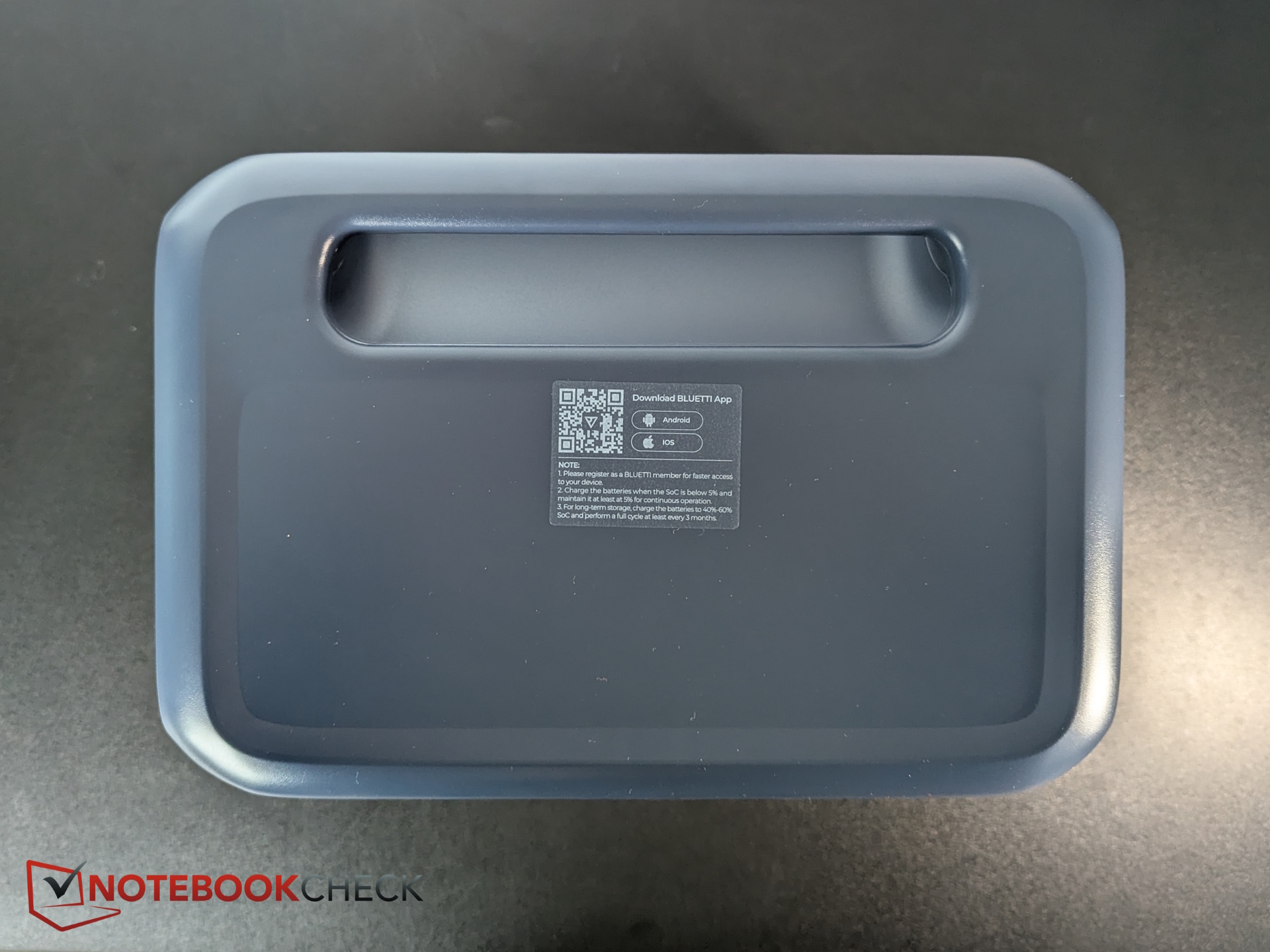
Accessories
Apart from an AC power cable, a single M5 screw, and the user manual, no accessories are included. A suitable solar charging cable or car charging cable would have been appreciated.
Ports – Is 1,000 W of solar input realistic?
The power station supports simultaneous solar and AC charging, but the combined input is capped at 1,200 W, which is also the maximum AC charging power. Using both sources at the same time does not increase the total charging speed beyond this limit.
Inputs – XT and AC
Both the MPPT controller and AC charging controller are integrated, allowing the unit to be charged from a standard wall outlet using a regular PC power cable.
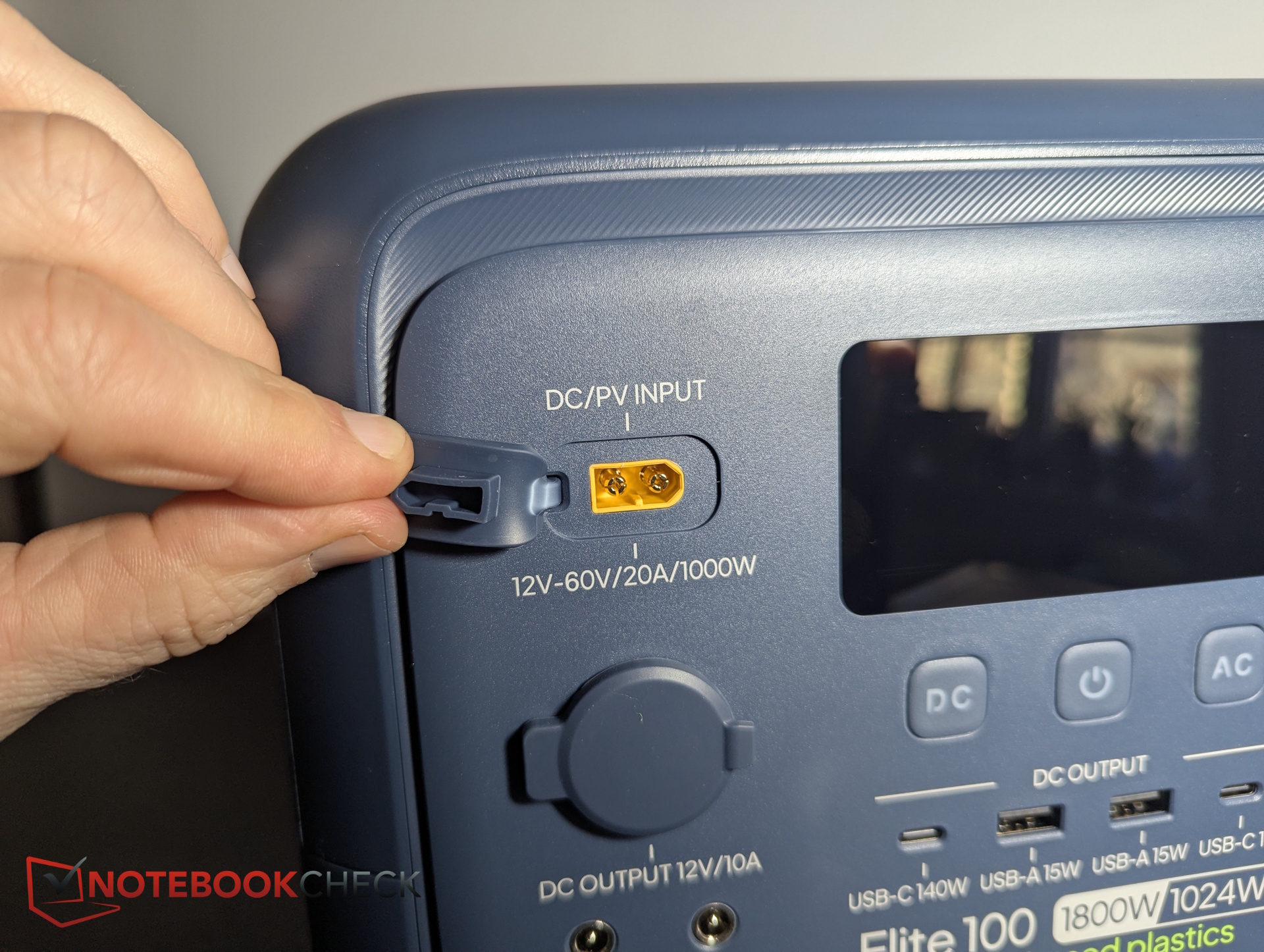
Solar panels (12–60 V, max. 20 A) are connected via an XT connector. Unfortunately, there is only a single solar input, which makes reaching the advertised 1,000 W input difficult in practice. For example, a single Bluetti PV350 panel already has an open-circuit voltage of 46.5 V, making series connections impractical due to the 60 V limit. Two panels in series would be electrically acceptable at 9.2 A each, but would still only deliver around 700 W.
Even combining five Bluetti 200 W panels (22.9 V, 10.31 A) does not allow the system to reach 1,000 W. A second XT input would have been a sensible addition.
Outputs – 4× USB, 2 AC outlets, 2 DC
Up to nine devices can be powered simultaneously by the Elite 100 V2. The unit offers two USB-C ports (100 W and 140 W), while the USB-A ports deliver 15 W (5 V / 3 A). The two DC barrel connectors provide 12 V at 5 A.
The Bluetti app – One app for all models
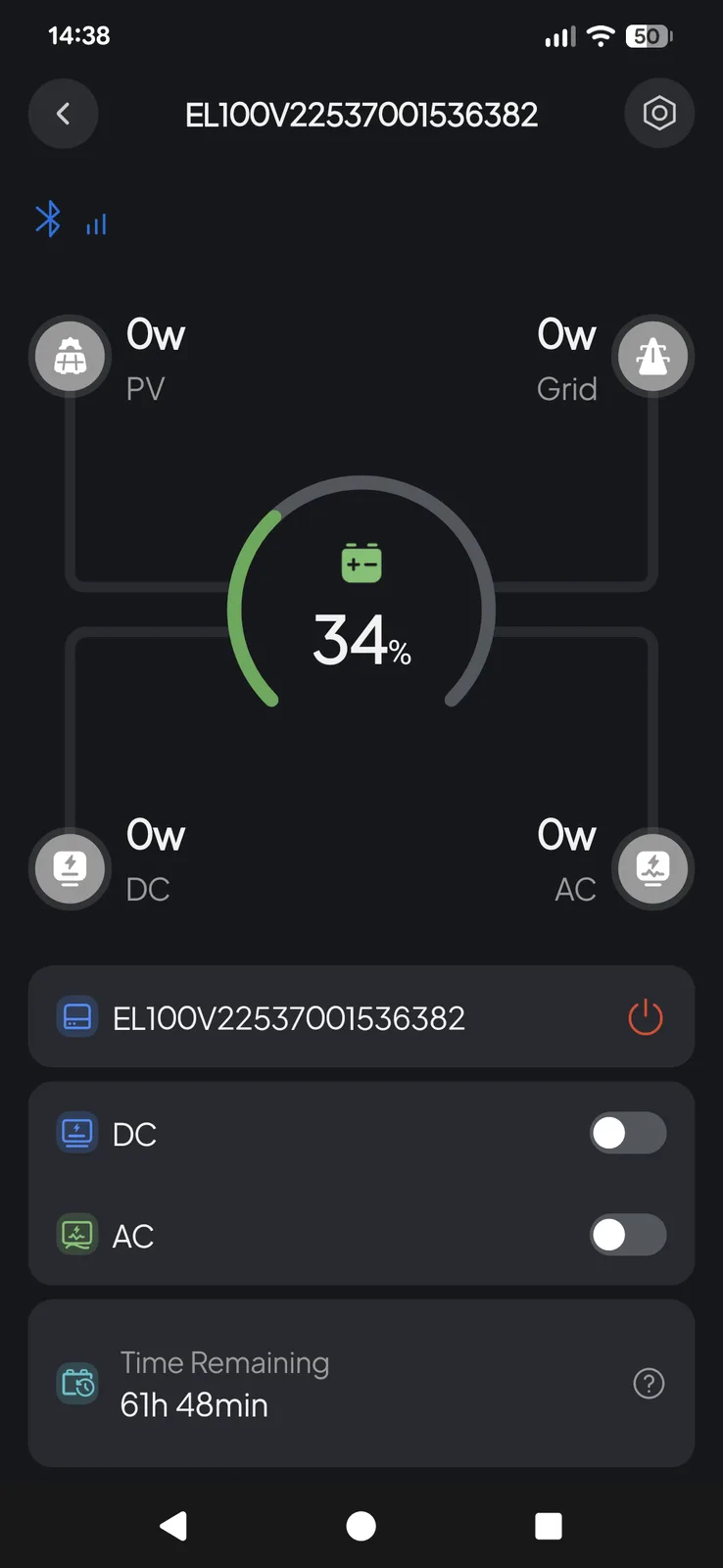
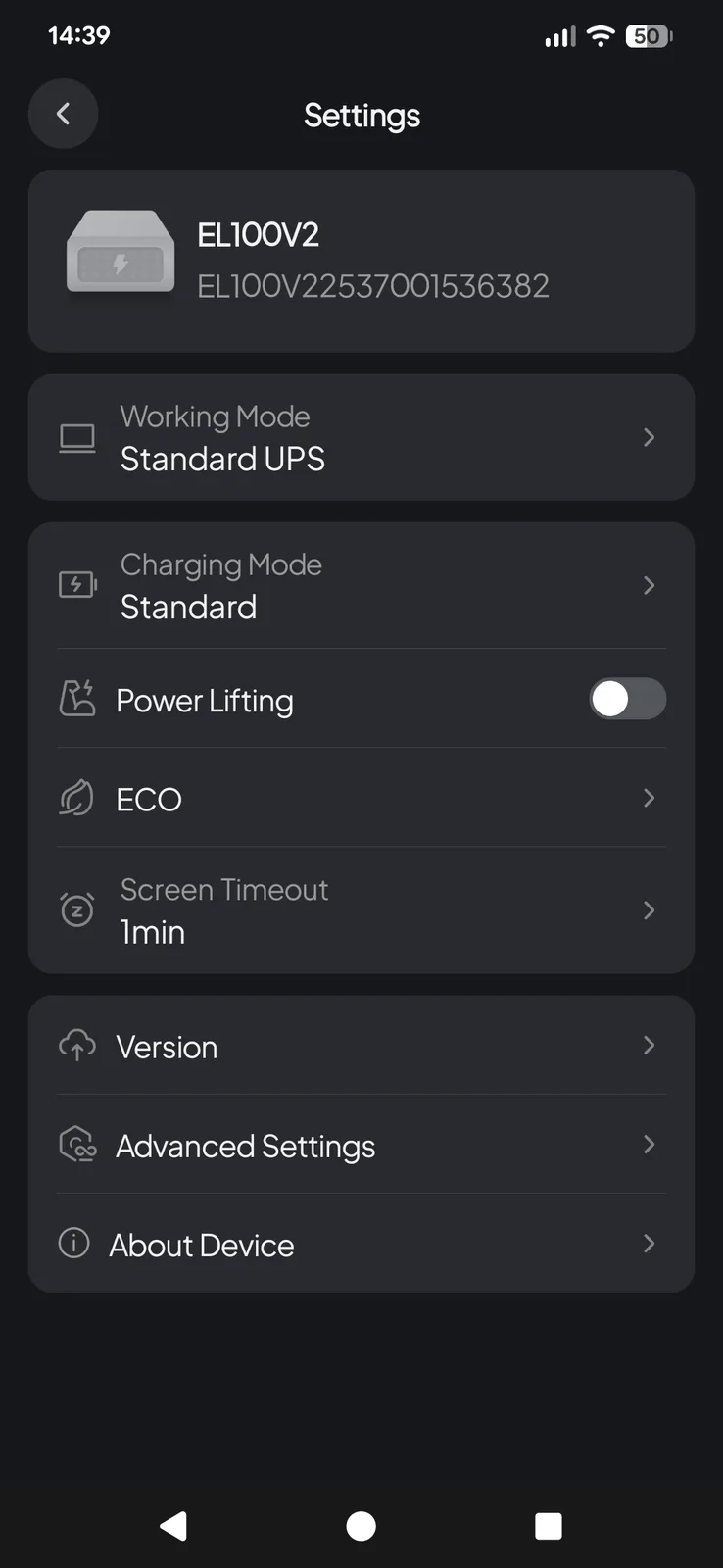
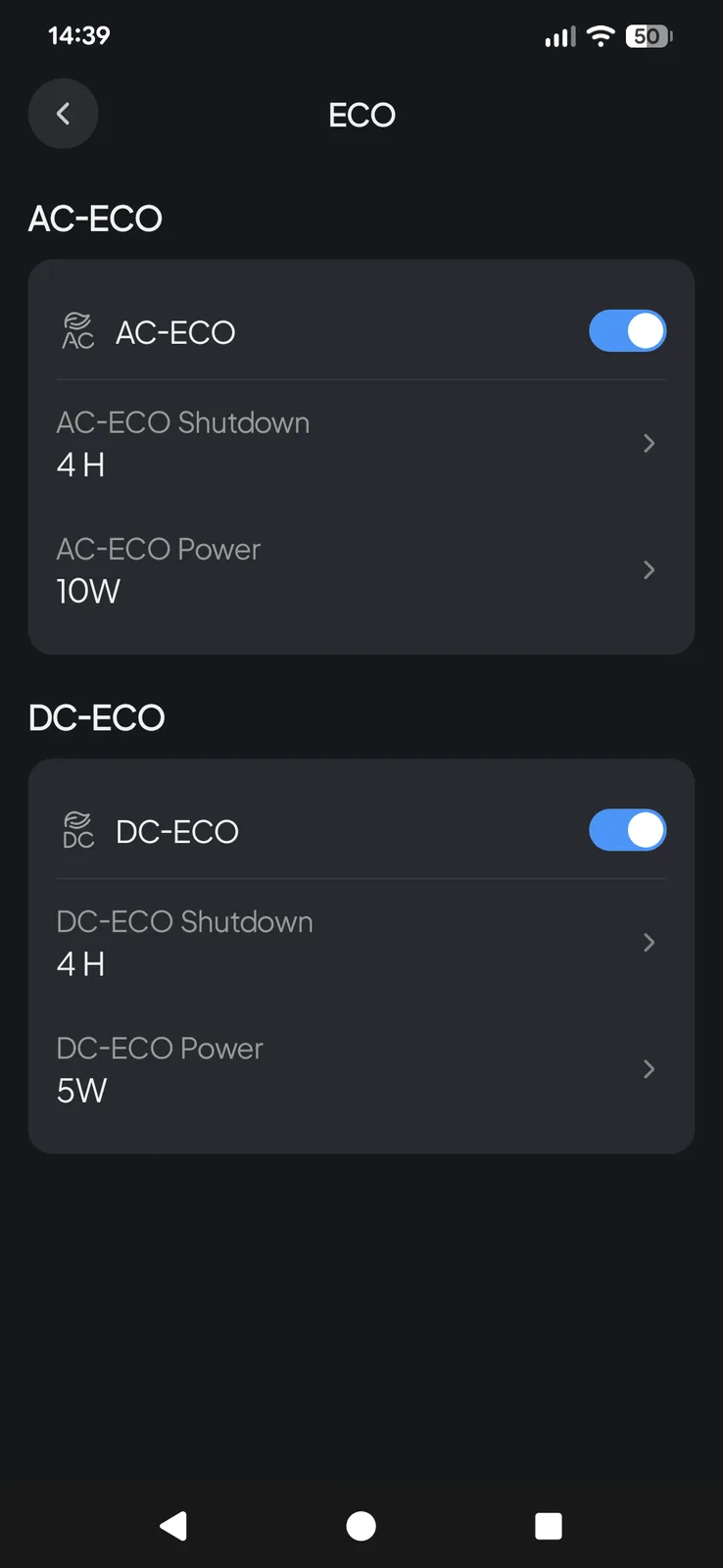
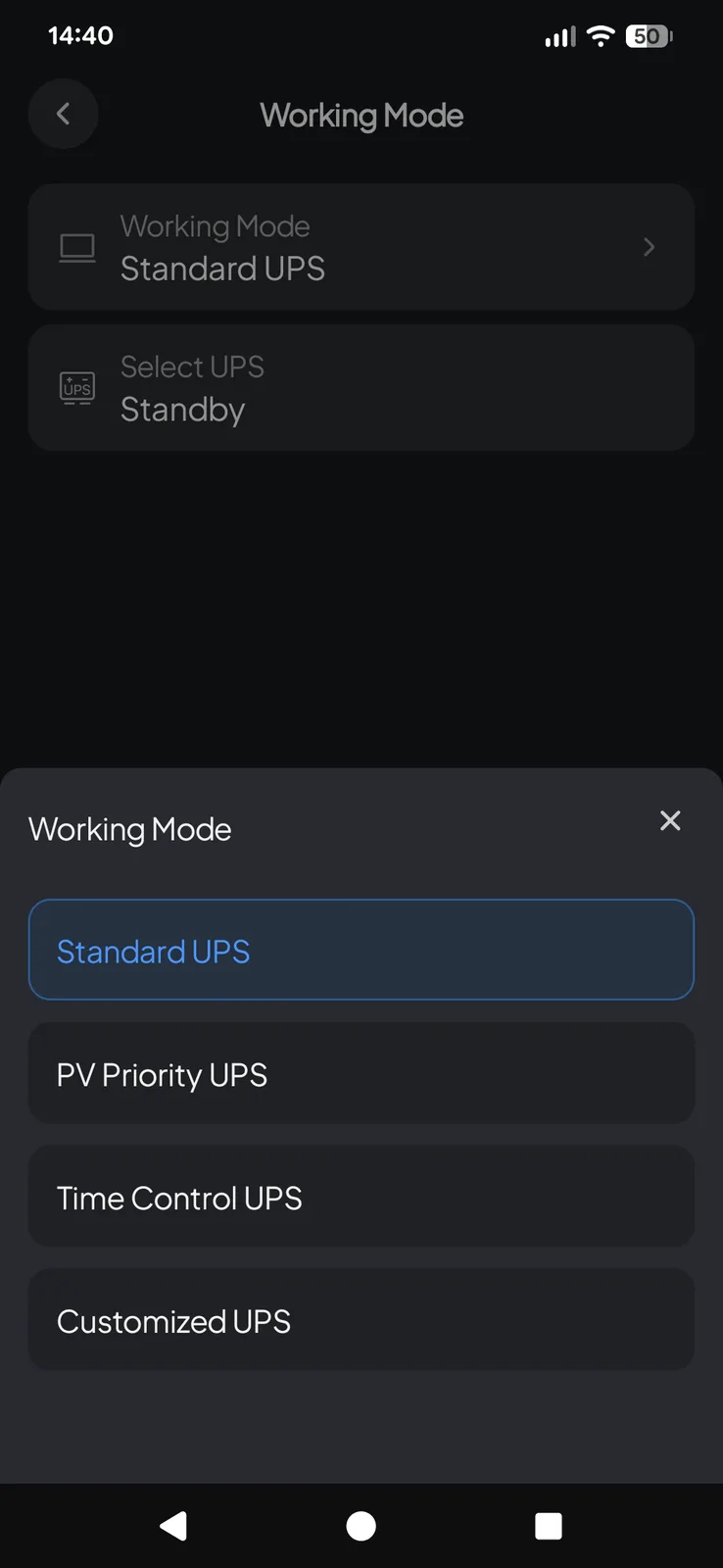
Instead of relying solely on Bluetooth, the V2 can also be integrated into a home Wi-Fi network, significantly extending the effective control range compared to Bluetooth.
The app itself is clean and intuitive. Unlike some competitors, Bluetti consolidates all of its products into a single app rather than splitting functionality across multiple applications.
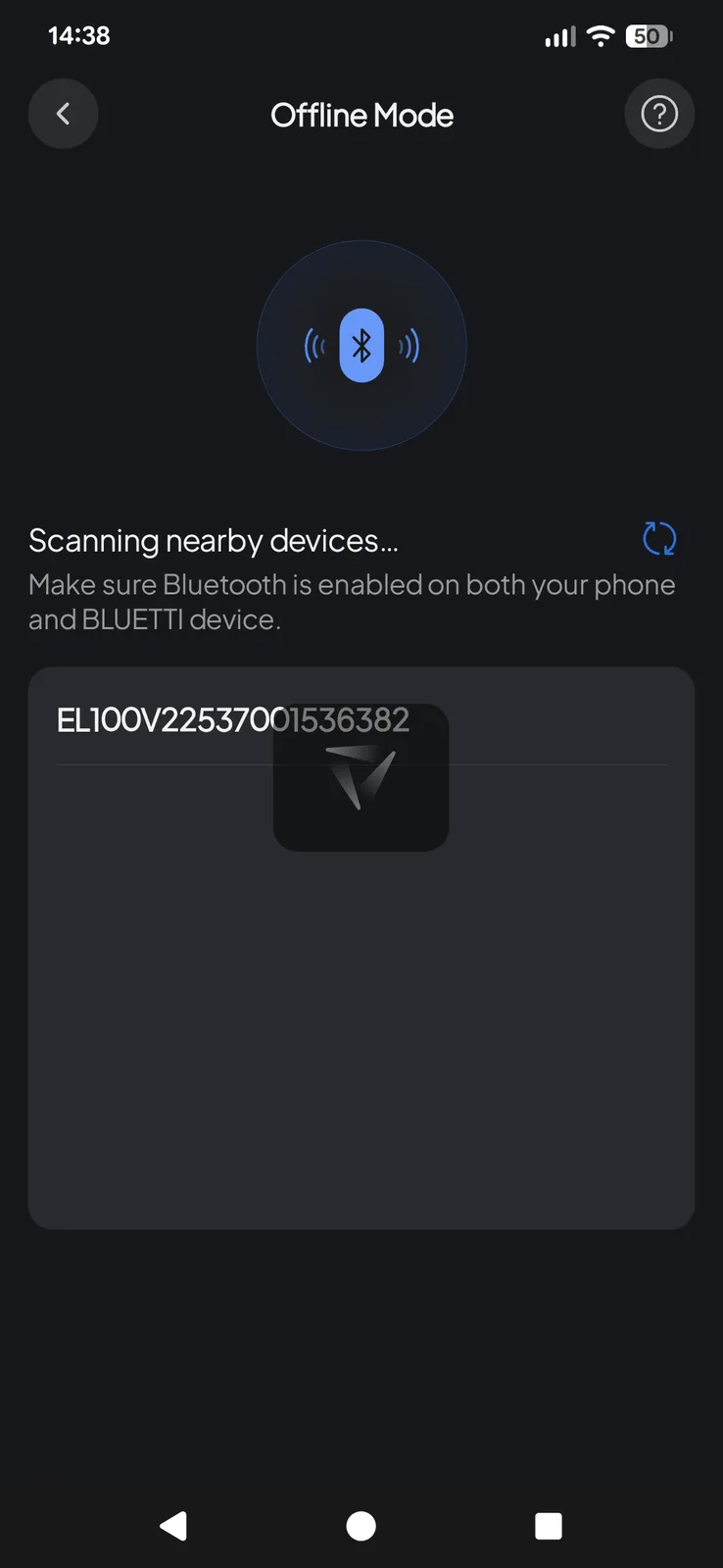
When creating an account, paired devices remain linked even after restarting the app. In offline mode, however, the power station must be rediscovered and re-paired each time.
Real-world testing – Charging and powering devices at the same time?
When connected to the grid, the V2 charges its internal battery while simultaneously supplying power to connected devices via pass-through charging. The UPS behavior can be adjusted in the app and even scheduled by time.
If Wi-Fi is not required, it should be disabled, as it increases standby power consumption. Some users report beeping noises when charging the V2 from a power strip, but we did not encounter this issue.
Uninterruptible power supply (UPS)
For the UPS test, we connected a lamp and charged the power station from the grid. When unplugging the charging cable, the lamp continued to run without any flicker or interruption.
Performance
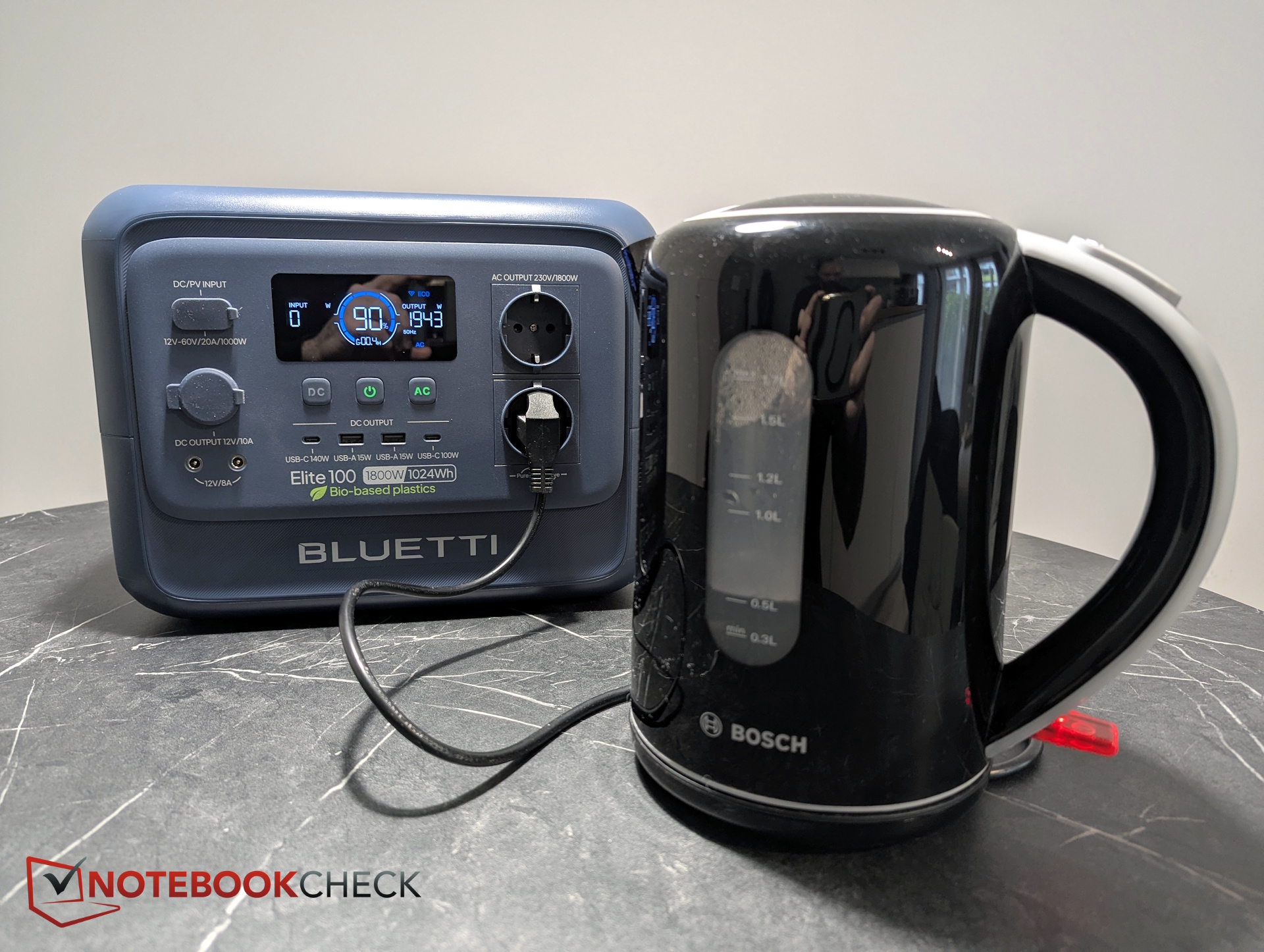
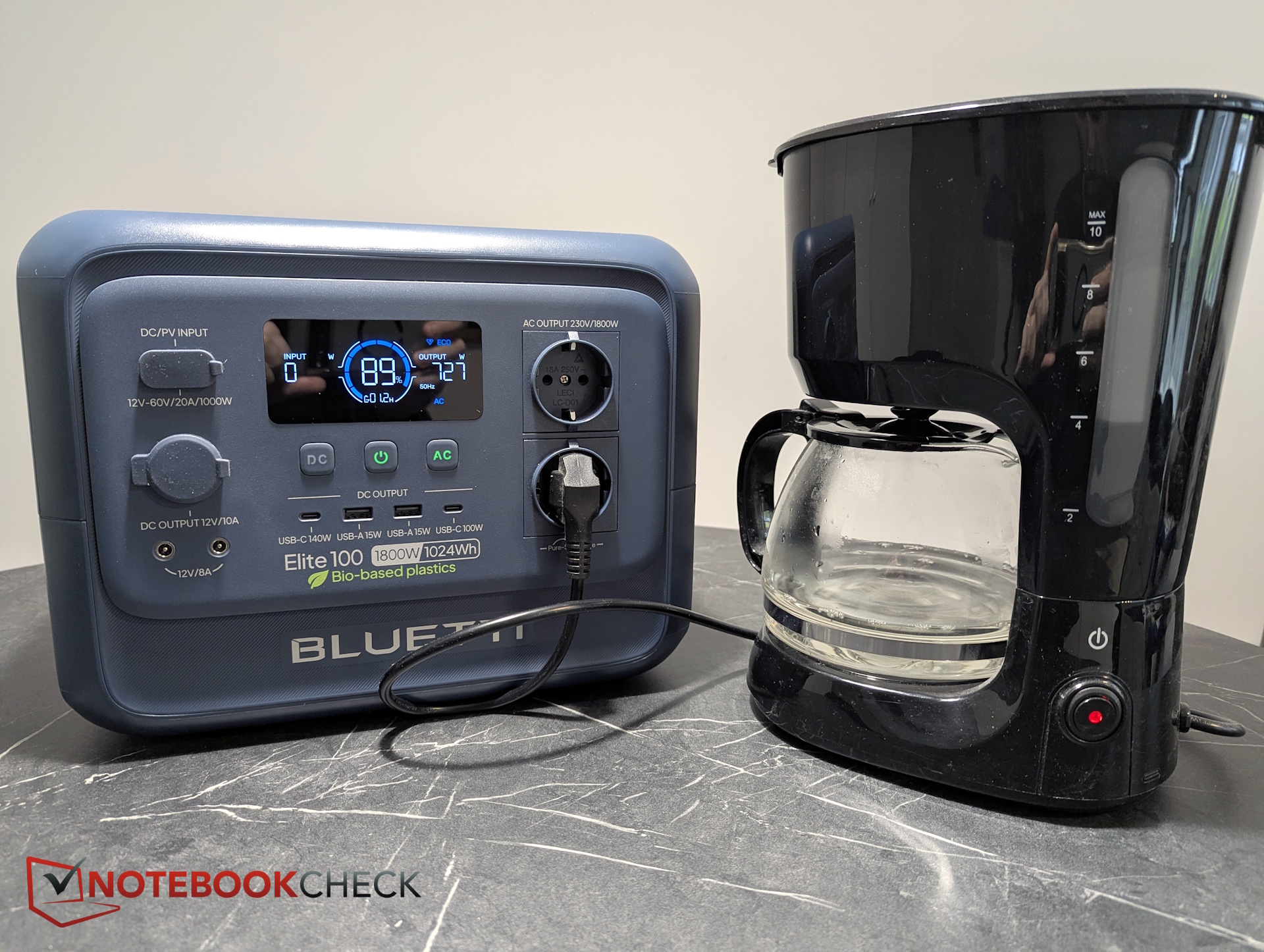
We tested a wide range of devices, including a kettle, coffee machine, drill, and other tools. All operated without issues. However, particularly demanding appliances may approach the 1,800 W continuous output limit.
When charging from a wall outlet, we observed charging power of up to 1,200 W, depending on the current battery level.
Noise levels
Bluetti advertises fan noise below 30 dB, but this only applies in Silent mode, which limits charging and discharging power to 600 W. In Turbo mode, where full performance is available, the unit becomes noticeably louder.

Transparency
The selection of devices to be reviewed is made by our editorial team. The test sample was given to the author by the manufacturer free of charge for the purposes of review. There was no third-party influence on this review, nor did the manufacturer receive a copy of this review before publication. There was no obligation to publish this review. As an independent media company, Notebookcheck is not subjected to the authority of manufacturers, retailers or publishers.
 Add as a preferred source on Google


