




Self-hosting: 4 reasons I still haven’t taken the plunge
As someone who values privacy and loves tech, the concept of self-hosting hooked me a long time ago. Running my own alternatives to services like Google Drive, Dropbox, iCloud, Netflix, and others sounds like a great way to break free from the big platforms.
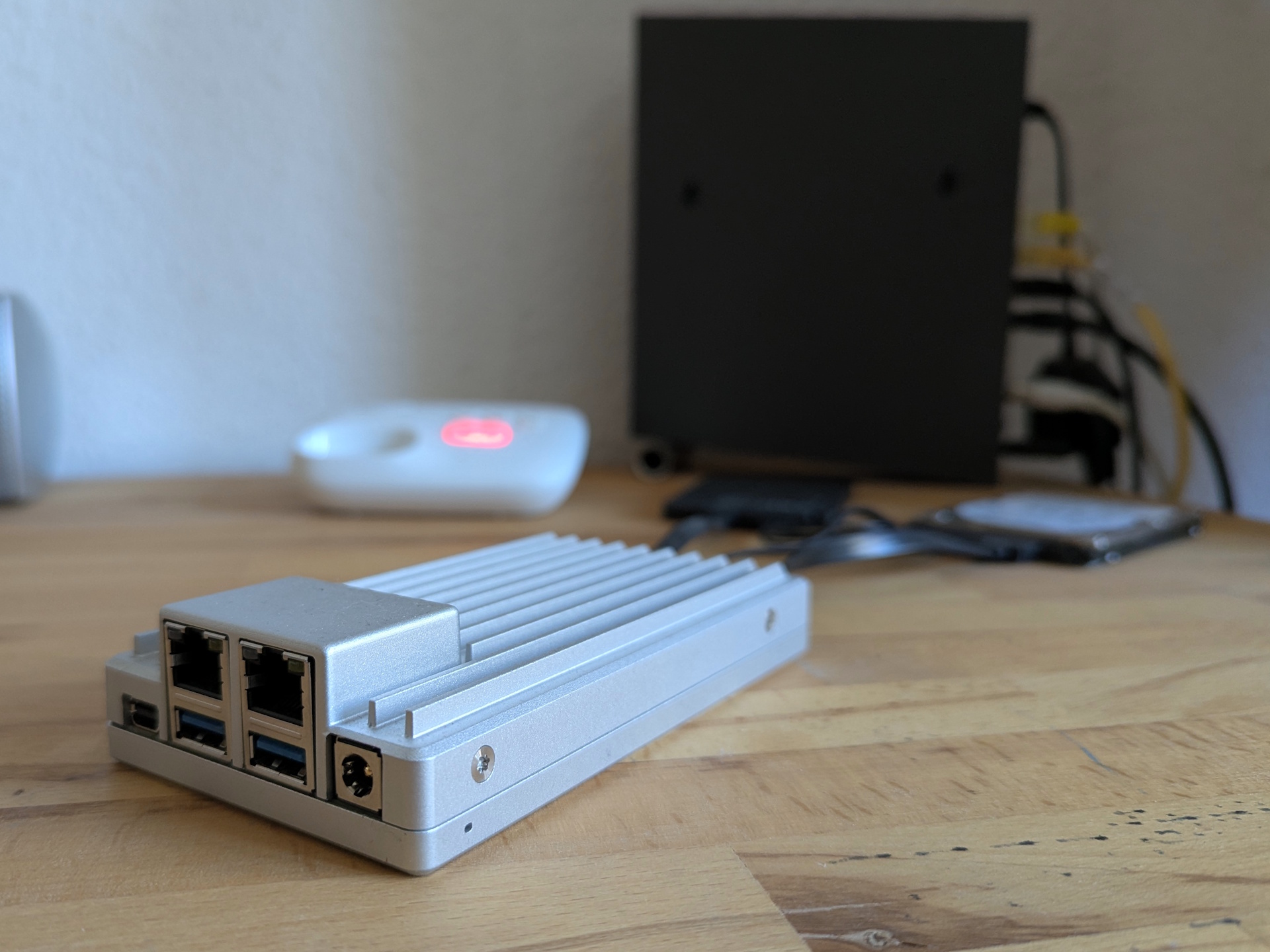
Hardware certainly isn’t the issue. It’s not like I’ve never run a server; in fact, quite the opposite. I’ve tested several home-server solutions from IceWhale—including the ZimaBoard 2 ($299, overpriced on Amazon)—and that gave me some practical hands-on experience. And to be fair, getting started really doesn’t seem that hard. But in my personal free time, I’ve never followed through in any serious, sustained way. So why not? My reasons—or excuses—so far have been these:
1. Time
As mundane as it sounds, time is probably the single biggest factor. With small children in the house, most hours outside of work are already spoken for. And on the rare evenings when I do have time, other priorities usually win.
2. Necessity & Convenience
Self-hosting can be genuinely useful, but let’s be honest—most of the time it’s more of a hobby than a necessity. Nearly every category already has established services that are far more convenient. Do I truly need a NAS, or is cloud storage just simpler? Do I really need a media server like Jellyfin filled with videos I’ve already seen—am I actually going to rewatch them often enough to justify the massive storage they consume? Or will I just end up watching something new on a streaming service anyway?
3. Costs
A common argument is that self-hosting with open-source apps reduces subscription fees. That may be partly true, but: first, self-hosting is far from free. Beyond the upfront hardware investment—plus the inevitable growth in storage needs—there are ongoing electricity costs that add up. Second, I keep very few subscriptions in general. Otherwise I’d worry about losing track of expenses, and I’m pretty skeptical of subscription models as a whole. And if you factor in the time investment as a cost, self-hosting is often far less cost-efficient than people make it sound.
4. Steep learning curve
Connecting a PC to your router via LAN and using it as network storage is simple enough. But full-on self-hosting is bottomless—things escalate quickly. For example, maybe you want to host a public-facing website but your ISP doesn’t provide an IPv4 address. Suddenly you’re burning hours researching alternatives and workarounds, setting up accounts (Tailscale, Cloudflare), and troubleshooting. The learning curve climbs fast, and that loops right back to point 1.
My personal conclusion
Am I just looking for new excuses to avoid diving in? Probably. I suspect I’ll start soon anyway—the urge to finally do it has been nagging at me for far too long. These points aren’t meant as arguments against self-hosting; they’re simply the personal barriers that have held me back so far.
I see self-hosting as a potentially rewarding hobby—one where you can learn a lot. And that doesn’t fit neatly into a cost-benefit calculation. Everyone has to decide for themselves how much enjoyment they’d get out of a hobby like this.
 Add as a preferred source on Google


