Garmin CIRQA: Wearables scientist publishes preliminary findings
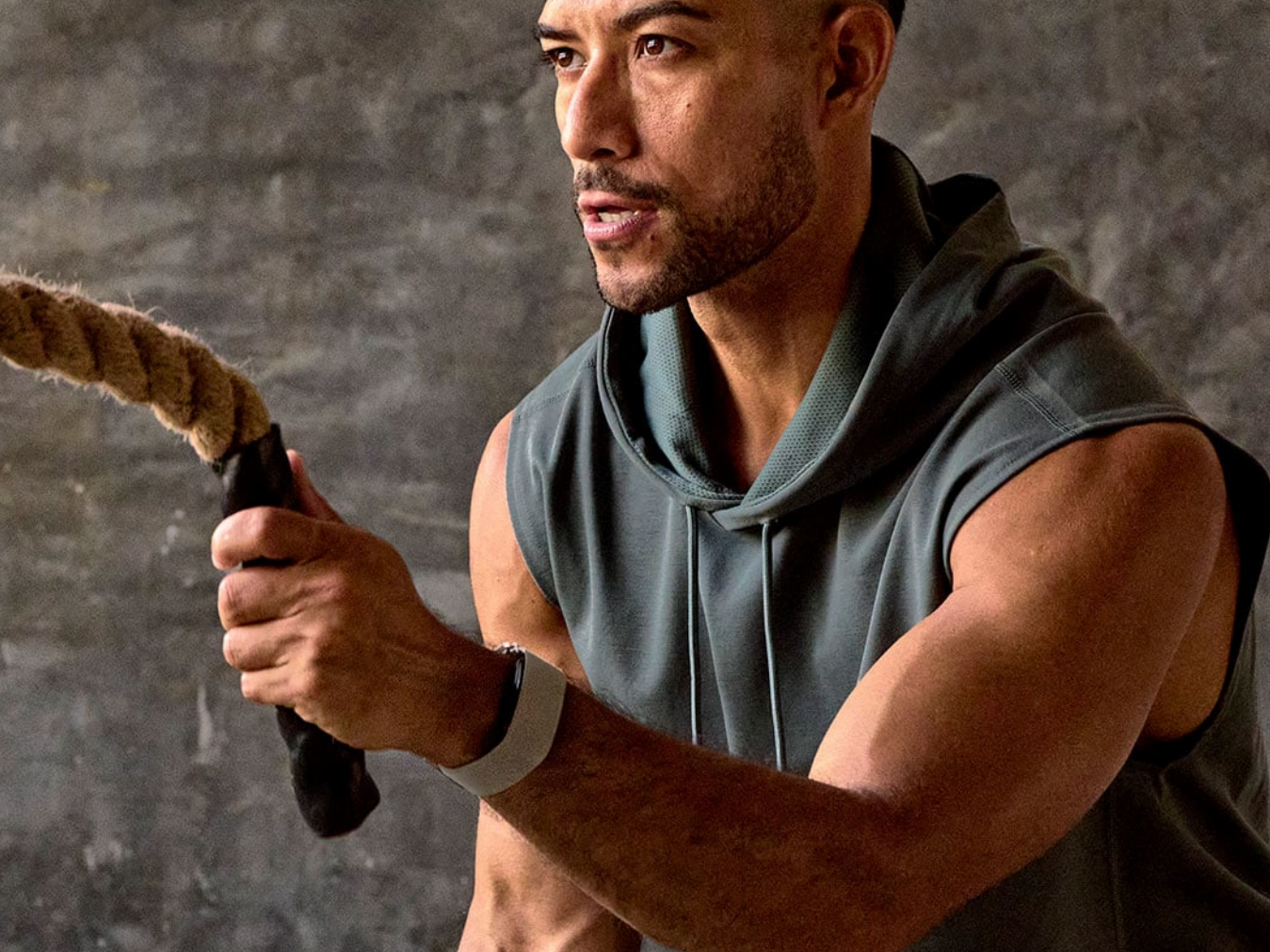
Ten days have passed since the launch of Garmin's CIRQA smart band. Interested buyers and health enthusiasts still on the fence about a possible purchase may be interested in the preliminary findings of Rob ter Horst, also known as "The Quantified Scientist," a Dutch researcher and YouTube creator who describes himself as a post-doctoral scientist specializing in biological data analysis. In other words, he evaluates wearable health and fitness devices using scientific testing methods. His reviews are widely regarded as some of the most data-driven in regard to wearable technology, as he carries out repeated tests across multiple exercise types and sleep sessions.
In a recently published video, Horst focuses primarily on the CIRQA's heart-rate and sleep tracking capabilities, using a Polar H10 ECG chest strap and an EEG-based sleep monitoring system for comparison.
Sleep tracking produced mixed results. Deep sleep detection appears to be one of the CIRQA's strongest features, with Horst noting an overlap of 76.5% with the reference. Light sleep accuracy was average, while REM sleep tracking proved less convincing. Across multiple nights, the device frequently failed to detect REM sleep during the first half of the night before becoming more accurate later in the sleep cycle. Then again, Horst cautions that the sample data is small and further testing may bring better results. For now, CIRQA's sleep tracking ranks as solid, but not among Garmin's best.
Exercise tracking, on the other, delivered stronger results. Heart rate measurements during indoor cycling closely matched reference readings. Outdoor cycling also demonstrated high accuracy, though readings skewed slightly low at times. Running performance was impressive during steady-paced workouts, although interval sessions with rapid pace changes caused occasional inaccuracies.
Weightlifting remains a challenge, as is common with wrist-based optical sensors, which Horst attributes to wrist tension interfering with the sensor's signal. Hence, no dedicated weightlifting session was included in these tests. Horst plans to use a bicep-worn strap for this purpose, noting that this tends to be much more accurate than wrist measurements. To this end, Horst has ordered five different bands from various companies, but expects it will be weeks before he can fully carry out these tests.
Source(s)
The Quantified Scientist (YouTube)
 Add as a preferred source on Google