




Experimental community mod significantly boosts DLSS 5 NR performance
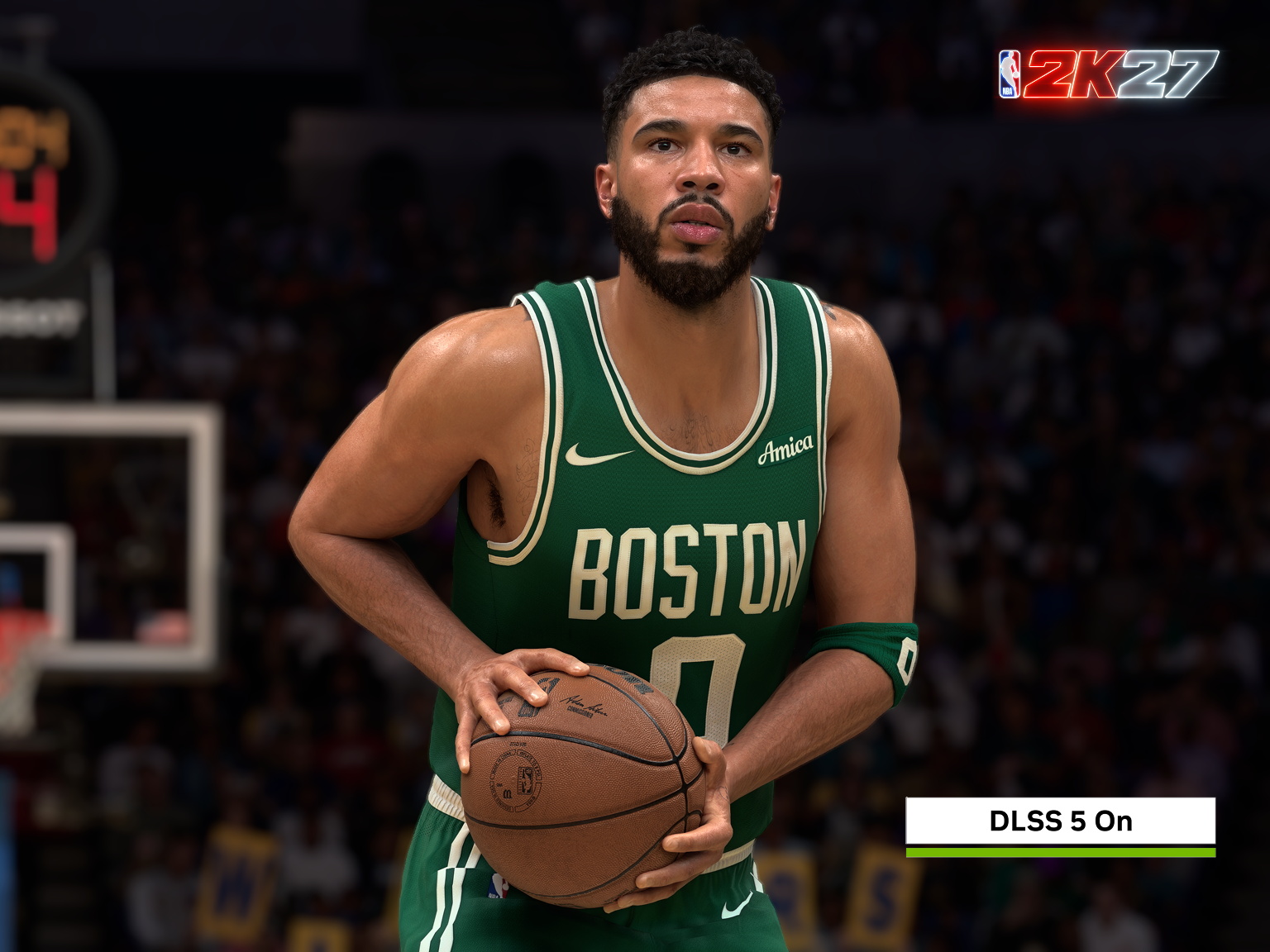
Modders have modified the processing pipeline behind DLSS 5 by changing the order in which certain steps are performed. This allowed them to significantly reduce the overhead, resulting in a much smaller performance hit. But let's take it one step at a time.
DLSS 5 doesn't just use an AI upscaler that attempts to generate a higher-resolution image from a lower-resolution source image, such as going from Full HD to 4K. It also adds AI-powered rendering on top of that. DLSS 5 NR attempts to generate or alter certain visual properties of an image using neural techniques, including lighting and material effects, potentially replacing some of the work traditionally handled by conventional rendering.
For the mod developers, the crucial factor is the order in which the AI techniques are applied. With standard DLSS 5, Nvidia first upscales the image and then runs Neural Rendering on the result. Because the rendering is applied to the upscaled image, significantly more data has to be processed, putting a substantial load on the GPU and causing the frame rate to drop considerably.
The developers of the OptiScaler fork mod have now simply reversed the order: The Neural Rendering process is applied to the unscaled, lower-resolution image, which significantly reduces the computational workload. Only afterward is the image upscaled using DLSS Super Resolution.
The result: On an RTX 5070 Ti and in the game Resonance: A Plague Tale Legacy, one player reached 180 fps with 4K DLSS. With DLSS 5 (NR) enabled, that figure dropped by 56 percent to just 80 fps, a substantial performance hit. With the experimental OptiScaler fork, the gamer was able to get back up to 122 fps, reducing the performance loss to just 25 to 30 percent.
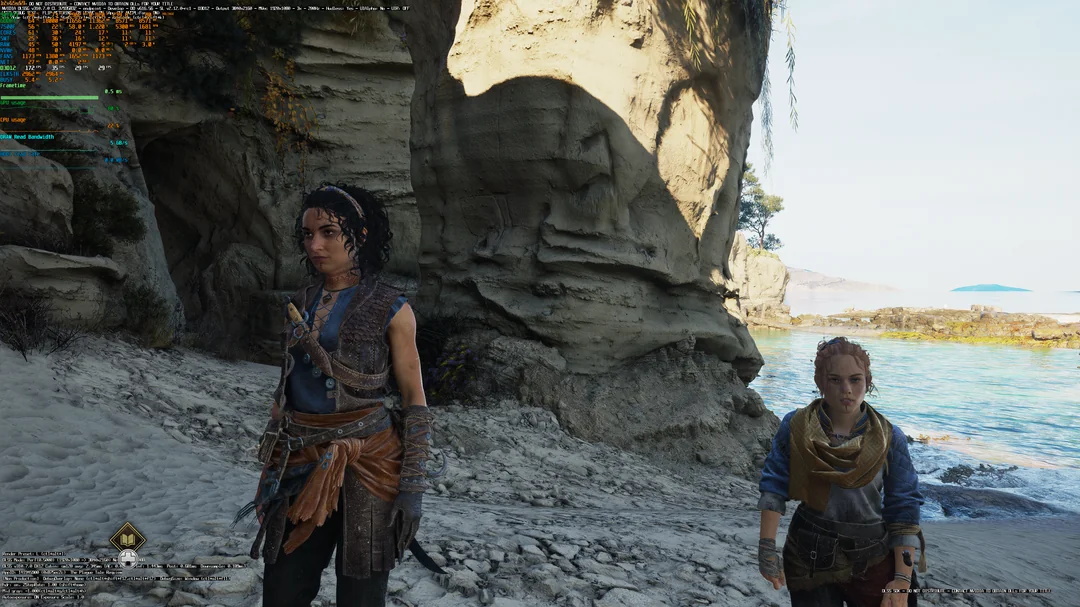
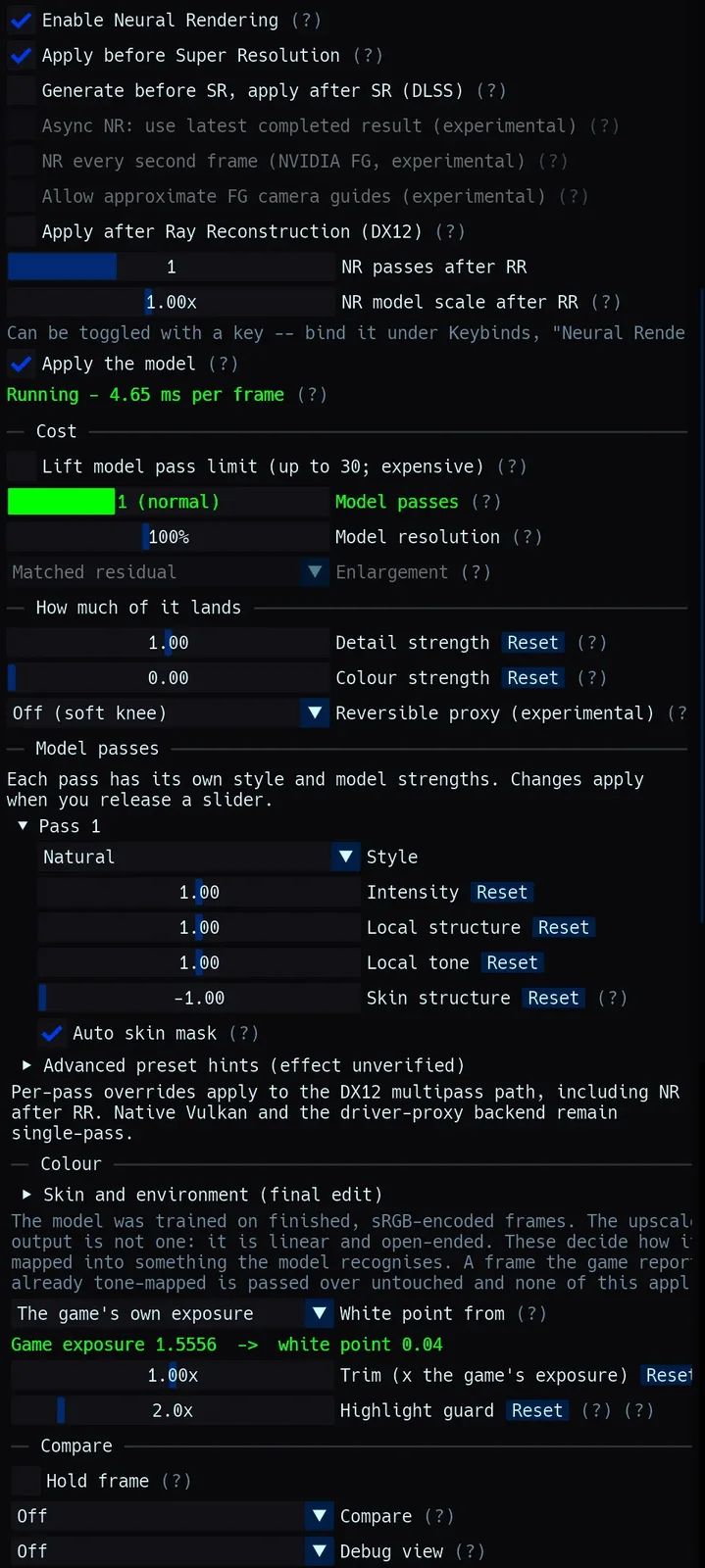
Naturally, rearranging the processing order affects image quality, but the difference is reportedly not significant. For older or somewhat less powerful hardware, this means NR can at least be used at all, depending on the scenario.
However, it's worth noting that the mod is still genuinely experimental for now. The fork is available on GitHub.
The original OptiScaler is also a remarkable mod. It essentially inserts itself between a game and DLSS. When a game only supports Nvidia's DLSS and users with Intel or AMD GPUs would normally be left out, OptiScaler allows a game to use virtually any upscaling technology, including FSR or XeSS.
OptiScaler therefore functions as middleware or an API abstraction layer. It intercepts the upscaler calls expected by the game and routes them to a different upscaling backend, allowing FSR or XeSS to be used as well.
Source
 Add as a preferred source on Google


