




Google helps bring the world’s first large-scale “green steel plant” online
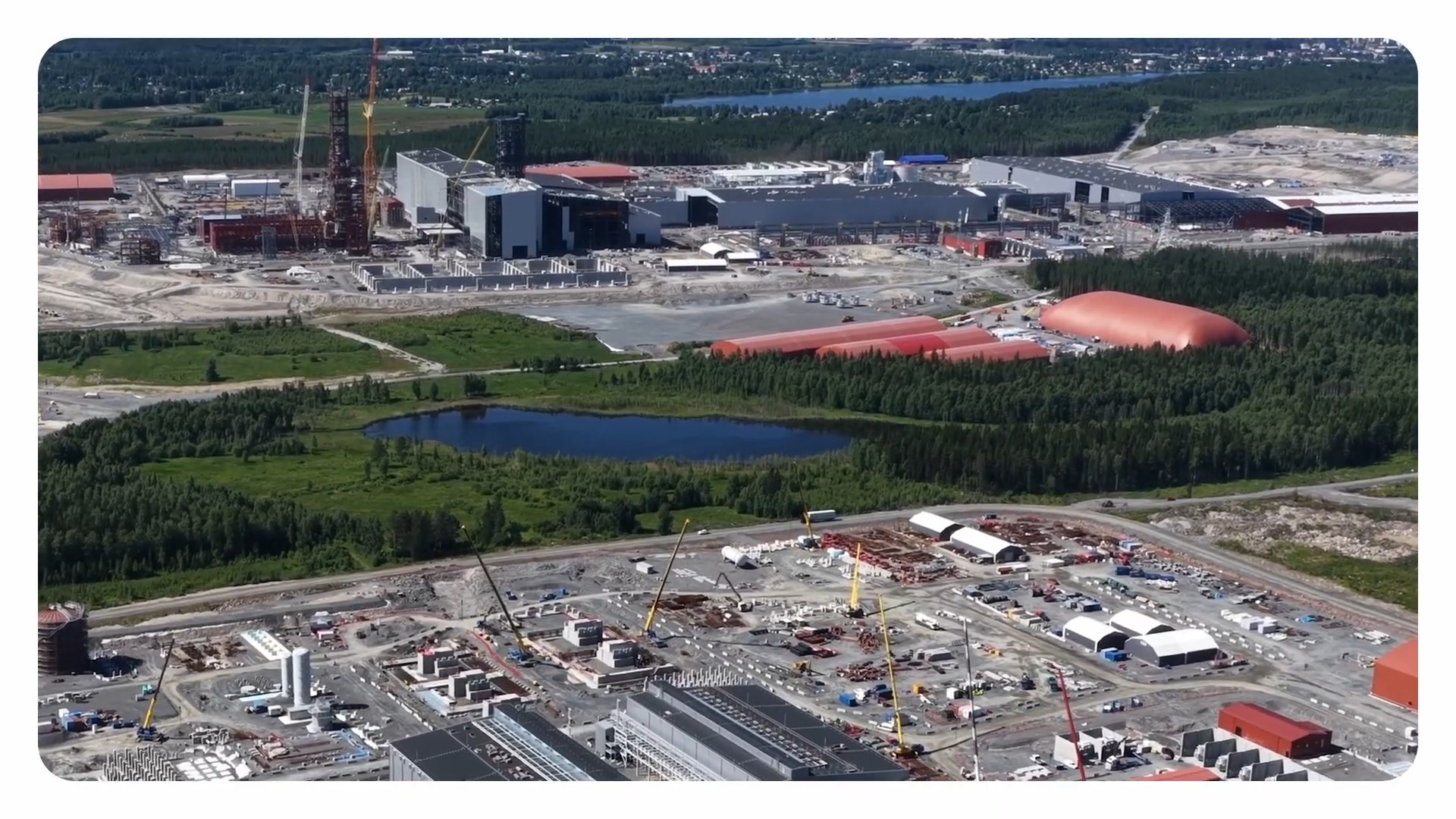
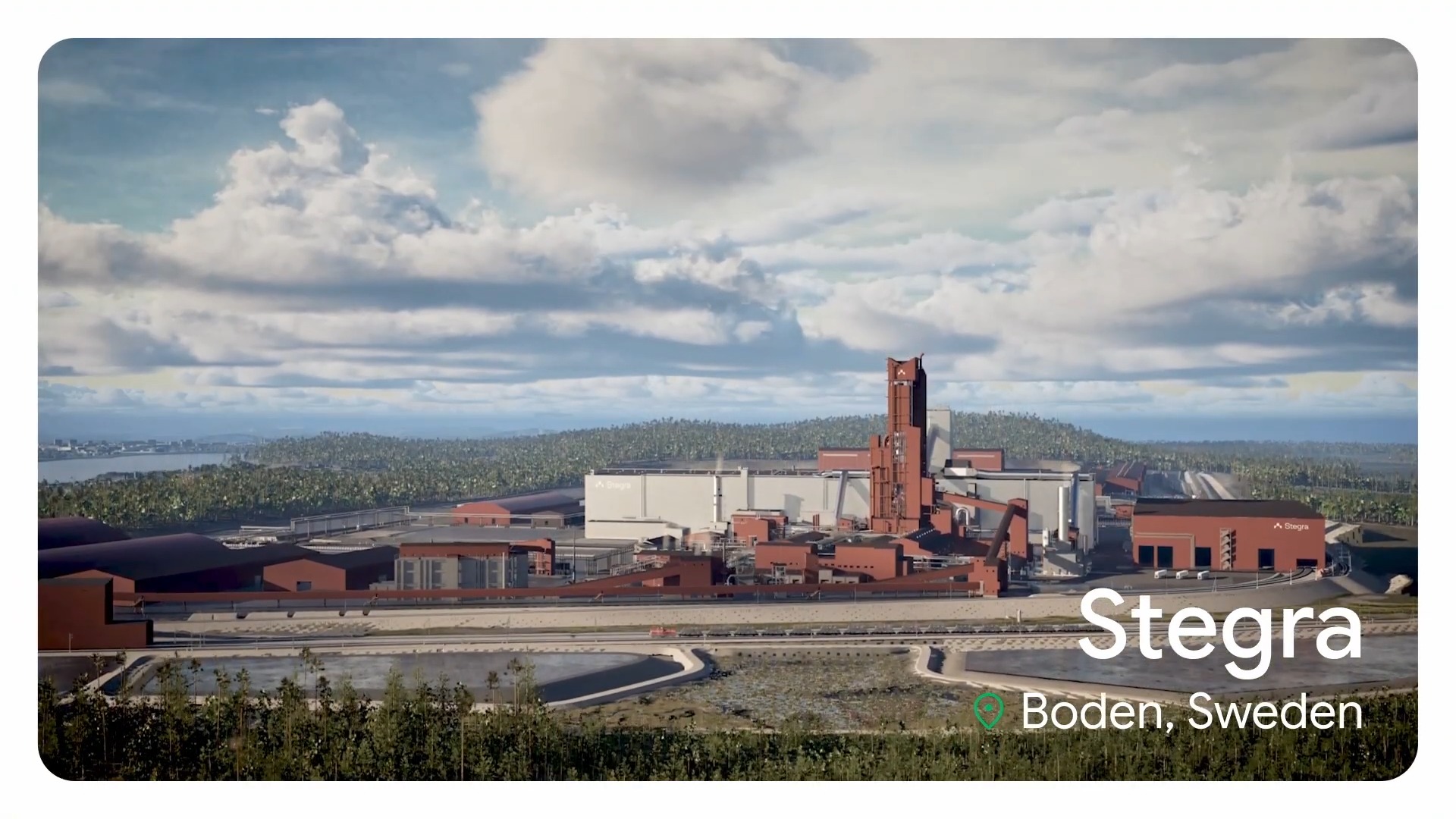
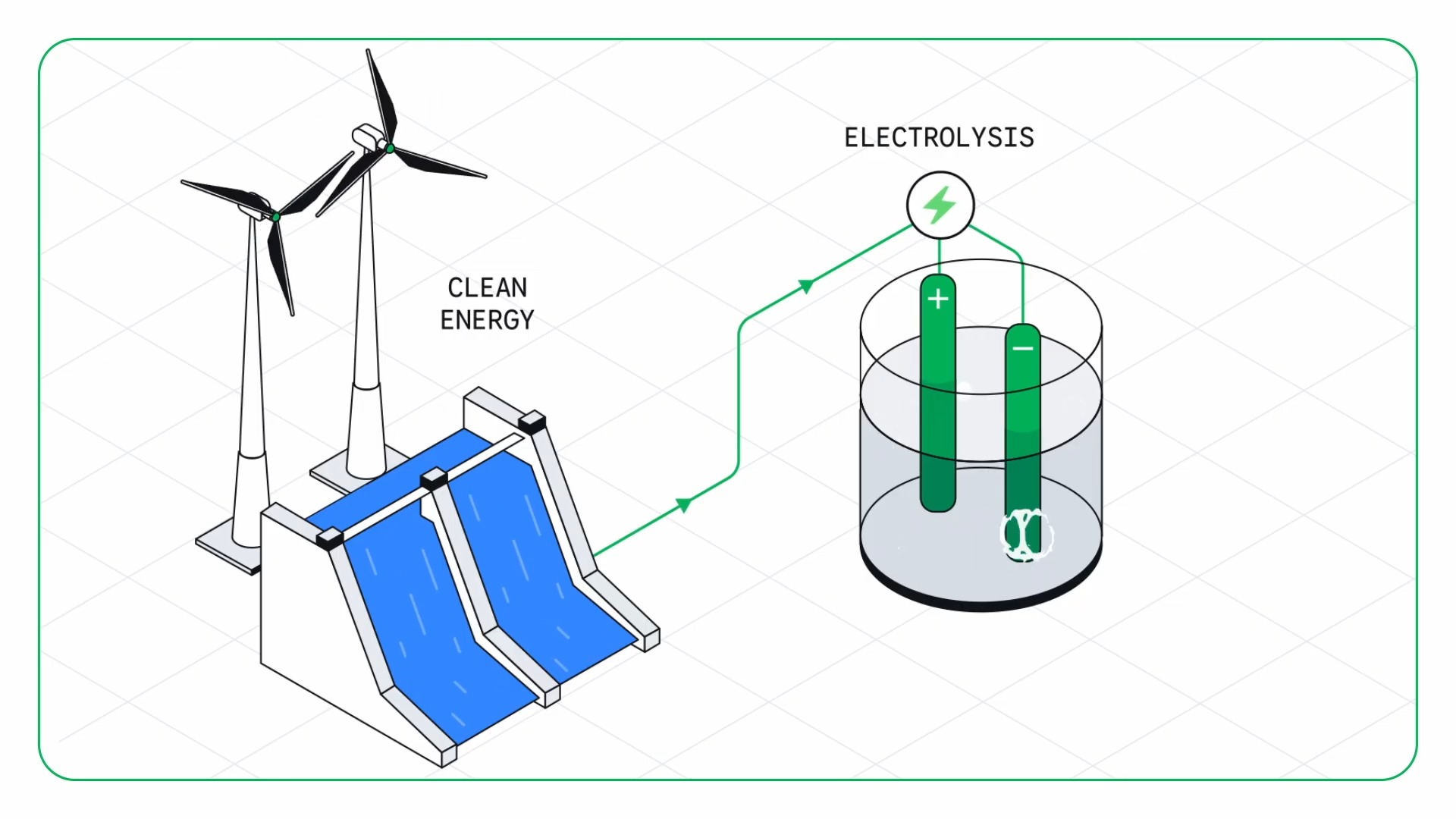
The steel company Stegra is building a completely new industrial facility in Boden, Sweden, to produce green, or near-zero-emission, steel. Products manufactured at the site are intended to meet the International Energy Agency’s (IEA) definitions for near-zero-emission steel.
What is Google’s contribution?
Google is now providing financial support to the company by purchasing so-called Environmental Attribute Certificates (EACs). The certificates cover a portion of the steel production in the first year of operations and can cover up to 91,000 metric tons of steel.
What does this mean for climate protection?
The money from the certificates helps support production, allowing Stegra to recoup its expensive investments in green production facilities more quickly. With completely new technology, the biggest challenge is often not technical feasibility but financing the industrial facilities. A long-term offtake agreement or EAC purchase provides certainty for everyone involved, especially when production has not even started yet. Google is also signaling to the market that the green label has economic value.
What does Google get out of it?
Google is not physically purchasing the steel. Data centers and other facilities consume a lot of steel, but the supply chain is complex, and the location of steel production does not necessarily align with Google’s needs at its construction sites. By purchasing the certificates, Google financially supports green steel production, helps drive the production of low-emission steel, and can simultaneously market the conventional steel it uses as “green.”
Isn’t this greenwashing?
Yes and no. Google will continue to use conventional steel, which could be viewed as greenwashing. At the same time, financial support for green production strengthens demand, because without major buyers and a flow of funding, it would be much harder for a company to produce green steel in the first place. The certificate purchase therefore channels money to the production facility.
At the same time, a registry is intended to ensure that steel is not marketed as green twice. If Google purchases green certificates for 50,000 metric tons of steel and uses them to transfer the green label to 50,000 metric tons of conventional steel, this means that the physical steel that was actually produced as green steel can only be sold as conventional steel. The “green” label is transferred, rather than duplicated.
Example: Stegra sells Google green certificates for 50,000 metric tons of steel. Google can now apply the green label to 50,000 metric tons of the non-green steel it uses itself and market that steel as green. Stegra, however, can sell the 50,000 metric tons of green steel it produced without the green label, meaning as conventional steel, to other companies such as Thyssenkrupp. Those companies can no longer market the steel they purchase as green, but they pay a lower price for it than they would for steel carrying the green label.
Source
 Add as a preferred source on Google


No comments for this article
