




1.5 stars fewer: Why after-sales is becoming increasingly important for retailers
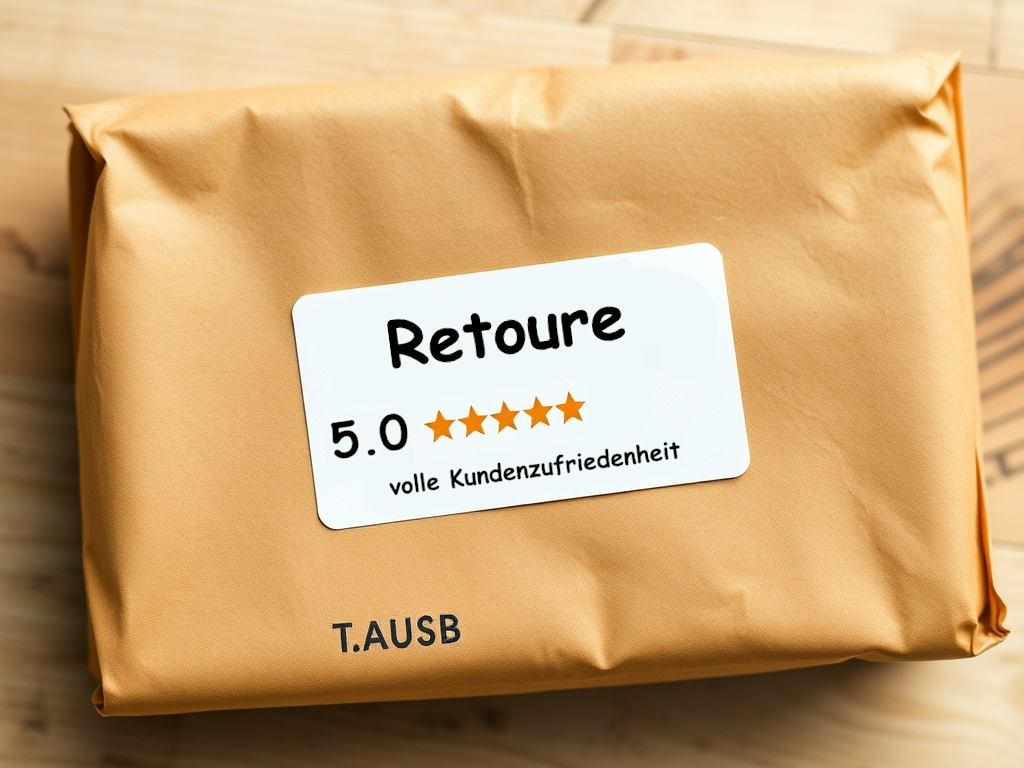
In its “DACH Retail Insights 2026” report, customer review platform Trustpilot used an AI-powered analysis to examine more than 20,000 consumer reviews. All of the reviews were posted on Trustpilot in 2025 for retail companies in Germany, Austria, and Switzerland.
The findings: Whenever a review mentions a return, the average rating drops by around 1.5 stars. Common problems include faulty returns portals, broken links, AI assistents dead ends and missing documents.
The analysis shows that earning customer trust really begins after the purchase—when something goes wrong. How smoothly does the return process work? How was the communication handled? And so on. The latter is particularly important. AI in customer service is viewed much more critically in the DACH region than in other markets. It is more readily accepted for product searches and recommendations, but less so for complaints, returns, or refunds.
Human support therefore remains extremely important. AI should be used strategically, and when in doubt, human assistance should always be accessible. AI should be an assistant, not a support dead end. The problem itself is not always what leads to a poor rating; what matters most is how quickly, transparently, and personally a company responds to it.
For retailers, this means simplifying return processes, proactively keeping customers informed, using AI selectively rather than across the board, and making sure customers can quickly reach a human representative when issues become complex. Do that, and good ratings can still follow a return—or perhaps even result from how the company handles it.
By tracking return satisfaction, first response time, resolution time, escalation rate, and ratings following a complaint, a company can sometimes build more customer trust than it does through the product sale itself.
Source
Trustpilot Pressemitteilung
 Add as a preferred source on Google


