




End of an era: Why the construction of the Lenovo ThinkPad P16 Gen 3 is so significant

When you have a long-standing and storied brand like the ThinkPad laptops, you have many models that could be named as stand-outs. The IBM ThinkPad 600, which established the design formula that would become the ThinkPad T series. The original Lenovo ThinkPad X1 Carbon, which continues to this day and established a premium ThinkPad line. And last, but certainly not least: The Lenovo ThinkPad T60, the first ever T series introduced by Lenovo after taking over the brand from IBM.
Notably, it was the last ThinkPad laptop with 15-inch 4:3 screens, as well as the first T series ThinkPad to introduce widescreen. Even more consequential, however, proved to be a different feature, which was called the "roll cage". The ThinkPad T60 introduced a dedicated magnesium structure frame, which would make it and its many successors based on the same design template super robust. With this design, the motherboard and critical system components would be sandwiched between the base and the frame, giving it some extra protection.
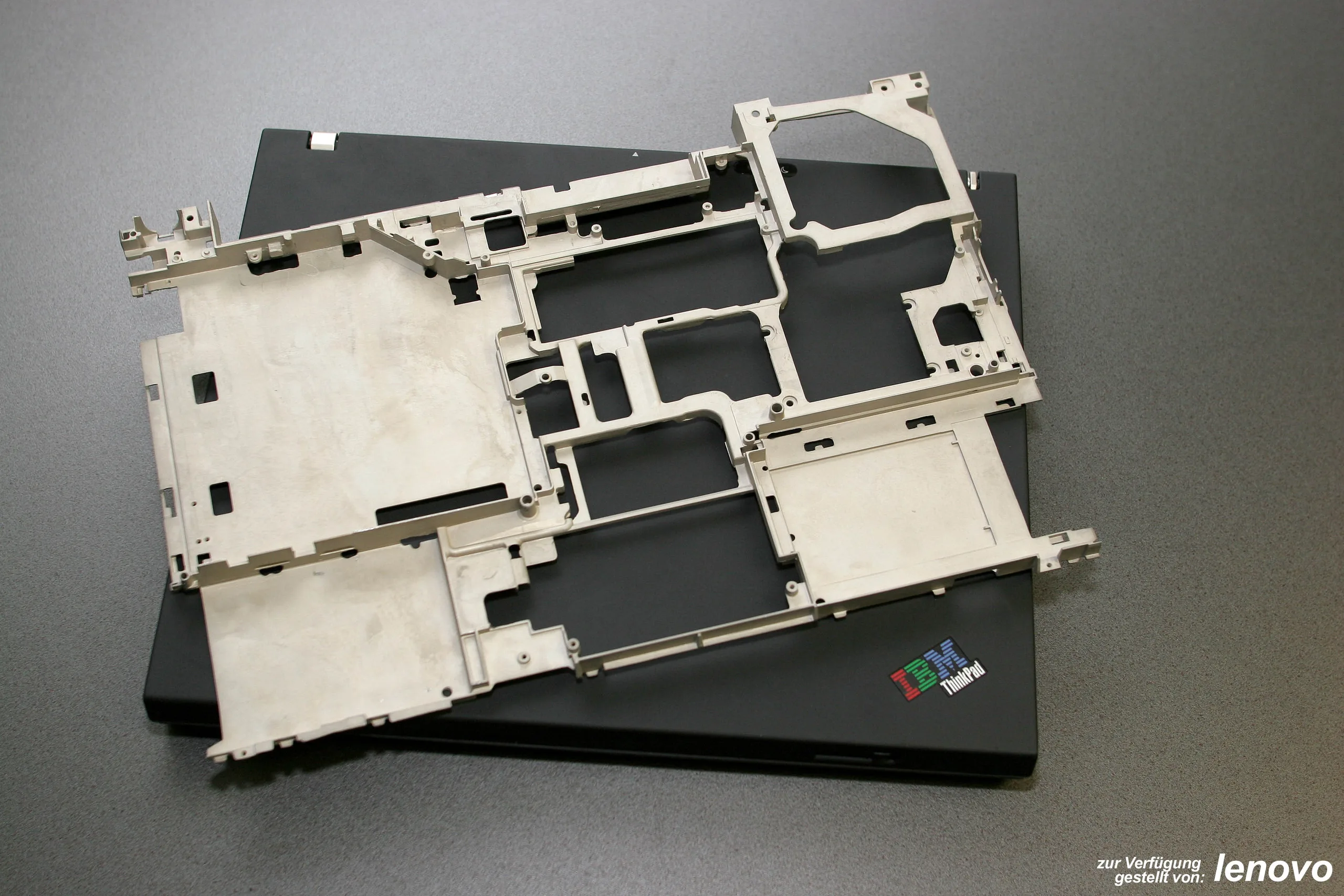
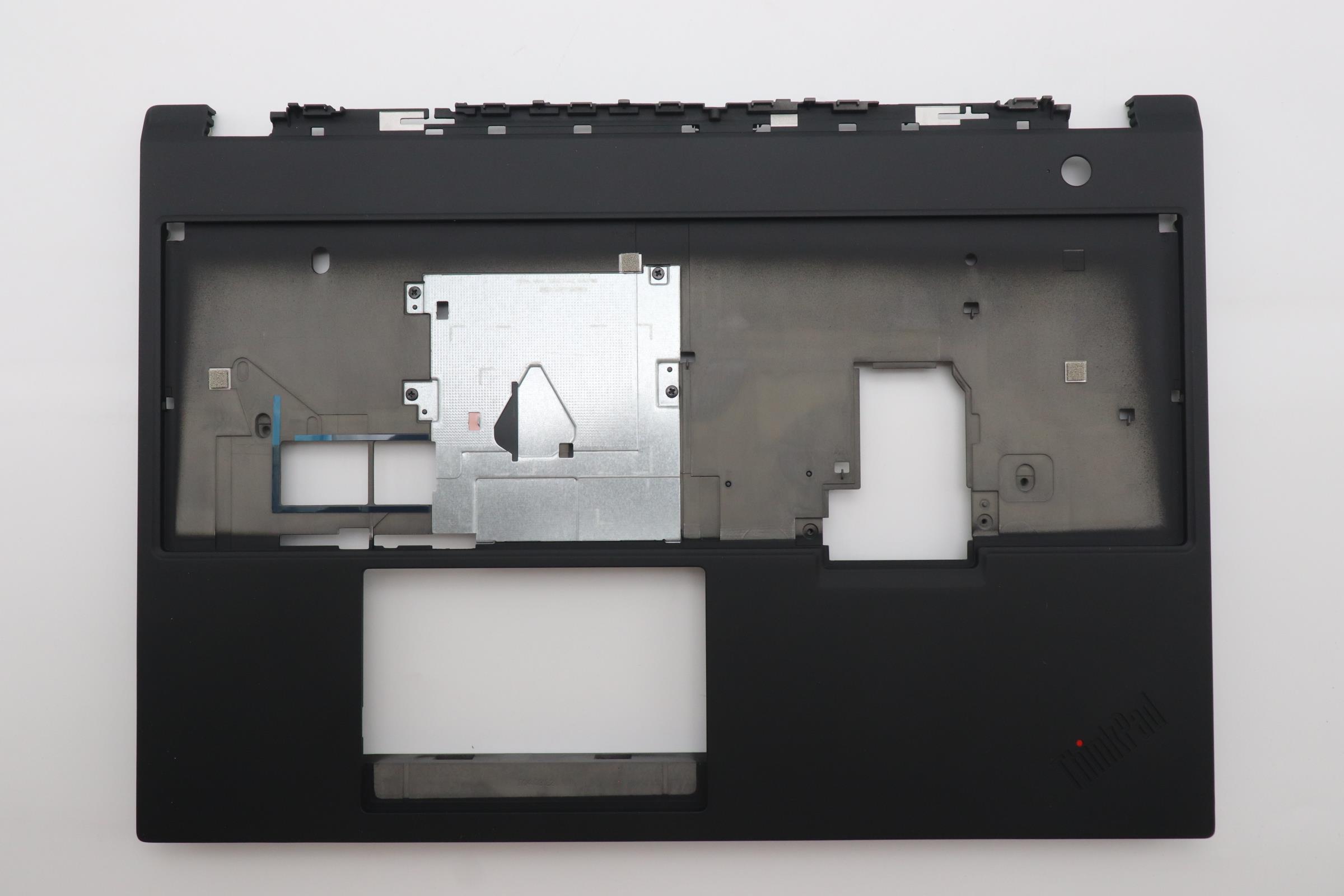
This design became one of the staples of the ThinkPad T series from then on - until Lenovo moved to an all-Ultrabook lineup in 2016, as the traditional roll cage, a frame separate from the palmrest and base cover, was too thick for thinner designs. Newer T series still use a magnesium, but as part of the outer shell, not a dedicated frame.
However, Lenovo continued to make ThinkPads the old way with the ThinkPad P series: ThinkPad P50, ThinkPad P15, ThinkPad P16 (available from Amazon) - all of these still had a dedicated magnesium frame, exactly like their ancestor from 2006.
However, with the newest model, the ThinkPad P16 Gen 3 we recently tested, this streak ends. Of course, Lenovo still uses magnesium for the case, but the P16 Gen 3 has moved to an integrated frame design, just like the thinner ThinkPad models of the T series. It makes sense, as the older P16 models were much heavier and bigger than the competition, and Lenovo did manage to make the newer P16 G3 a bit slimmer. Still, it is the end of an era: The last ThinkPad model with the classic construction is no more.
 Add as a preferred source on Google


