




Compact, high-quality, powerful connectivity - Minisforum AI X1 Pro with Ryzen AI 9 HX 470 reviewed
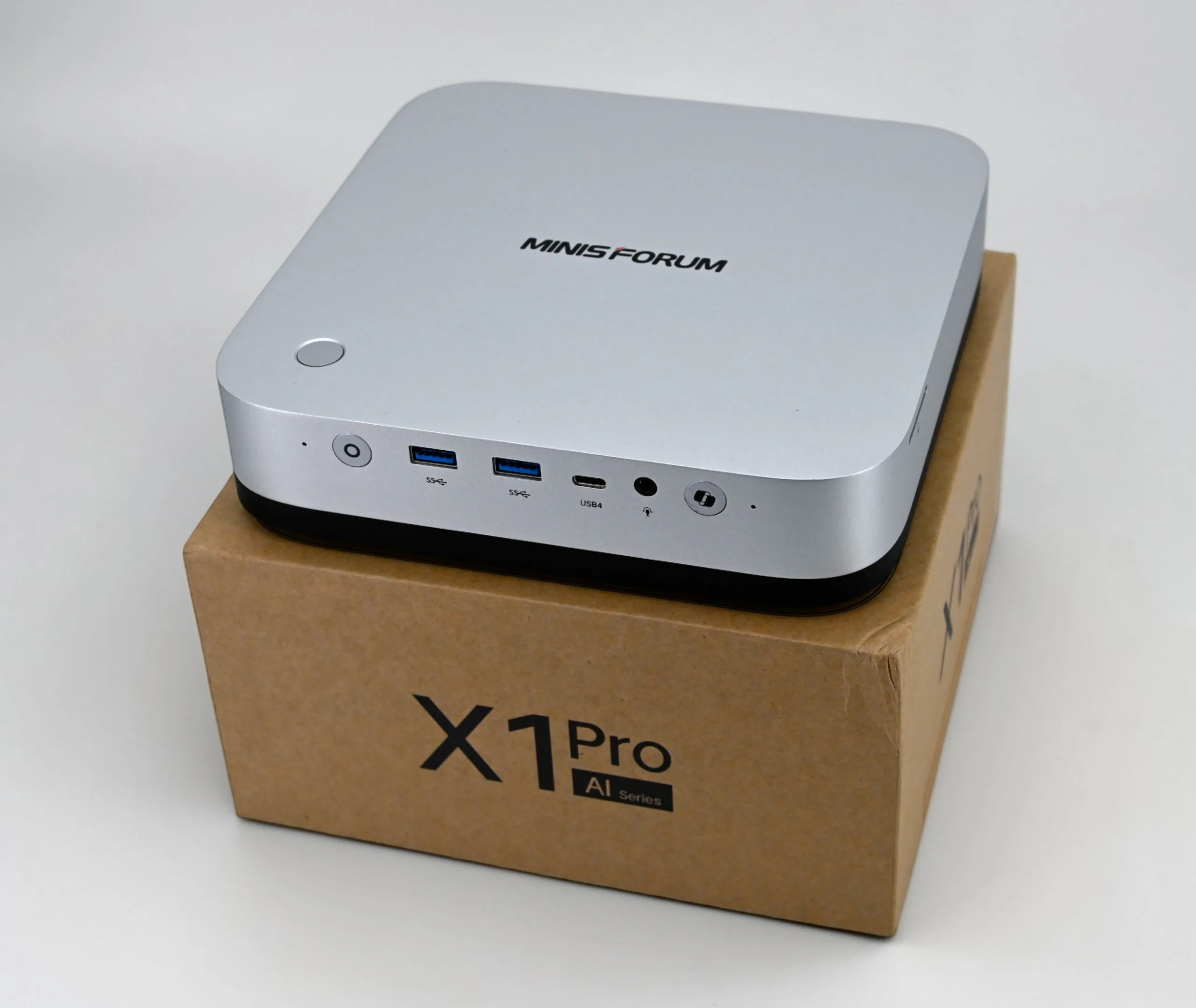
Minisforum is expanding its portfolio of high-performance mini PCs and updating the AI X1 Pro with a new APU. Instead of the previously used Ryzen AI 9 HX 370 now comes the AMD Ryzen AI 9 HX 470 which is part of the current Strix Point platform and offers high CPU and graphics performance as well as an integrated NPU for AI calculations. The compact computer is therefore still aimed at demanding users who need a lot of computing power in a small space - for example for productive work, creative applications, or light gaming.
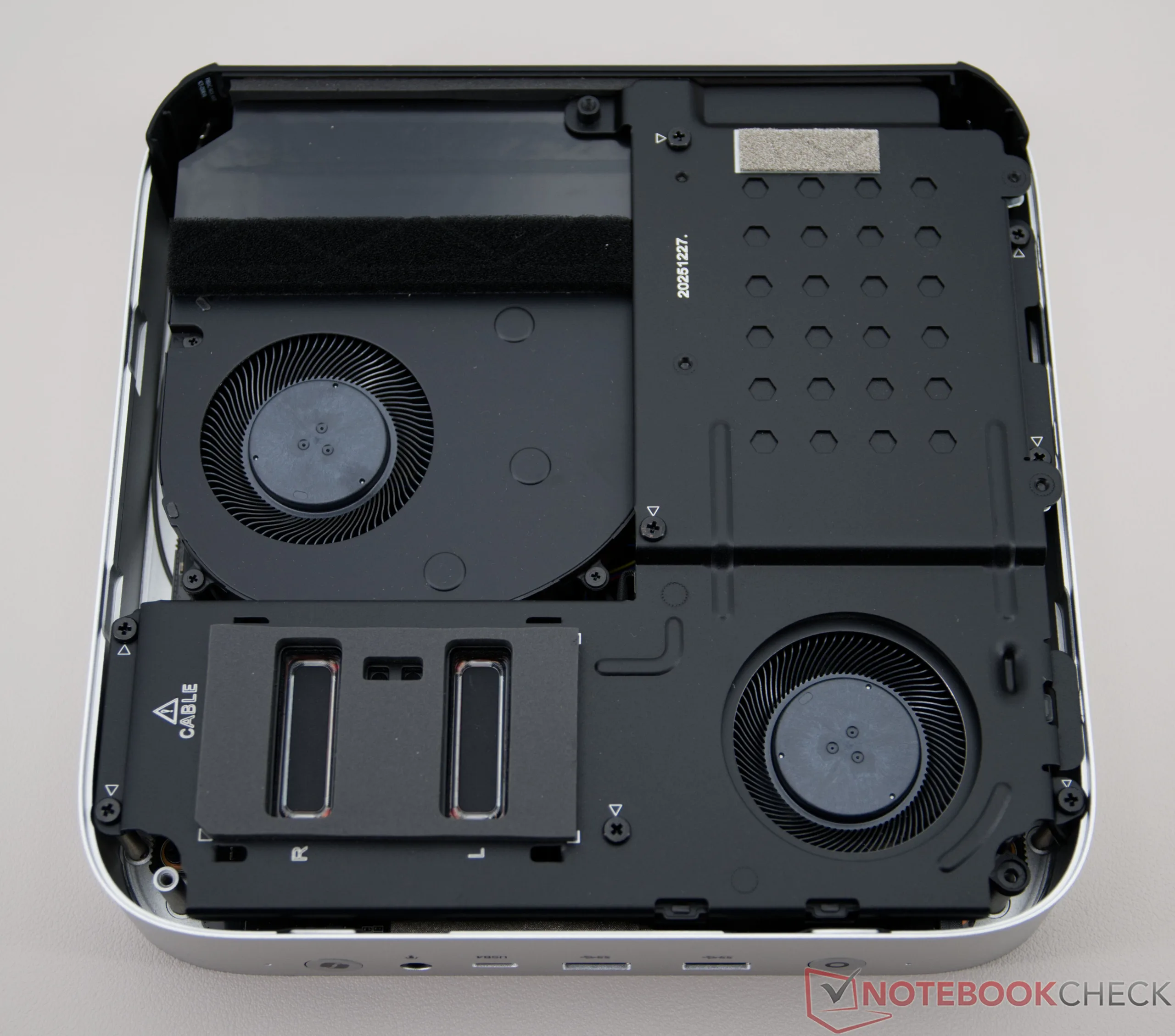
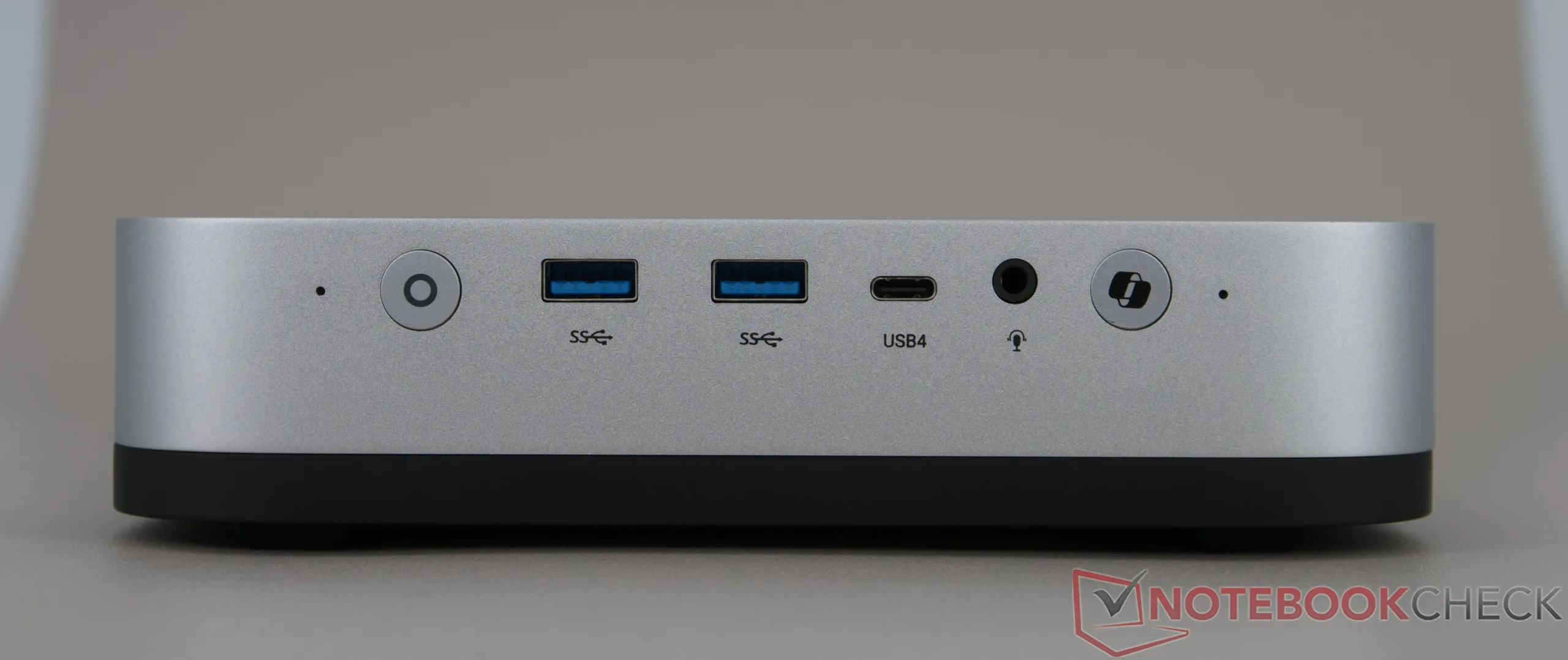
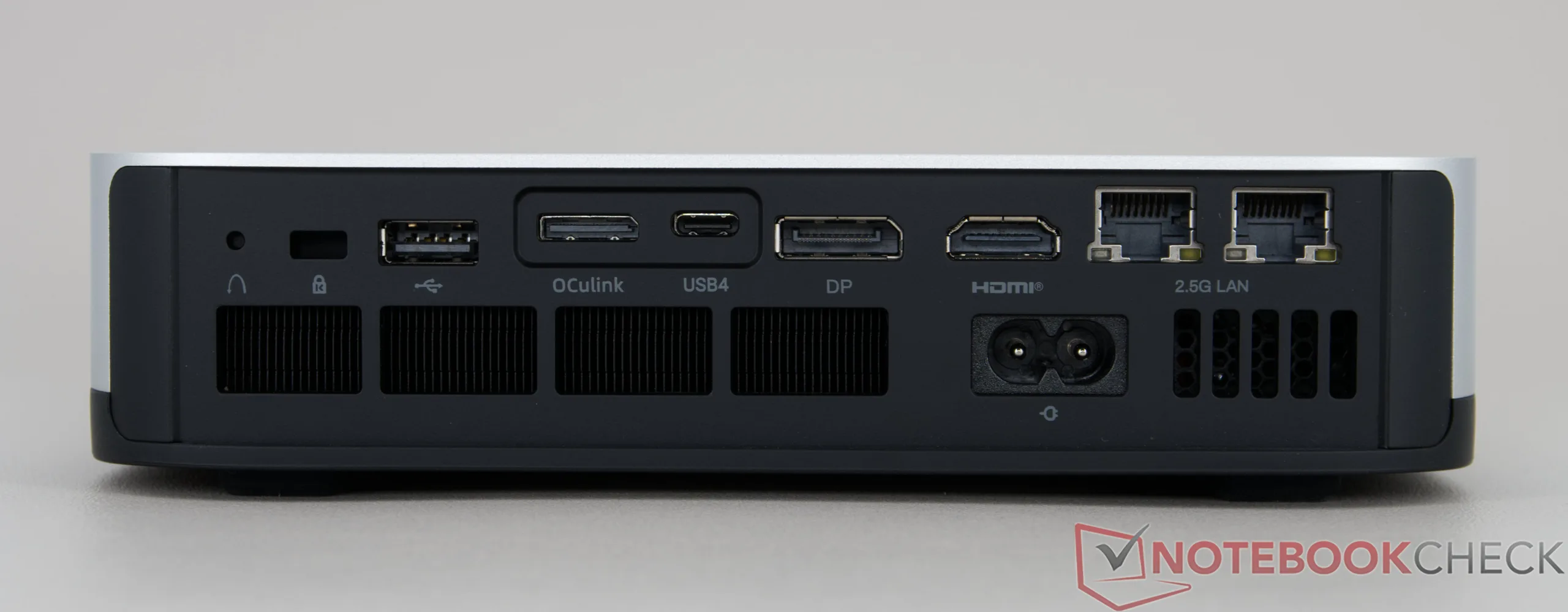
The basic concept of the AI X1 Pro changes very little as a result of the update. The device remains a compact mini PC with a high-quality metal housing, extensive connectivity, and modern cooling. Minisforum has also integrated an internal power supply unit, which means that there is no need for an external power supply unit and the workstation remains tidier. The equipment is complemented by integrated stereo speakers, which offer surprisingly decent sound reproduction for a mini PC. Functions such as the OCuLink port for connecting external graphics cards are also retained. This means that the system can be significantly expanded if required and can also be used for more demanding 3D applications or gaming scenarios in combination with a powerful desktop GPU, for example.
The new Ryzen AI 9 HX 470 offers additional performance reserves compared to the previous model. In addition to improved clock rates, the platform also benefits from the integrated Radeon 890M graphics unit based on the RDNA3+ architecture and a powerful NPU for AI-supported workloads. The AI X1 Pro thus continues to position itself as a versatile all-rounder in the mini PC segment.
However, the practical effects of the SoC upgrade can only be seen in our recent review. The focus here is not only on pure computing power but also on factors such as noise, cooling, energy efficiency, and actual system performance. The selected RAM configuration also plays an important role, which can have a noticeable impact on overall performance, especially in systems with an integrated graphics unit. With compact mini PCs in particular, the combination of processor, memory connection, and cooling system determines how much of the theoretical performance can actually be called upon in everyday use.



 Add as a preferred source on Google


