




CXMT’s “budget” DDR5 RAM is now pricier than Samsung’s as AI demand keeps memory prices climbing
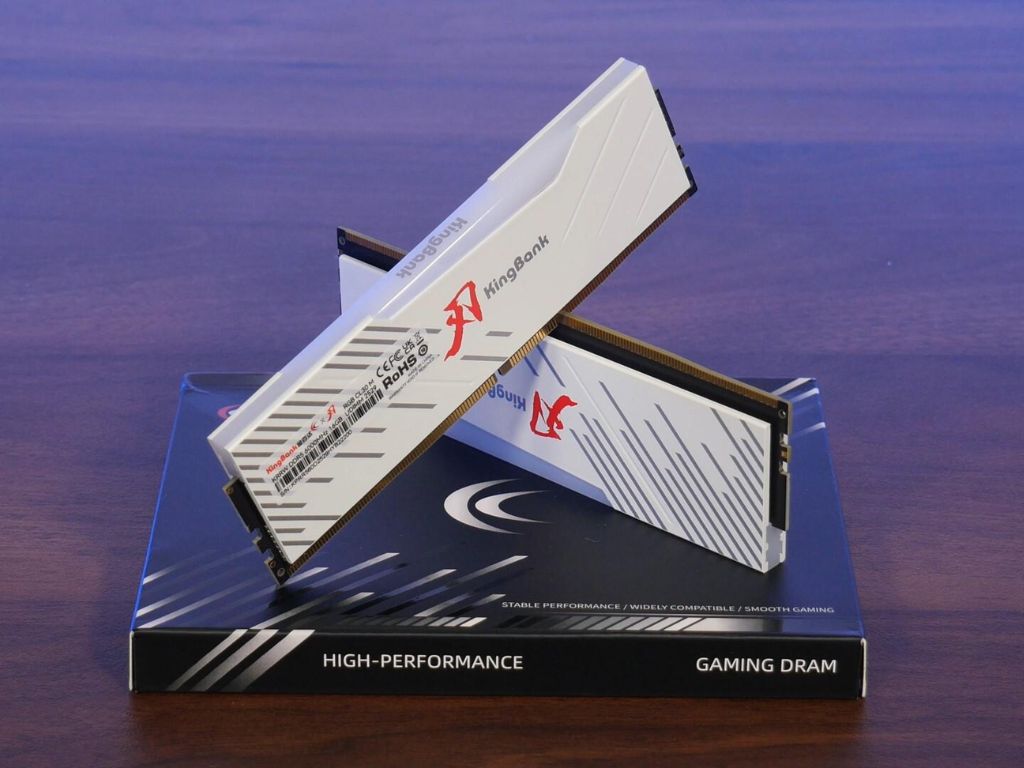
Since late 2025 and into 2026, many PC builders, repair shops, and enthusiasts have been hoping for a way out of the ongoing price‑inflated DRAM crisis that has made it nearly impossible to buy affordable DDR5 RAM. Much of that hope centered on Chinese‑made DRAM, which many believed would finally put an end to the never‑ending spiral of rising memory prices.
On paper, the logic seemed sound: a new competitor entering the market should stabilize RAM prices across the board by bringing competition to the big three RAM manufacturers Micron, SK Hynix and Samsung. Supply would increase, and prices would fall.
However, Chinese DRAM manufacturers have entered the market with different intentions. A 64 GB DDR5‑5600 RDIMM built with CXMT’s chips currently costs as much as 18,999 RMB (about $2,800) retail, even more than Samsung’s similar RDIMM with the same specifications, while significantly cheaper options already exist. Rather than undercutting existing products, CXMT has positioned its modules at a premium price point, a trend that is becoming increasingly common across the industry.
However, this pattern isn’t subtle anymore. As reported by OC3D, Lexar’s regional manager for Australia and New Zealand, Chris Xia, warned at COMPUTEX 2026 that any price relief consumers are currently seeing in the market won’t last much longer. He stated candidly, “If you need to buy memory, buy it now. Don’t wait for lower prices, because they won’t appear for the next several years.”
A 'market stabilizer' might just be wishful thinking
According to Reuters, around the same time, reports emerged that CXMT had raised the price of its 64 GB DDR5 server modules above Samsung’s $1,240 benchmark and held firm, even when Chinese smartphone and laptop manufacturer Huawei requested a discount.
CXMT has slowly tightened its grip and gained leverage in the tech market. Hedge fund manager Yuan Yuwei of Trinity Synergy Investments bluntly summed up the company’s valuation, saying, “The CXMT stock is too expensive and smells of speculation, and it’s hard to say the optimism is sustainable.”
It’s also worth noting that CXMT still uses older fabrication nodes than Samsung, Micron, and SK Hynix, so the chips in question draw more power and peak at lower performance. Furthermore, CXMT RAM reportedly doesn’t fare well with overclocking, but most server customers will generally be willing to overlook that,prioritizing stable supply in the pipeline.
With AI data centers and hyperscalers consuming an ever‑growing share of the tech industry’s wafer capacity, CXMT has little incentive to leave money on the table. The company aims to expand its fabrication capacity from 200,000 wafers per month to 600,000 as new plants come online in Hefei and Shanghai. It is also already locking in deals with Chinese PC vendors that run through 2027.
Anyone hoping CXMT would level the playing field and help bring down RAM prices should temper their expectations. While the company has eased some of the pressure on RAM supply, the benefits have not meaningfully reached the average consumer.
Source(s)
 Add as a preferred source on Google


