




Pentagon faces CXMT lawsuit over 'incorrect' military label
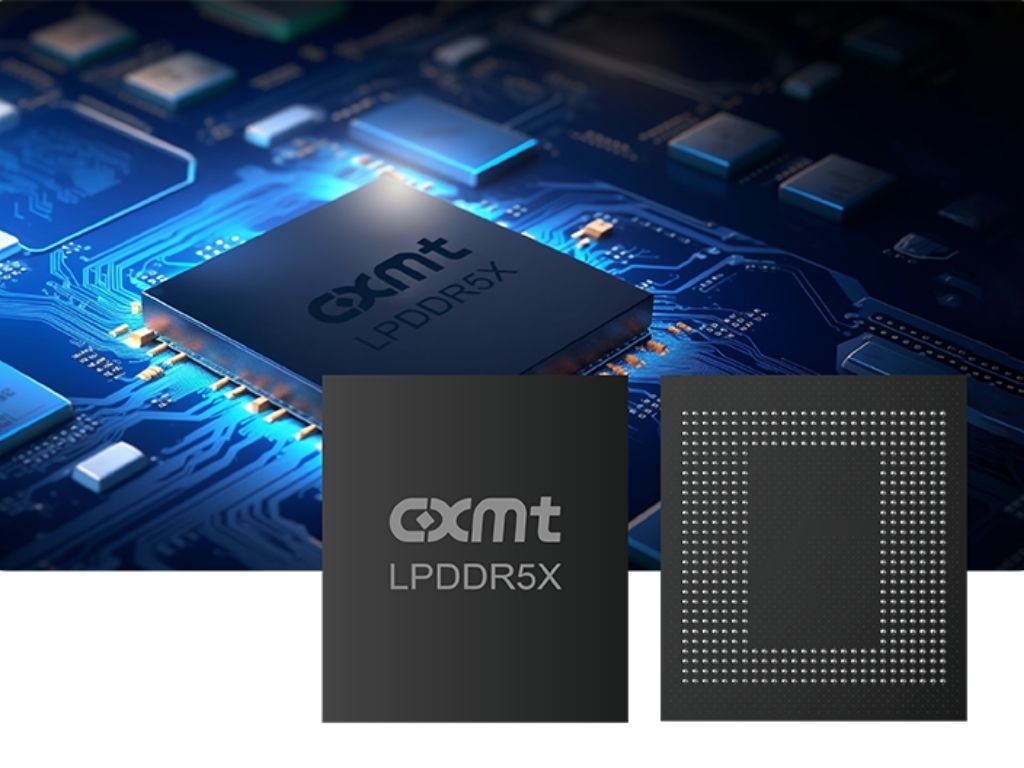
ChangXin Memory Technologies, CXMT, China’s largest DRAM semiconductor chip manufacturer, is taking on the Pentagon by suing the institution over its military label. For now, the U.S. Department of Defense’s case is one sentence long.
A lawsuit against a single clause and subsequent label
CXMT filed a suit against the U.S. Department of Defense in the District of Columbia on August 28, seeking removal from the Pentagon’s 188-entity Section 1260H list of Chinese military companies.
The U.S. Department of Defense has published only one clause stating that the DRAM manufacturer is affiliated with China’s industry ministry and state-asset regulator, without the additional military-civil ties found in most other entries added to the same list.
This blocks CXMT from entering contracts with the Pentagon, but the Chinese DRAM manufacturer can still proceed with commercial sales. CXMT is following a path similar to the one that got smartphone, smart home device, and accessory maker Xiaomi removed from the list in 2021. Meanwhile, other chipmakers like YMTC are pursuing different paths and parallel lawsuits of their own.
CXMT makes DRAM chips for phones, laptops, and servers. In January 2025, the Pentagon deemed the company a national security threat and classified it as a military company under Section 1260H of the National Defense Authorization Act. However, it has yet to prove that the company has military ties, as CXMT says it operates as an independent enterprise.
According to Reuters, CXMT’s complaint names the Department of Defense, Secretary Pete Hegseth, Deputy Secretary Steve Feinberg, and Assistant Secretary Michael Cadenazzi as defendants. In short, CXMT wants to be removed from Section 1260H of the 2021 Defense Authorization Act.
A disputed finding by the Pentagon with AI ramifications
Most entities on the list carry two findings: an ownership or affiliation link and a separate military-civil fusion contributor citation covering state subsidies and science grants. CXMT however also sells extremely lucrative DRAM and has recently started manufacturing HBM memory in small quantities, making its situation somewhat unique as a key driver of the modern AI race.
According to the Pentagon, CXMT is “directly affiliated with MIIT (China’s Ministry of Industry and Information Technology) and indirectly affiliated with SASAC (State-owned Assets Supervision and Administration Commission of the State Council of China) and MIIT.” Nothing else is mentioned in the list.
In light of that clause, CXMT argues that the explanation is insufficient and says the designation rests entirely on affiliation rather than proof of military use. In the filing, CXMT stated, “CXMT is not affiliated with the Chinese military.” The company also said its DRAM chips are used solely for civilian and commercial purposes.
CXMT went a step further, calling the Pentagon’s determinations arbitrary and unsupported by factual records. The case also points to a gaffe: on February 13, 2026, the Pentagon briefly removed CXMT and YMTC from an updated list. However, the notice vanished from the Federal Register the same day without explanation or follow-up. Both companies reappeared when the list was updated in June.
While CXMT continues commercial sales and the lawsuit won’t slow silicon shipments, the suit centers on perceived reputational damage rather than sales even as it continues to enter the mainstream thanks to an ever-increasing slew of partners, even as reports indicate that Apple was unable to get preferential pricing from the Chinese memory manufacturer.
 Add as a preferred source on Google


