Tech layoffs in 2026 have already surpassed last year's total
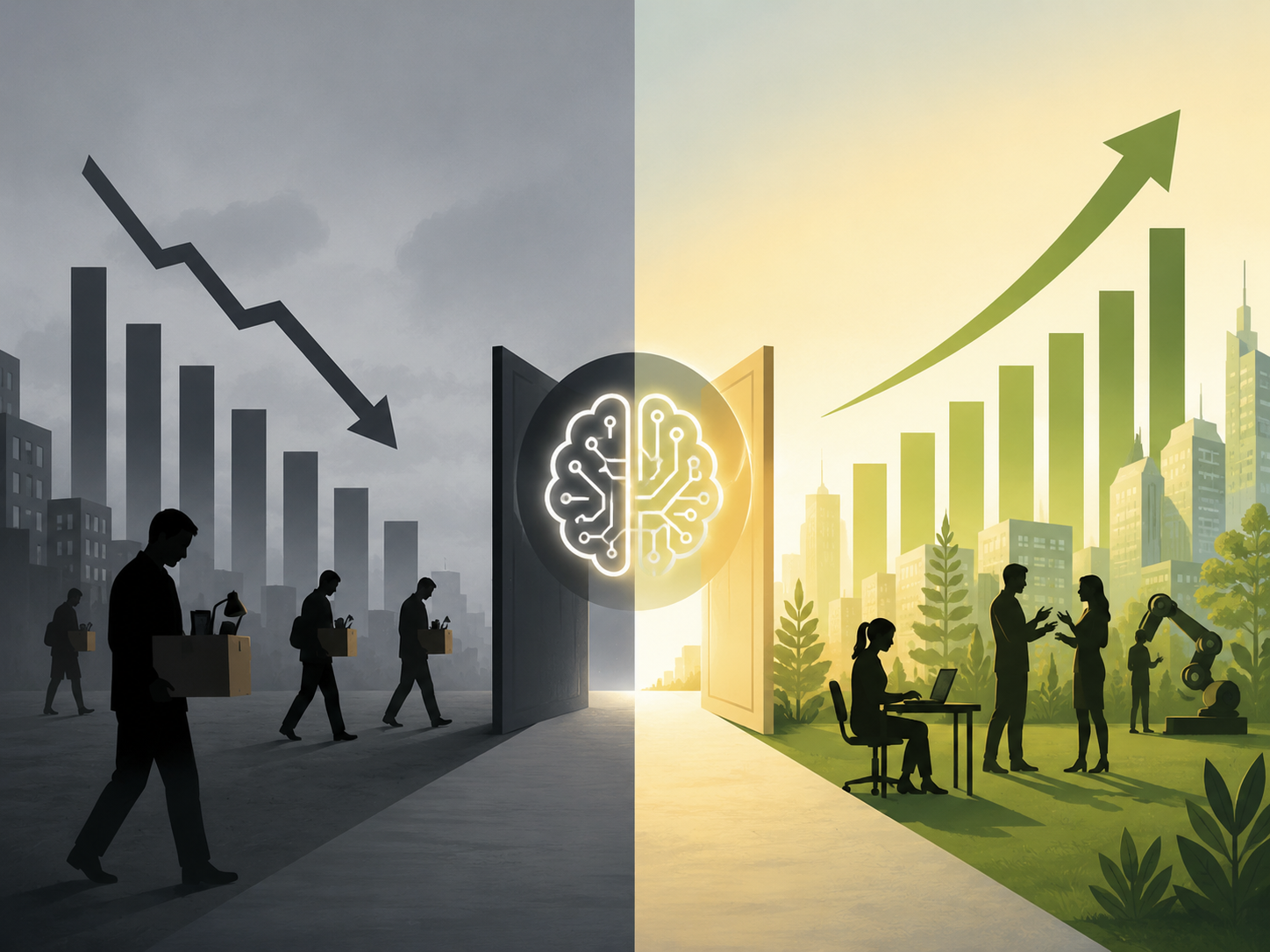
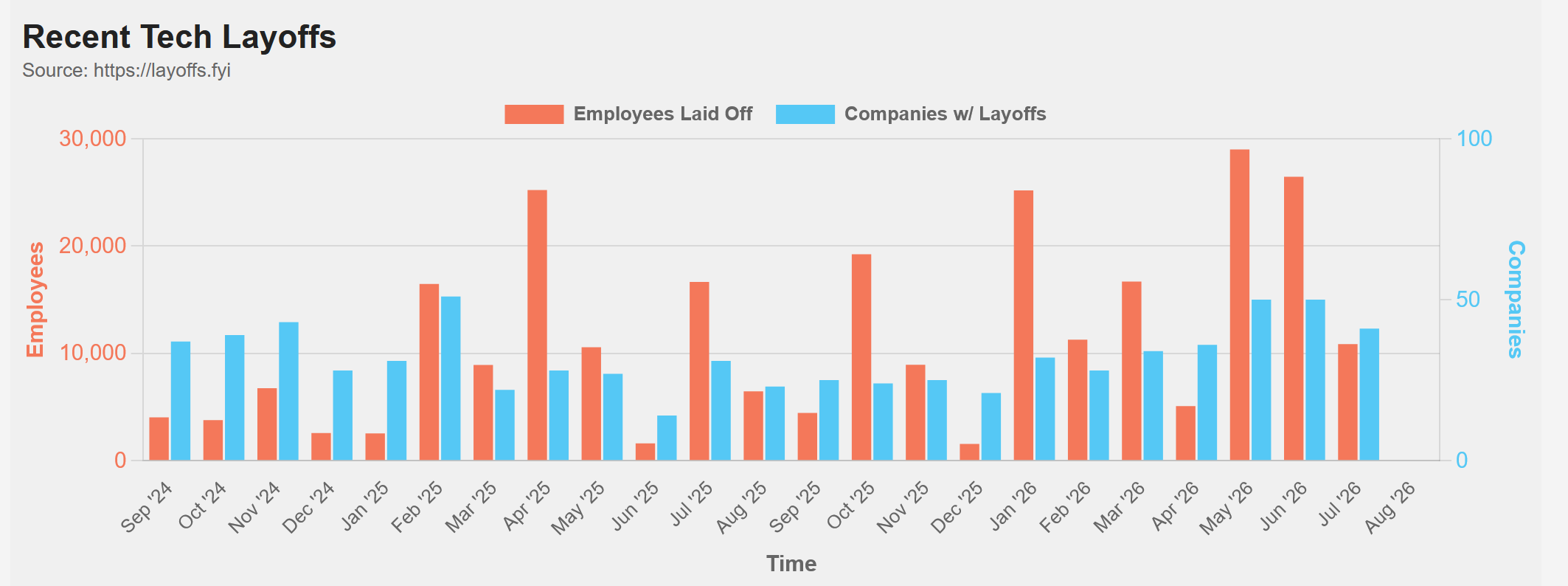
Global tech companies have axed more than 124,000 jobs in the first seven months of 2026, already exceeding the roughly 122,000 layoffs recorded for all of 2025, according to tracking firm layoffs.fyi. Oracle, Amazon, Dell and Meta are behind most of the layoffs, each shedding tens of thousands of positions, while smaller companies such as Workday, GitLab and Robinhood have trimmed hundreds more. California alone has lost over 16,000 tech jobs since the start of the year, with Meta responsible for roughly a fifth of these cuts.
Much of the downsizing coincides with massive AI infrastructure investment, as companies pour money into data centers, chips and the integration of AI processes into existing workflows. Oracle expects to pour $90 billion into AI spending next fiscal year even as its debt load prompted a credit downgrade, while Meta and Amazon have both raised their 2026 capital expenditure forecasts into the hundreds of billions. But AI is not the sole factor, with companies citing post-pandemic overhiring and elimination of bureaucracy as other reasons for downsizing.
Despite the turmoil, the long term impact of AI on employment—both the jobs it will create and those it will wipe out—remains largely speculative. An analysis by PricewaterhouseCoopers (PwC) spanning six continents concludes that AI will be a net job creator rather than job killer, finding that firms with heavier AI exposure are actually adding jobs at a quicker pace than those with less exposure, as they leverage AI to boost worker output and generate new kinds of value. Indeed, San Francisco's unemployment rate fell 3.7% this year — in spite of the layoffs — as AI companies such as OpenAI and Anthropic continue to hire locally.
Either way, numerous philosophical questions about both the role and nature of AI remain. Some of these include:
- Does relying heavily on AI diminish or enhance human flourishing?
- Wiil critical thinking decline as people increasingly rely on AI?
- Who is responsible when AI causes harm: the developer, company, user or AI itself?
- If AI creates abundance, how should wealth be distributed?
- How should humans live in a world where machines increasingly perform intellectual work?
Source(s)
 Add as a preferred source on Google