




Gaming industry faces its worst crash in decades — but Japan is dodging the bullet
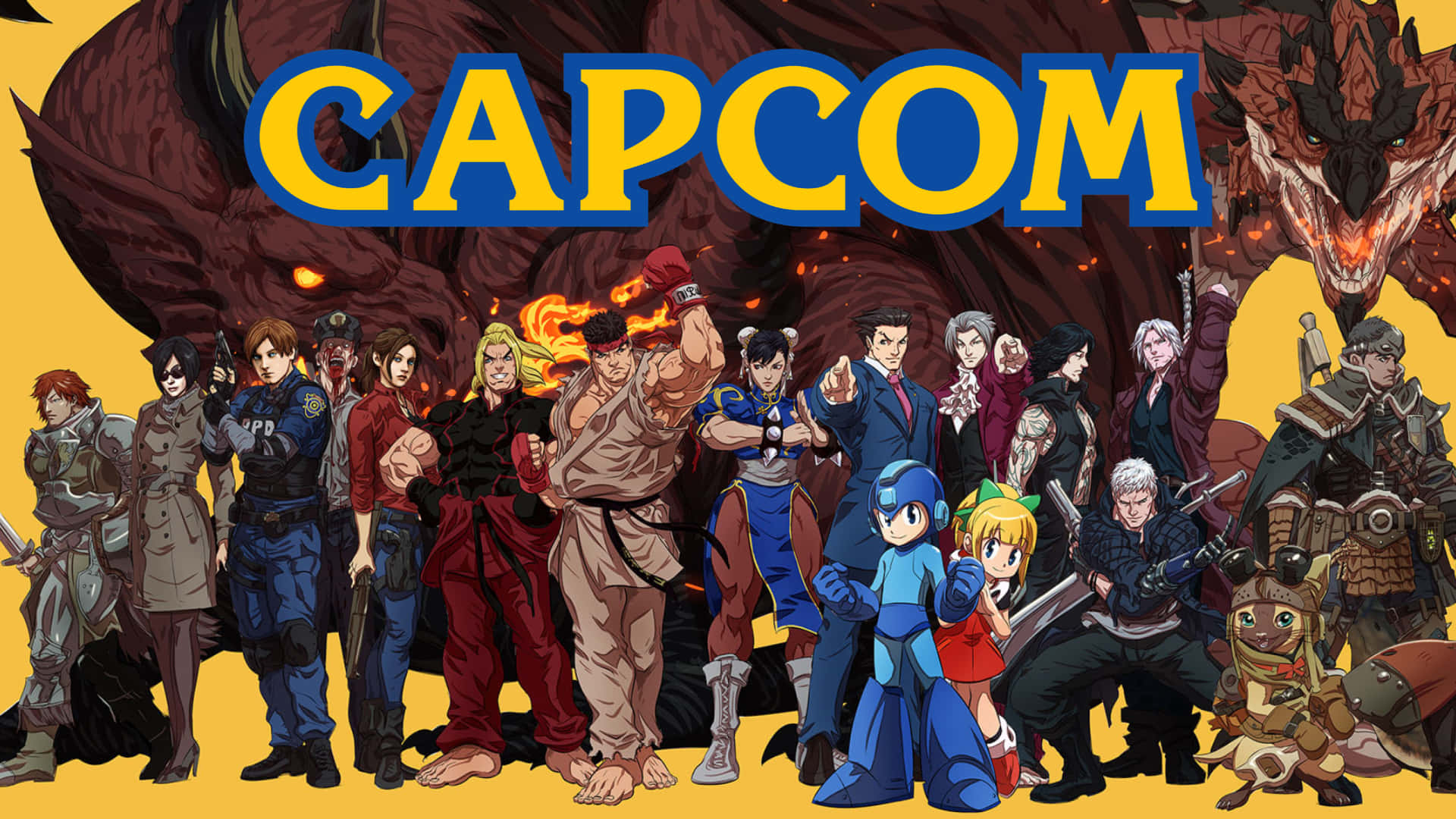
The video game industry is in the middle of what one longtime tracker calls its worst downturn since the 1983 crash. Tens of thousands of jobs have disappeared in just a few years — but almost all of that pain is concentrated in North America and Europe. Japanese publishers like Nintendo, Capcom and Konami, meanwhile, seem to be sailing through relatively unscathed, according to games-industry analyst Amir Satvat.
Satvat has run the ASGC Games Industry Layoffs Tracker since 2022, and he told Edge magazine that around 57,628 jobs have been eliminated across the industry between 2022 and 2026. Oddly, the overall workforce has still grown a little over that same stretch — losses in some regions have been offset by hiring elsewhere.
The tracker's numbers show that 66 % of this year's layoff events happened in North America alone, affecting 79 % of the workers who lost their jobs. Add Europe to the mix, and the two regions account for 96 % of all layoffs recorded in 2026. At one point, analyst says, more than half of all layoffs worldwide were happening in California specifically, over a 12-to-18-month stretch.
Japan tells a completely different story. "Japan is a completely different ballgame," Satvat says, pointing to how differently companies there are built. Nintendo, Konami and Capcom all keep staff retention above 97 %, a number most Western studios can only dream of right now. He credits this to smaller, leaner teams — Japanese studios largely skipped the live-service gold rush and never bought into the idea that a game needs a 500-person team to succeed.
Executive compensation is another piece of the puzzle. Japanese executives "still make great money," analyst says, typically in the $2–3 million range, rather than the tens of millions common among some Western executives. As an example, EA’s CEO earned $38,649,984 in the last fiscal year — about 305 times what the median EA employee earns — while Nintendo's president reported total compensation of just $2 million over a similar period.
None of this means Japanese studios are somehow immune to the pressures reshaping the industry. But their smaller teams, more cautious approach to big-budget projects, and far more modest executive pay look like real factors in why companies such as Nintendo, Capcom and Konami have largely dodged the layoffs hitting everyone else.
 Add as a preferred source on Google


No comments for this article
