




A tale of two AAA games: Control Resonant shows what gaming can be, Marvel’s Wolverine shows what it is becoming
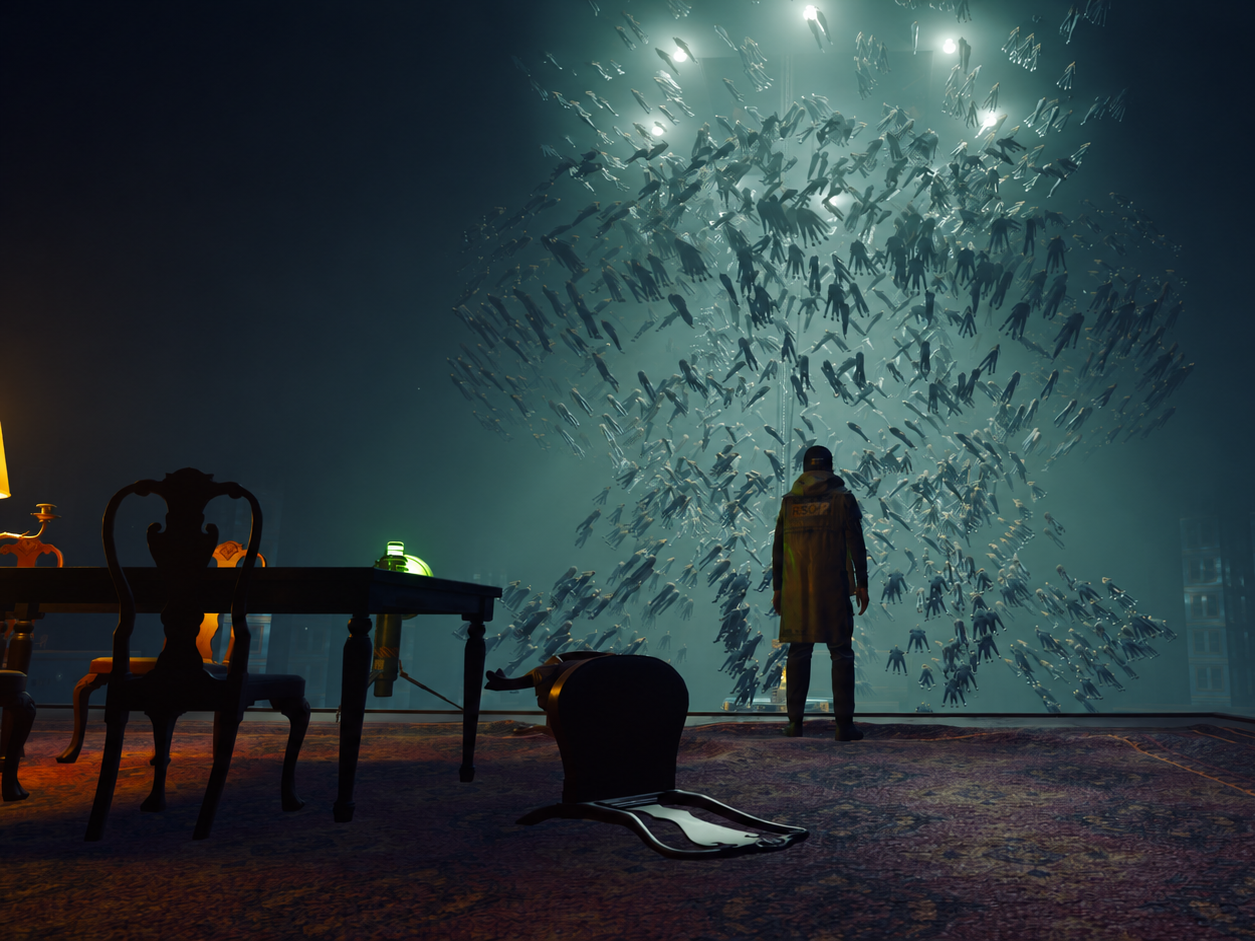
I should probably get one thing out of the way before anything else. I have not played Marvel’s Wolverine. I own a PlayStation 5. I could play it if I wanted to. I am simply not buying PlayStation games at the moment for reasons well beyond the scope of this post. And there will be visual-only spoilers for Resonant scattered throughout. Proceed accordingly.
Control: Resonant is a very different story. I no-lifed Remedy’s latest for five days after launch and ended up just shy of 40 hours played. I am nowhere near done with it either. There are still achievements I want, corners of Manhattan I know I have missed, and whatever Remedy has planned for New Game Plus will probably drag another 20 hours out of me.
So yes, there will be an unreasonable amount of Control Resonant praise. That alone makes this a slightly unusual comparison. On one side is a game I have not played, although between Sony’s marketing, extensive gameplay footage and the mountain of reviews now available, I have a reasonably clear picture of what Insomniac built. On the other is a game that has occupied an embarrassing percentage of my waking hours since September 24.
The two nevertheless make fascinating companions.
Marvel’s Wolverine and Control Resonant arrived just nine days apart. Both were expensive, heavily anticipated AAA games from celebrated studios. Both followed established properties. And both, amusingly, could briefly claim to be PlayStation 5 exclusives, provided we stretch the word “exclusive” until it means “PS5 owners who bought Control Resonant’s Deluxe Edition could play it two days before everyone else”.
The numbers tell very different stories
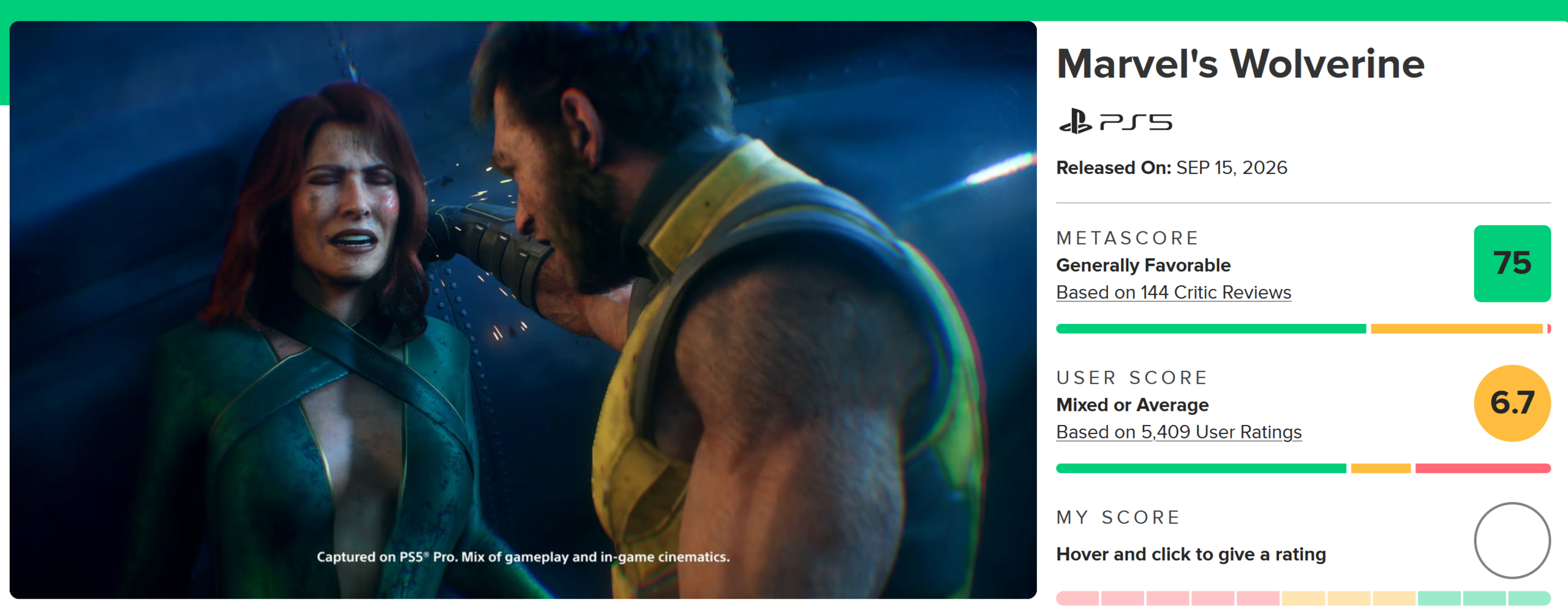
The first indication of just how differently these two games landed can be found in the boring part: the numbers. At the time of writing, Marvel’s Wolverine sits noticeably below Insomniac’s recent Spider-Man games on Metacritic. It is not exactly critical disaster, but for a flagship PlayStation release from one of Sony’s most dependable studios, the reception has been less than ideal, and frankly, it deserves all the flak it can get.
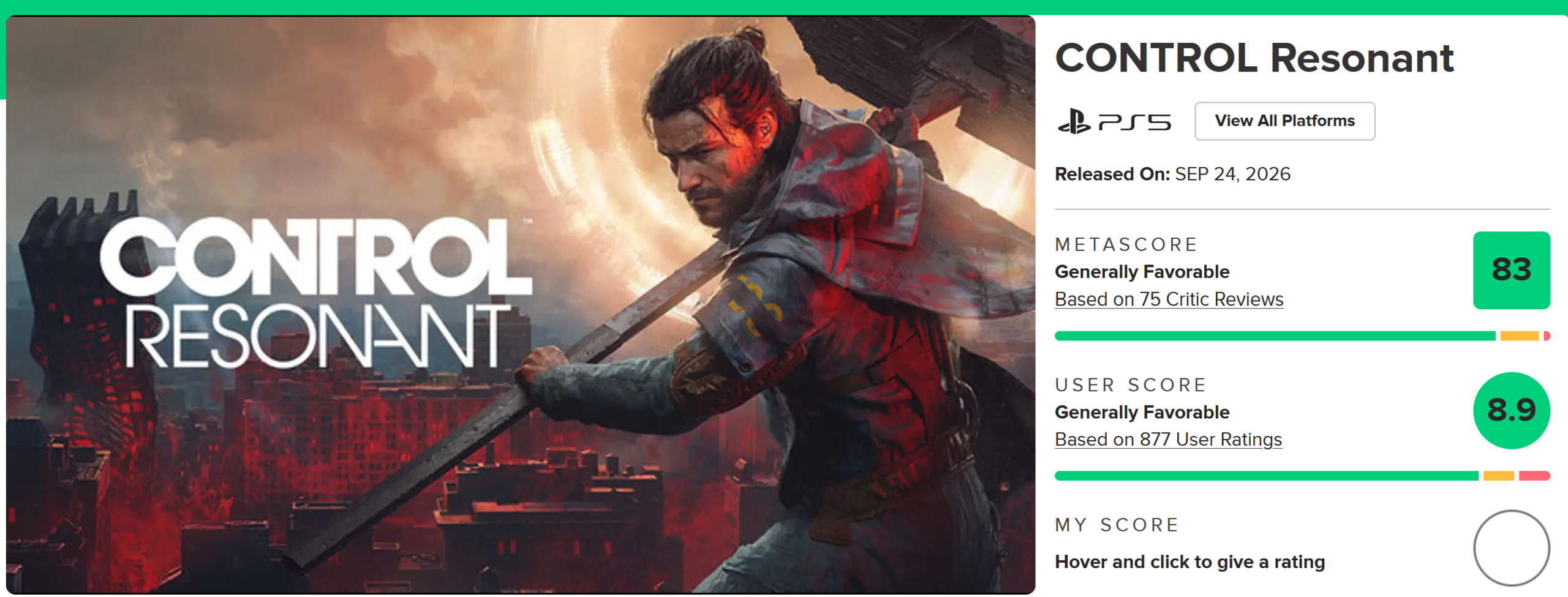
Control Resonant, meanwhile, has fared better with critics. Of course, a handful of Metacritic points is not enough to declare one game a masterpiece and the other a failure. The more interesting divergence begins when you stop asking professional reviewers. Player sentiment around Resonant has been extremely strong. Its user scores and storefront ratings have generally tracked well above its already solid critical reception, not to mention the endless praise it received on X.
Wolverine has been stranger. Its Metacritic user score has sat considerably below its critic average, while verified PlayStation Store buyers appear much happier with it. That distinction matters. User scores are messy, easy to manipulate and particularly unreliable when attached to a heavily discussed exclusive. So I am not interested in pointing at a number and declaring Wolverine secretly terrible. I have not played it. I cannot tell you that.
What I can say is that the conversation surrounding it has been remarkably consistent. Again and again, reviews describe something polished, visually impressive and mechanically competent that nevertheless plays things very safely. Repetition, limited mechanical evolution, and the yellow gas that follows you everywhere come up multiple times.
And then there is Control Resonant.
A game in which Remedy apparently looked at Control, a title already built around telekinesis, impossible architecture, government bureaucracy, extradimensional monsters and a sentient building, and concluded that it had been exercising too much restraint. That difference alone interests me far more than a few points on Metacritic.
Because these games represent two very different ideas of what AAA development is actually for. One appears to ask: how polished can we make something players already understand? The other asks: how far can we push this before our players start questioning the laws of physics.
If the review scores suggested that Control Resonant won the more interesting critical argument, the sales numbers make things remarkably more awkward because Marvel’s Wolverine appears to have made an absolute mountain of money.
Sony has not published an official sell-through figure at the time of writing, but Alinea Analytics estimates that the game sold around 1.9 million copies in its first three days, generating roughly $130 million in revenue. Around one million of those copies were reportedly digital pre-orders. For a game that has been pilloried as much as it has been, that is a lot of money.
Control Resonant is harder to judge. It has been out for over a week now, and Remedy hasn’t posted any sales figures. Alinea Analytics comes in clutch again, estimating around 300,000 sales on Steam. Even if we’re generous and 3x that for every platform it sold on (PC, Xbox, and PlayStation), that is still about 100,000 shy of the coveted million sales milestone.
What I do know at the time of writing is that Resonant climbed high on Steam’s bestseller charts and attracted tens of thousands of concurrent players during its opening weekend. And sadly, there's no way to determine how well it fared compared to other Remedy titles.
The original Control spent its first year on PC as an Epic Games Store exclusive before eventually arriving on Steam. Alan Wake 2 never made the jump at all and remains an Epic Games Store exclusive on PC. Resonant is the first of these games to get a proper day-one Steam launch, which is a crying shame, but once again, beyond the scope of this article. But that distinction will become important later.
For now, there simply is not enough public information to tell us exactly how Resonant is selling across PC, PlayStation and Xbox. All we can reasonably say is that its early performance looks encouraging.
Resonant and Wolverine arrived at an interesting time
September was chock full of high-profile releases. We had The Blood of Dawnwalker. We had a new Silent Hill. And then The Witcher 3 remaster dropped out of nowhere. Then there were Wolverine and Resonant.
While there were clearly plenty of games I could have become obsessed with, Resonant had an unfair advantage.
The original Control never really left me.
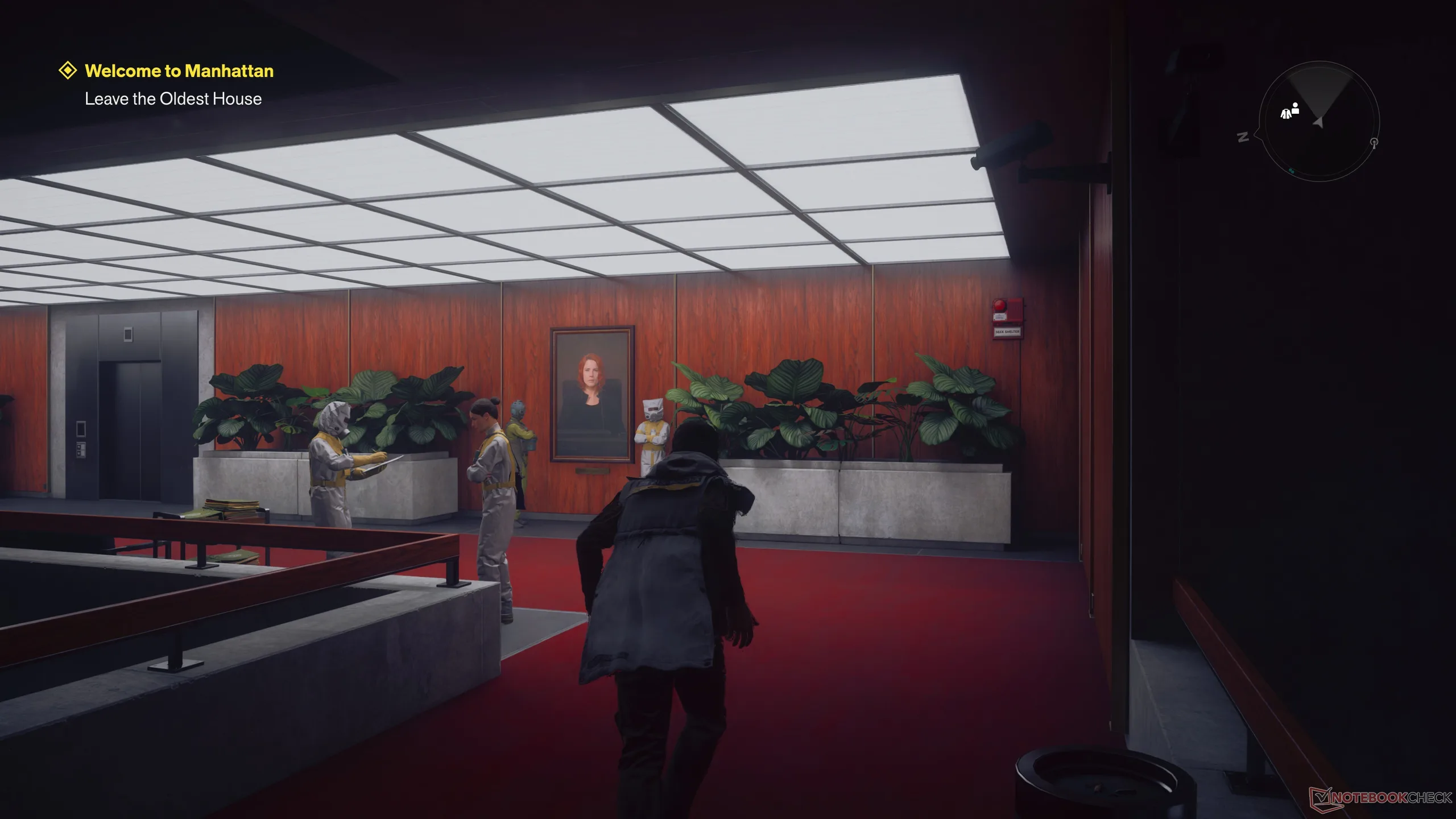
I played it years ago, finished it, moved on to other things and still found myself thinking about the Oldest House long afterwards. Control felt strange in a way that very few expensive games are allowed to feel strange.
Remedy built an entire world around concepts that could very easily have collapsed into nonsense and then refused to over-explain most of them. The Oldest House was simultaneously an office building, a haunted house, a cosmic crossroads and quite possibly a sentient being.
So when Remedy announced Control Resonant, it had already convinced me that I wanted to go back to this universe.
Wolverine had a very different kind of head start with me. I had been looking forward to it for years. Insomniac officially announced it during the September 2021 PlayStation Showcase, three years after the first Marvel’s Spider-Man and in the same presentation that revealed Spider-Man 2.
The original Spider-Man was the reason I got myself a used PlayStation 4 towards the end of its life cycle. It let me fly through New York in real time. Not some made-up video game version. The real thing. All of it. No questions asked.
A Wolverine game from that studio sounded difficult to mess up. Foreshadowing. I know. The catastrophic Insomniac leak in December 2023 dumped an extraordinary amount of material onto the internet, including unfinished Wolverine footage and an early development build that hackers subsequently made playable.
I never treated any of that as a fair representation of the finished game. But it did puncture some of the mystique.
Suddenly this thing that had existed largely as a logo was lying around the internet in half-built pieces. Sony's decision to never speak of Wolverine after its initial reveal didn't help.
Then Spider-Man 2 arrived. Plenty of people loved it. I did not. For me, Spider-Man 2 was one of those sequels that was bigger, prettier and considerably more expensive without being meaningfully more interesting. In many ways, it felt like a downgrade over Spider-Man, and I’m sure many of you feel the same way.
Wolverine never completely disappeared from my radar, though. And part of it is considerably more pathetic: I own a PS5, and at this point I will take just about any genuine first-party exclusive Sony is willing to give the thing. By the time Wolverine actually arrived, my expectations had gone from “this could be incredible” to something closer to “please give me a reason to turn the PS5 on”.
Then there is the slightly awkward matter of my current PlayStation boycott.
So despite owning the exact console Wolverine was made for, I still have not played it. My impressions of Wolverine come from its released footage, its design, the remarkably consistent themes running through professional reviews and the reaction from people who actually bought it.
Resonant, on the other hand, has already eaten nearly 40 hours of my life.
Now for the part where I stop pretending to be impartial
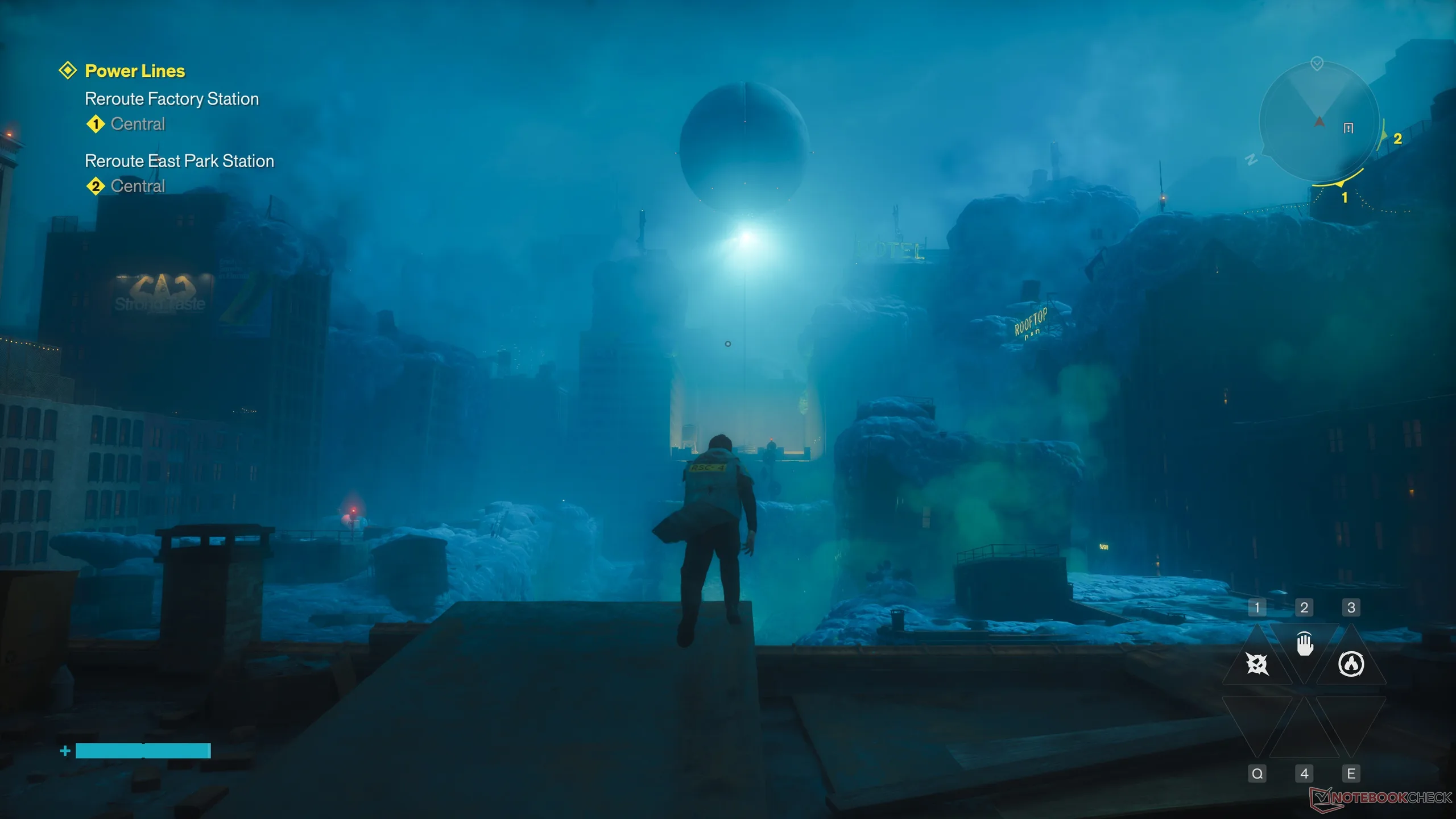
Control Resonant changed the way I look at video games. And I meant that literally and figuratively. I have played an obscene number of games over the past 27 years, and very few have managed to fundamentally alter what I think the medium is capable of doing.
Resonant did. I did not even love every decision Remedy made initially. The biggest was combat. Control gave Jesse the Service Weapon, one of my favourite guns in any video game precisely because it never really behaved like a normal gun. It changed forms, complemented her powers and became part of the rhythm of throwing half an office building at somebody before shooting whatever remained.
Resonant largely throws that away. Dylan gets the Aberrant instead, and Remedy pivots heavily towards melee combat. Great, another Devil May Cry clone. I was not sold. Somewhere along the way, what initially felt like Remedy taking something away started to feel like the studio forcing me to learn a completely different language.
Resonant constantly does that. It technically gives you an open world, or at least something close enough to one that arguing over the terminology becomes pointless.
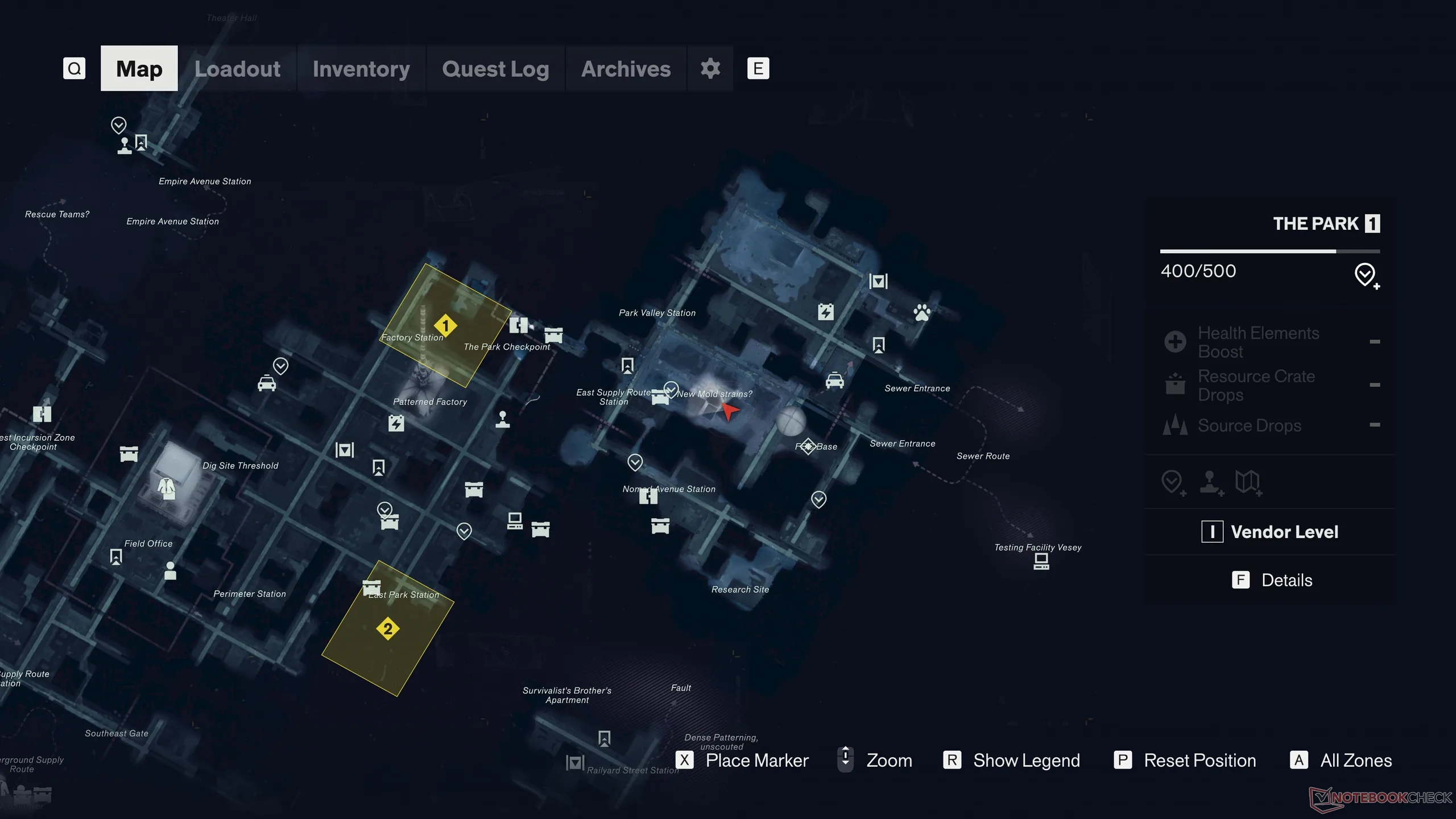
Manhattan is enormous. You can disappear down streets, through buildings, across rooftops and into areas that have absolutely nothing to do with whatever the game currently considers your objective. But meaningful progression still comes from doing things.
You cannot simply look at a map covered in icons, clear twelve identical activities and watch a percentage counter crawl towards 100%. You have to engage with the world.
And exploring it is almost never wasted time. Walk into some random establishment because the door happens to be open and suddenly you are hunting for pieces of an Altered speaker system scattered across Manhattan.
Go back to an FBC Field Office you have already visited a dozen times, and there might be an NPC standing there whom you somehow never noticed. I didn’t until someone on X pointed it out. He is not illuminated. The game does not dramatically introduce him.
Find him, and he starts handing you FBC Tasks. Miss him and, apparently, you can just continue playing the game without consequence. Apparently, only a tiny fraction of players have the achievement for completing even one of those tasks. And I love it.
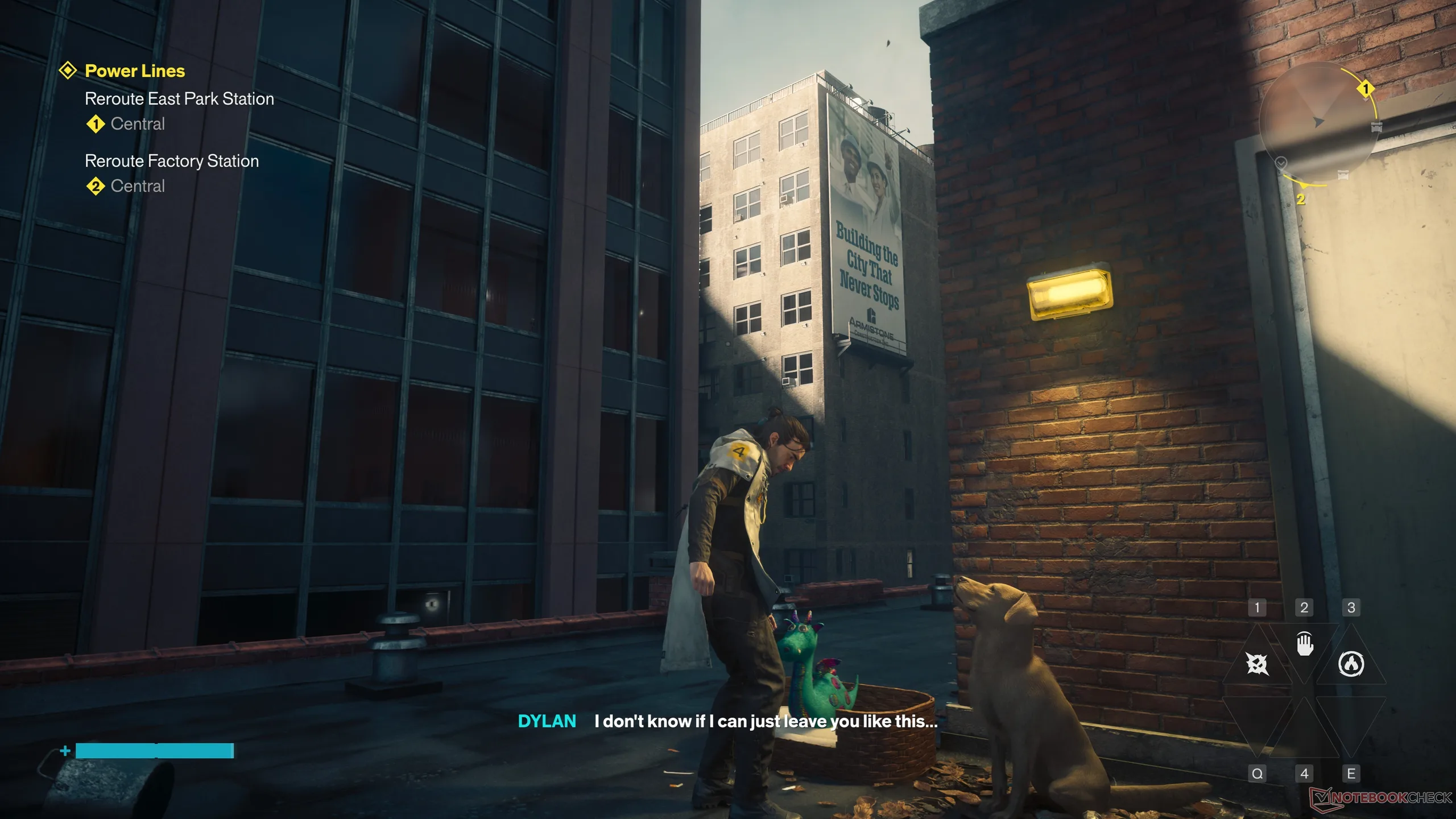
Most AAA games would treat that NPC like a terrified child crossing a motorway. Somebody would put an exclamation point over his head, place him on the map and have several different systems remind you that perhaps you should go and speak to him.
Remedy just leaves him there. That is probably the thing I love most about Resonant. It treats me like an adult. I made essentially the same argument when I wrote about what I want from Diablo 5. I do not want a game constantly terrified that I might become confused, inconvenienced or temporarily inefficient.
Confuse me. Make me uncomfortable. Give me a tedious puzzle. Let me stare at a room for ten minutes wondering what I am supposed to be looking at. Let me get lost. Resonant does all of that. Its combat system constantly encourages experimentation with Aberrant forms, powers, finishers and combinations without demanding that I engage with combat every thirty seconds simply because somebody decided an action game needs a certain quota of enemies per kilometre.
Make no mistake, I love a good fight. That’s kinda the whole point. But sometimes I want to run away because I have to find out what’s in that building with a red glow. The game respects my decision to skedaddle. Not many do that.
Then there is the level design
By this point, anyone who remotely follows video games should have been bombarded with posts praising Resonant’s level design. I genuinely do not know how Remedy built some of this stuff. Perhaps Remedy did indeed ingest some of kind of mold before coming up with some of the areas.
One of the easiest ways to make an open-world map feel larger is to add verticality. Insomniac understands this very well. Spider-Man’s New York is full of enormous buildings because Spider-Man can climb them, swing between them and launch himself off them. Wolverine appears to borrow at least some of that philosophy. Add layers. Add rooftops. Add underground spaces. Stack more playable geography vertically so the same footprint contains more game.
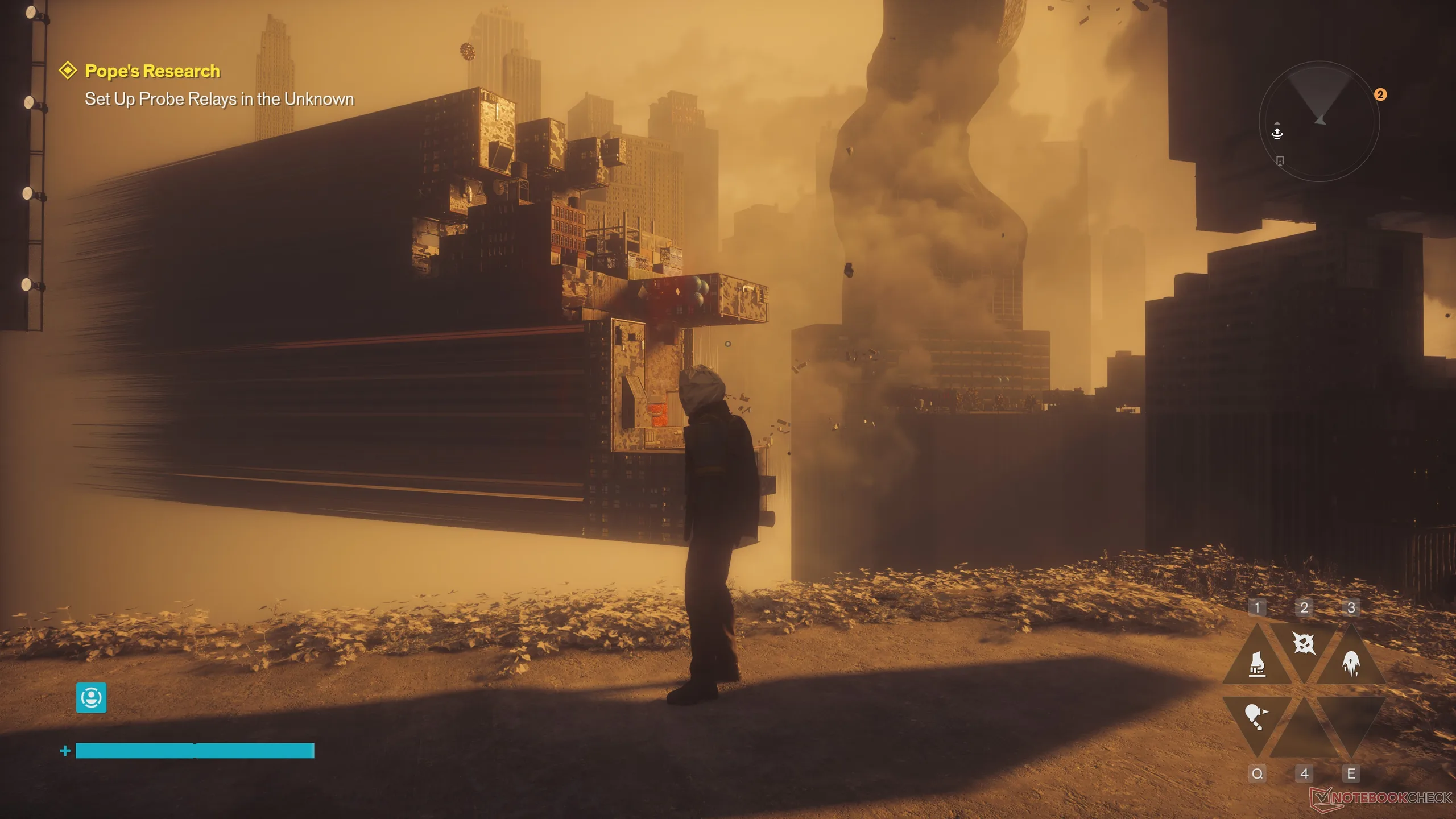
Remedy apparently looked at that idea and decided gravity itself was insufficiently ambitious. The Patterned areas in Resonant are geometrically hostile. Spaces fold through themselves. Distances stop making intuitive sense. Architecture exists in orientations that my brain knows should not work, and then the game asks me to traverse them anyway, and later on in the game, fight mobs of enemies across three different planes of gravity.
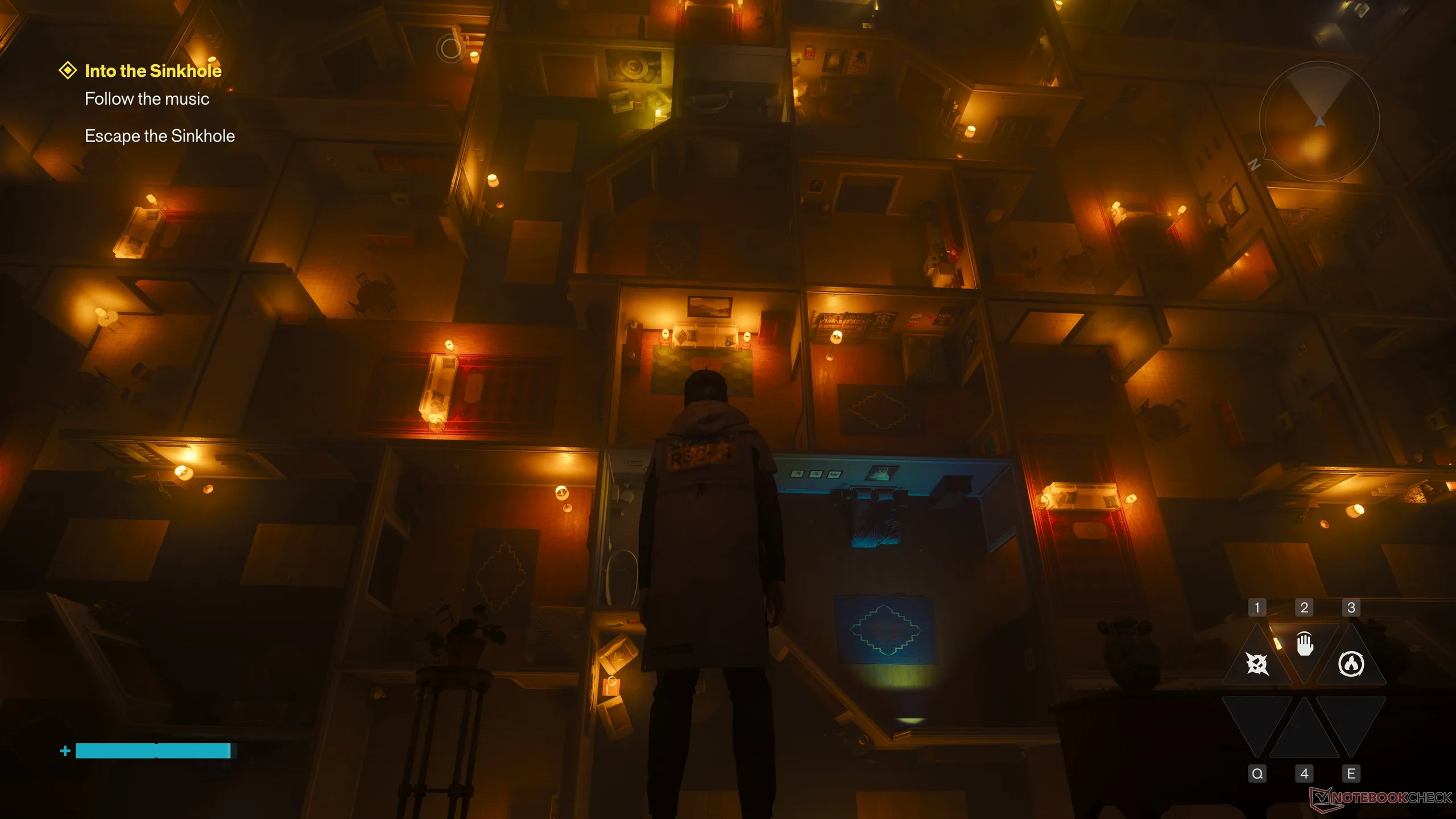
I have walked through sections of Control Resonant that showed me geometry I genuinely would not have thought to imagine. That is what I mean when I say this game changed how I look at the medium. A film can show me impossible architecture. A painting can depict it. A book can describe it.
Resonant lets me walk through it, get lost inside it, jump across it and eventually figure out how its designers expect a human being to navigate it. That interaction changes everything. And it is gorgeous while doing it. The art direction, set pieces and colour work are phenomenal. All while inducing vertigo.
Technically, Resonant also feels like Remedy once again building something graphics cards are going to be benchmarked against for years. The original Control became one of the defining ray-tracing showcases of its generation. I would be astonished if Resonant does not occupy a similar position.
When it first launched, ray tracing was largely dismissed as a meme-tier feature, and that time, one might argue it was. Three generations later, Resonant shows us how it changes the look and feel of a game. Not many titles can do that. And I got to witness it in all its glory on a Lenovo Legion Pro 7 with an Intel Core Ultra 9 275HX and Nvidia GeForce RTX 5090—a full no-compromises experience made only better by its gorgeous OLED panel.
Wolverine is not necessarily wrong
There is an obvious counter-argument to all of this. Not everybody wants what Control Resonant is selling.
Some people have two wives, four jobs, eight children and approximately 17 minutes of free time every second Thursday. They do not want to spend half of that staring at an impossible staircase wondering whether the room is upside down or whether they are.
They want to turn on the console, know where to go, hit some things, watch something spectacular happen and go to bed. There is absolutely nothing wrong with that.
A guided experience is not inherently a bad experience. Sometimes I want one too. There is an enormous audience for games that understand your time is limited and make sure very little of it is wasted. Wolverine appears to be built with that philosophy in mind.
You might play Wolverine for 40 hours and have considerably more fun than I had during my 40 hours with Resonant. That is yours to discover. I am not interested in telling anybody that they enjoyed the wrong game. What I am trying to explain is why I cannot imagine going back because Resonant changed the standard.
And I keep coming back to one word when I try to explain the difference. Soul. It is a terrible word because you cannot measure it. It is impossible to benchmark. But I do not know what else to call it.
Resonant got under my skin. Its story is the first game since NieR: Automata that has actually made me cry. Most of the time, I play video games for exactly the reason everybody else does. I want to have fun. Control Resonant gave me an existential crisis, and that was not on the feature list. There were moments where I stopped playing because I needed to think about what the game had just said: the Deserter’s backstory, the whole thing with Dr Darling and Dylan, and that one segment towards the end that I won’t spoil.
There were ideas in its story that followed me away from the screen. That is the difference I am struggling to quantify.
Wolverine looks like entertainment. Resonant became an experience. That probably sounds unbearably pretentious, and that’s fine.
I have spent nearly 40 hours with the thing. I am allowing myself one paragraph of unbearable pretension. Because every once in a while, a game comes along that reminds me why I do not think of video games as disposable entertainment.
And now for the part that concerns me the most
This is also where the whole thing starts to bother me. Years from now, I suspect Marvel’s Wolverine will be remembered as one of 2026’s major disappointments. Despite that, millions of people bought it.
It had one of the most recognisable comic-book characters on the planet attached to it. It came from one of Sony’s premier first-party studios. It had the production values, marketing and platform backing that come with being a modern PlayStation exclusive.
The industry will look at Wolverine’s sales and call it a success. The spreadsheet will be green. Somebody in a boardroom will point at millions of copies sold and conclude that the formula worked. And from a business perspective, they will be right.
That is the part I find depressing.
Because I think Control: Resonant is the game people will still be pulling apart years from now. People will talk about its level design. They will talk about the way Manhattan folds around itself. They will talk about its puzzles and all the moments where Remedy quietly assumes the player has functioning eyes and a brain attached to them.
And yet Control Resonant is the game whose commercial performance we apparently need to scrutinise. Remedy does not have Sony’s margin for error. Resonant is self-published. Remedy gets substantially more of the upside, but it also carries more of the financial risk.
Analysts at Inderes described the game before launch as potentially the most important commercial release in Remedy’s history, with its performance affecting the studio’s cash flow and its ability to finance future projects independently. That alone means the stakes are unusually high and will single-handedly determine where Alan Wake 3 launches. Nobody wants it to be Epic Games-only, and the only way to make that happen is to go out and buy a copy of Control Resonant.
Only one game can fail upwards
One company can make something extremely conventional, attach Wolverine to it, sell an enormous number of copies and walk away with another commercially successful AAA franchise. The other can spend years making something as strange, intricate and unmistakably authored as Control Resonant and still have people asking whether it sold enough copies to justify doing it again.
Obviously, Remedy is a business. Its employees need salaries. Games cost money to make. I am not suggesting Sam Lake should pay the electricity bill with Metacritic reviews. But there is something profoundly depressing about the asymmetry.
Wolverine can disappoint me, disappoint a chunk of its audience and still be insulated by the gravitational pull of Marvel, PlayStation and Insomniac.
Control Resonant has to earn every sale.
And if it misses whatever number eventually ends up in an investor presentation, nobody in finance is going to add another column marked “but the level design was extraordinary”.
Safe games keep getting made because safe games keep making money. Strange games are forced to prove that being strange was financially responsible.
So is AAA gaming dying?
For years, people have been declaring the death of AAA gaming. The budgets are too big. Development cycles are too long. Publishers are too risk-averse.
Every game costs an absurd amount of money, takes the better part of a decade to make and consequently cannot afford to do anything that might frighten somebody in a focus group.
Then September gave us Marvel’s Wolverine and Control Resonant within nine days of one another and somehow proved both sides right at exactly the same time. That is one hell of a paradox.
Wolverine represents much of what people complain about when they talk about modern AAA development. It is huge, spectacularly expensive and designed by some of the most talented people in the industry. And from everything I have seen and read, an extraordinary amount of said talent has been channelled into making something exceptionally safe.
Control Resonant is the counterargument. This is what AAA money can do when somebody is willing to take risks. It can construct puzzles without immediately whispering the solution into your ear, use cutting-edge rendering technology as something more interesting than a way of making puddles shinier. It can make me look at a piece of geometry and wonder how somebody even conceived it, never mind persuaded a graphics engine to render it. And games like this matter beyond the people playing them today.
Somewhere, right now, there is probably a sweaty 19-year-old college student getting one-shot by Control Resonant.
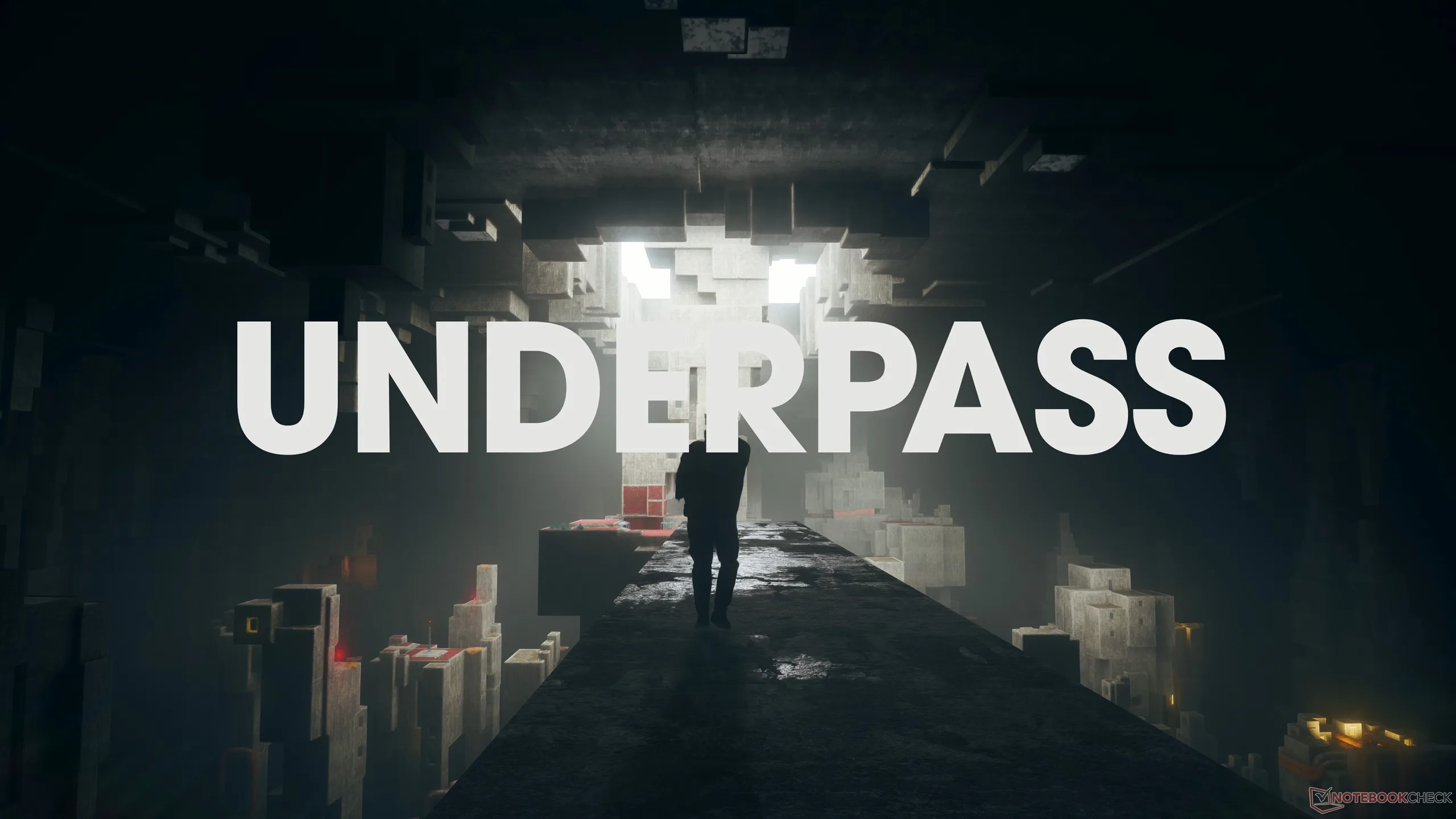
They are probably stumbling their way through the Underpass right now wondering how to solve that damn power cube puzzle. They will eventually finish the game. Maybe they will play it again. Maybe they will spend the next six months reading about how Remedy made it.
And maybe 15 years from now, that same person will be standing on a stage accepting an award for some game none of us can currently imagine, telling an interviewer that Control Resonant was one of the reasons they became a developer. That is how a medium moves forward.
I struggle to imagine Wolverine having the same legacy. Perhaps somebody will read this in 2041 immediately before watching a developer explain how Marvel’s Wolverine changed their life. I hope they send me the link.
And yet, if I had to guess which of these two games the next decade of AAA development will resemble, I would pick Wolverine.
Because safe sells. The glowing object sells. The prompt explaining which button to press sells. The game constantly reassuring you that you are going in the right direction sells. There is a reason these things keep appearing. They work.
They prevent somebody from spending their only free hour of the evening relearning the 3 axes of space from first principles.
There is nothing inherently wrong with any of that.
The problem comes when those ideas start becoming the assumed grammar of AAA game design.
That is the future Control Resonant makes me afraid of. It proved that a huge modern game can still be demanding, strange, beautiful, obtuse, technically absurd and confident enough to leave the player alone. And yet, only a handful of the big-budget studios will actually do that.
In the end, the games industry will look at all of it, nod appreciatively, give Remedy a few awards and then go straight back to putting yellow paint on surfaces.
Because Wolverine made a wad of cash, and that is the real tale of these two AAA games. One shows me what this industry can be. The other shows me what it will probably choose to be.
And for once, I desperately hope I am wrong.
 Add as a preferred source on Google


