




Xiaomi's Xring O3 adds a key feature for Windows game emulation that's missing from Dimensity chips
A Vulkan capability report for the Xiaomi 18 Fold, powered by Xiaomi's in-house Xring O3 chip, shows full support for the BCn (BC1 through BC7) block-compressed texture format family. The Xring O3 also powers the Xiaomi Pad 9 Pro Max, meaning the same BCn capability should extend to Xiaomi's tablet lineup as well. This is notable because Mali-based MediaTek Dimensity and Google Tensor chips have historically not exposed BCn support, despite using the same Arm Mali GPU IP.
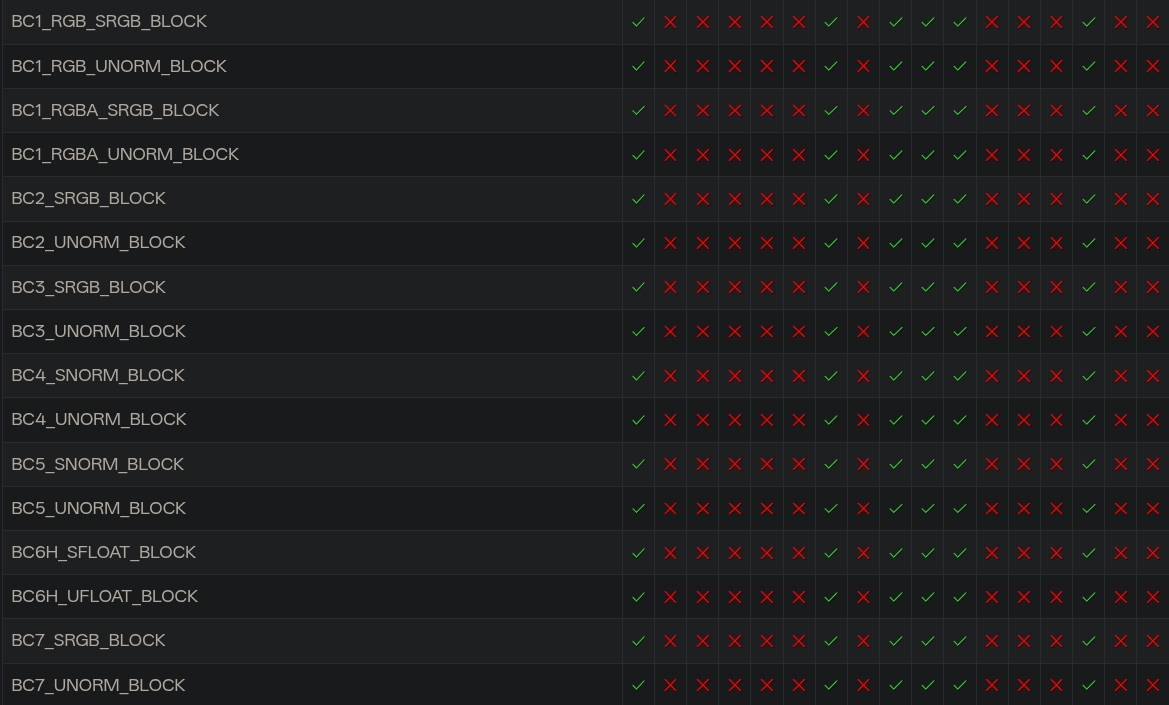
The vulkan.gpuinfo.org report for the Xiaomi 18 Fold shows sampling, blitting, and transfer support across all BC1 through BC7 subtypes, a format family used extensively by PC and console titles but not natively required by Android, which relies on ASTC and ETC2 instead.
BC texture decoding is not a fixed feature of every Mali GPU. It is one of several texture unit blocks that Arm licenses on a configurable basis, meaning individual chip vendors choose whether to include it. That configurability is likely why Dimensity and Tensor, despite using Mali GPUs from the same GPU architecture families, have not shipped with BCn exposed, while Xiaomi appears to have opted in for the Xring O3.
The practical benefit of BCn support on a mobile chip is compatibility rather than everyday app performance. Desktop game engines and PC compatibility layers, including Proton-style translation tools and Windows-on-ARM software, commonly ship assets in BC-compressed formats. Qualcomm's Adreno GPUs have so far been the only mobile option with full BCn decoding, making this a rare capability outside of Qualcomm's ecosystem. Without native decoding, a driver has to fall back to software decompression, at the cost of increased memory and battery usage. Native BCn support removes that penalty and points toward Xiaomi positioning the Xring O3 for wider desktop-app and emulation compatibility on future devices.
Source(s)
 Add as a preferred source on Google


No comments for this article
