


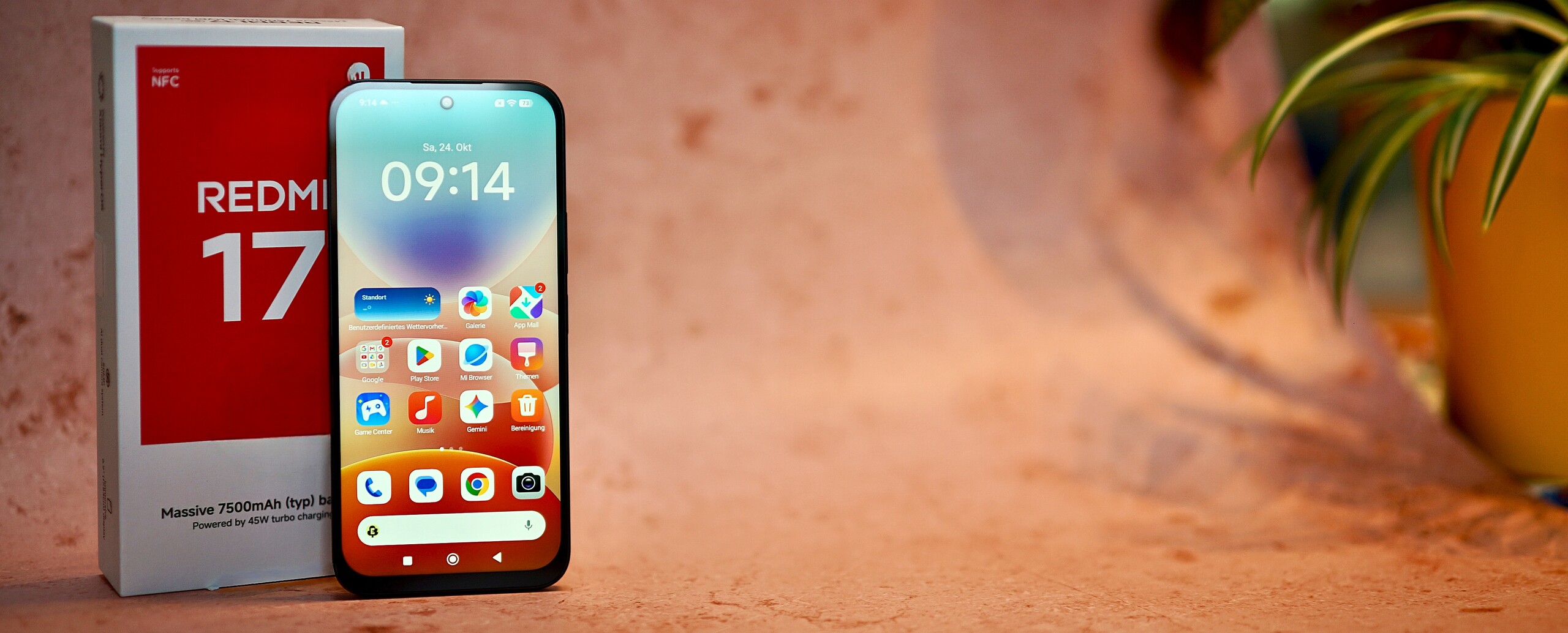
Verdict - Xiaomi Redmi 17 5G
With the Redmi 17 5G, Xiaomi has its eye on an affordable price point while aiming to deliver the longest possible battery life. Well, in this regard, they've been quite successful. The phone kept running for 25 hours and 44 minutes in our Wi-Fi test, and this means it can easily go several days without needing to be charged. However, this comes with trade-offs—though they may be acceptable given its current street price of around £150. These include limited performance, which can lead to occasional system stuttering and relatively slow storage. On top of this, you have to deal with a small amount of RAM, a display that isn't particularly bright, a camera setup that is, at best, passable, system software that includes advertisements, and a rather short warranty period.
However, the Redmi 17 5G also packs some positive features beyond its excellent battery life. For example, there is a multi-colored notification LED, which proves useful in everyday use, and it also comes with a very long-term update commitment—something that is by no means standard, especially for budget-friendly phones these days.
Furthermore, the screen is free from PWM flickering, which is a real relief for users sensitive to such issues.
Overall, the Xiaomi Redmi 17 5G is a solid choice if you're searching for an affordable phone that lasts longer than many others—provided you don’t require a high level of performance.
Pros
Cons
Price and availability
The Xiaomi Redmi 17 5G's price has already dropped significantly. Currently, the 128 GB version can be had for under £145 on Amazon, with the additional cost for more storage currently hovering around £30.
Table of Contents
- Verdict - Xiaomi Redmi 17 5G
- Specifications
- Case – The budget-friendly Xiaomi phone comes in many colors
- Features – Not much RAM to be found in the Xiaomi phone
- Software – A promise of long updates for the Xiaomi Redmi 17 5G
- Communication and GNSS – A low-cost mobile phone for international use
- Telephone functions and voice quality – The Redmi 17 lacks an eSIM
- Cameras – Average image quality on the Xiaomi
- Accessories and warranty – A 12-month smartphone warranty
- Input devices and operation – The Xiaomi device packs a fast touchscreen
- Display – The Redmi phone has a low resolution screen
- Performance – Not a Xiaomi powerhouse
- Emissions – Little to no warming
- Battery life – A budget phone with very long battery life
- Notebookcheck overall rating
- Possible alternatives compared
Specifications
Case – The budget-friendly Xiaomi phone comes in many colors
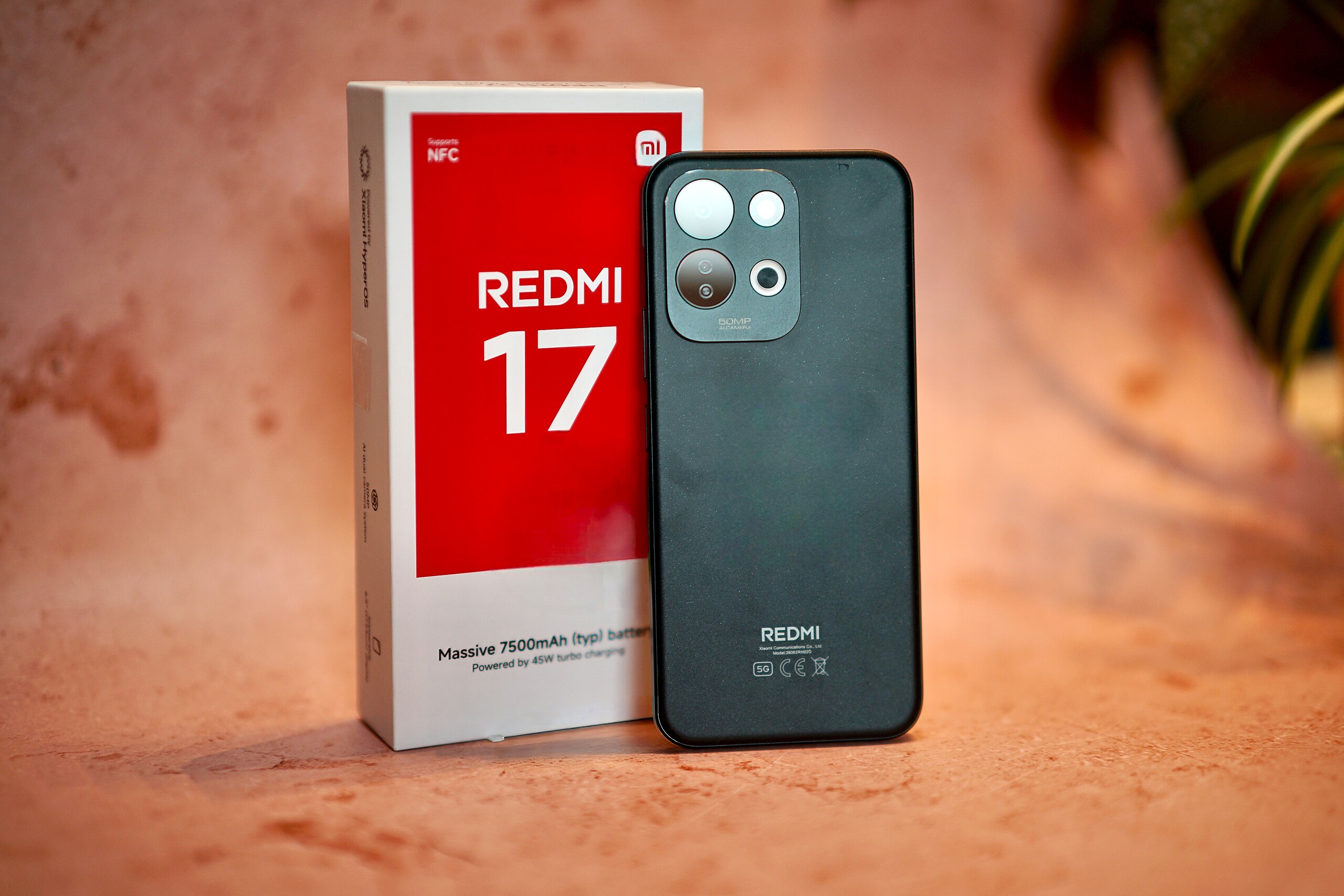
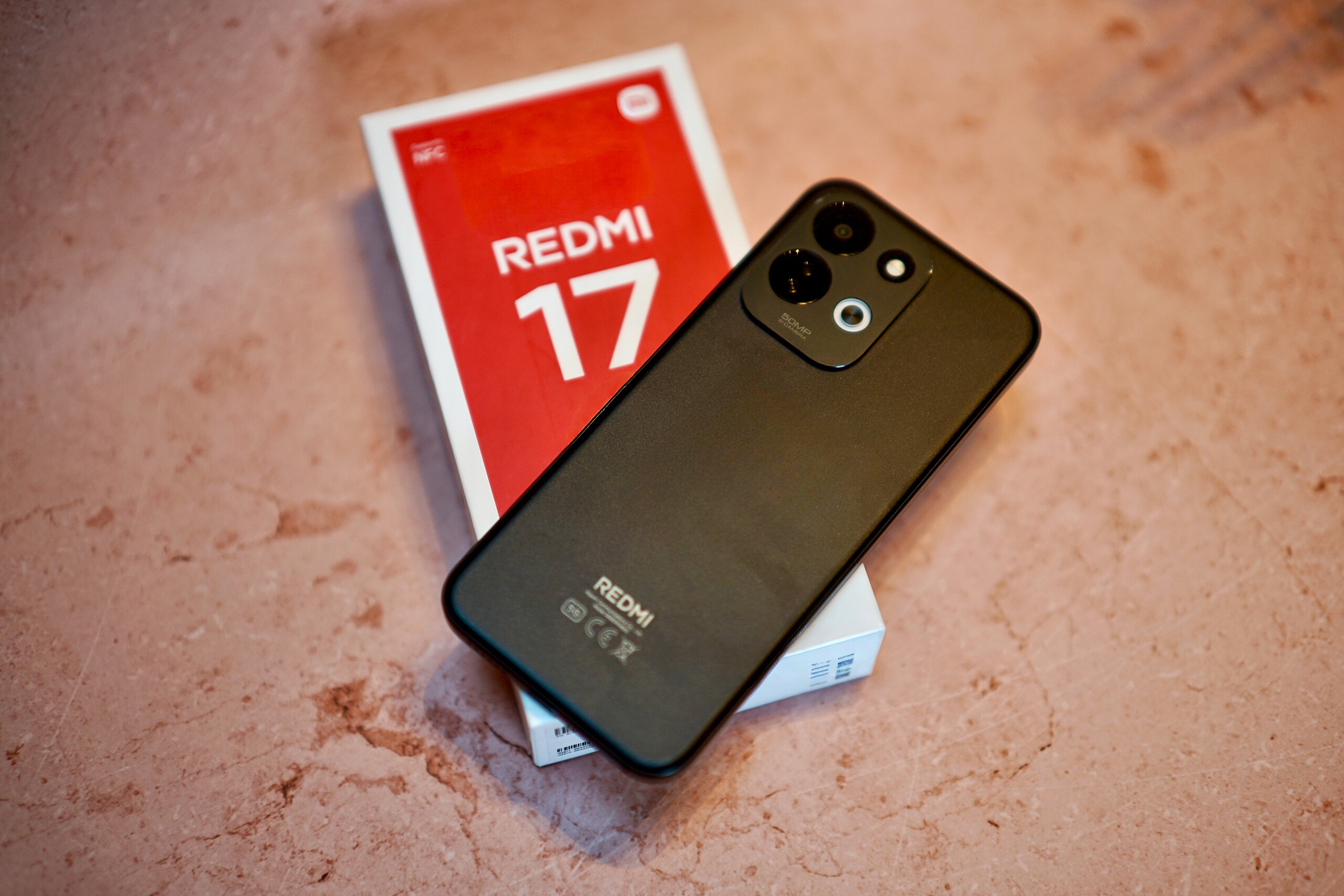
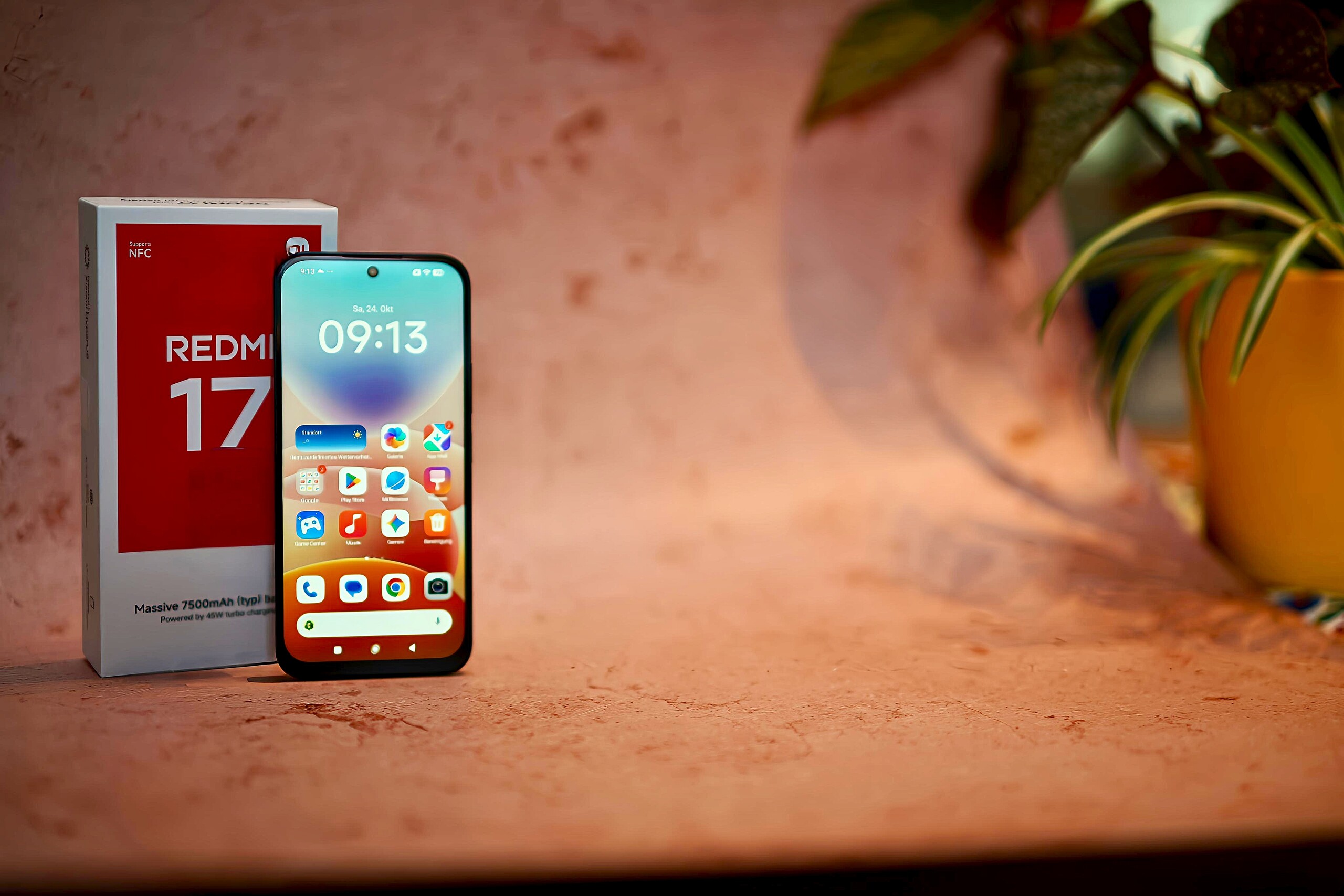
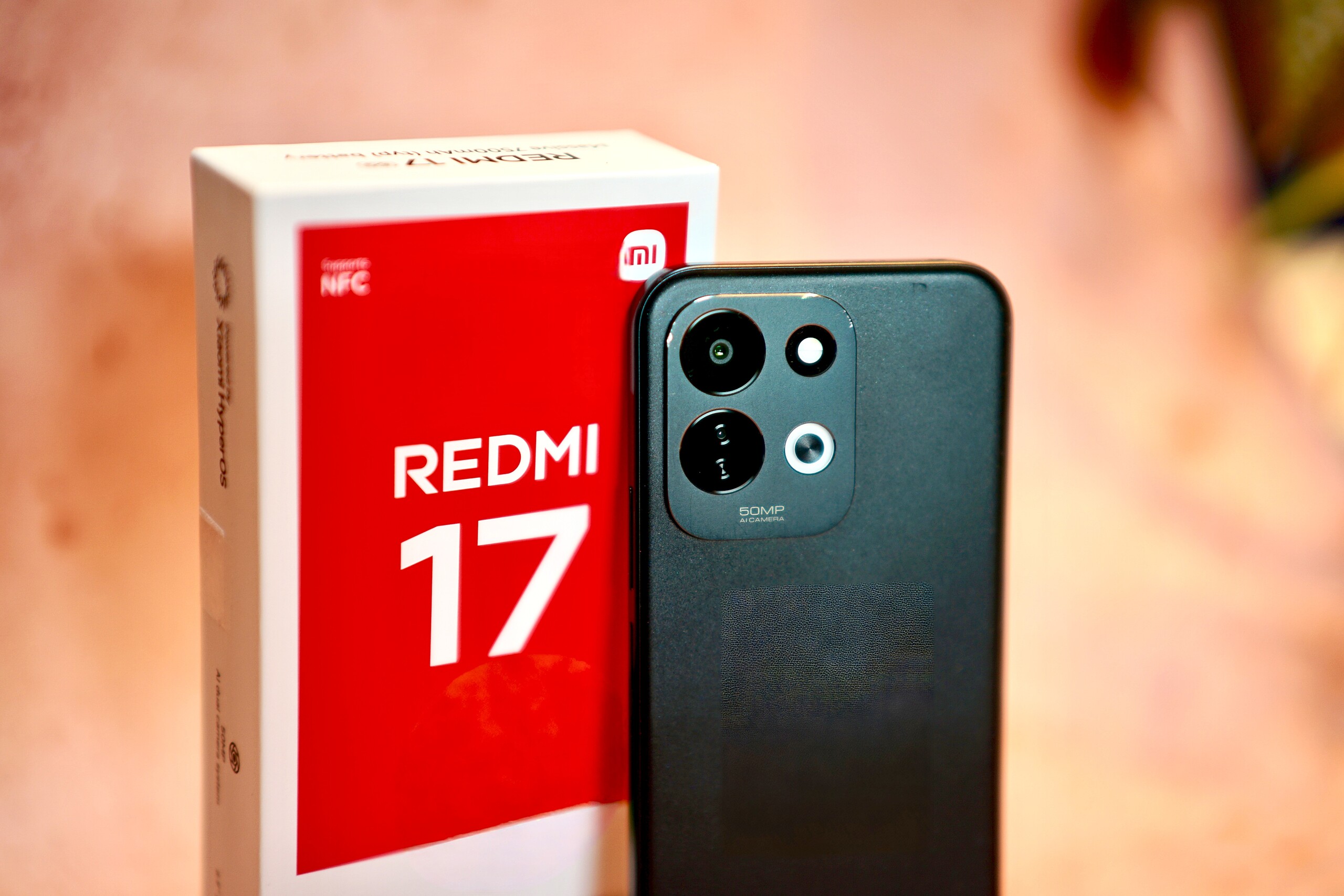
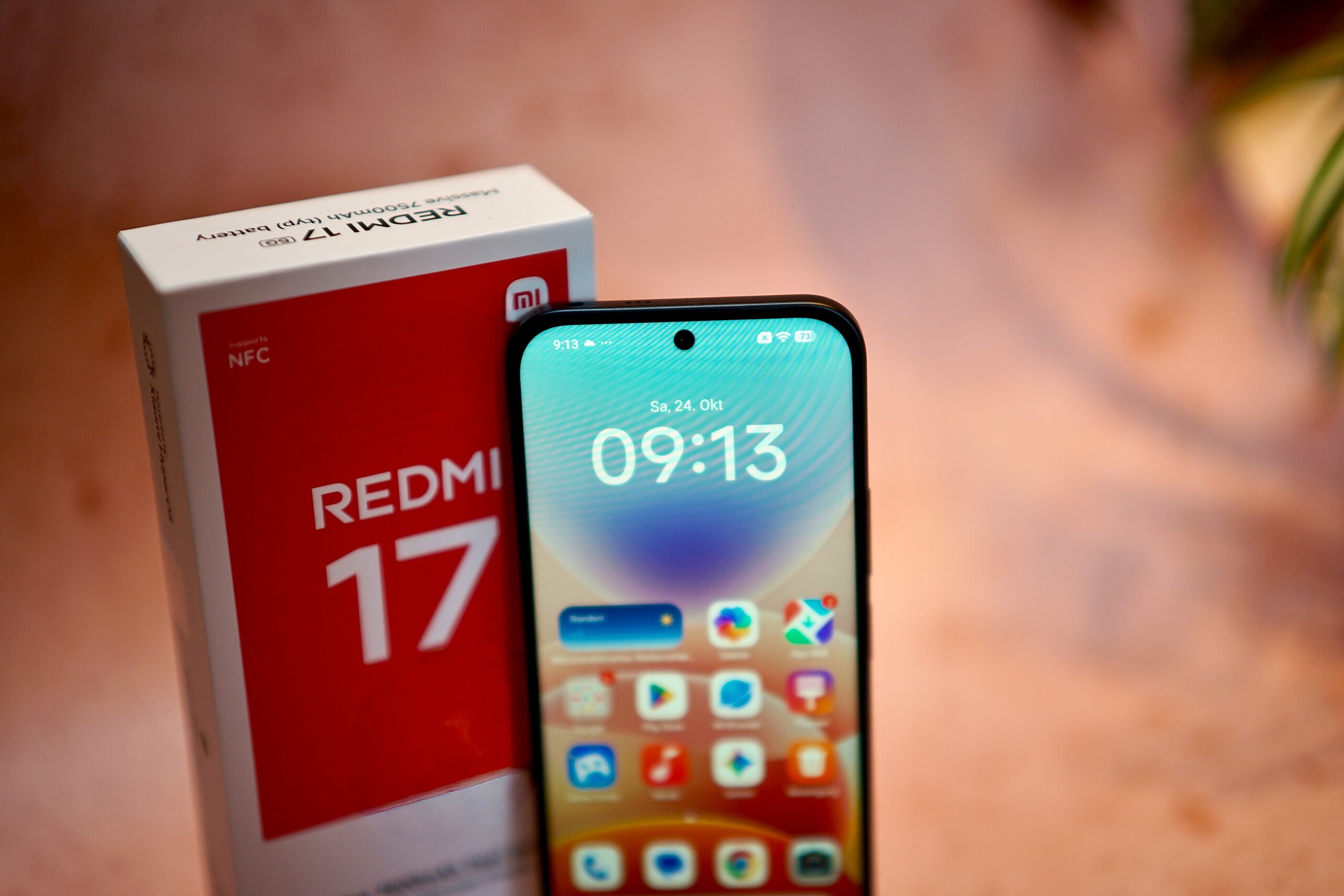
The affordable Xiaomi phone has three different color options: Vivid Orange, Deep Blue, and Black. The orange version features a faux leather texture on the back, while the blue and black models come with a smooth back.
The camera module is framed in metal, but the rest of the phone is constructed from plastic. The device carries an IP64 rating, providing protection against dust and splashing water—though we would advise against submerging the Redmi 17 5G in water.
At 232 grams, it is slightly heavier than competing phones, but this extra weight is easily forgivable given its impressive battery capacity.

Features – Not much RAM to be found in the Xiaomi phone
You shouldn't expect more than 4GB of RAM from the Redmi 17 5G, though it is at least possible to choose between 128GB and 256GB of internal storage.
Interestingly, Xiaomi has included a notification LED on the back that is quite large and integrated into the camera module. It uses different colors to indicate events such as missed calls or new messages.
Although it does house a card reader, it didn't perform particularly quickly in our tests with an Angelbird V60 reference card.
microSD Card Reader
| SD Card Reader - average JPG Copy Test (av. of 3 runs) | |
| Motorola Moto G47 (Angelbird V60) | |
| Xiaomi Redmi 17 5G (Angelbird V60) | |
| Average of class Smartphone (5.72 - 58.9, n=52, last 2 years) | |
| Xiaomi Redmi Note 17 5G (Angelbird AV Pro V60) | |
Cross Platform Disk Test (CPDT)
Software – A promise of long updates for the Xiaomi Redmi 17 5G
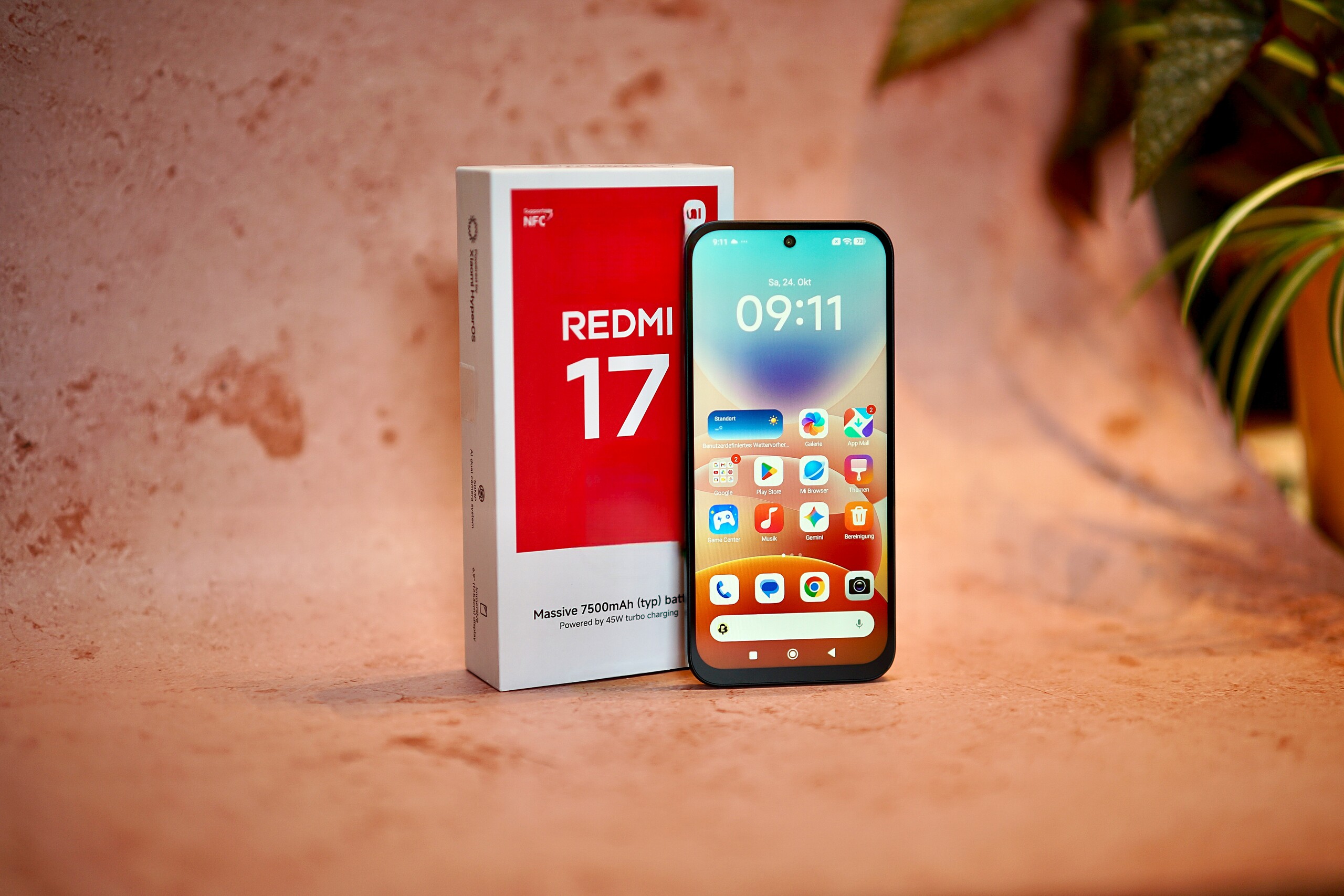
The smartphone ships with HyperOS 3, which is based on Android 16.
According to Xiaomi’s Security Center, the Redmi 17 5G is set to receive updates until 2032, which is a total of six years from its market launch. These updates are expected to arrive approximately every 90 days, and the device is slated to receive four major operating system upgrades.
Unfortunately, you will still find ads in certain parts of Xiaomi’s software, and users will also have to contend with a large number of pre-installed apps.
Sustainability
Xiaomi hasn't disclosed the specific volume of CO2-equivalent emissions generated during the production and operation of the Redmi 17 5G.
The manufacturer merely points to its ESG initiatives—such as plastic-free packaging, the use of rail and sea transport (which produce lower CO2 emissions), and a self-repair program.
Communication and GNSS – A low-cost mobile phone for international use
WiFi 5 is the best connectivity standard the Redmi 17 5G can offer. This is typical for other phones in a similar price range, and only the Nothing Phone (4b) achieves slightly higher speeds with its WiFi 6.
Our review unit, however, delivers very stable data rates between 306 and 360 Mbps. This should be sufficient for most internet users, and only anyone who frequently downloads large files or operates a high-speed home network is likely to notice the difference in speed.
The Redmi 5G supports a wide range of LTE and 5G mobile network frequencies, making it well-suited for accessing mobile internet while travelling.
| Networking | |
| Xiaomi Redmi 17 5G | |
| iperf3 transmit Wi-Fi6/7 RT-BE96U | |
| iperf3 receive Wi-Fi6/7 RT-BE96U | |
| Xiaomi Poco X8 | |
| iperf3 transmit Wi-Fi6/7 RT-BE96U | |
| iperf3 receive Wi-Fi6/7 RT-BE96U | |
| Motorola Moto G47 | |
| iperf3 transmit Wi-Fi6/7 RT-BE96U | |
| iperf3 receive Wi-Fi6/7 RT-BE96U | |
| Nothing Phone (4b) | |
| iperf3 transmit Wi-Fi6/7 RT-BE96U | |
| iperf3 receive Wi-Fi6/7 RT-BE96U | |
| Xiaomi Redmi Note 17 5G | |
| iperf3 transmit Wi-Fi6/7 RT-BE96U | |
| iperf3 receive Wi-Fi6/7 RT-BE96U | |
| Average 802.11 a/b/g/n/ac | |
| iperf3 transmit Wi-Fi6/7 RT-BE96U | |
| iperf3 receive Wi-Fi6/7 RT-BE96U | |
| Average of class Smartphone | |
| iperf3 transmit Wi-Fi6/7 RT-BE96U | |
| iperf3 receive Wi-Fi6/7 RT-BE96U | |
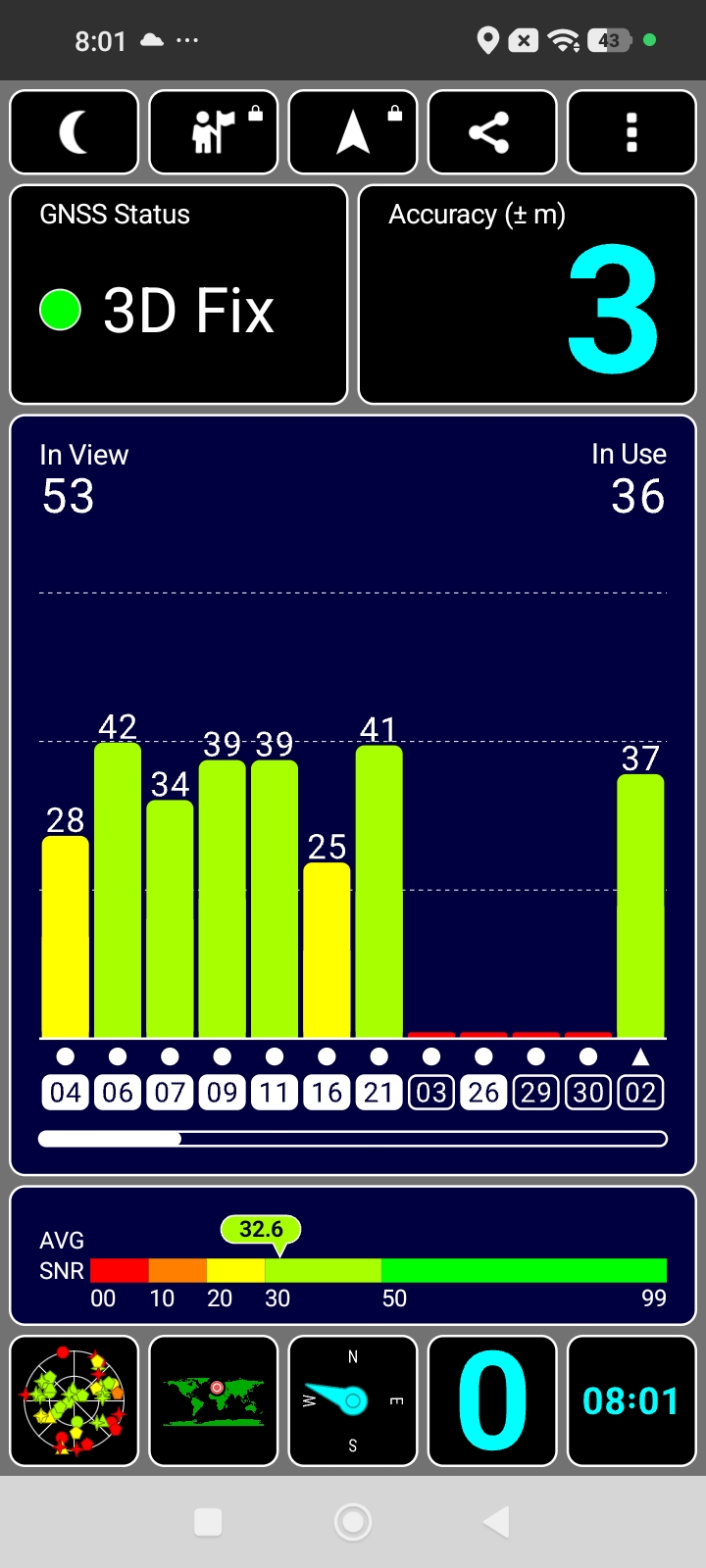
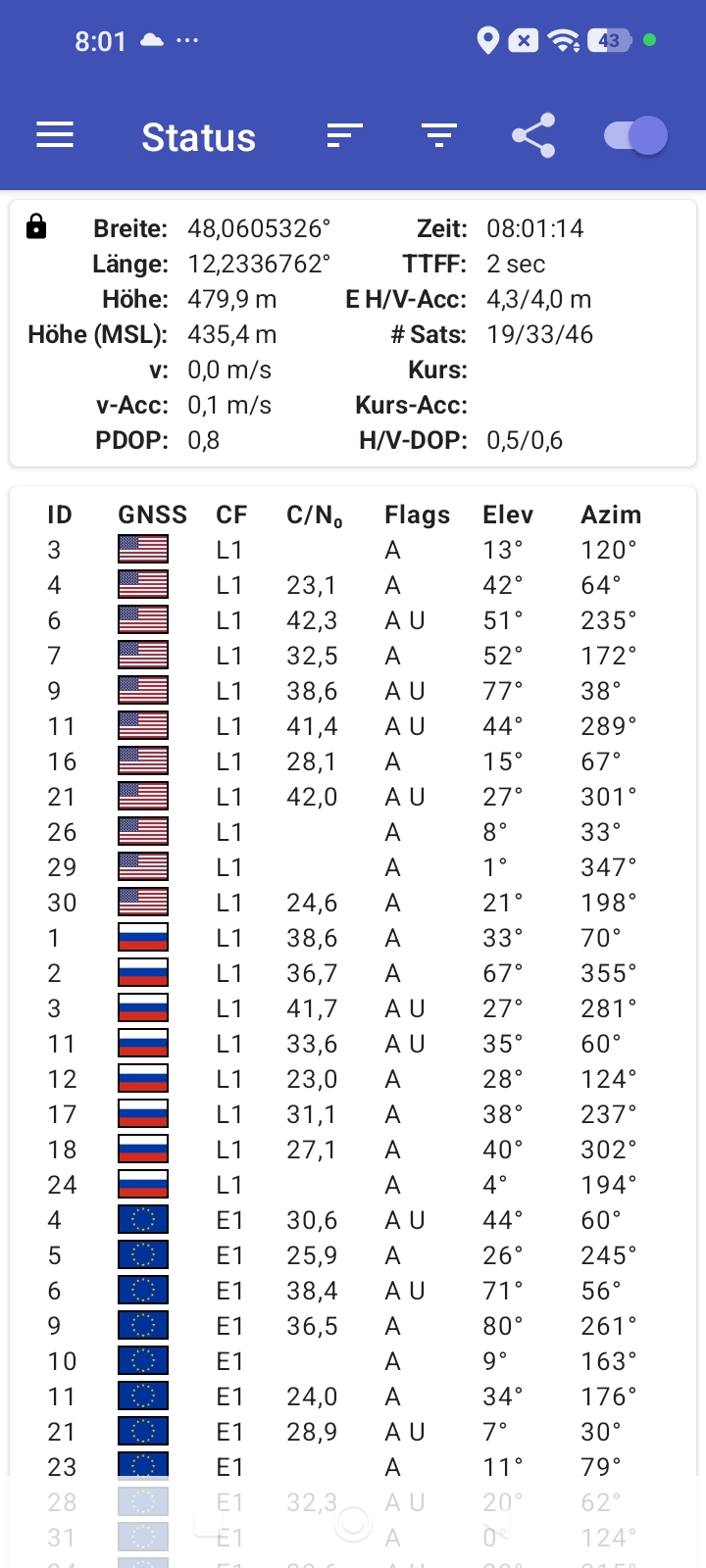
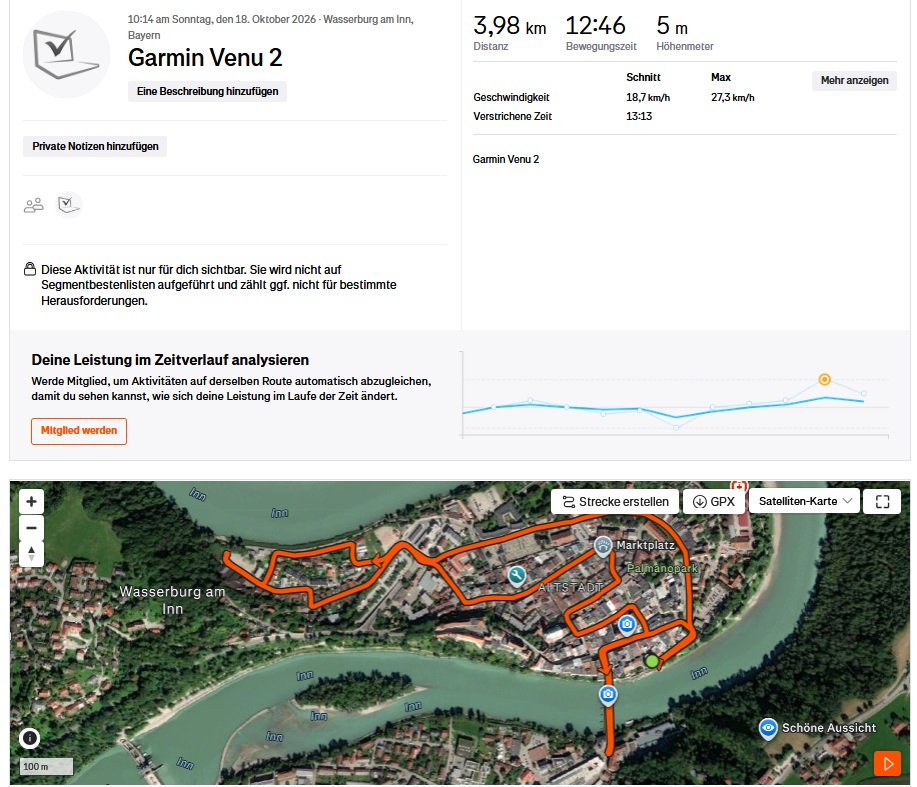
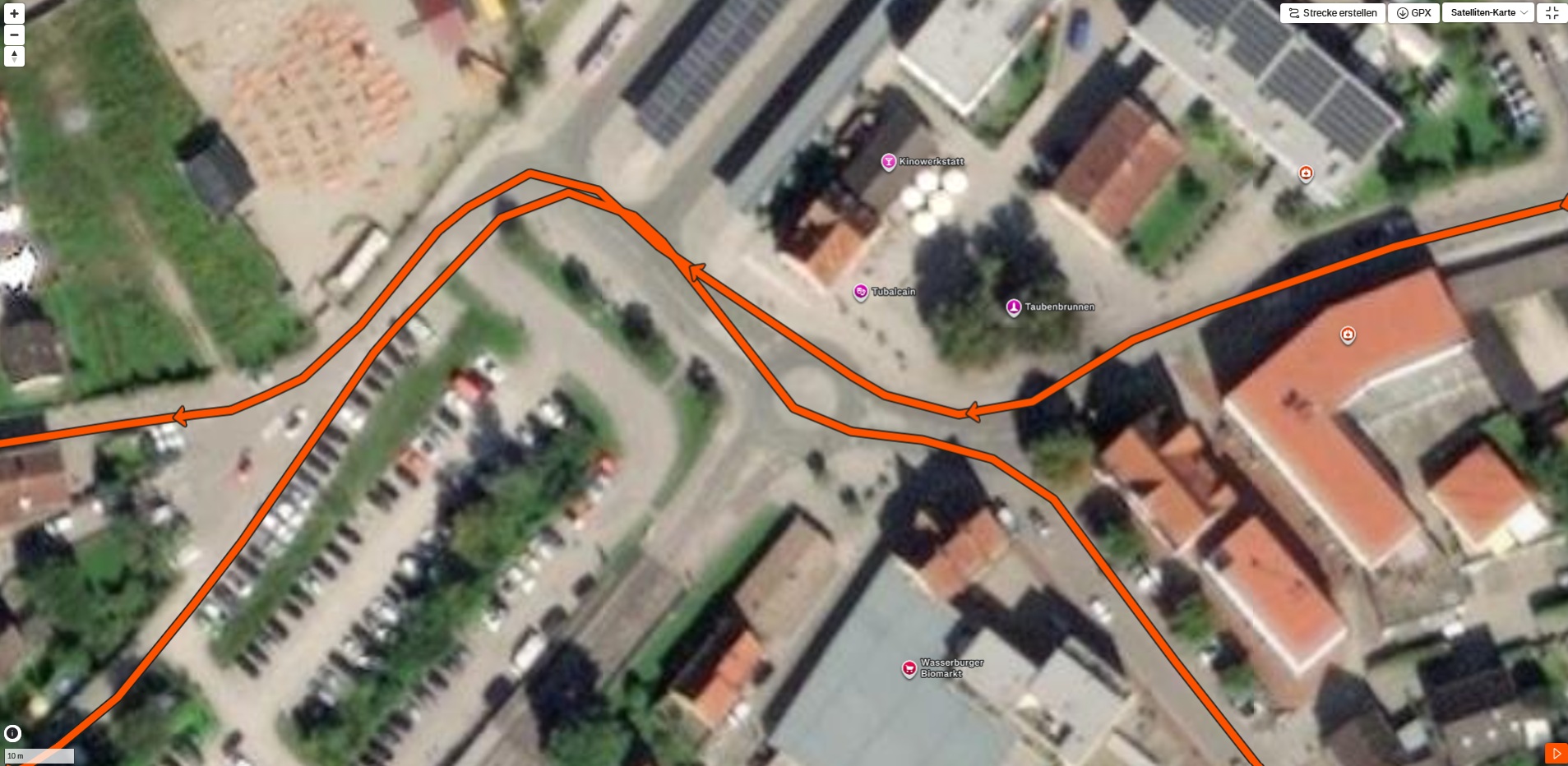
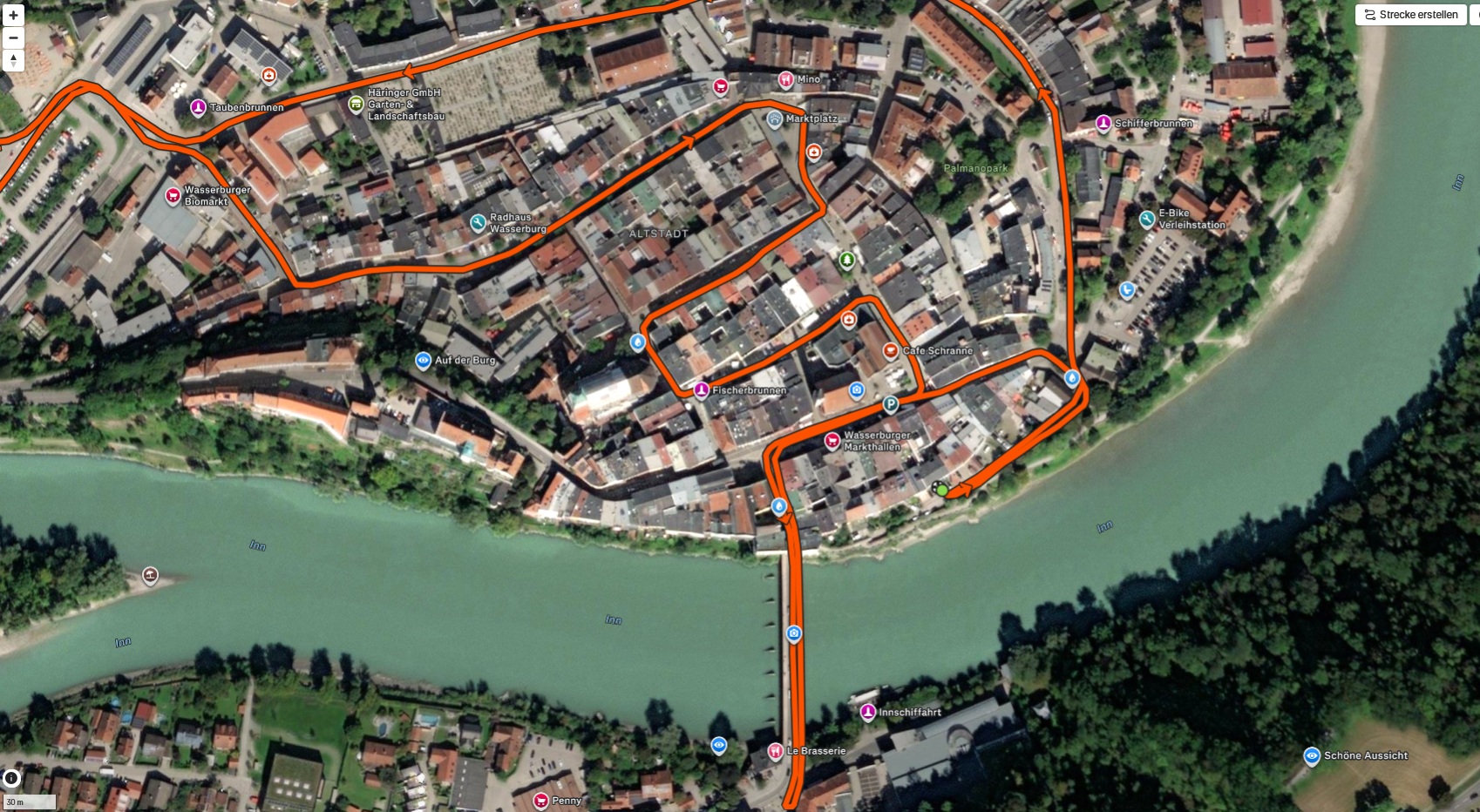
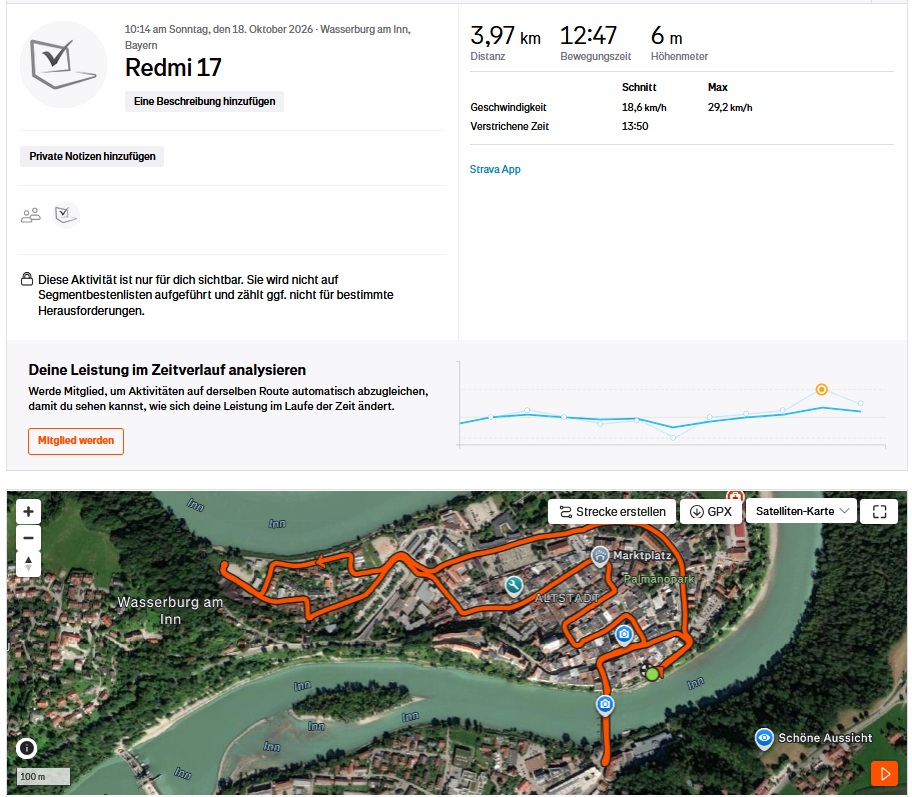
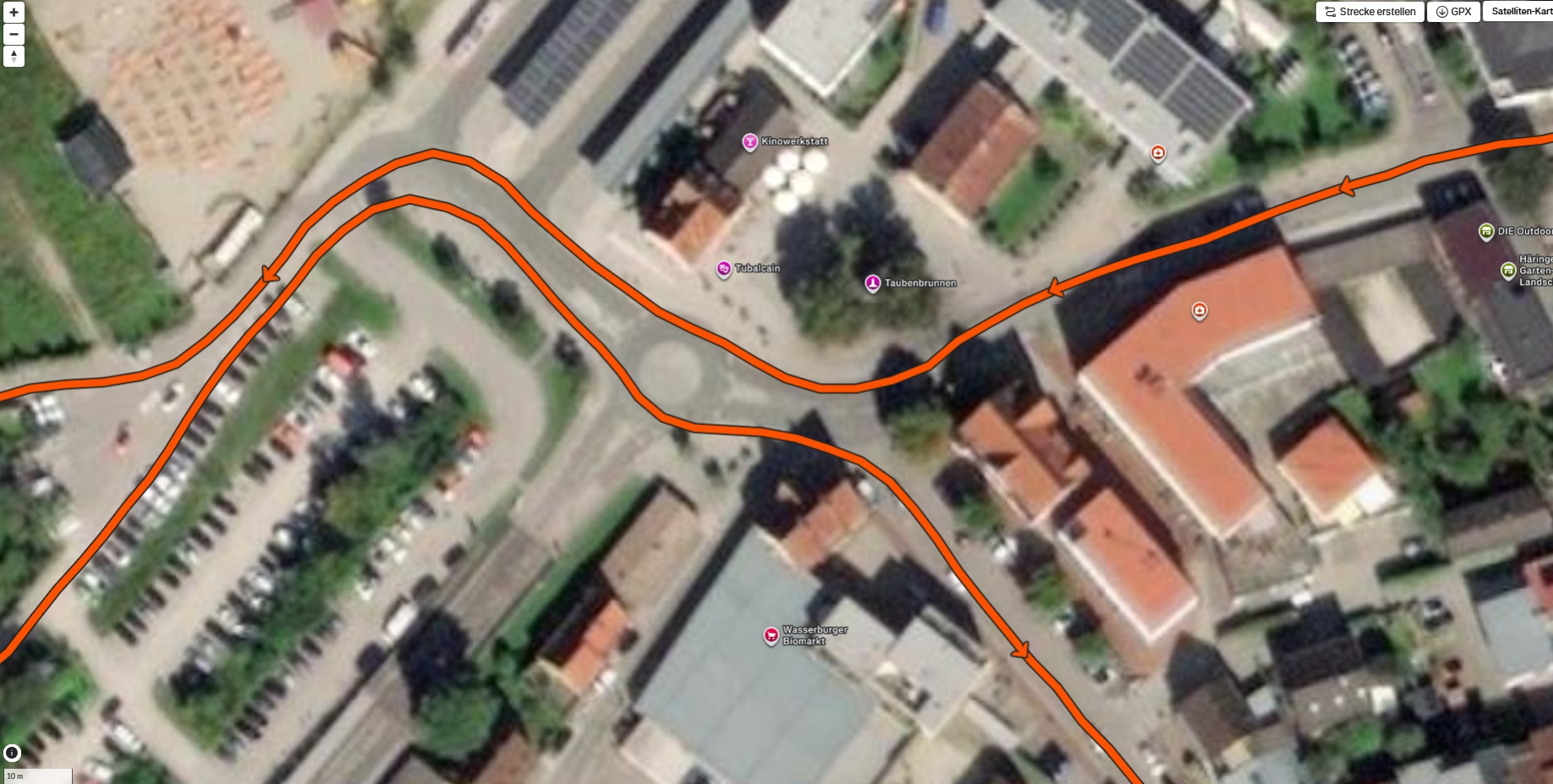
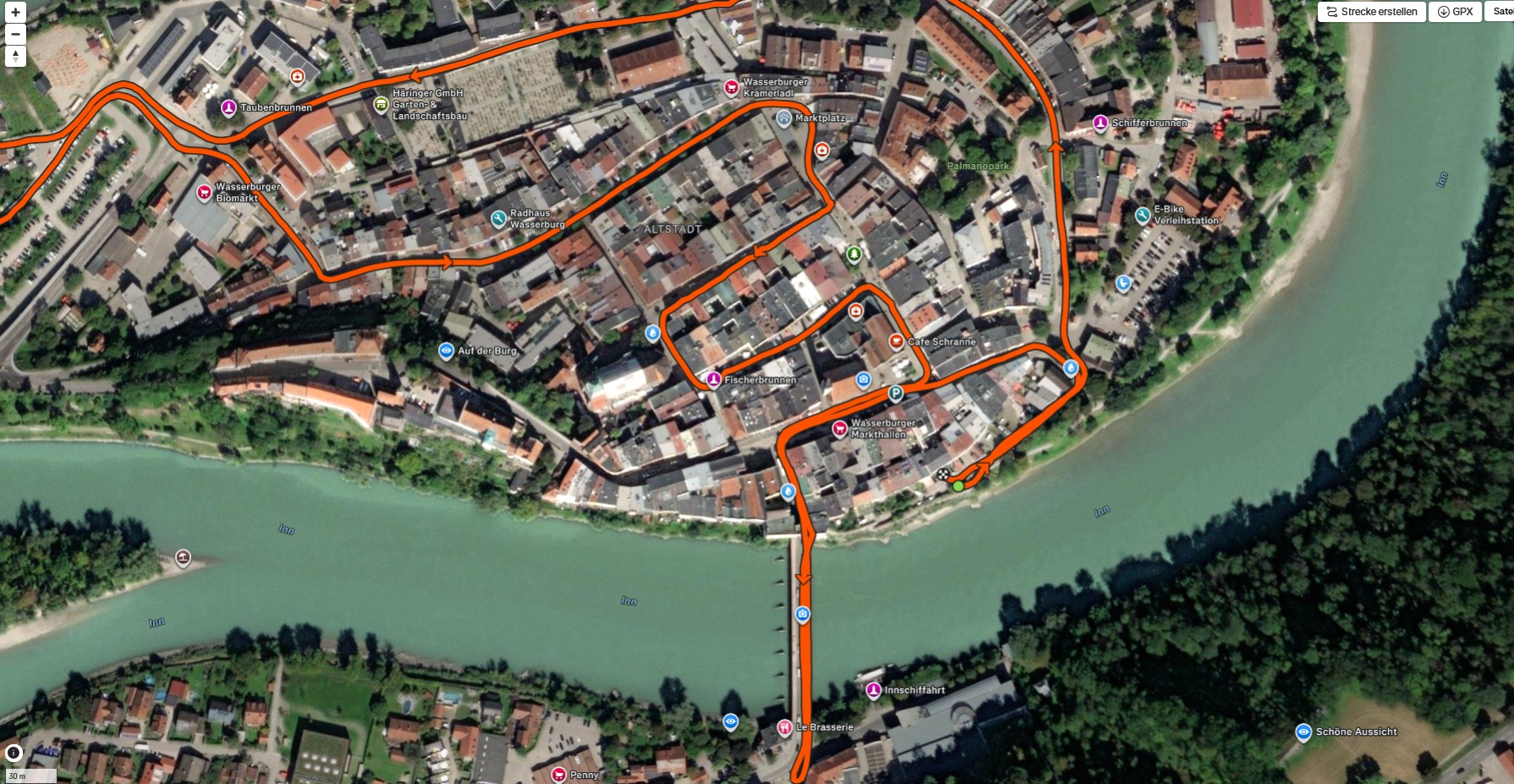
On a bike trip, we also carried a Garmin Venu 2 for comparison purposes, and the Xiaomi Redmi 17 5G demonstrated that it is both suitable for navigation and also issue-free.
However, users requiring absolute precision should look elsewhere, since the phone’s positioning can occasionally be off by a meter or so from the actual road or bridge.
Telephone functions and voice quality – The Redmi 17 lacks an eSIM
The Xiaomi Redmi 17 5G supports dual SIM using two nanoSIM cards, but eSIM is not supported.
VoLTE, VoNR, and VoWiFi are also included, allowing for calls over both mobile networks and Wi-Fi.
In a brief test call, voice quality was relatively good; however, the person on the other end of the line noted that the built-in microphone often picked up our voice at a somewhat low volume.
Cameras – Average image quality on the Xiaomi

You will have to make do with only a single camera lens on the back, even though the camera module itself looks like it might house more.
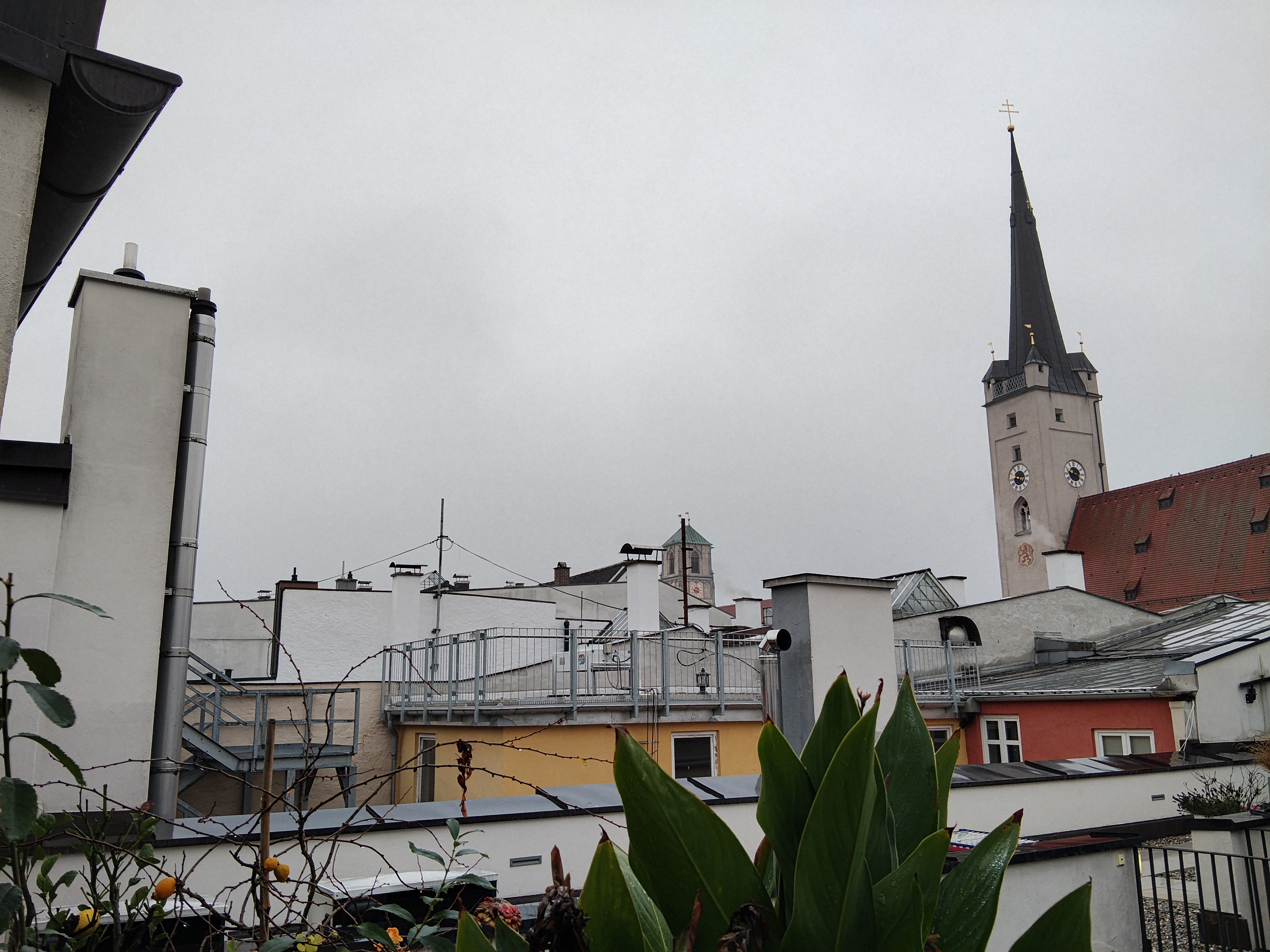
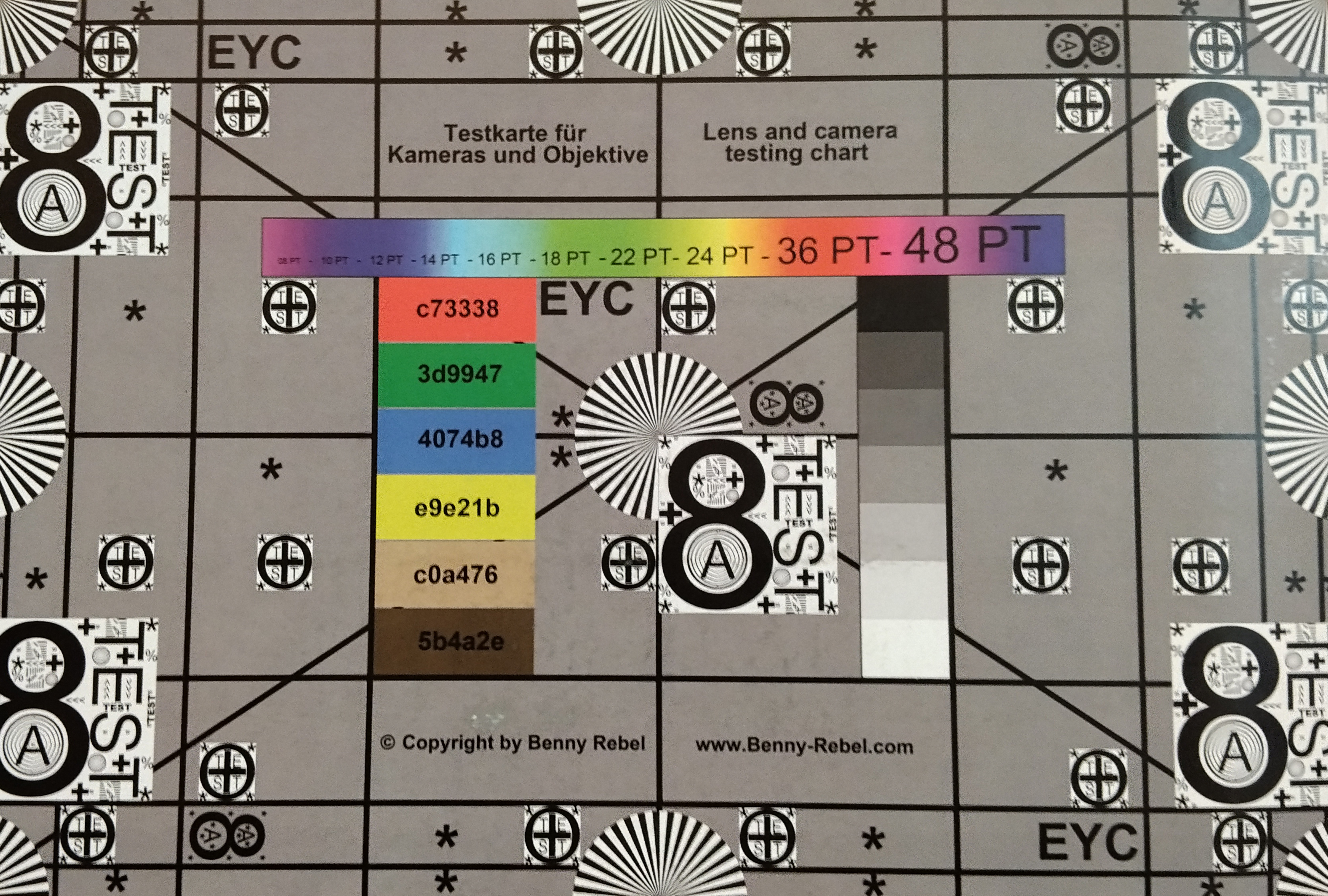
The main camera features a 50-megapixel sensor with an f/1.8 aperture and produces decent photos in daylight—provided you don’t look too closely: very bright areas are often overexposed, fine details get lost, and there is even a visible "staircase" effect (aliasing) along diagonal lines.
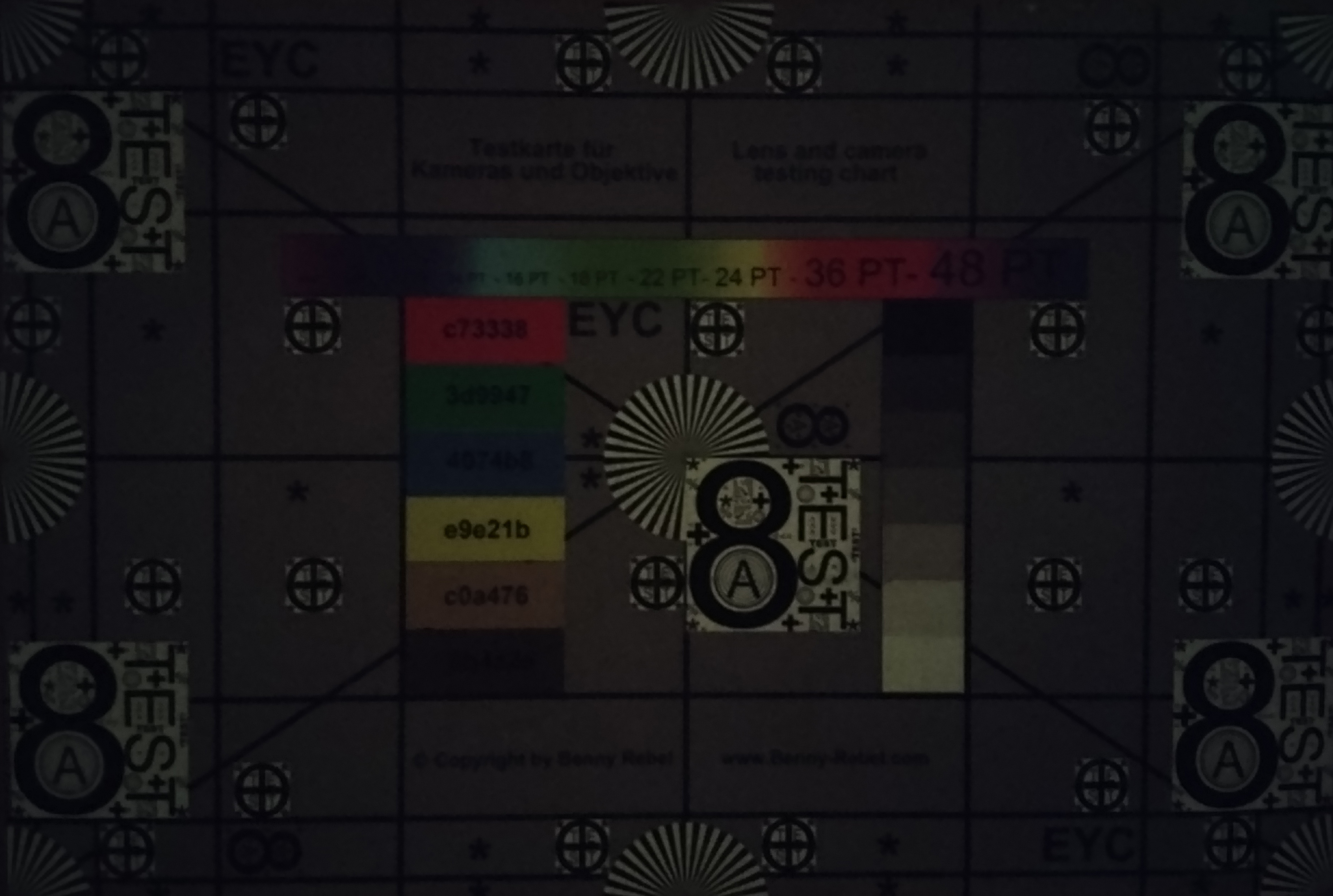
In low-light conditions, the camera struggles even more, especially when faced with high contrast. Furthermore, dark areas are barely brightened.
Videos are limited to a maximum resolution of 1080p at 30 fps. They are passable as long as your expectations aren't too high and the lighting is reasonably good; however, anyone prioritizing high-quality video will be disappointed, as the footage tends to be too dark and lacks detail.
The front-facing camera takes decent selfies in good lighting, though bright backgrounds are also prone to overexposure.
Image comparison
Choose a scene and navigate within the first image. One click changes the position on touchscreens. One click on the zoomed-in image opens the original in a new window. The first image shows the scaled photograph of the test device.
PlantEnvironmentLow light















Accessories and warranty – A 12-month smartphone warranty
In Europe, the box contents include a USB-C cable, a SIM tool, and a protective case; in the rest of the world, a charger is also included.
In Europe, Xiaomi's warranty covers 12 months.
Input devices and operation – The Xiaomi device packs a fast touchscreen
The touchscreen offers a refresh rate of up to 120 Hz and registers touch inputs up to 240 times per second. In theory, this should result in a very smooth user experience—provided the sluggish system doesn't get in the way and cause stuttering.
A fingerprint sensor is integrated into the power button on the right-hand side of the device. Once a finger is registered, the sensor works very reliably, though it could unlock the phone a bit faster. Face recognition via the front-facing camera is also available and proved reliable during our tests.
Display – The Redmi phone has a low resolution screen

While screens with a resolution of 1,600 x 720 pixels are still occasionally seen on budget phones, displays with significantly higher resolutions can already be found within the price range of the Xiaomi Redmi 17 5G. As a result, the image on our test device’s screen often appeared somewhat washed out.
With a brightness of up to 676 cd/m² in our tests, the display is also notably less bright than comparable phones. Although it is still possible to make out content on the screen outdoors—even on brighter days—reflections are highly distracting and difficult to compensate for with increased brightness.
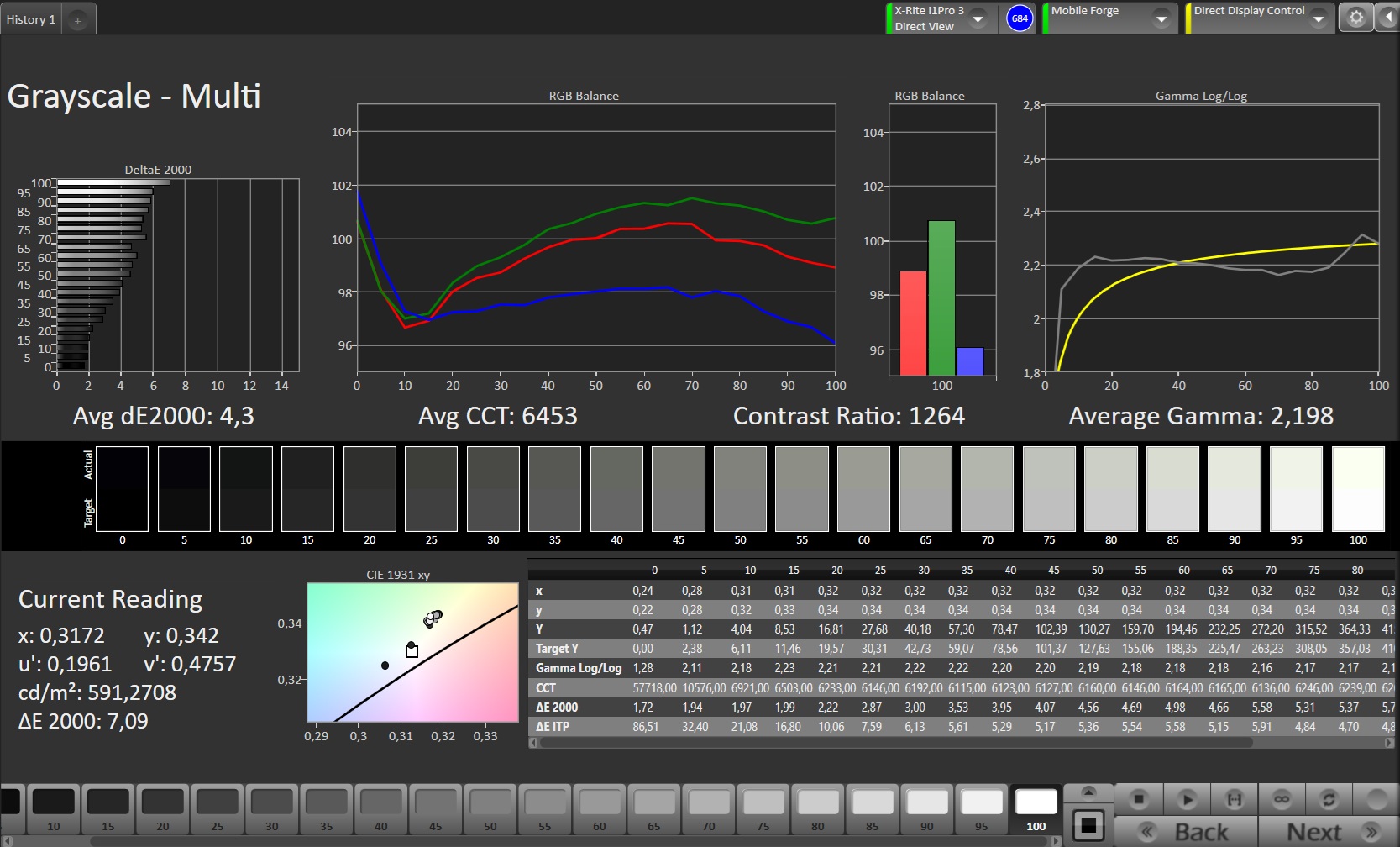
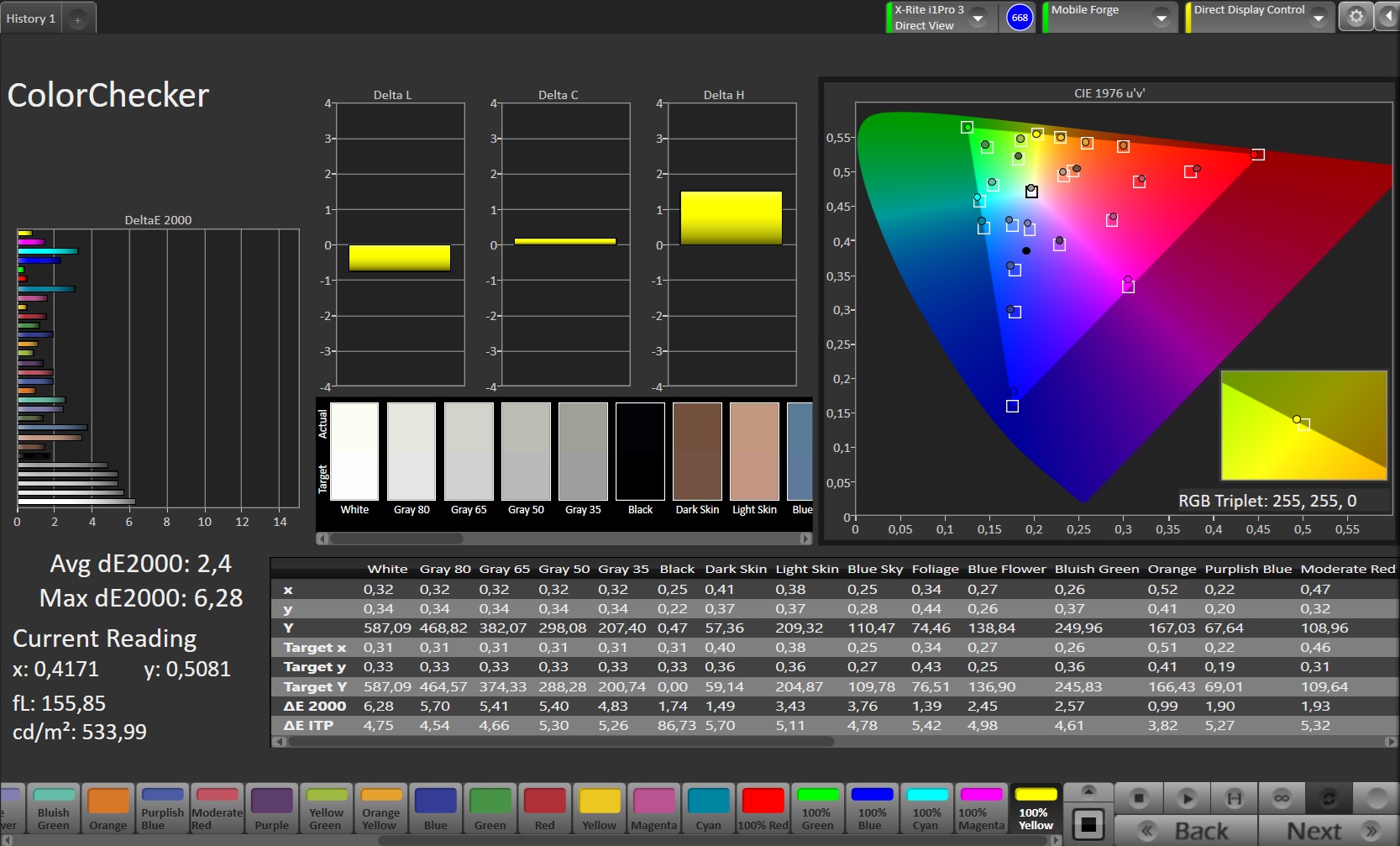
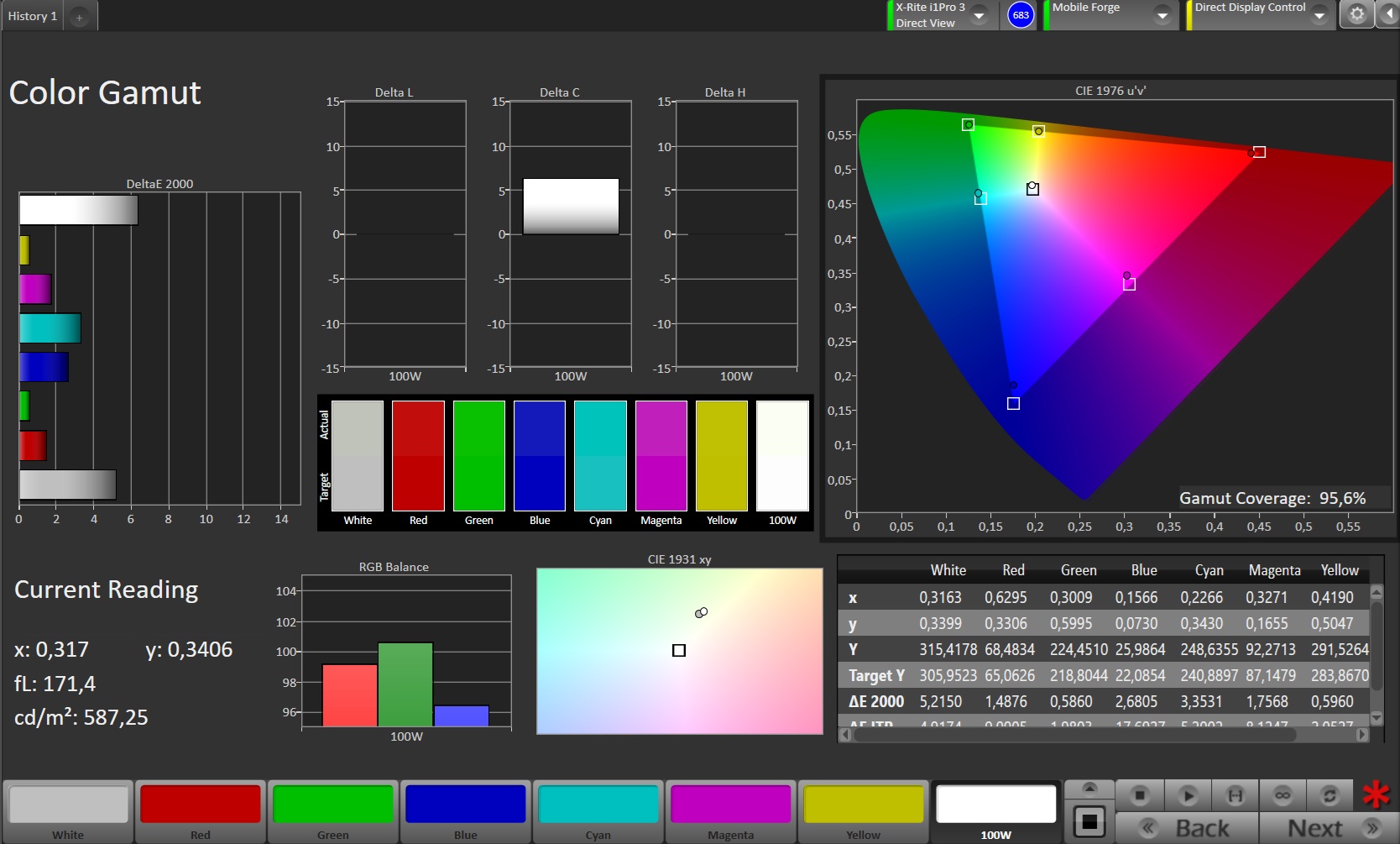
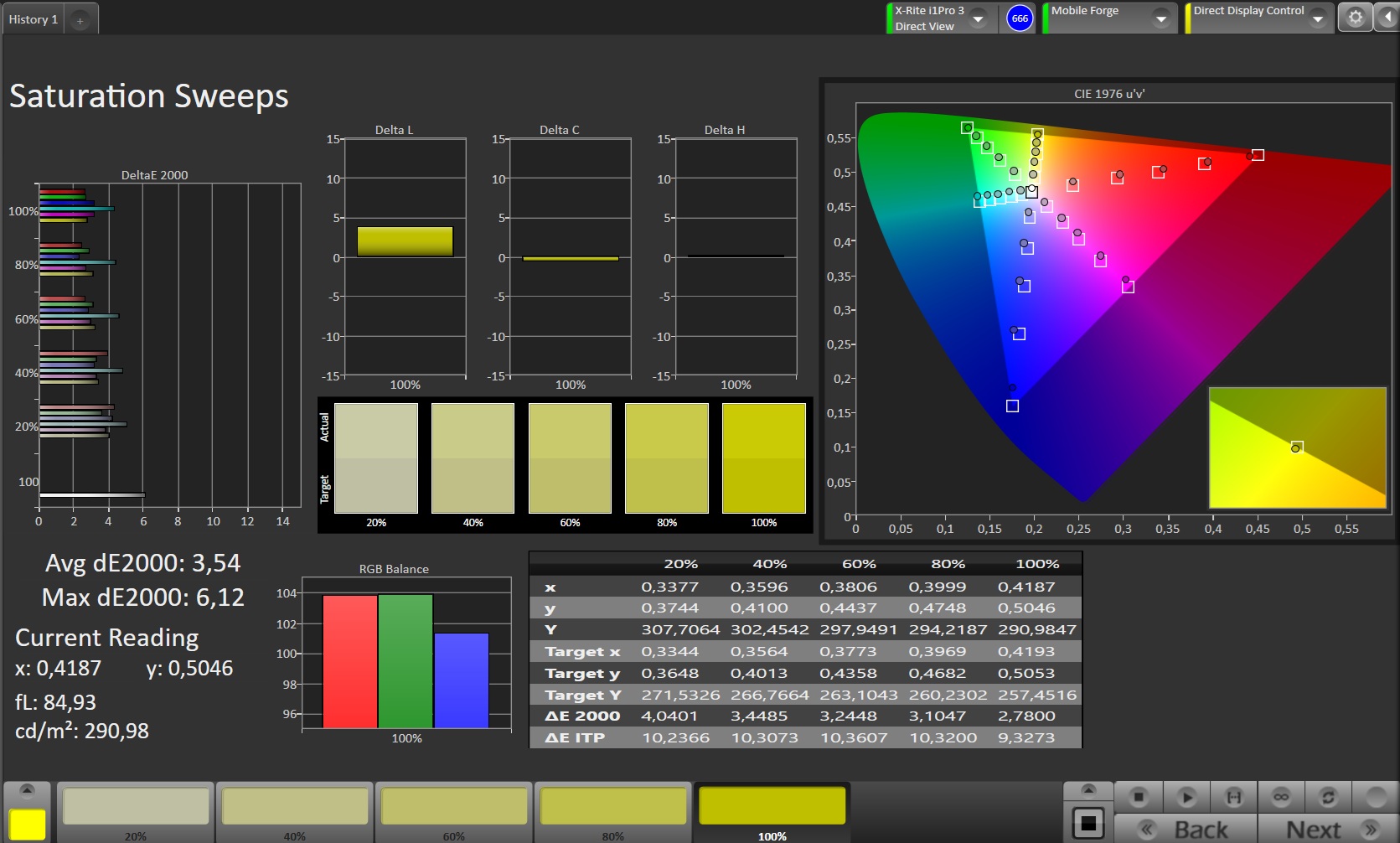
Color reproduction is relatively accurate; however, light gray tones exhibit a slight, noticeable color tint compared to the ideal.
Since the device uses an IPS panel, we detected no PWM flickering, which makes the display suitable even for users sensitive to such issues.
| |||||||||||||||||||||||||
Brightness Distribution: 91 %
Center on Battery: 676 cd/m²
Contrast: 1502:1 (Black: 0.45 cd/m²)
ΔE ColorChecker Calman: 2.4 | ∀{0.5-29.43 Ø4.68}
ΔE Greyscale Calman: 4.3 | ∀{0.09-98 Ø4.93}
95.6% sRGB (Calman 2D)
Gamma: 2.198
CCT: 6453 K
| Xiaomi Redmi 17 5G IPS, 1600x720, 6.9" | Xiaomi Poco X8 AMOLED, 2772x1280, 6.8" | Motorola Moto G47 IPS, 1604x720, 6.7" | Nothing Phone (4b) Super AMOLED, 2344x1080, 6.8" | Xiaomi Redmi Note 17 5G AMOLED, 2396x1080, 7" | |
|---|---|---|---|---|---|
| Display | 427% | 23% | 37% | 95% | |
| APL18 Peak Brightness (cd/m²) | 799 | 4009 402% | 1002 25% | 1160 45% | 1160 45% |
| HDR Peak Brightness (cd/m²) | 803 | 4421 451% | 971 21% | 1030 28% | 1959 144% |
| Response Times | 98% | 13% | 97% | 97% | |
| Response Time Grey 50% / Grey 80% * (ms) | 42 ? | 0.8 ? 98% | 34.6 ? 18% | 0.95 ? 98% | 1.07 ? 97% |
| Response Time Black / White * (ms) | 24.7 ? | 0.8 ? 97% | 22.9 ? 7% | 1.28 ? 95% | 1 ? 96% |
| PWM Frequency (Hz) | 125.3 | 480 | 120 | ||
| PWM Amplitude * (%) | 16 | 17.34 | 16.67 | ||
| Screen | 17% | 19% | 33% | 51% | |
| Brightness middle (cd/m²) | 676 | 1019 51% | 784 16% | 1148 70% | 1121 66% |
| Brightness (cd/m²) | 640 | 1028 61% | 1134 77% | ||
| Brightness Distribution (%) | 91 | 90 -1% | 96 5% | ||
| Black Level * (cd/m²) | 0.45 | 0.33 27% | |||
| Contrast (:1) | 1502 | 2376 58% | |||
| Colorchecker dE 2000 * | 2.4 | 3.59 -50% | 2.62 -9% | 1.9 21% | 1.4 42% |
| Colorchecker dE 2000 max. * | 6.28 | 6.86 -9% | 5.78 8% | 4.7 25% | 2.3 63% |
| Greyscale dE 2000 * | 4.3 | 2.2 49% | 3.7 14% | 3.6 16% | 2 53% |
| Gamma | 2.198 100% | 2.249 98% | 2.348 94% | 2.24 98% | 2.23 99% |
| CCT | 6453 101% | 6916 94% | 7203 90% | 6856 95% | 6767 96% |
| Total Average (Program / Settings) | 181% /
115% | 18% /
19% | 56% /
50% | 81% /
69% |
* ... smaller is better
Screen Flickering / PWM (Pulse-Width Modulation)
| Screen flickering / PWM not detected | 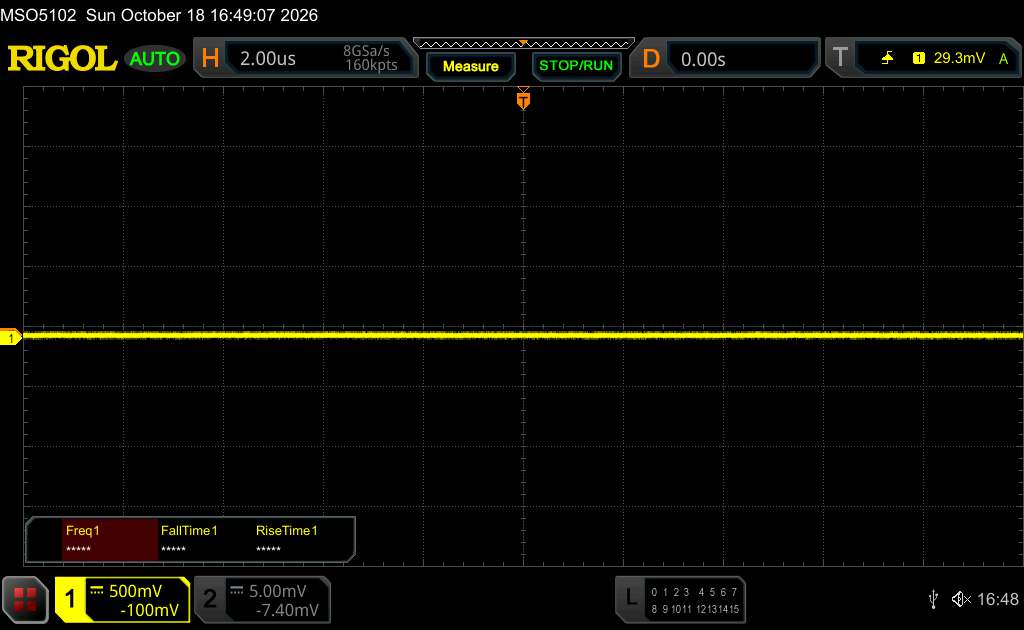 | ||
In comparison: 52 % of all tested devices do not use PWM to dim the display. If PWM was detected, an average of 7572 (minimum: 5 - maximum: 343500) Hz was measured. | |||
Display Response Times
| ↔ Response Time Black to White | ||
|---|---|---|
| 24.7 ms ... rise ↗ and fall ↘ combined | ↗ 12.7 ms rise | 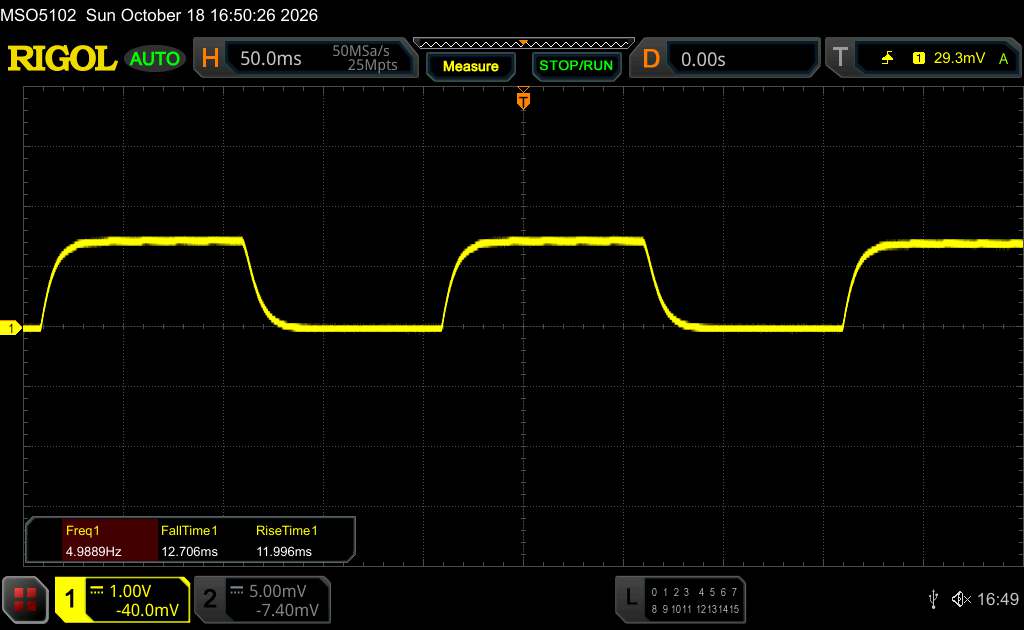 |
| ↘ 12 ms fall | ||
| The screen shows good response rates in our tests, but may be too slow for competitive gamers. In comparison, all tested devices range from 0.1 (minimum) to 240 (maximum) ms. » 59 % of all devices are better. This means that the measured response time is worse than the average of all tested devices (19.6 ms). | ||
| ↔ Response Time 50% Grey to 80% Grey | ||
| 42 ms ... rise ↗ and fall ↘ combined | ↗ 26.4 ms rise | 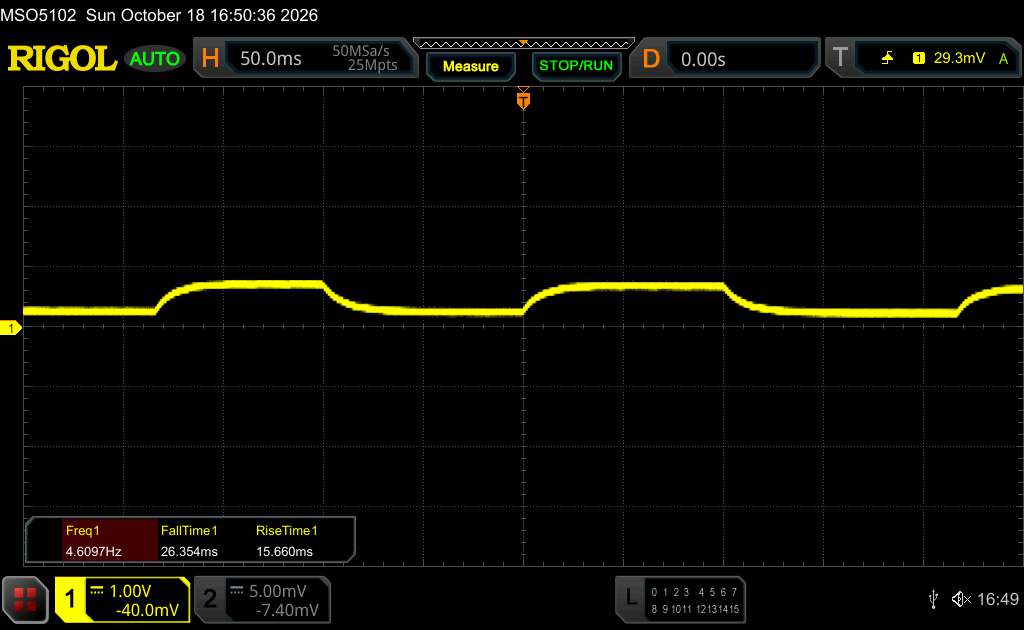 |
| ↘ 15.6 ms fall | ||
| The screen shows slow response rates in our tests and will be unsatisfactory for gamers. In comparison, all tested devices range from 0.13 (minimum) to 636 (maximum) ms. » 68 % of all devices are better. This means that the measured response time is worse than the average of all tested devices (30.6 ms). | ||
Performance – Not a Xiaomi powerhouse
When it comes to performance, you shouldn't expect much from the Redmi 17 5G: The Qualcomm Snapdragon 4 Gen 5 SoC offers acceptable performance for this price range, but some competing phones provide significantly more power.
In everyday use, you will frequently encounter brief stutters, with the Redmi 17 5G quickly finding its limits, especially when undertaking more demanding tasks.
| PCMark for Android - Work 3.x | |
| Average of class Smartphone (4507 - 28557, n=123, last 2 years) | |
| Xiaomi Poco X8 | |
| Xiaomi Redmi Note 17 5G | |
| Xiaomi Redmi 17 5G | |
| Average Qualcomm Snapdragon 4 Gen 5 (n=1) | |
| Antutu v11 - Score | |
| Average of class Smartphone (519159 - 4450644, n=47, last 2 years) | |
| Nothing Phone (4b) | |
| Xiaomi Poco X8 | |
| Xiaomi Redmi 17 5G | |
| Average Qualcomm Snapdragon 4 Gen 5 (n=1) | |
| Xiaomi Redmi Note 17 5G | |
| UL Procyon AI Inference for Android - Overall Score NNAPI | |
| Average of class Smartphone (2895 - 66164, n=95, last 2 years) | |
| Xiaomi Poco X8 | |
| Xiaomi Redmi 17 5G | |
| Average Qualcomm Snapdragon 4 Gen 5 (n=1) | |
| Xiaomi Redmi Note 17 5G | |
| AImark - Score v3.x | |
| Average of class Smartphone (293 - 231543, n=63, last 2 years) | |
| Xiaomi Poco X8 | |
| Xiaomi Redmi Note 17 5G | |
| Xiaomi Redmi 17 5G | |
| Average Qualcomm Snapdragon 4 Gen 5 (n=1) | |
GFXBench (DX / GLBenchmark) 2.7: T-Rex Onscreen | 1920x1080 T-Rex Offscreen
GFXBench 3.0: on screen Manhattan Onscreen OGL | 1920x1080 1080p Manhattan Offscreen
GFXBench 3.1: on screen Manhattan ES 3.1 Onscreen | 1920x1080 Manhattan ES 3.1 Offscreen
GFXBench: on screen Car Chase Onscreen | 1920x1080 Car Chase Offscreen | on screen Aztec Ruins High Tier Onscreen | 2560x1440 Aztec Ruins High Tier Offscreen | on screen Aztec Ruins Normal Tier Onscreen | 1920x1080 Aztec Ruins Normal Tier Offscreen | 3840x2160 4K Aztec Ruins High Tier Offscreen
| 3DMark / Wild Life Extreme Unlimited | |
| Nothing Phone (4b) | |
| Xiaomi Poco X8 | |
| Motorola Moto G47 | |
| Xiaomi Redmi 17 5G | |
| Xiaomi Redmi Note 17 5G | |
| 3DMark / Wild Life Extreme | |
| Nothing Phone (4b) | |
| Xiaomi Poco X8 | |
| Motorola Moto G47 | |
| Xiaomi Redmi 17 5G | |
| Xiaomi Redmi Note 17 5G (Press-Version) | |
| Xiaomi Redmi Note 17 5G (Play-Store-Version) | |
| 3DMark / Wild Life Unlimited Score | |
| Nothing Phone (4b) | |
| Xiaomi Poco X8 | |
| Xiaomi Redmi 17 5G | |
| Motorola Moto G47 | |
| Xiaomi Redmi Note 17 5G | |
| 3DMark / Steel Nomad Light Unlimited Score | |
| Nothing Phone (4b) | |
| Xiaomi Poco X8 | |
| 3DMark / Steel Nomad Light Score | |
| Nothing Phone (4b) | |
| Xiaomi Poco X8 | |
| GFXBench (DX / GLBenchmark) 2.7 / T-Rex Onscreen | |
| Xiaomi Poco X8 | |
| Xiaomi Redmi 17 5G | |
| Xiaomi Redmi Note 17 5G | |
| GFXBench (DX / GLBenchmark) 2.7 / T-Rex Offscreen | |
| Xiaomi Poco X8 | |
| Xiaomi Redmi 17 5G | |
| Xiaomi Redmi Note 17 5G | |
| GFXBench 3.0 / Manhattan Onscreen OGL | |
| Xiaomi Redmi 17 5G | |
| Xiaomi Poco X8 | |
| Xiaomi Redmi Note 17 5G | |
| GFXBench 3.0 / 1080p Manhattan Offscreen | |
| Xiaomi Poco X8 | |
| Xiaomi Redmi 17 5G | |
| Xiaomi Redmi Note 17 5G | |
| GFXBench 3.1 / Manhattan ES 3.1 Onscreen | |
| Xiaomi Redmi 17 5G | |
| Xiaomi Poco X8 | |
| Xiaomi Redmi Note 17 5G | |
| GFXBench 3.1 / Manhattan ES 3.1 Offscreen | |
| Xiaomi Poco X8 | |
| Xiaomi Redmi 17 5G | |
| Xiaomi Redmi Note 17 5G | |
| GFXBench / Car Chase Onscreen | |
| Xiaomi Redmi 17 5G | |
| Xiaomi Poco X8 | |
| Xiaomi Redmi Note 17 5G | |
| GFXBench / Car Chase Offscreen | |
| Xiaomi Poco X8 | |
| Xiaomi Redmi 17 5G | |
| Xiaomi Redmi Note 17 5G | |
| GFXBench / Aztec Ruins High Tier Onscreen | |
| Nothing Phone (4b) | |
| Xiaomi Redmi 17 5G | |
| Motorola Moto G47 | |
| Xiaomi Poco X8 | |
| Xiaomi Redmi Note 17 5G | |
| GFXBench / Aztec Ruins High Tier Offscreen | |
| Nothing Phone (4b) | |
| Xiaomi Poco X8 | |
| Xiaomi Redmi 17 5G | |
| Motorola Moto G47 | |
| Xiaomi Redmi Note 17 5G | |
| GFXBench / Aztec Ruins Normal Tier Onscreen | |
| Nothing Phone (4b) | |
| Xiaomi Redmi 17 5G | |
| Xiaomi Poco X8 | |
| Motorola Moto G47 | |
| Xiaomi Redmi Note 17 5G | |
| GFXBench / Aztec Ruins Normal Tier Offscreen | |
| Nothing Phone (4b) | |
| Xiaomi Poco X8 | |
| Xiaomi Redmi 17 5G | |
| Motorola Moto G47 | |
| Xiaomi Redmi Note 17 5G | |
| GFXBench / 4K Aztec Ruins High Tier Offscreen | |
| Nothing Phone (4b) | |
| Xiaomi Poco X8 | |
| Xiaomi Redmi 17 5G | |
| Motorola Moto G47 | |
| Xiaomi Redmi Note 17 5G | |
When it comes to web browsing, however, our review unit performed quite well, loading most websites quickly, and scrolling through them was also a fairly smooth experience.
| Jetstream 2 | |
| 2.0 Total | |
| Xiaomi Poco X8 (Chrome 155) | |
| Average of class Smartphone (63.9 - 423, n=110, last 2 years) | |
| Nothing Phone (4b) (Chrome 153) | |
| Xiaomi Redmi 17 5G (Chrome 155) | |
| Average Qualcomm Snapdragon 4 Gen 5 (n=1) | |
| Xiaomi Redmi Note 17 5G (Chrome 153) | |
| 2.2 Total | |
| Average of class Smartphone (2 - 480, n=104, last 2 years) | |
| Nothing Phone (4b) (Chrome 153) | |
| Xiaomi Poco X8 (Chrome 155) | |
| Xiaomi Redmi Note 17 5G (Chrome 153) | |
| Xiaomi Redmi 17 5G (Chrome 155) | |
| Average Qualcomm Snapdragon 4 Gen 5 (n=1) | |
| Motorola Moto G47 (Chrome 150) | |
| Speedometer 2.0 - Result 2.0 | |
| Average of class Smartphone (49.3 - 733, n=69, last 2 years) | |
| Xiaomi Redmi Note 17 5G (Chrome 153) | |
| Xiaomi Redmi 17 5G | |
| Average Qualcomm Snapdragon 4 Gen 5 (n=1) | |
| Xiaomi Poco X8 (Chrome 155) | |
| Speedometer 3 - Score 3.0 | |
| Average of class Smartphone (3.06 - 56.5, n=77, last 2 years) | |
| Xiaomi Redmi Note 17 5G (Chrome 153) | |
| Xiaomi Redmi 17 5G (Chrome 155) | |
| Average Qualcomm Snapdragon 4 Gen 5 (n=1) | |
| Xiaomi Poco X8 (Chrome 155) | |
| WebXPRT 4 - Overall | |
| Average of class Smartphone (56 - 278, n=85, last 2 years) | |
| Xiaomi Poco X8 (Chrome 155) | |
| Xiaomi Redmi Note 17 5G (Chrome 153) | |
| Octane V2 - Total Score | |
| Average of class Smartphone (6015 - 160221, n=125, last 2 years) | |
| Xiaomi Poco X8 (Chrome 155) | |
| Xiaomi Redmi 17 5G (Chrome 155) | |
| Average Qualcomm Snapdragon 4 Gen 5 (n=1) | |
| Xiaomi Redmi Note 17 5G | |
| Mozilla Kraken 1.1 - Total | |
| Xiaomi Redmi Note 17 5G | |
| Average Qualcomm Snapdragon 4 Gen 5 (n=1) | |
| Xiaomi Redmi 17 5G (Chrome 155) | |
| Xiaomi Poco X8 (Chrome 155) | |
| Average of class Smartphone (216 - 2718, n=115, last 2 years) | |
* ... smaller is better
The Redmi 17 5G has to make do with relatively slow UFS 2.2 storage. As a result, data transfers and loading times take a bit longer than on other phones.
| Xiaomi Redmi 17 5G | Xiaomi Poco X8 | Motorola Moto G47 | Nothing Phone (4b) | Xiaomi Redmi Note 17 5G | Average 256 GB UFS 2.2 Flash | Average of class Smartphone | |
|---|---|---|---|---|---|---|---|
| AndroBench 3-5 | 77% | -7% | 17% | -4% | 3% | 102% | |
| Sequential Read 256KB (MB/s) | 983 | 2052.5 109% | 532.6 -46% | 952.54 -3% | 1013.24 3% | 906 ? -8% | 2274 ? 131% |
| Sequential Write 256KB (MB/s) | 846.3 | 1986.1 135% | 504.2 -40% | 860.56 2% | 874.91 3% | 739 ? -13% | 1985 ? 135% |
| Random Read 4KB (MB/s) | 169 | 264.1 56% | 232.9 38% | 253.22 50% | 183.82 9% | 223 ? 32% | 320 ? 89% |
| Random Write 4KB (MB/s) | 245.8 | 263.1 7% | 291.3 19% | 293.92 20% | 166.22 -32% | 248 ? 1% | 372 ? 51% |
Emissions – Little to no warming
Temperature
The phone doesn't heat up dramatically, even under prolonged, full-load operation, and remains comfortable to hold at all times.
However, you should expect a performance drop of up to approximately 14% after extended periods under load, as indicated by the 3DMark stress tests.
(+) The maximum temperature on the upper side is 39.3 °C / 103 F, compared to the average of 35.4 °C / 96 F, ranging from 21.9 to 247 °C for the class Smartphone.
(+) The bottom heats up to a maximum of 38.4 °C / 101 F, compared to the average of 34.1 °C / 93 F
(+) In idle usage, the average temperature for the upper side is 24.5 °C / 76 F, compared to the device average of 33 °C / 91 F.
3DMark Stress Tests
| 3DMark | |
| Wild Life Stress Test Stability | |
| Nothing Phone (4b) | |
| Motorola Moto G47 | |
| Xiaomi Redmi Note 17 5G | |
| Xiaomi Poco X8 | |
| Xiaomi Redmi 17 5G | |
| Wild Life Extreme Stress Test | |
| Xiaomi Poco X8 | |
| Xiaomi Redmi Note 17 5G | |
| Xiaomi Redmi Note 17 5G | |
| Motorola Moto G47 | |
| Xiaomi Redmi 17 5G | |
| Steel Nomad Light Stress Test Stability | |
| Xiaomi Poco X8 | |
| Nothing Phone (4b) | |
| Motorola Moto G47 | |
Speakers
The speaker located along the bottom edge works in tandem with the earpiece and creates a stereo effect.
The sound can get quite loud, but it is also very treble-heavy and can occasionally sound unpleasant to the listener at high volumes.
Headphones and speakers can be connected via the 3.5mm jack or Bluetooth 5.1, both of which work without any issues. The most important codecs are supported for wireless audio transmission.
Xiaomi Redmi 17 5G audio analysis
(+) | speakers can play relatively loud (85.6 dB)
Bass 100 - 315 Hz
(-) | nearly no bass - on average 39.4% lower than median
(-) | bass is not linear (15.2% delta to prev. frequency)
Mids 400 - 2000 Hz
(±) | higher mids - on average 7.4% higher than median
(±) | linearity of mids is average (7.1% delta to prev. frequency)
Highs 2 - 16 kHz
(±) | higher highs - on average 5.1% higher than median
(+) | highs are linear (5.9% delta to prev. frequency)
Overall 100 - 16.000 Hz
(±) | linearity of overall sound is average (29.2% difference to median)
Compared to same class
» 77% of all tested devices in this class were better, 4% similar, 20% worse
» The best had a delta of 11%, average was 34%, worst was 136%
Compared to all devices tested
» 87% of all tested devices were better, 2% similar, 10% worse
» The best had a delta of 4%, average was 23%, worst was 136%
Motorola Moto G47 audio analysis
(+) | speakers can play relatively loud (87.1 dB)
Bass 100 - 315 Hz
(-) | nearly no bass - on average 32% lower than median
(±) | linearity of bass is average (14.5% delta to prev. frequency)
Mids 400 - 2000 Hz
(±) | higher mids - on average 10.6% higher than median
(±) | linearity of mids is average (9% delta to prev. frequency)
Highs 2 - 16 kHz
(±) | higher highs - on average 5.9% higher than median
(+) | highs are linear (6.3% delta to prev. frequency)
Overall 100 - 16.000 Hz
(±) | linearity of overall sound is average (29.4% difference to median)
Compared to same class
» 77% of all tested devices in this class were better, 4% similar, 19% worse
» The best had a delta of 11%, average was 34%, worst was 136%
Compared to all devices tested
» 88% of all tested devices were better, 2% similar, 10% worse
» The best had a delta of 4%, average was 23%, worst was 136%
Battery life – A budget phone with very long battery life
Power consumption
The power consumption remains quite moderate across all usage scenarios.
The Xiaomi Redmi 17 5G supports up to 45-watt charging. At this speed, it takes a maximum of 2 hours and 30 minutes to fully recharge the large battery.
External devices can be powered by the phone’s battery at up to 22.5 watts, simply by connecting them with a USB cable.
| Off / Standby |   0.1 / 0.2 Watt |
| Idle |  0.8 / 1.2 / 1.7 Watt |
| Load |
3.1 / 4.5 Watt |
    
| |
Key:
min: ,
med: ,
max: Metrahit Energy | |
| Xiaomi Redmi 17 5G 7500 mAh | Xiaomi Poco X8 8340 mAh | Motorola Moto G47 5200 mAh | Nothing Phone (4b) 5200 mAh | Xiaomi Redmi Note 17 5G 7700 mAh | Average Qualcomm Snapdragon 4 Gen 5 | Average of class Smartphone | |
|---|---|---|---|---|---|---|---|
| Power Consumption | -54% | -9% | -39% | -93% | 0% | -58% | |
| Idle Minimum * (Watt) | 0.8 | 1.2 -50% | 1 -25% | 1.01 -26% | 1.55 -94% | 0.8 ? -0% | 0.905 ? -13% |
| Idle Average * (Watt) | 1.2 | 1.8 -50% | 1.3 -8% | 2 -67% | 3.29 -174% | 1.2 ? -0% | 1.485 ? -24% |
| Idle Maximum * (Watt) | 1.7 | 2.3 -35% | 1.6 6% | 2.09 -23% | 3.4 -100% | 1.7 ? -0% | 1.688 ? 1% |
| Load Average * (Watt) | 3.1 | 4.8 -55% | 5.01 -62% | 3.1 ? -0% | 6.7 ? -116% | ||
| Load Maximum * (Watt) | 4.5 | 8.1 -80% | 6.11 -36% | 4.5 ? -0% | 10.6 ? -136% |
* ... smaller is better
Power consumption: Geekbench (150 cd/m²)
Power consumption: GFXbench (150 cd/m²)
Battery runtime
A 7,500 mAh battery capacity is quite a statement. While Xiaomi’s own product lineup includes smartphones with even larger batteries, budget-friendly phones from other manufacturers often have to make do with capacities of around 5,000 mAh.
In our Wi-Fi test, the Xiaomi phone finally gave up the ghost after 25 hours and 44 minutes—easily enough to support several days of everyday use.
| Xiaomi Redmi 17 5G 7500 mAh | Xiaomi Poco X8 8340 mAh | Motorola Moto G47 5200 mAh | Nothing Phone (4b) 5200 mAh | Xiaomi Redmi Note 17 5G 7700 mAh | |
|---|---|---|---|---|---|
| Battery runtime | 15% | -30% | -14% | -18% | |
| WiFi v1.3 (h) | 25.7 | 29.5 15% | 17.9 -30% | 22 -14% | 21.1 -18% |
| Reader / Idle (h) | 36.2 | ||||
| Load (h) | 4.1 |
Notebookcheck overall rating
The Xiaomi Redmi 17 5G offers a huge battery, reliable location tracking, stable Wi-Fi, and a long-term update commitment—all at a very affordable price.
However, the pressure to keep costs low is evident in many other areas; for instance, you shouldn't expect top-level performance.

Xiaomi Redmi 17 5G
- 10/28/2026 v8
Florian Schmitt
 Total Sustainability Score:
Possible alternatives compared
Image | Model / Review | Price | Weight | Drive | Display |
|---|---|---|---|---|---|
1. 72%  | Xiaomi Redmi 17 5G Qualcomm Snapdragon 4 Gen 5 ⎘ Qualcomm Adreno 629 ⎘ 4 GB Memory, 256 GB UFS 2.2 | List Price: 259€ | 232 g | 256 GB UFS 2.2 Flash | 6.90" 1600x720 254 PPI IPS |
2. 75.8%  | Xiaomi Poco X8 Qualcomm Snapdragon 6s Gen 4 ⎘ Qualcomm Adreno 710 ⎘ 8 GB Memory, 256 GB UFS 3.1 | List Price: 320€ | 223 g | 256 GB UFS 3.1 Flash | 6.83" 2772x1280 447 PPI AMOLED |
3. 73%  | Motorola Moto G47 Mediatek Dimensity 6300 ⎘ ARM Mali-G57 MP2 ⎘ 8 GB Memory, 128 GB UFS 2.1 | List Price: 319€ | 191 g | 128 GB UFS 2.1 Flash | 6.67" 1604x720 264 PPI IPS |
4. 76.5%  | Nothing Phone (4b) Qualcomm Snapdragon 6 Gen 4 ⎘ Qualcomm Adreno 810 ⎘ 8 GB Memory, 128 GB UFS 2.2 | List Price: 329€ | 210 g | 128 GB UFS 2.2 Flash | 6.77" 2344x1080 381 PPI Super AMOLED |
5.  | Xiaomi Redmi Note 17 5G Qualcomm Snapdragon 4 Gen 4 ⎘ Qualcomm Adreno 613 ⎘ 6 GB Memory, 256 GB UFS 2.2 | List Price: 380€ | 225 g | 256 GB UFS 2.2 Flash | 6.99" 2396x1080 376 PPI AMOLED |
Transparency
The selection of devices to be reviewed is made by our editorial team. The test sample was provided to the author as a loan by the manufacturer or retailer for the purpose of this review. The lender had no influence on this review, nor did the manufacturer receive a copy of this review before publication. There was no obligation to publish this review. As an independent media company, Notebookcheck is not subjected to the authority of manufacturers, retailers or publishers.
This is how Notebookcheck is testing
Every year, Notebookcheck independently reviews hundreds of laptops and smartphones using standardized procedures to ensure that all results are comparable. We have continuously developed our test methods for around 20 years and set industry standards in the process. In our test labs, high-quality measuring equipment is utilized by experienced technicians and editors. These tests involve a multi-stage validation process. Our complex rating system is based on hundreds of well-founded measurements and benchmarks, which maintains objectivity. Further information on our test methods can be found here.
 Add as a preferred source on Google


