


Xiaomi Pad 9 Pro delivers a surprise in our review: New chip, lower performance

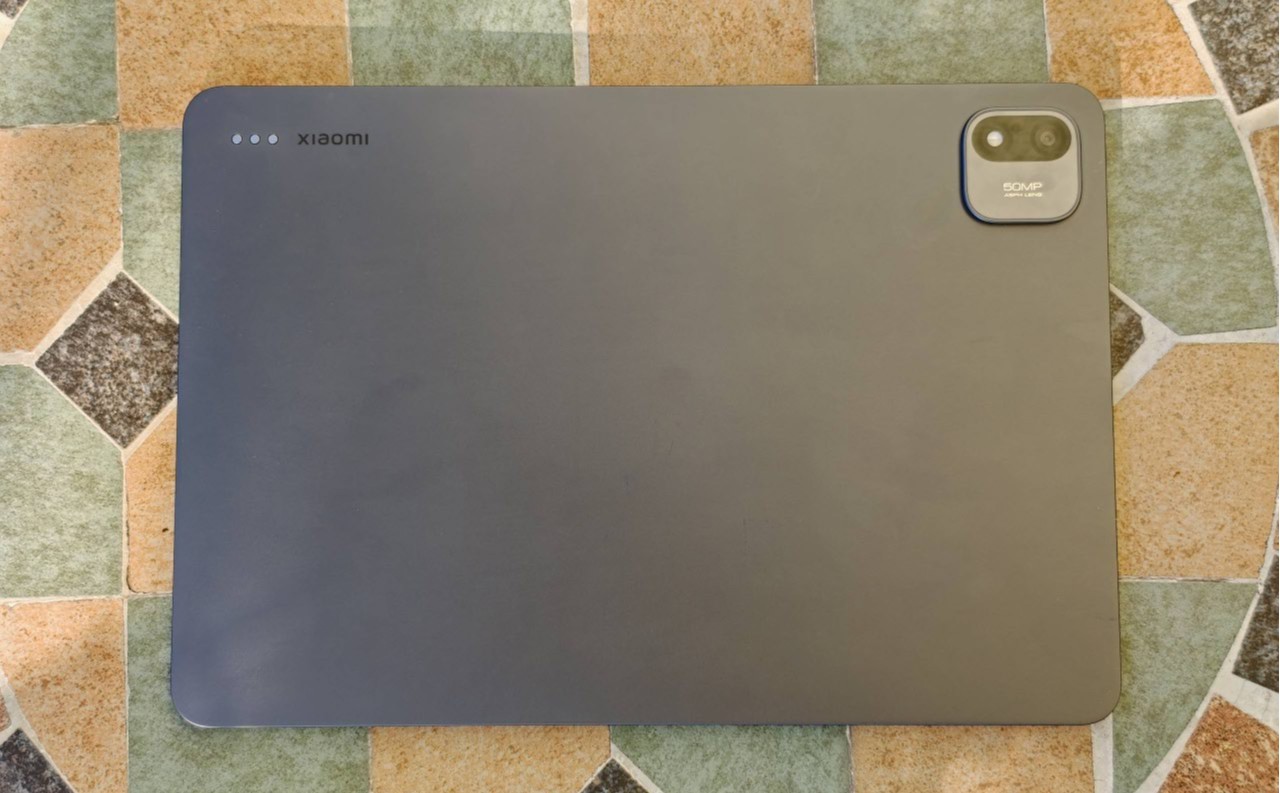
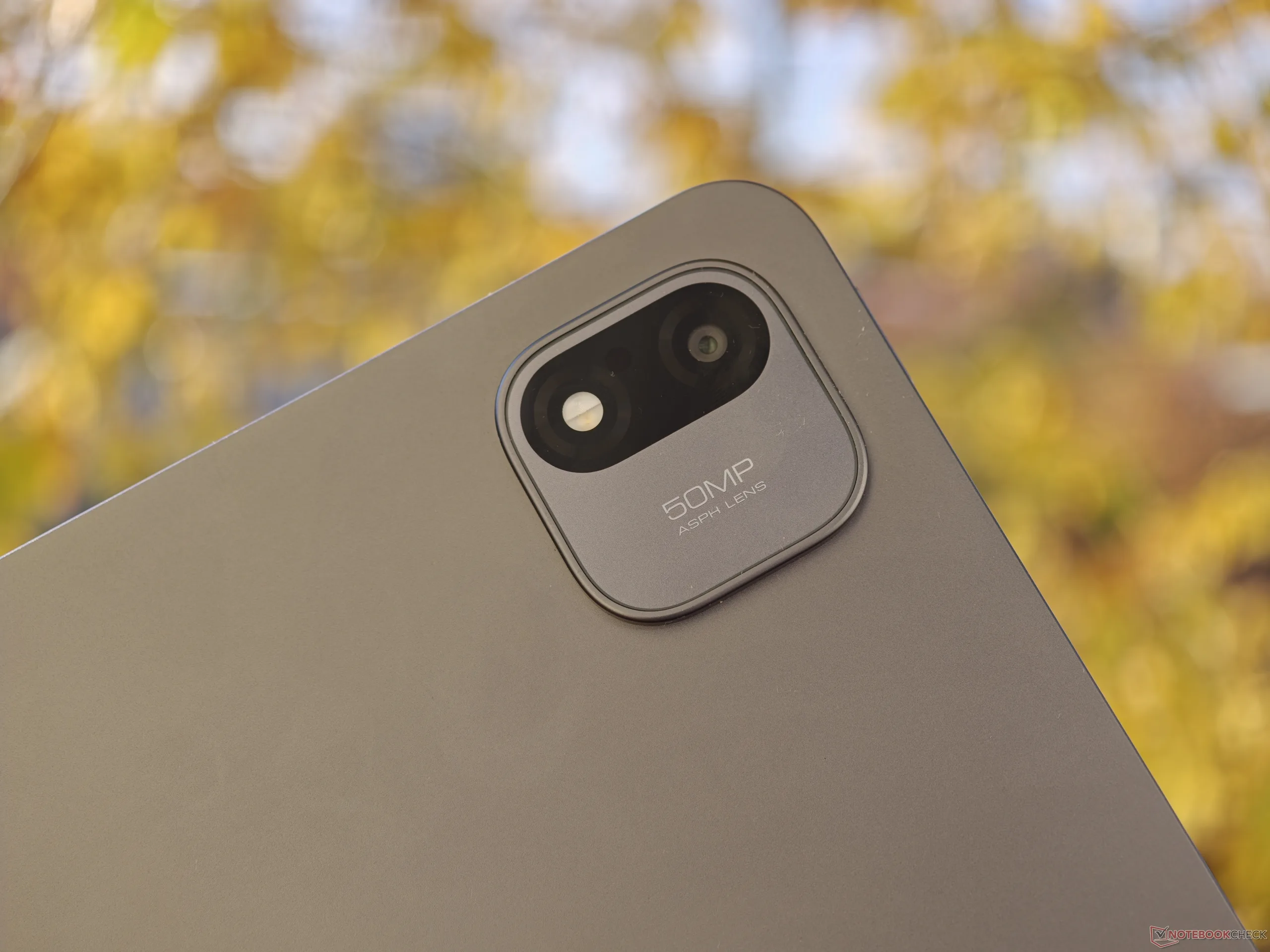
With the Pad 9 Pro, Xiaomi ushers in the next generation of its popular Android tablets. Contrary to what many users might expect from a new generation, however, the Qualcomm Snapdragon 8 Gen 5 in the 2026 model offers no real speed boost over the Xiaomi Pad 8 Pro. The latter featured a flagship Qualcomm SoC, the Snapdragon 8 Elite.
A detailed look at the CPU and graphics benchmarks in our review reveals a surprising picture.
Xiaomi Pad 9 Pro: New Snapdragon chip offers no performance boost over its predecessor
With the Xiaomi Pad 9 Pro, the manufacturer switches to a high-end Qualcomm chipset. The Snapdragon 8 Gen 5 and its Adreno 829 are far from slow, but our benchmark data paints a mixed picture. While the new Pad 9 Pro makes slight gains in some tests, its predecessor, the Pad 8 Pro with its Adreno 840, often performs better. In Geekbench 6.7, the Oryon Gen 3 Prime shows a slight regression, particularly in single-core performance, compared with the Oryon Gen 2 Prime, which has a peak clock speed of 4.3 GHz.
The shortfall in graphics performance is particularly striking, however, as the switch from the Adreno 840 to the Adreno 829 results in lower frame rates and scores in almost every test. In terms of AI performance, both generations of Xiaomi tablets are virtually on par.
New Xiaomi Pad 9 Pro offers no speed boost
Ultimately, the SoC in the new Pad 9 Pro (prices start at $611) offers Xiaomi Pad 8 Pro users no noticeable speed advantage, and anyone looking for a powerful Android tablet can safely opt for the less expensive predecessor. There are, however, major differences when it comes to the display.
You can find all the details and measurements for the two Xiaomi tablets in Notebookcheck's latest review.
Source(s)
Pad 9 Pro review
 Add as a preferred source on Google


