




Unity games now run in Unreal Engine - but what does that actually mean?
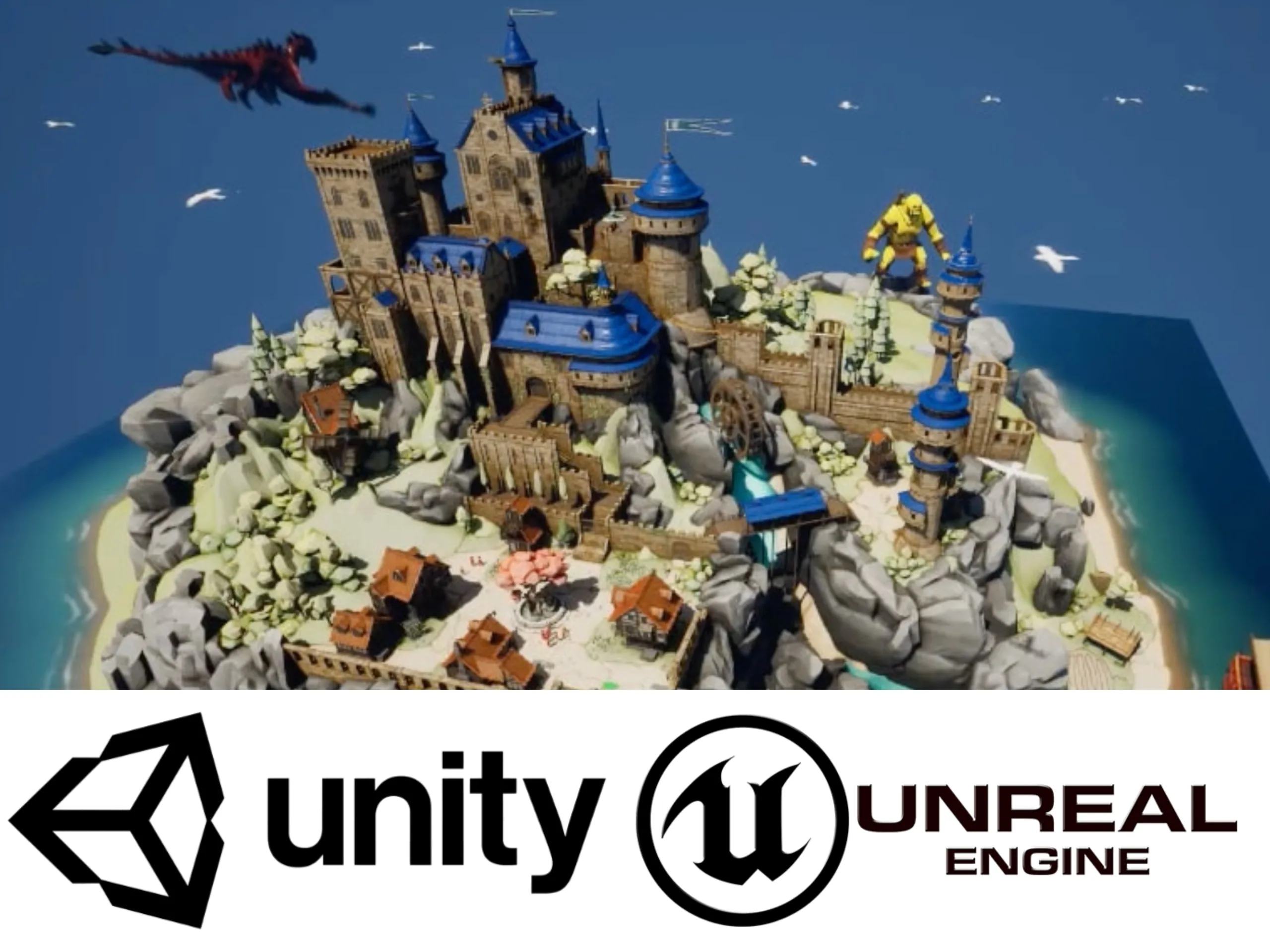
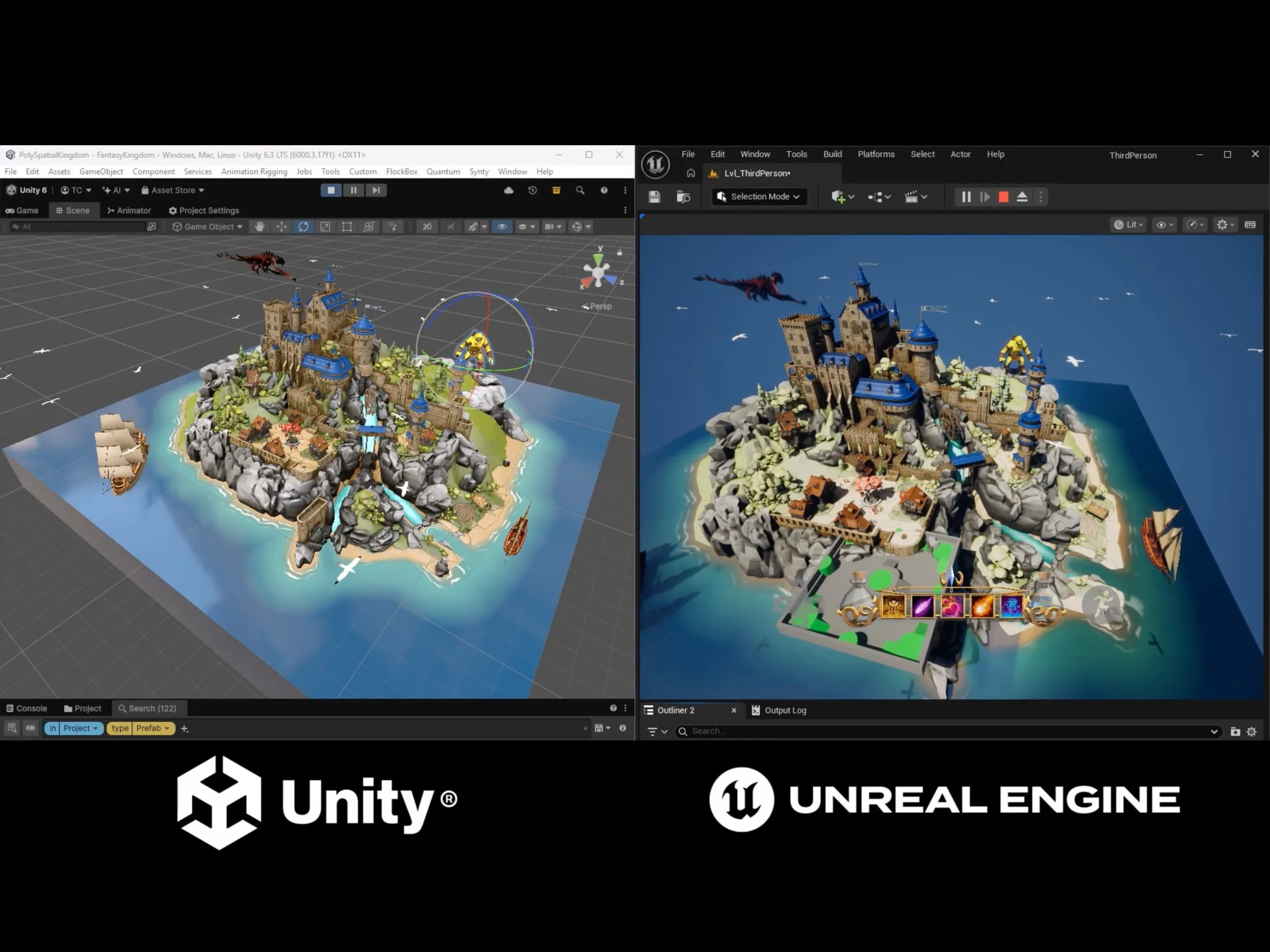
Unity and Epic Games had already announced plans to make Unity games work alongside Unreal Engine. At Unite Seoul 2026, the companies unveiled the first working demonstration of the technology. In the demo, a game called Fantasy Kingdom ran across two engines simultaneously. Unity handled gameplay, physics and NPCs, while Unreal Engine was responsible for rendering and lighting.
This is made possible by PolySpatial, a protocol that transfers positions, animations and other scene data between the two engines. As a result, players can move seamlessly between Unity- and Unreal-powered areas, with even collisions and lighting working across both engines.
What’s the point of this, anyway?
As Epic Games CEO Tim Sweeney wrote on X in response to the demo, the long-term goal appears to be connecting all game engines. Even linking Unity and Unreal Engine alone, however, offers significant advantages – especially for developers. They could continue building games in Unity using C# and their existing workflows, then publish them directly in Fortnite without having to port their projects to Unreal Engine. In effect, Fortnite would become another target platform alongside PC, consoles (Nintendo Switch 2, currently available on Amazon for $608) and mobile devices.
The partnership is also promising for Epic. Since Unity is one of the world's most widely used game engines alongside Unreal, even smaller studios could more easily bring their existing projects into the Fortnite ecosystem. That could ultimately lead to a much larger library of Fortnite experiences.
The technology is still some way from being ready, however. So far, Unity and Epic have only demonstrated interoperability between Unity and an Unreal Engine environment – not native execution inside Fortnite itself. Unity also says that the additional server communication currently introduces latency, which could make fast-paced genres such as fighting games or rhythm games difficult to implement. Early Access is not expected to begin before 2027.
Source(s)
 Add as a preferred source on Google


