




USB-C or barrel connector? Why some laptops in 2026 still rely on two charging ports
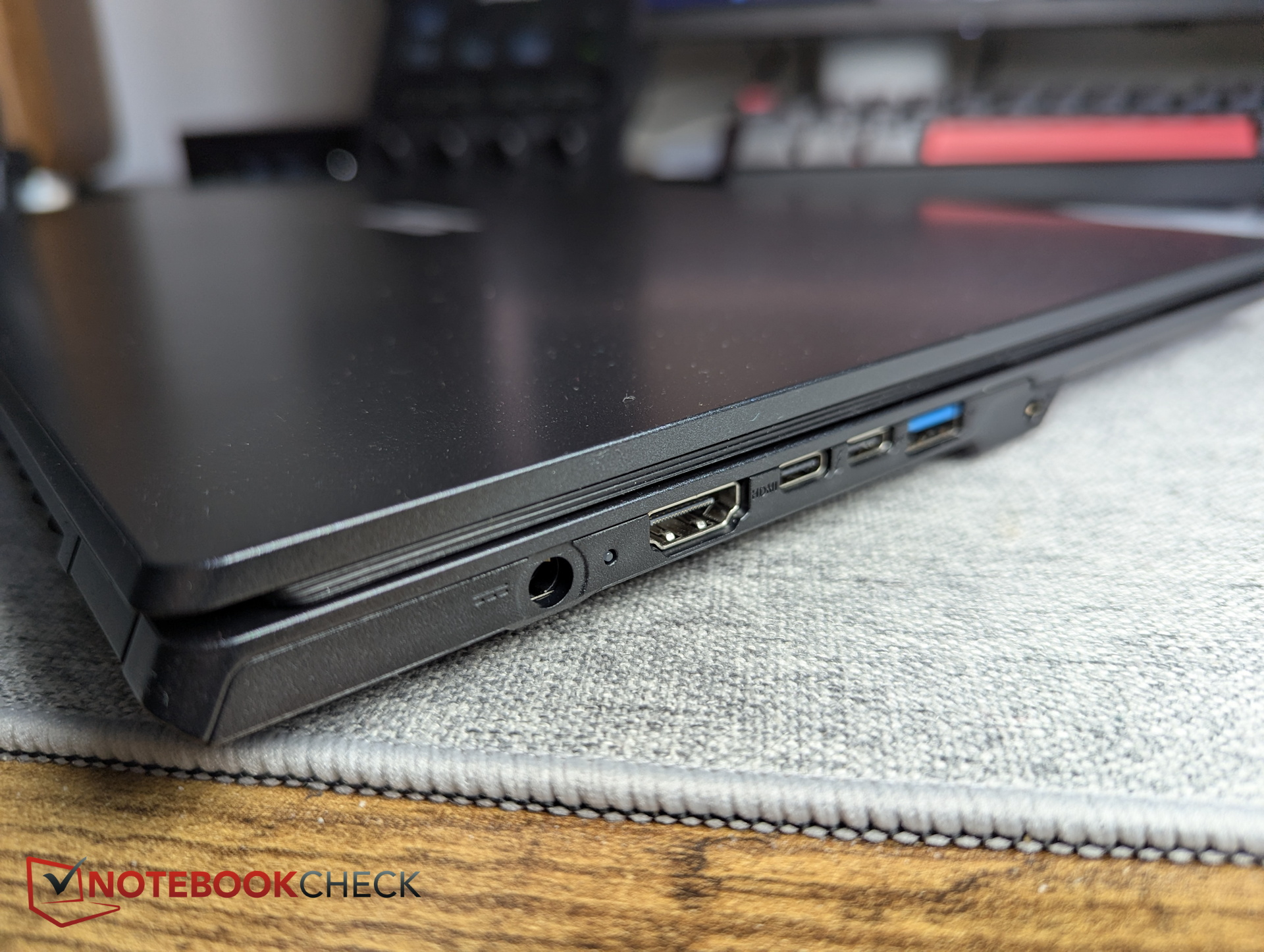
USB-C power delivery is becoming increasingly dominant
Every modern laptop today should support USB Power Delivery, allowing it to be powered via a compatible USB-C charger. Just one or two years ago, this was still a relatively rare feature, but it has now become mainstream—and that’s a positive development.
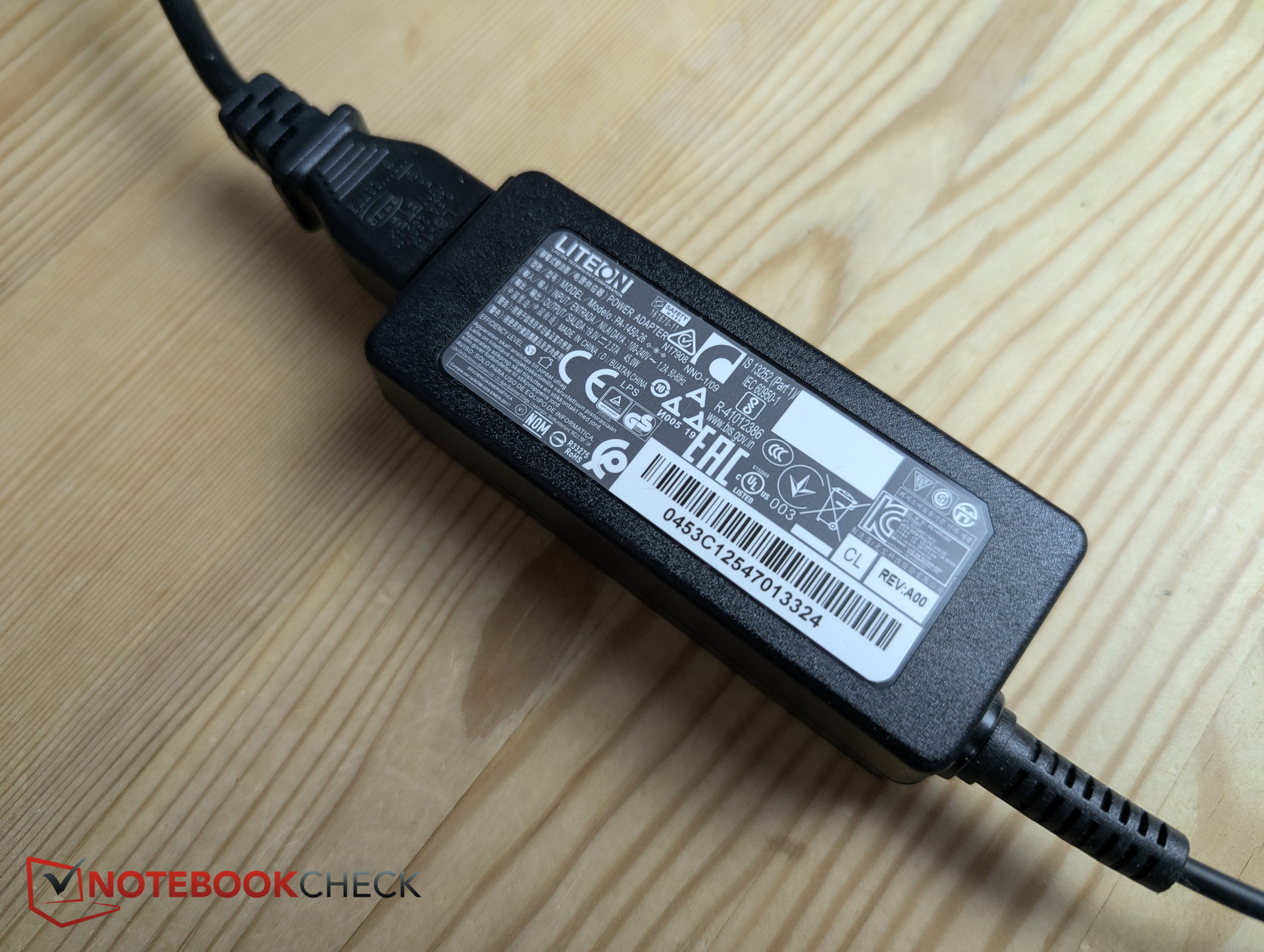
Some laptops, including the Schenker Connect 15 (our review), still ship with a barrel-style power adapter despite also supporting USB-C Power Delivery. That naturally introduces an additional power port. In the context of modern, more universal charging technology, does that still make sense?
What speaks for the classic barrel port
A free USB-C port can be extremely valuable
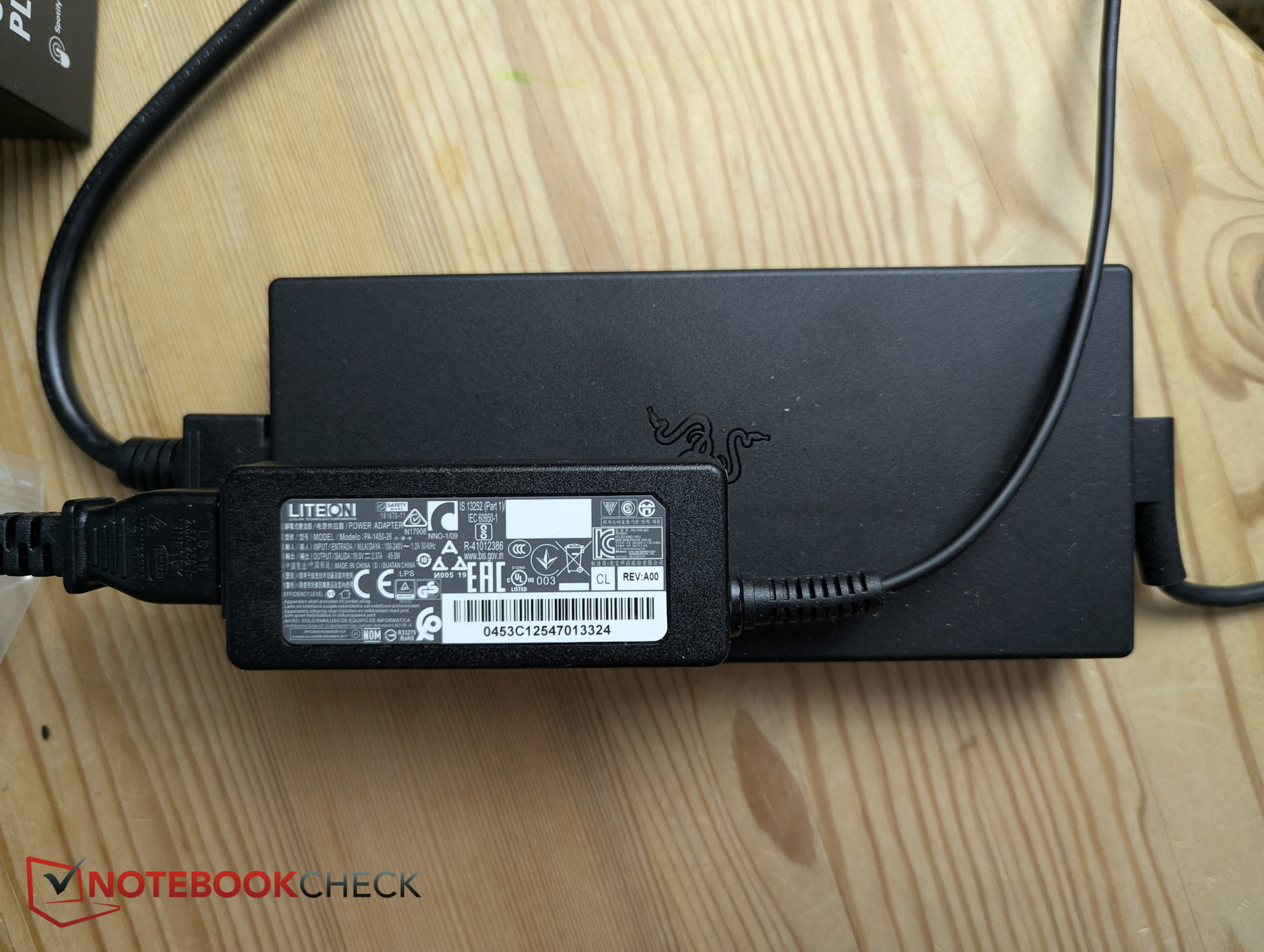
The main advantage of a dedicated power connector is simple: it keeps one of the limited USB-C ports free. Most laptops only offer three to four USB ports in total, and some models even just two (yes, Apple is included here). USB-C is typically limited to two ports at most. Meanwhile, more and more peripherals—USB drives, stream decks, webcams, and others—are shifting from USB-A to USB-C. Every free port matters, and a USB-C charger constantly occupies one of them.
Even though newer USB-C Power Delivery standards can theoretically deliver up to 240W, chargers supporting this are still rare and expensive. As a result, gaming laptops and other high-performance machines often still ship with traditional power bricks.
USB-C power delivery still has practical limitations
In real-world use, not every USB-C charger works reliably with every device. While the connector is standardized, the underlying protocols and power profiles are not. It is entirely possible that a device will not charge properly with a newer USB-C charger.
Because USB-C supports multiple voltage levels, the device and charger must communicate to negotiate the correct power profile. Some cheaper accessories do not implement proper USB-C PD communication at all and instead expect a simple “dumb” 5V supply.
On top of that, not every charger supports all voltage profiles, and USB-C cables themselves also vary significantly in what power levels they can safely transmit.
There is also the cost factor for manufacturers. In many cases, implementing a DC barrel connector is cheaper than integrating full USB-C PD charging circuitry. That argument no longer applies when a manufacturer like Schenker implements both systems in a single device.
This is not an argument against USB-C, but it does explain why having a reliable fallback in the form of a traditional power adapter with fixed voltage can still be useful.
What speaks against the classic barrel port
There is a clear reason the industry is moving toward universal connectors. A single charger for laptops, smartphones, tablets, and accessories means significantly less electronic waste and cable clutter. Especially when traveling—but also at home—one charger is often enough.
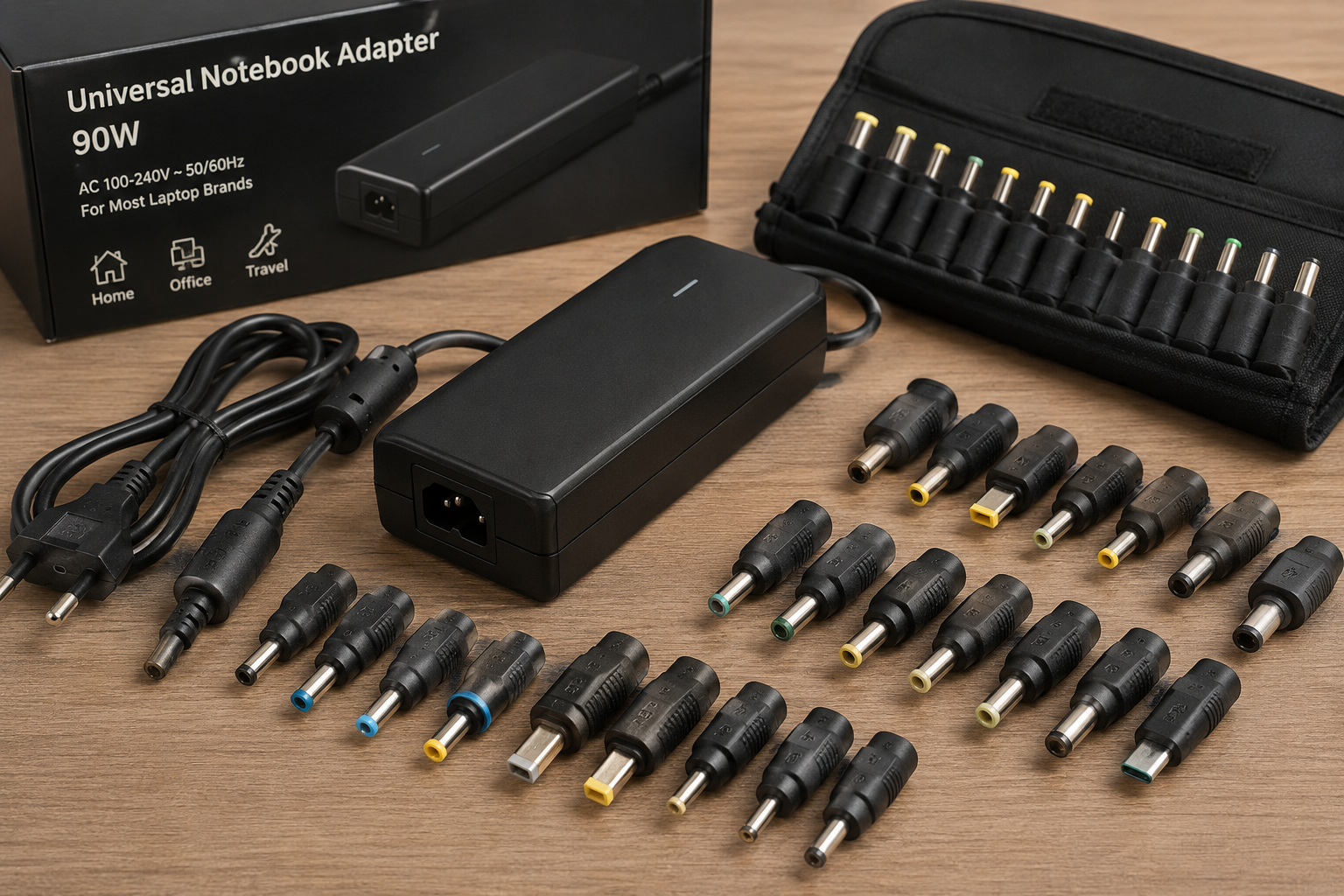
The messy ecosystem of proprietary charging connectors is largely disappearing thanks to USB-C. Barrel connectors still exist in many shapes and sizes. Some vendors, such as Lenovo, even developed proprietary square-shaped connectors to prevent universal compatibility, forcing users to replace chargers if they were lost or broken. The sheer variety of adapter tips that used to ship with universal chargers shows how fragmented the ecosystem once was.
Conclusion - two charging ports offer the most flexibility
A laptop that relies exclusively on a barrel connector already feels outdated in 2026, especially in the office segment. Exceptions still exist for gaming laptops or workstations with very high power demands.
However, a laptop that supports both USB-C Power Delivery and a barrel connector offers the greatest overall flexibility. Problems only arise when the barrel connector is the sole charging option. In that regard, the Schenker Connect 15 gets the approach right: it includes a barrel connector while also supporting charging via USB-C.
 Add as a preferred source on Google


