




I tested Eustella: How the open-source AI performs for coding, tabletop RPG planning, and everyday tasks
Which AI models power Eustella?
I introduced the European AI assistant alternative Eustella in a previous article. One small follow-up: Readers rightly pointed out in the comments that I hadn't specifically covered the open-source models behind the platform.
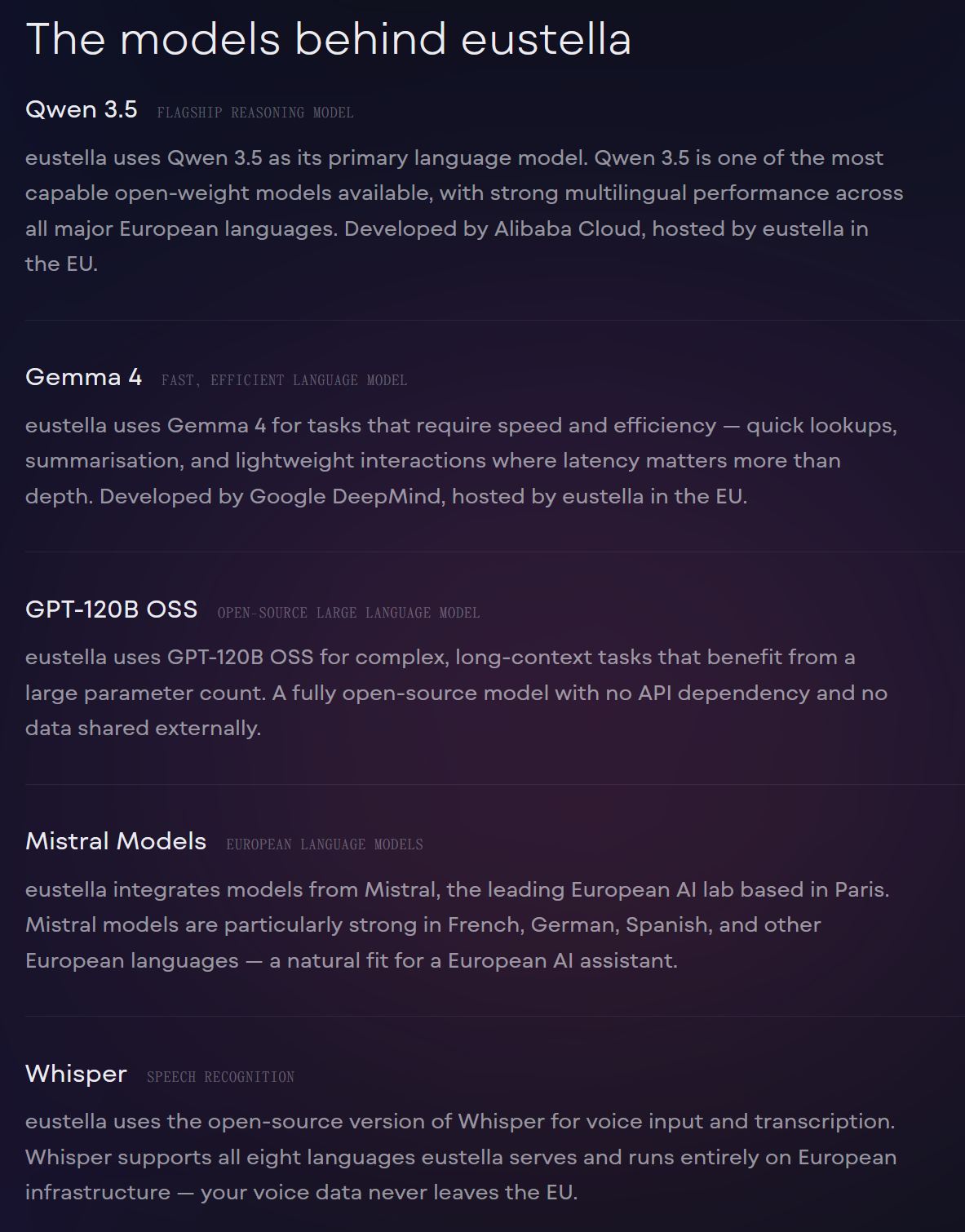
At the moment, Eustella uses Alibaba's Qwen 3.5 as its flagship reasoning model. Google's Gemma 4 handles lightweight interactions, while OpenAI's GPT-120B OSS can be used for complex tasks involving extensive context. The Mistral models are particularly well suited for European languages, while Whisper is responsible for voice input. This lineup will likely evolve as better open-source models become available.
First impressions: Strong answers, limited self-knowledge, slightly slower performance
My first step was to ask Eustella about itself. Unfortunately, the AI couldn't tell me which model it was currently running on because it cannot directly inspect its own system architecture or "query its own model version or the exact name of the weight set." It also couldn't specify its server locations, explaining that the "exact cities or data centers are not publicly disclosed." Elsewhere, however, it did reveal that at least the data collected by its analytics tool is stored in Frankfurt.
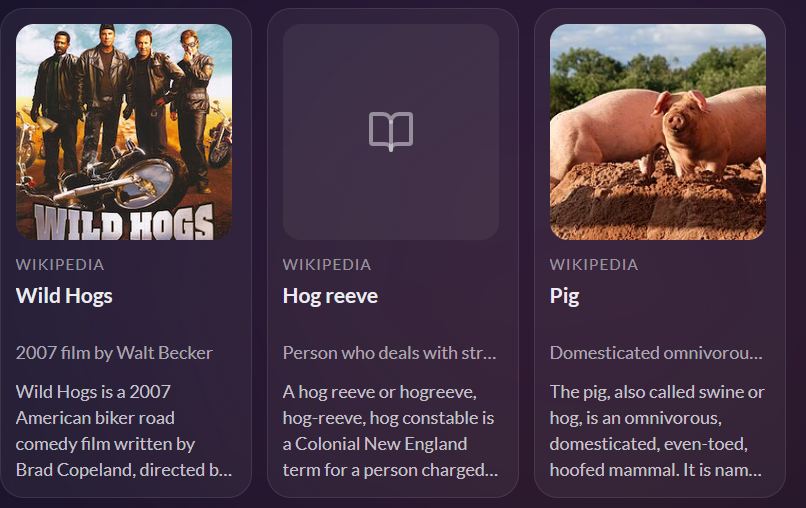
One amusing moment: When I asked for information about the analytics platform PostHog, Eustella initially returned Wikipedia links about pigs ("hog" meaning domestic pig, sow, glutton, and so on). After I pointed out the mistake, it immediately apologized, corrected itself, and provided the information I was actually looking for.

Another thing I noticed right away was that Eustella's response speed doesn't quite match ChatGPT, Gemini, Claude, and similar services. That said, it's still fast enough to feel comfortable in everyday use, and I never found the waiting times frustrating.
Planning a tabletop RPG: Surprisingly strong collaboration
Next, I used Eustella to continue planning a tabletop RPG session. From another AI, I already had three documents: a general adventure outline, a session recap prompt, and a fully developed first session.
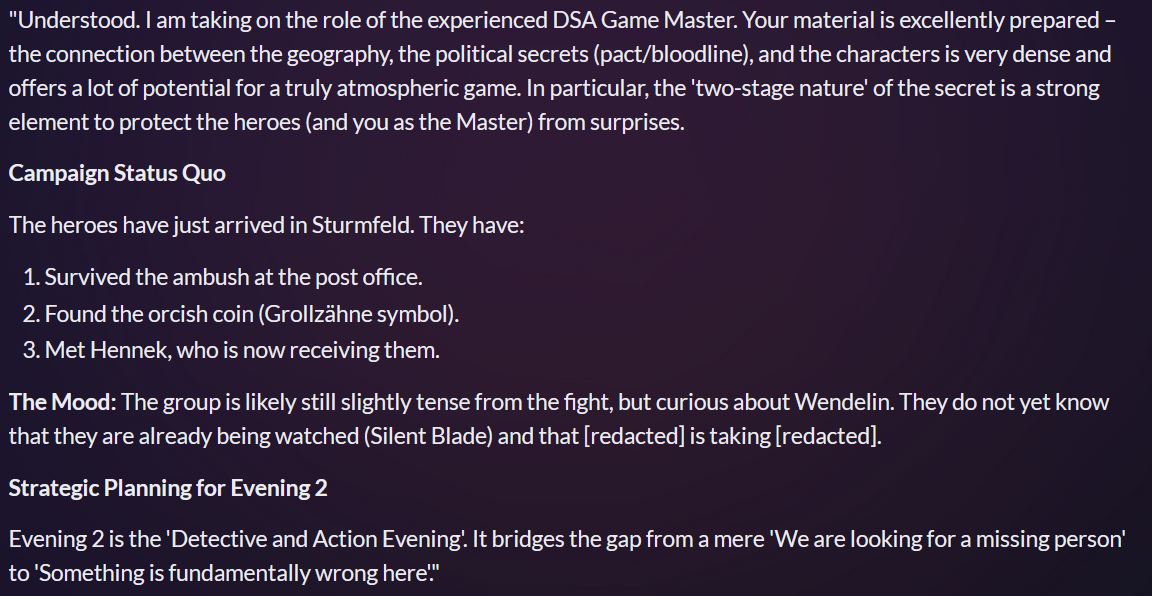
This is where Eustella genuinely impressed me. During an earlier migration to another major AI chatbot (using its free tier), the model had mixed up parts of the story and failed to fully understand some connections. With Eustella, the collaboration felt much more natural. It asked exactly the right follow-up questions when clarification was needed, offered genuinely useful suggestions, and worked with me to develop the second session remarkably well.

Using nothing more than a simple prompt and the three existing documents, Eustella immediately began planning Session 2 without asking unnecessary preliminary questions. That may partly be thanks to a well-written recap prompt, but my previous AI handled the same setup very differently. Either way, I was surprised by just how capable some open-source models have become.
Images, files, and specialized agents in everyday use
Another nice touch: Images can be generated directly from a prompt within the chat window itself, without having to click a separate "Create Picture" button.
When generating documents—for example, the outline for Session 2 as a Markdown file—it became apparent that Eustella currently cannot create downloadable files. As it explained itself, it has "no direct access to a file system to physically generate a .md file and provide it as a download link like some specialized tools do." Instead, it only provides content that users can copy manually.
In my case, this wasn't a major issue, since creating the text file via copy and paste took only a few seconds. Nevertheless, this could be considered a disadvantage compared to competing models. Images, on the other hand, can be downloaded directly as files.

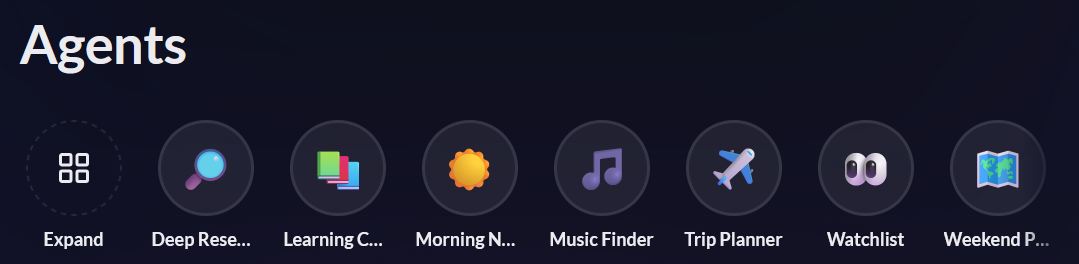
I also tested Eustella's Trip Planner agent while planning a weekend getaway to Paris. The platform offers several specialized agents in addition to the Trip Planner, including a learning assistant and a research assistant, among others.
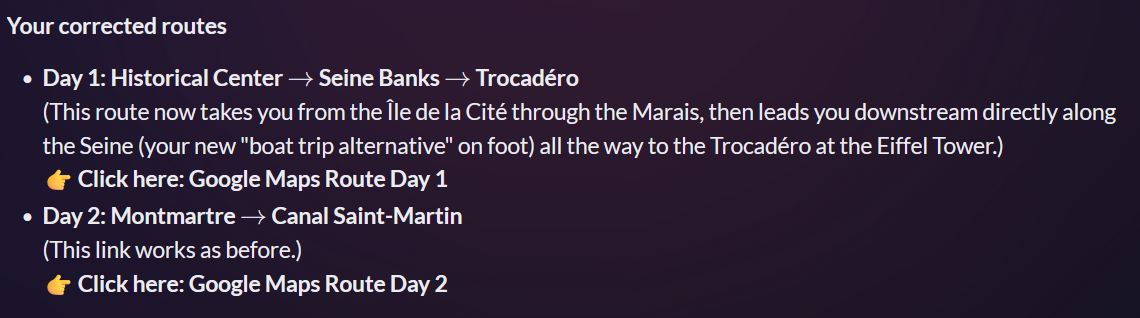
Eustella suggested sightseeing routes throughout the city. While it couldn't generate a GPX file, it did provide Google Maps links with the routes and intermediate stops already mapped out. In the end, I changed my plans and organized both days spontaneously, so I never got to test the recommendations in person. Judging from Google Maps, however, the suggested itineraries appeared logical and well designed.
Vibe coding with Eustella: Small apps without any issues
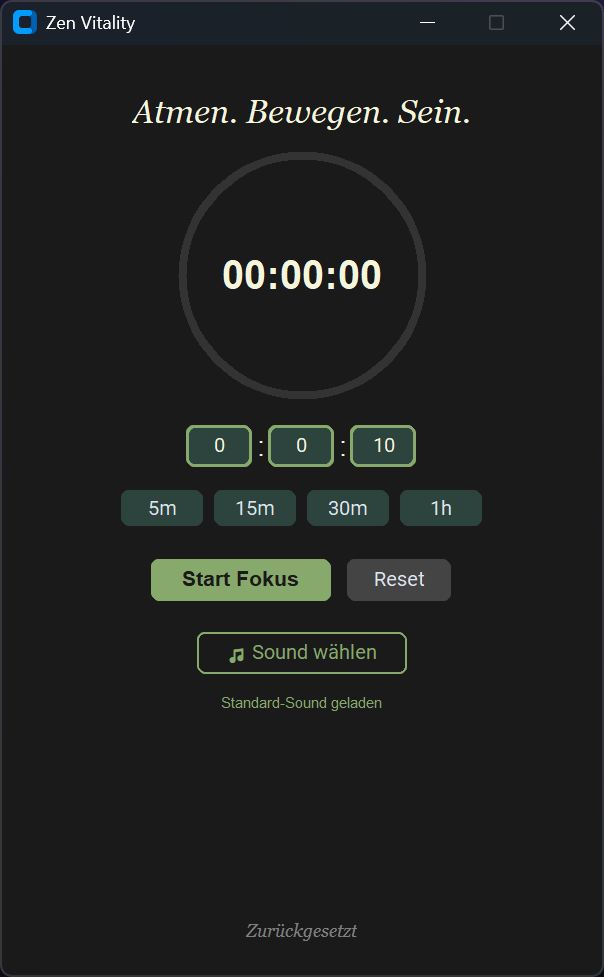
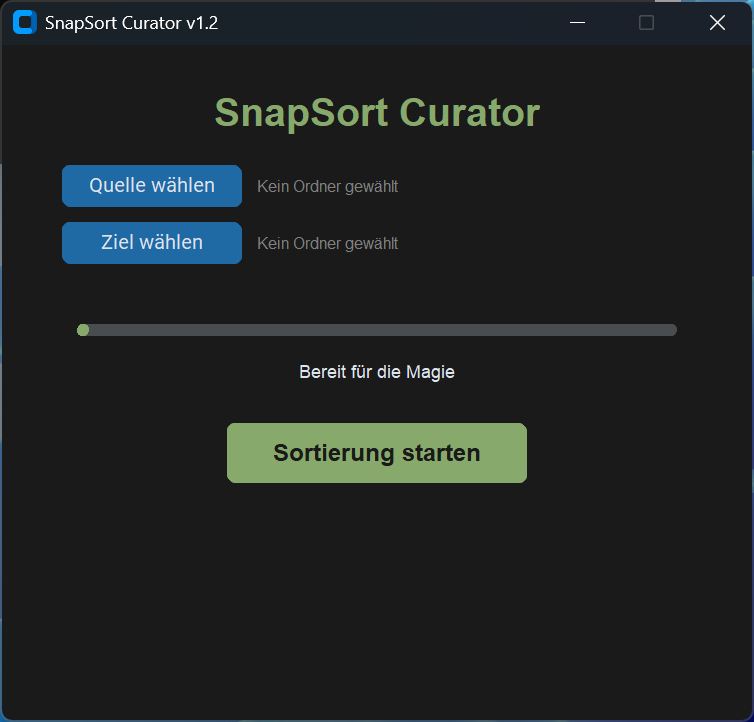
Finally, I wanted to build a small application. This was my first experience with vibe coding, so I intentionally chose relatively simple projects: a basic break timer that plays an audio file after a user-defined interval to remind you to step away from work, and an application that sorts large collections of photos into folders based on their creation date.
Eustella completed both tasks without any problems. It instructed me to install Python and the required libraries through straightforward command-line instructions, after which both applications ran successfully on the very first attempt.
I was then able to request modifications, which were implemented almost instantly. As the projects became more complex, occasional errors did creep into the code, but Eustella was always able to identify and fix them.

I hit Eustella's usage limits
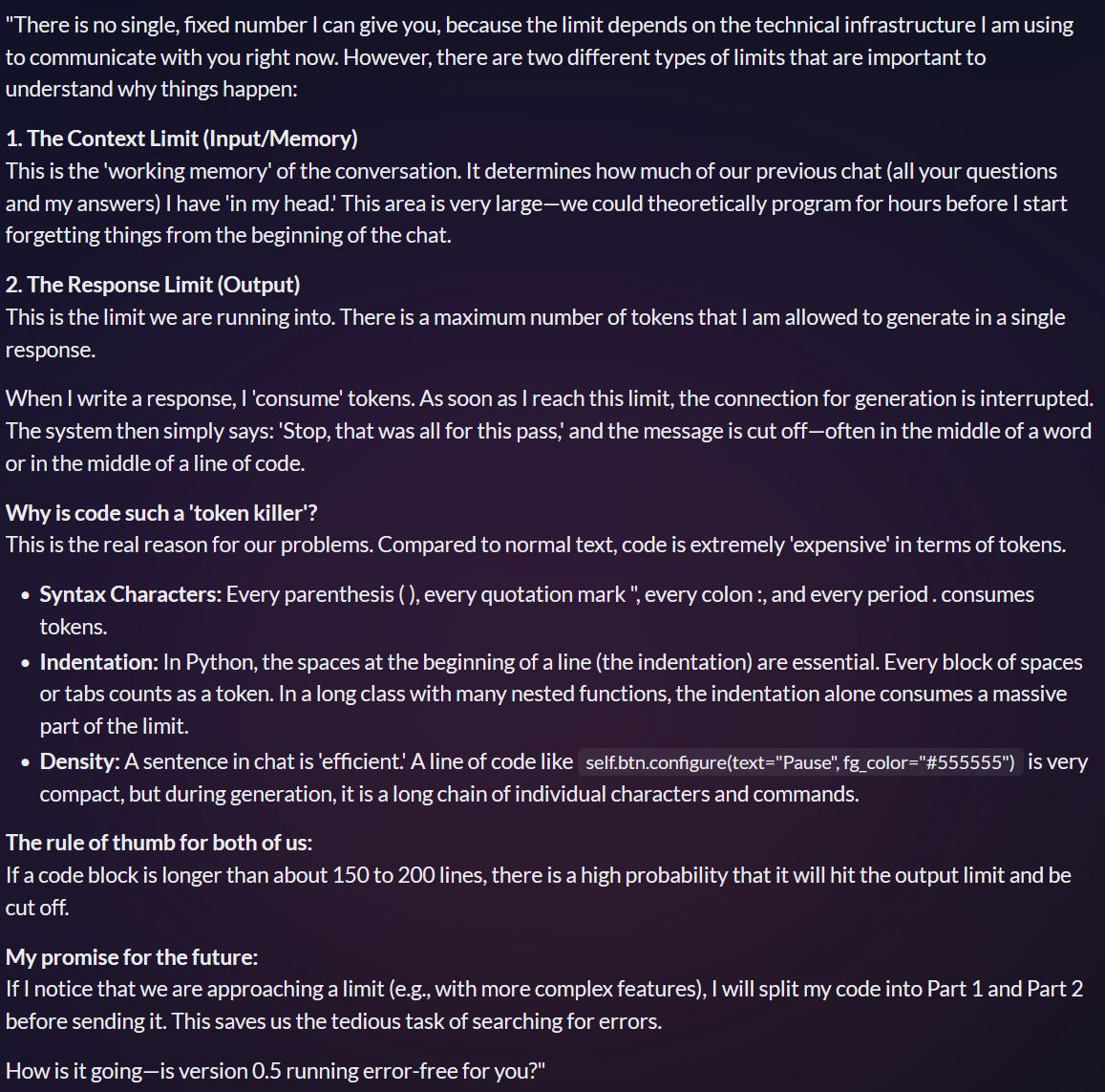
When working with longer code, however, Eustella's token limit can become an issue, resulting in incomplete code blocks. After I pointed this out, the AI automatically responded by splitting the code into two separate sections.
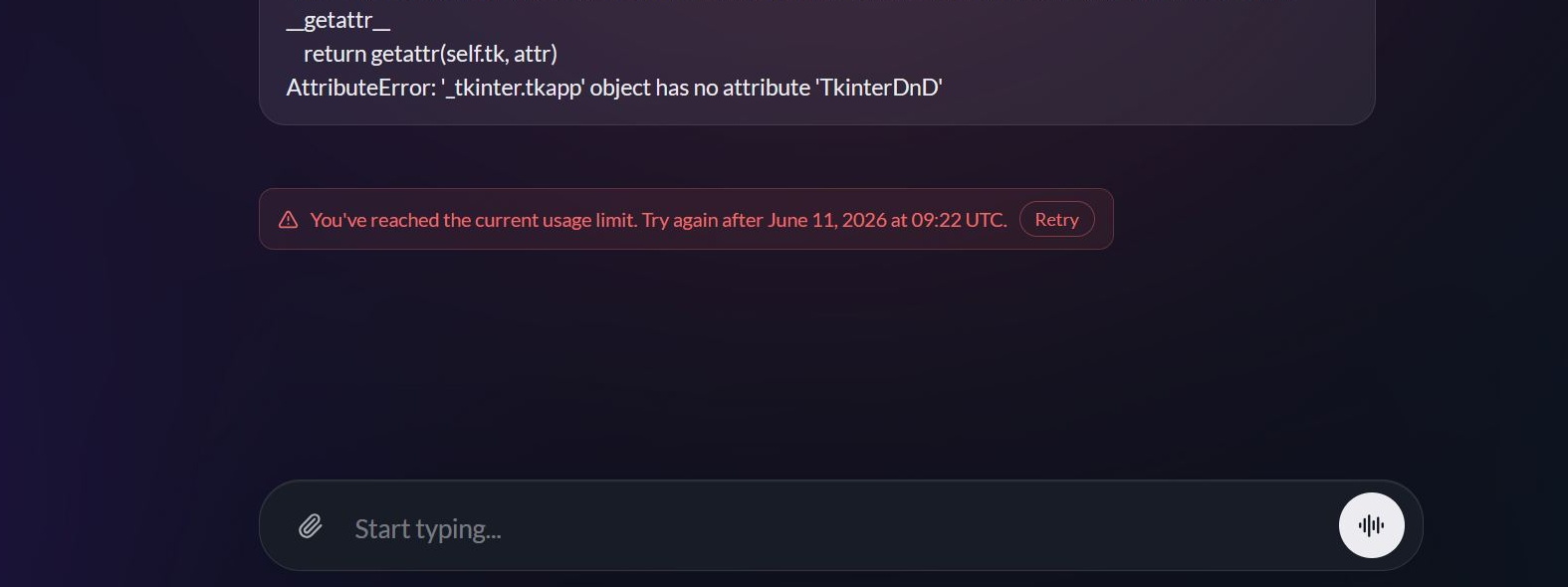
After putting the European AI through a fairly demanding series of tests, I eventually hit the free usage limit—coincidentally just one day after publishing my first article about Eustella. The frustrating part was that I lost access for more than two days. From the afternoon of June 9 until midday on June 11, I had to wait before I could continue using the service.
By that point, though, I had pushed the system significantly harder than any other AI I had tested before. How these limits will evolve as the user base grows—currently just under 4,000 users and steadily increasing—remains unclear. It's also unknown whether a permanent free plan will exist, what restrictions it might include, or what future subscription plans and pricing will ultimately look like.
Conclusion: A serious alternative to ChatGPT and the competition?
I didn't challenge Eustella with highly sophisticated coding projects. However, within my own usage scenarios, I was genuinely impressed by how capable it already is when powered by open-source models.
At no point did I encounter more problems than I typically experience with one of the major chatbot platforms—at least when using their free tiers. The main limitations were token restrictions, which other services also have, and the inability to generate downloadable files.
For the vast majority of users, Eustella is already highly practical. Open-source models—at least those operating at a scale that most people still can't realistically host locally—have matured into genuinely capable tools. That makes Eustella itself a compelling, privacy-focused, cloud-hosted alternative to the established American cloud AI providers.
Ultimately, much will depend on newsroom.ai's business strategy. How much will Eustella cost end users? Will its pricing and usage limits be competitive with—or perhaps even better than—those of the market leaders? Probably not, since smaller providers are likely to face significantly higher infrastructure costs, particularly for servers.
On the other hand, using Eustella means you're not handing over your chat data to American companies. In fact, you're not handing it over to any third-party companies at all, since chat data is not commercially exploited. I'm certainly looking forward to seeing how Eustella develops. For now, the beta is open, and anyone can try it either through the web version or the Android and iOS apps.
 Add as a preferred source on Google


