




Linux developers are using GitHub Copilot and AI vibe coding to keep 20-year-old AMD Radeon HD 2000 to 6000 GPUs alive
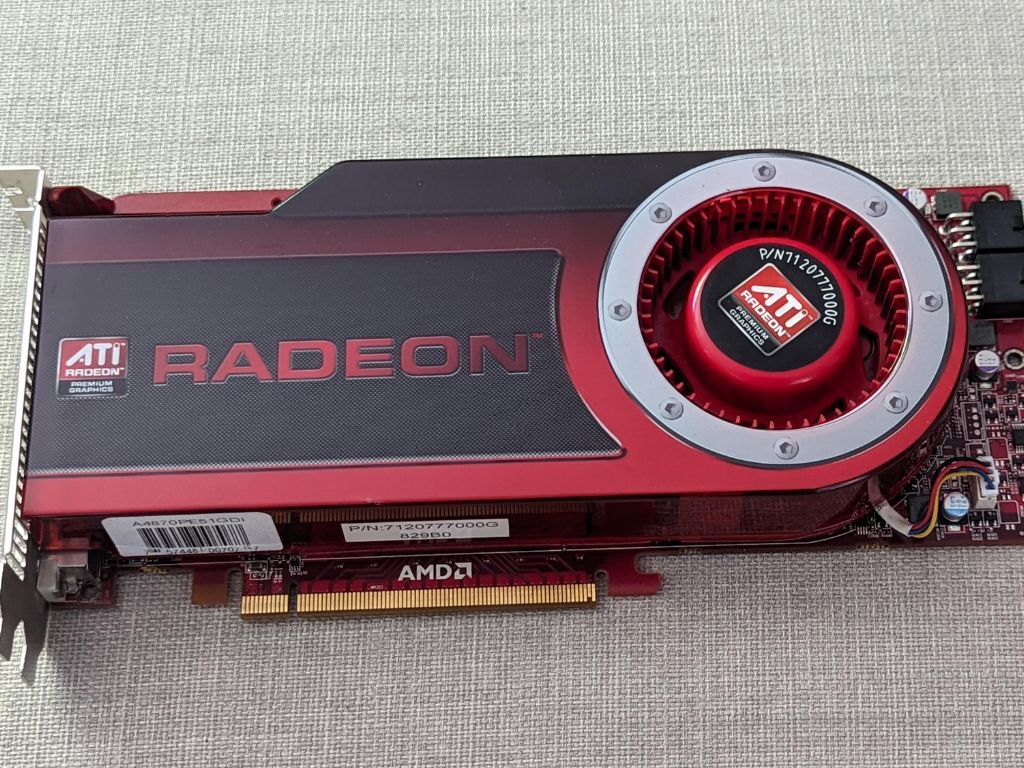
Linux GPU driver maintainers and developers are discreetly embracing AI-assisted "vibe coding" to keep older, vintage AMD GPUs, namely AMD GPUs that are nearly two decades old, running.
In Mesa 26.2, developer Gert Wollny used GitHub Copilot to refactor and clean up large chunks of the AMD R600 Gallium3D driver, with 59 commits dedicated to making the shader compiler code cleaner and more stable for all AMD GPUs stretching from the Radeon HD 2000 to HD 6000 series. These cards launched between 2007 and 2010 and are now considered obsolete.
As detailed by Phoronix, Wollny went into detail about the driver work in the merge request and said, “This series does a lot of refactoring to make the sfn shader compiler code a bit cleaner. The refactoring was done with the help of Copilot (auto mode).” Individual patches crediting Copilot were also added.
This gives us insight into how AI-assisted “vibe coding” could work for more complex applications: developers use tools powered by large language models to refactor and clean up code rather than writing every line from scratch. This process is already helping many developers sustain legacy open-source drivers and projects that would otherwise disappear into obscurity.
The R600 family covers a wide range of AMD (formerly ATI) cards that many enthusiast gamers and retro PC builders still rely on. Since AMD stopped contributing upstream work and driver updates for these GPUs, almost all ongoing improvements and updates have been rolled out by a team of dedicated fans and volunteers willing to keep these GPUs alive.
Among these contributors, Wollny has been a consistent presence in recent years, having previously added NIR backend support, improved compute capabilities, and other modern Mesa features. Given the limited number of contributors and available resources, using Copilot in auto mode with developer oversight can significantly help with large cleanup jobs that would otherwise be difficult to complete on one's own.
This aligns with the Linux kernel project, which has adopted a pragmatic approach under a new policy that now allows developers to use AI tools and even encourages their use when needed. However, there’s a strict set of rules to follow: only humans are allowed to add the Signed-off-by tag and certify the Developer Certificate of Origin.
To keep things transparent, developers must include a clear Assisted-by tag naming the AI model and tools used, while the human submitter remains accountable for testing, reviewing, and pushing the final code.
Sources
 Add as a preferred source on Google


