




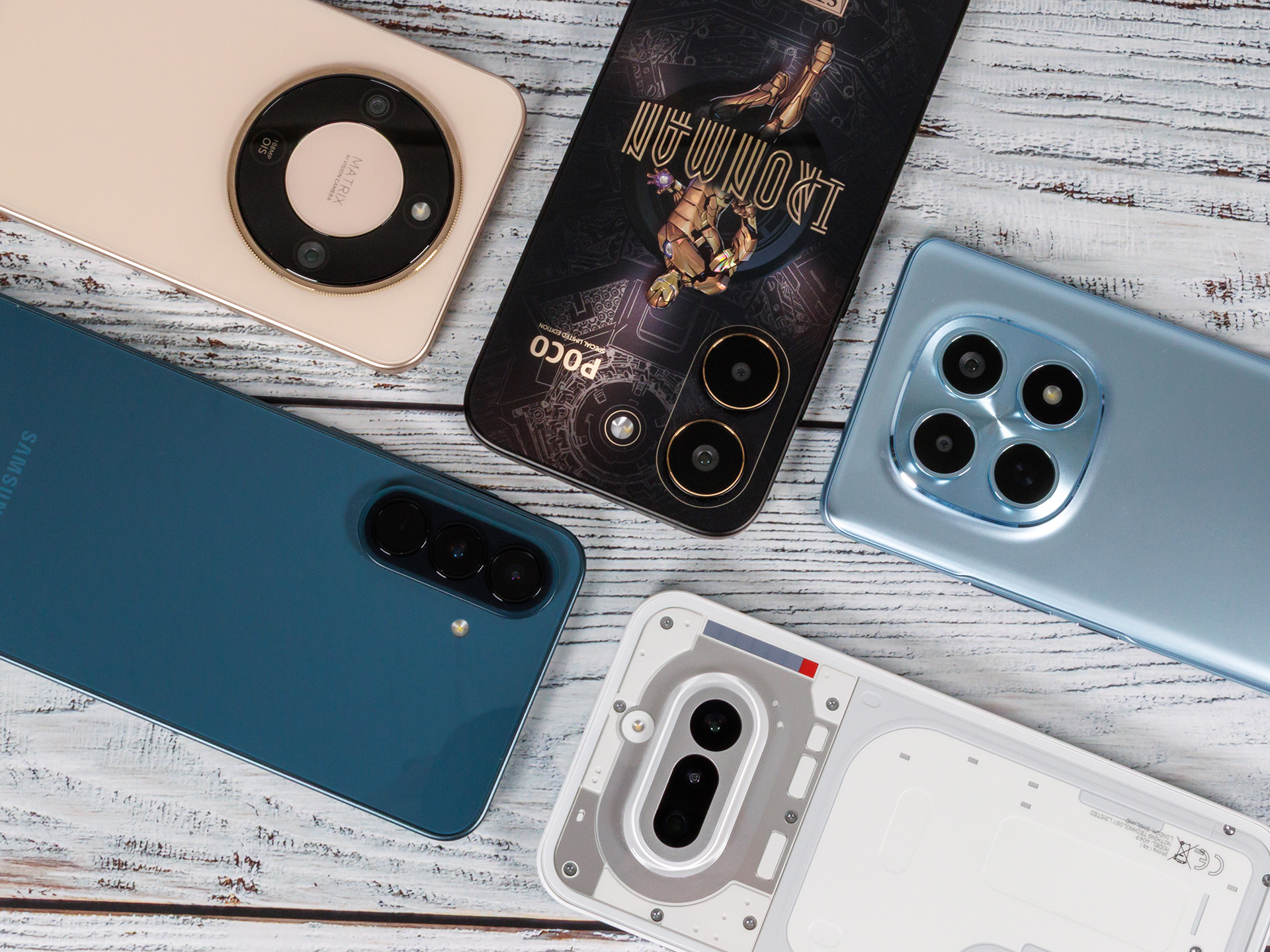
Ranking: Best smartphones for under 300 dollars/euros
October 2026 update.
The sub-300-euro smartphone market offers plenty of choice and excellent value for money. If you want a solid feature set while keeping costs under control, this list of the best smartphones available for under 300 euros and recently tested by Notebookcheck can help.Daniel Schmidt (translated by DeepL) Published 🇩🇪 🇪🇸 ...
Between the much-discussed flagship phones and budget-friendly entry-level models lies the expansive mid-range smartphone segment. Devices in this category often offer solid performance, an attractive feature set, and decent cameras. We explore their strengths and weaknesses in detailed reviews, linked in the table below. Here, we list the best lower mid-range smartphones reviewed by Notebookcheck in recent months, ranked by their review scores.
Lower-mid-range smartphones to buy in October 2026
Image | Model / Review | Price | Weight | Drive | Display | Screen / Body |
|---|---|---|---|---|---|---|
1. 83.8%  | Xiaomi Poco X8 Pro MediaTek Dimensity 8500 ⎘ ARM Mali-G720 MP8 ⎘ 12 GB Memory, 512 GB UFS 4.x | Amazon: $349.99 List Price: 400€ | 202 g | 512 GB UFS 4.1 Flash | 6.59" 2756x1268 460 PPI AMOLED | 89.8 % |
2. 80%  | Samsung Galaxy A56 5G Samsung Exynos 1580 ⎘ Samsung Xclipse 540 ⎘ 8 GB Memory, 128 GB UFS 3.1 | List Price: 479€ | 198 g | 128 GB UFS 3.1 Flash | 6.70" 2340x1080 385 PPI Super AMOLED | 88 % |
3. 79.1%  | Xiaomi Poco M8 Pro 5G Qualcomm Snapdragon 7s Gen 4 ⎘ Qualcomm Adreno 810 ⎘ 12 GB Memory, 512 GB UFS 2.2 | Amazon: $319.90 List Price: 400 Euro | 206 g | 512 GB UFS 2.2 Flash | 6.83" 2772x1280 447 PPI AMOLED | 90 % |
4. 79%  | Samsung Galaxy A37 5G Samsung Exynos 1480 ⎘ Samsung Xclipse 530 ⎘ 8 GB Memory, 256 GB UFS 3.1 | List Price: 519€ | 196 g | 256 GB UFS 3.1 Flash | 6.70" 2340x1080 385 PPI Super AMOLED | 87 % |
5. 78%  | Honor Magic8 Lite Qualcomm Snapdragon 6 Gen 4 ⎘ Qualcomm Adreno 810 ⎘ 8 GB Memory, 512 GB UFS 3.1 | List Price: 400€ | 189 g | 512 GB UFS 3.1 Flash | 6.79" 2640x1200 427 PPI OLED | 91 % |
6. 77.6%  | Xiaomi Redmi Note 15 Pro 5G MediaTek Dimensity 7400-Ultra ⎘ ARM Mali-G615 MP2 ⎘ 8 GB Memory, 256 GB UFS 2.2 | List Price: 400€ | 210 g | 256 GB UFS 2.2 Flash | 6.83" 2772x1280 447 PPI AMOLED | 89.7 % |
7. 77.4%  | Motorola Edge 70 Fusion Qualcomm Snapdragon 7s Gen 3 ⎘ Qualcomm Adreno 810 ⎘ 8 GB Memory, 256 GB UFS 3.1 | List Price: 420€ | 193 g | 256 GB UFS 3.1 Flash | 6.78" 2772x1272 450 PPI AMOLED | 91.4 % |
8. 76.7%  | Motorola Moto G77 Mediatek Dimensity 6400 ⎘ ARM Mali-G57 MP2 ⎘ 8 GB Memory, 256 GB UFS 2.1 | List Price: 300€ | 182 g | 256 GB UFS 2.1 Flash | 6.78" 2772x1272 450 PPI AMOLED | 88.5 % |
9. 76.5%  | Xiaomi Redmi Note 15 5G Qualcomm Snapdragon 6 Gen 3 ⎘ Qualcomm Adreno 710 ⎘ 8 GB Memory, 256 GB UFS 2.2 | Amazon: $282.50 List Price: 300€ | 178 g | 256 GB UFS 2.2 Flash | 6.77" 2392x1080 388 PPI AMOLED | 90 % |
10. 74.7%  | Motorola Moto G67 Mediatek Dimensity 6300 ⎘ ARM Mali-G57 MP2 ⎘ 4 GB Memory, 128 GB UFS 2.2 | List Price: 239€ | 182 g | 128 GB UFS 2.2 Flash | 6.78" 2772x1272 450 PPI AMOLED | 88.5 % |
The table above lists the best smartphones available for under 300 dollars/euros and tested by Notebookcheck in the last 12 months, along with other relevant models that are still available. If several products have the same rating, the model reviewed most recently is ranked higher. Prices are updated automatically each day and may change.
Link: all tested products in this class
Editorial comment
There are no new entries this month. Both the Nothing Phone (4b) and the Redmi Note 17 Pro 5G would have made the list, but are still too expensive. The Samsung Galaxy A27 5G and Redmi Note 17 5G are two other promising candidates currently being tested.
1st place - Xiaomi Poco X8 Pro
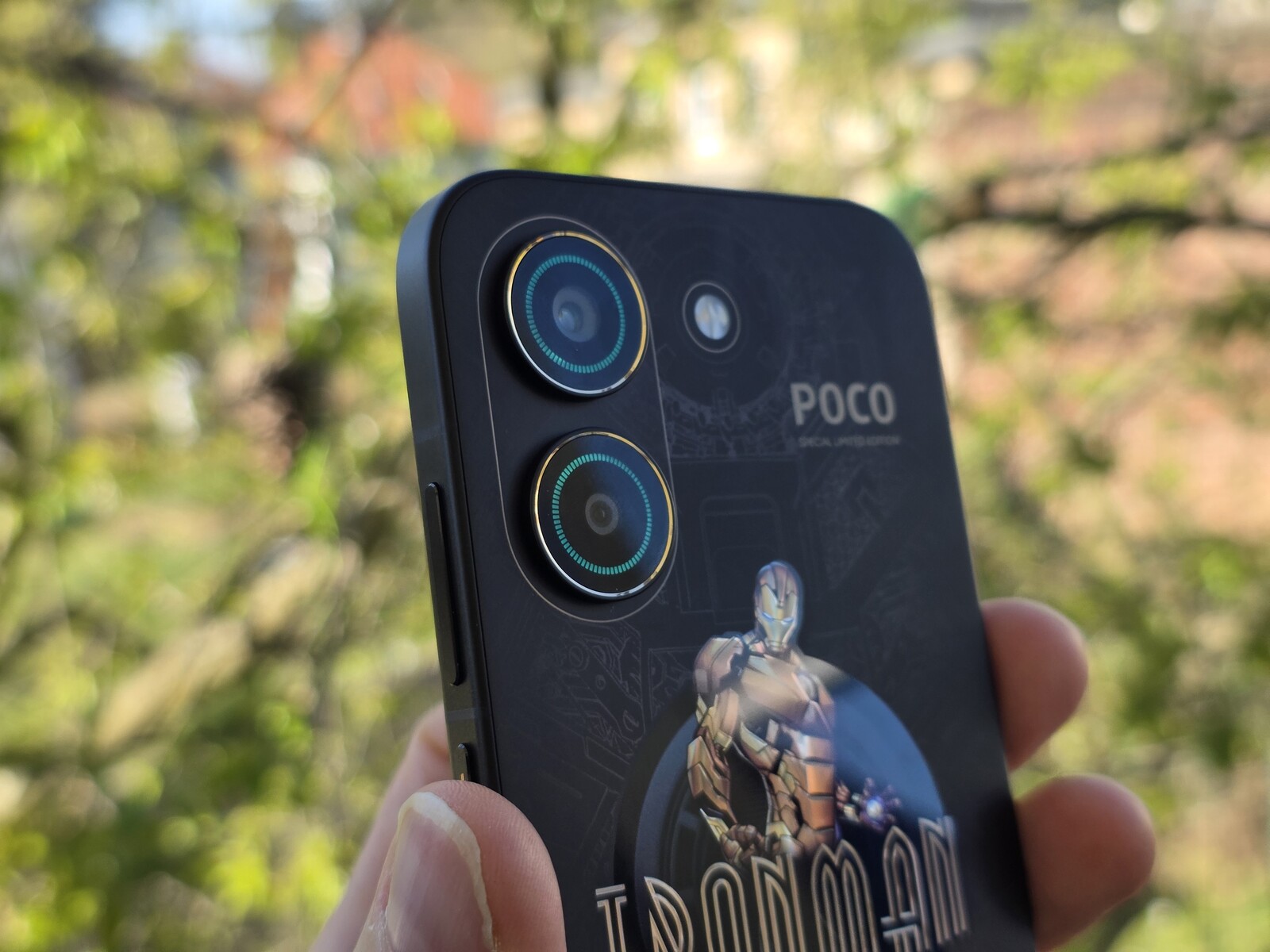
The Poco X8 Pro is one of the most powerful smartphones in the affordable mid-range segment and stands out for its excellent value for money. Its powerful MediaTek Dimensity 8500 Ultra ensures smooth performance even in demanding apps and games. The smartphone remains comparatively cool and efficient even under sustained load.
The Poco X8 Pro offers excellent value for money, challenging significantly more expensive smartphones in many areas.
The 6.6-inch AMOLED display with a 120 Hz refresh rate also impresses. It offers a very high peak brightness of up to 3,500 nits, vibrant colors, and a sharp image. Battery life is another strength: the large battery comfortably lasts through long days of use and supports fast charging at up to 100 watts. The stereo speakers also deliver surprisingly good sound for this price range.
The 50-MP main camera is particularly impressive, producing natural colors and good detail. However, zoom performance and the ultra-wide-angle camera are weaker. Premium features such as wireless charging and eSIM support are also missing.
2nd place - Samsung Galaxy A56 5G
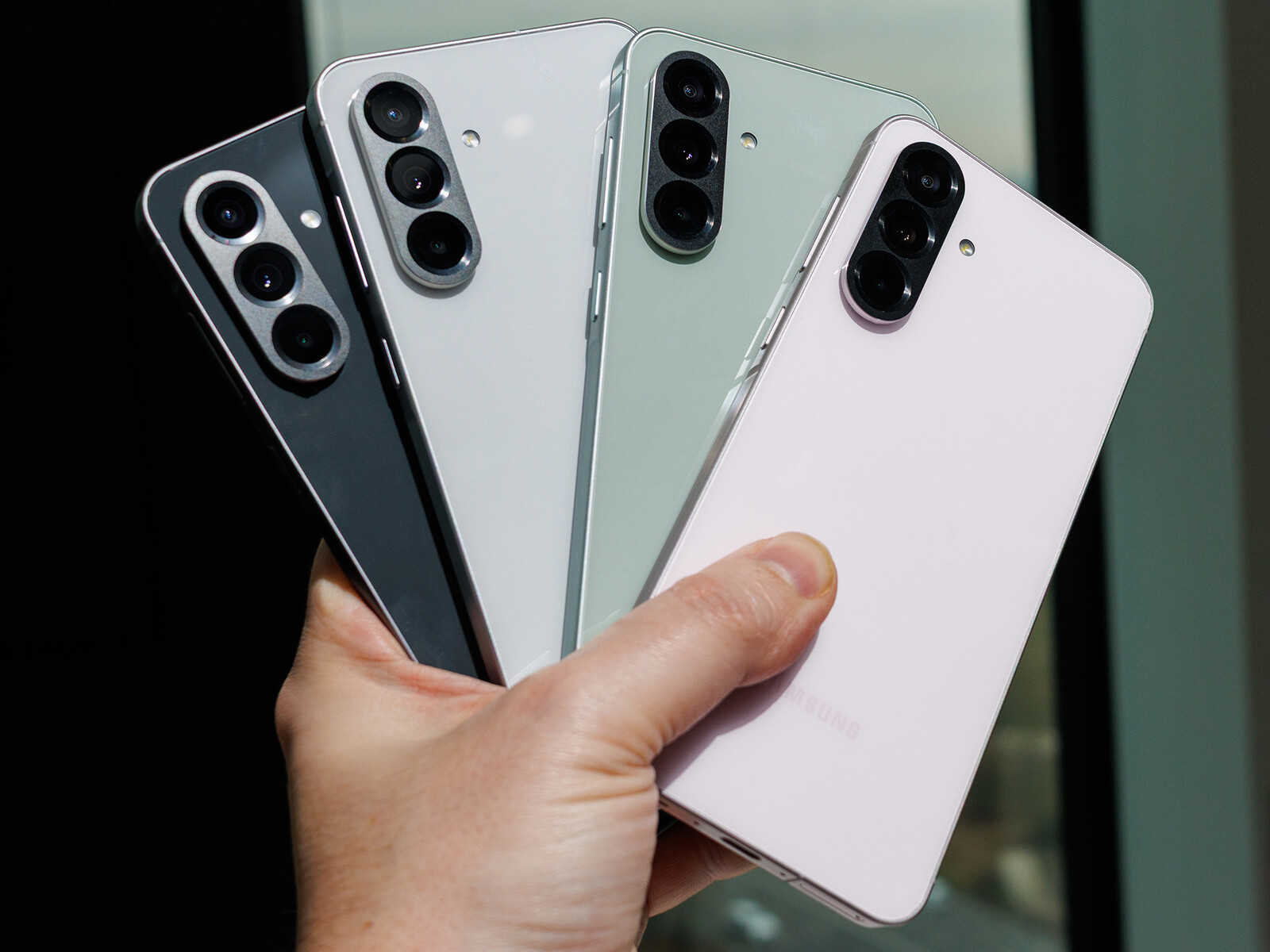
The Galaxy A56 5G is a strong contender in the premium mid-range segment. It impresses with a slimmer, lighter body (7.4 mm, 198 g), Gorilla Glass Victus+, an aluminum frame, and IP67 certification. Narrower display bezels contribute to its more modern design. The 6.7-inch Super AMOLED display offers a refresh rate of up to 120 Hz and a peak brightness of up to 2,000 cd/m². Overall, the Galaxy A56 5G delivers a balanced mid-range experience, combining an elegant design, a bright display, long battery life, extended software support, and basic AI features, although camera zoom remains a limitation.
The Samsung Galaxy A56 is a strong mid-range all-rounder.
The 5,000-mAh battery provides very good battery life. Wired fast charging now reaches 45 W, up from 25 W, but wireless charging is still unavailable. The phone runs Android 15 with One UI 7.0 and introduces AI features such as Circle to Search, Object Eraser, and Best Face for group photos to this mid-range series. Samsung also provides Android updates and security patches for six years.
The phone lacks a microSD slot, 6 GHz Wi-Fi, and UWB. However, it supports dual eSIM, NFC, Wi-Fi 6, and Bluetooth 5.3.
3rd place - Xiaomi Poco M8 Pro 5G

The Poco M8 Pro 5G is a strong, well-balanced option for the price. Its very bright 120 Hz AMOLED display remains easy to read outdoors. Equally impressive is the large 6,500-mAh battery, which delivers exceptionally long battery life and recharges quickly. Despite its large display, the device remains relatively easy to handle.
The Poco M8 Pro 5G offers excellent value for money, with a display, battery life, and performance that rival higher-end models.
The Snapdragon 7s Gen 4 ensures smooth everyday performance and handles more demanding apps with ease. Features include Wi-Fi 6E, Bluetooth 5.4, NFC, and IP68 certification. The main camera delivers solid results, while the ultra-wide-angle camera is weaker. Software update support through 2031 is another strength.
An unusual feature is offline communication, which allows direct connections without a network. Drawbacks include advertising in HyperOS and the absence of eSIM support, a microSD slot, and a telephoto camera.
4th place - Samsung Galaxy A37 5G
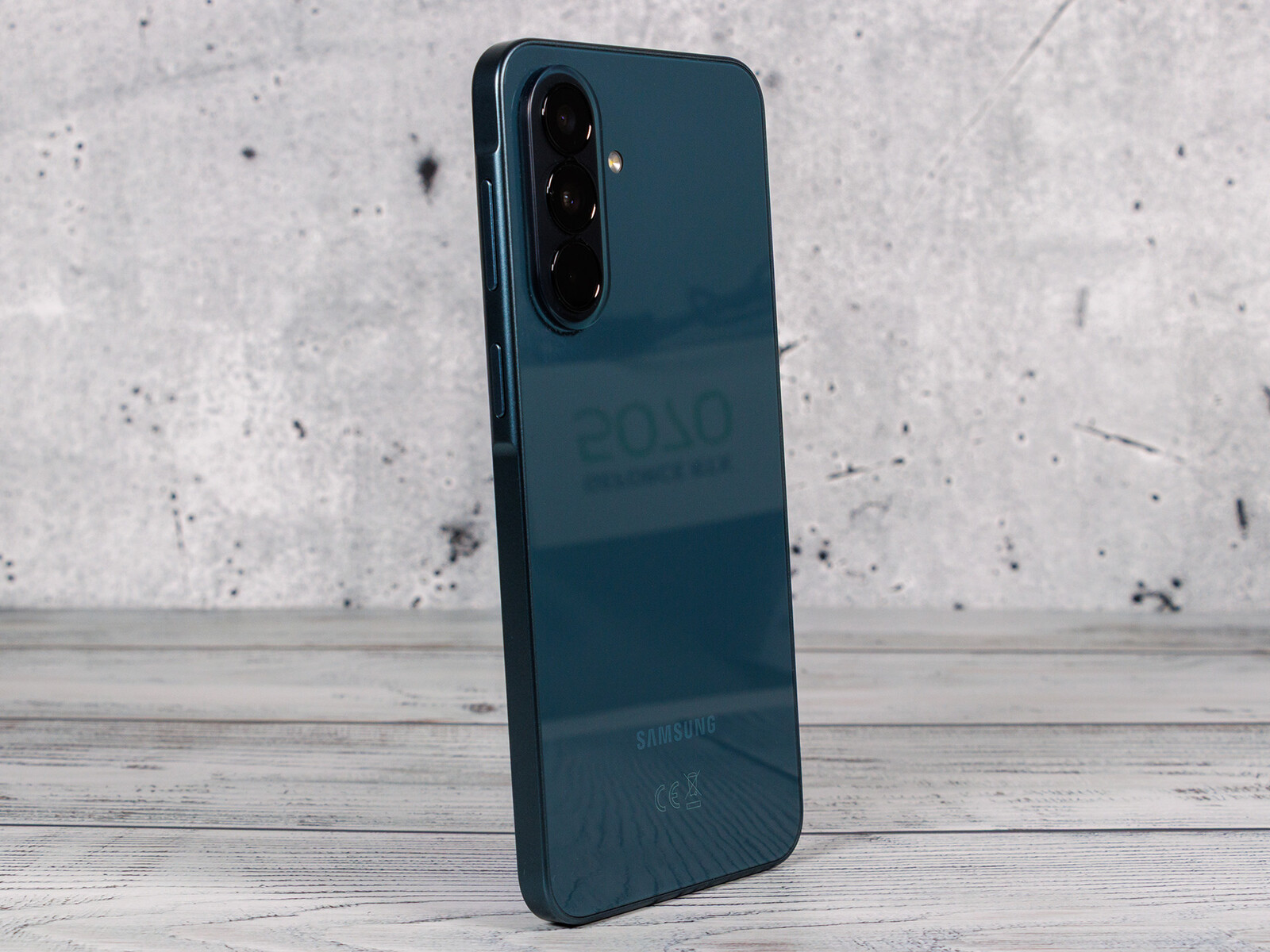
With the Galaxy A37 5G, Samsung delivers a well-balanced mid-range smartphone that builds on its proven strengths. The 6.7-inch Super AMOLED display with a 120 Hz refresh rate impresses with high brightness, vibrant colors, and smooth visuals. Its IP68 rating also provides protection against water and dust.
The Samsung Galaxy A37 5G offers a well-rounded package with an impressive display, a long software support period, and excellent battery life.
The Exynos 1480 handles everyday apps and multitasking with ease but lags behind the competition in demanding games. The 50-megapixel main camera delivers sharp, natural-looking photos in good lighting, while the ultra-wide-angle and macro cameras produce noticeably weaker results. The 5,000-mAh battery provides long battery life and supports fast charging at up to 45 watts. Six years of software updates also make the smartphone an attractive long-term choice.
5th place - Honor Magic8 Lite
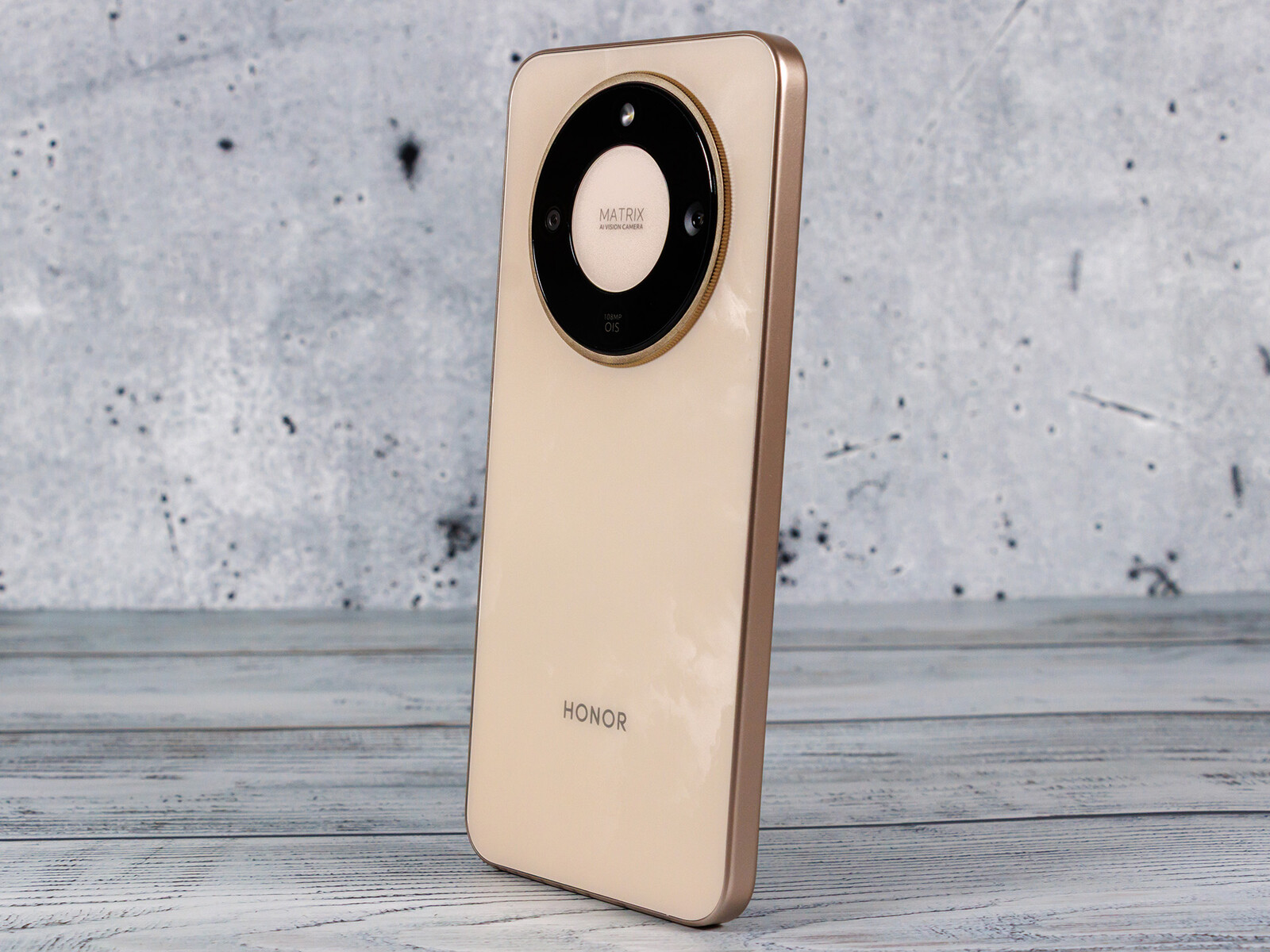
The Magic8 Lite combines the durability of a rugged smartphone with the sleek design of a conventional mid-range model. It is IP68/IP69K-rated for water and dust resistance, can withstand drops from heights of up to 2.5 meters, and operates reliably even in extreme temperatures.
The Honor Magic8 Lite stands out for its exceptional durability, long battery life, and vibrant display.
The bright 6.79-inch OLED display is particularly impressive, with a 120 Hz refresh rate and high HDR brightness. The Snapdragon 6 Gen 4 offers solid everyday performance but is only average for gaming. The 108-MP main camera delivers good results in daylight, while ultra-wide-angle and night shots are noticeably weaker. With its 7,500-mAh battery, the smartphone achieves excellent battery life and charges quickly at up to 66 watts. Drawbacks include comparatively slow Wi-Fi, speakers that distort at high volumes, and the omission of a few convenience features found on the Chinese model.
6th place - Xiaomi Redmi Note 15 Pro 5G
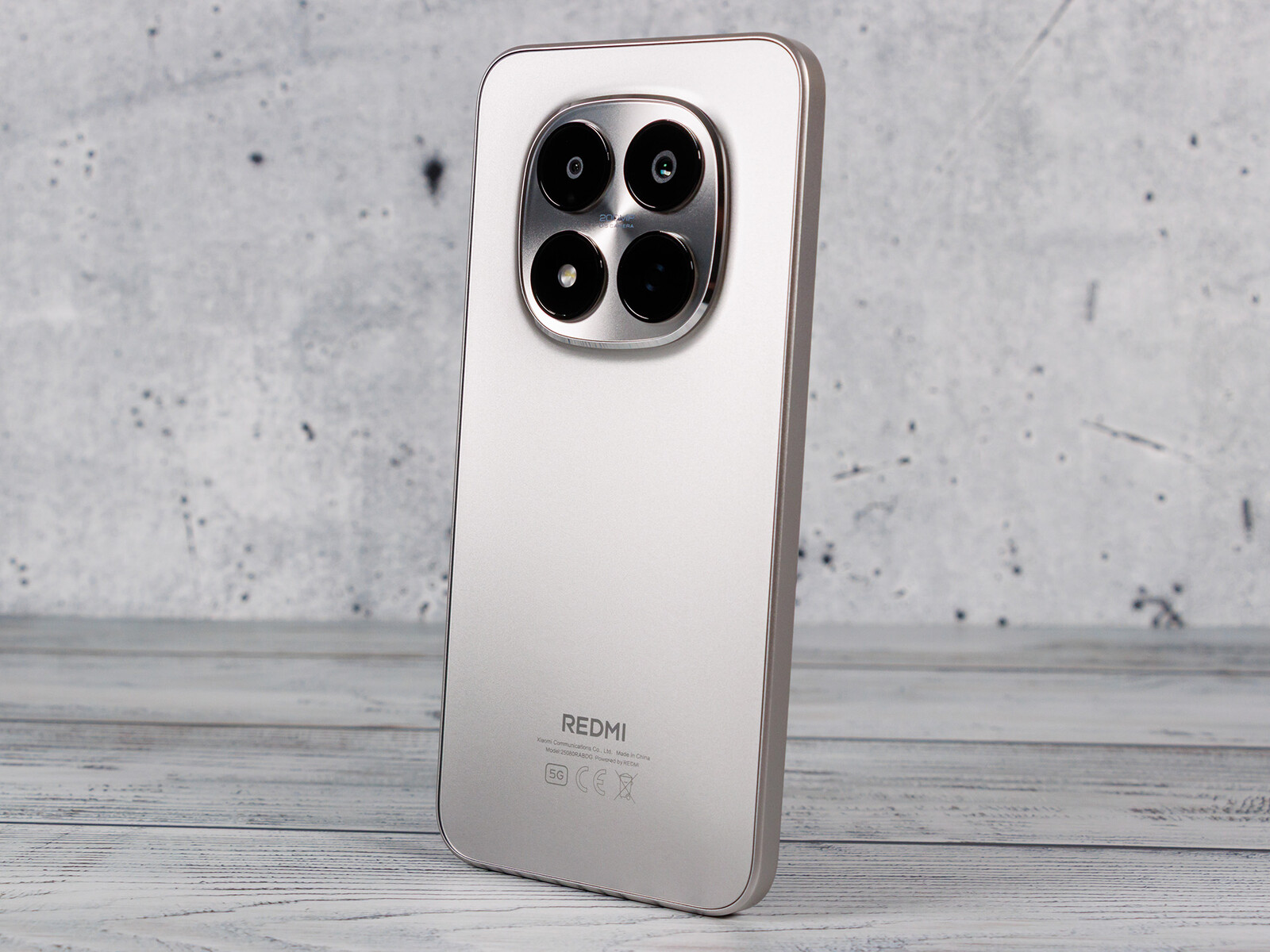
The Note 15 Pro 5G offers a very bright AMOLED display with slim bezels and Gorilla Glass Victus 2, along with IP68 protection and exceptional battery life of over 30 hours in our Wi-Fi web browsing test. Its 6,580-mAh battery, reverse charging, and 45-watt charging make it a mid-range standout for battery endurance and charging features. Build quality is also strong, with a metal frame and protection against water ingress.
The Redmi Note 15 Pro 5G is an appealing mid-range smartphone with exceptional battery life and solid performance.
The 200-MP main camera delivers decent, though not particularly sharp, photos in daylight. Autofocus struggles in low light, and shots from the ultra-wide-angle camera lack detail. The Dimensity 7400 Ultra SoC is sufficient for everyday use, but gaming performance is often limited to 40–50 fps; rival devices perform better.
Good speakers, accurate positioning, and six years of security updates are further strengths. Drawbacks include advertising in the Android 15-based HyperOS software and the lack of 6 GHz Wi-Fi support.
7th place - Motorola Edge 70 Fusion
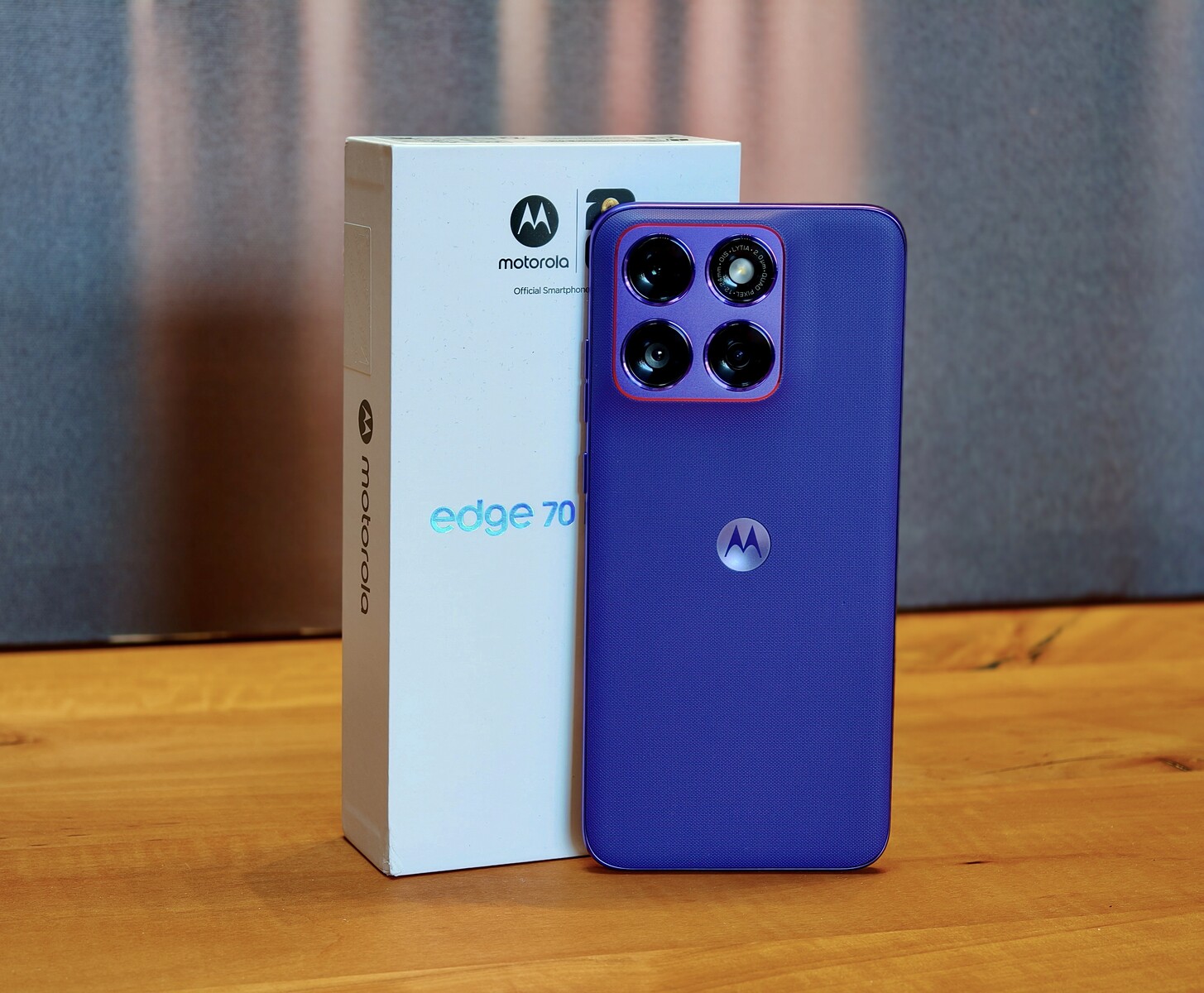
The Motorola Edge 70 Fusion is a mid-range smartphone with a range of configuration options and a well-rounded feature set. It impresses with a high-quality 120 Hz OLED display, high brightness, and accurate color reproduction. The Snapdragon processor delivers sufficient performance for everyday use, multimedia, and most games, but does not match current high-end chips.
The Motorola Edge 70 Fusion is a well-balanced mid-range smartphone with an impressive display, useful features, and good everyday usability.
The camera system, featuring a high-resolution main sensor and optical image stabilization, delivers impressive results in good lighting but struggles in more challenging conditions. Standout features include the slim design, IP-rated protection, stereo speakers, and long-term software support. Battery life is solid, and charging is fast. Drawbacks include limited storage expansion options and occasionally inconsistent system optimization.
8th place - Motorola Moto G77 5G
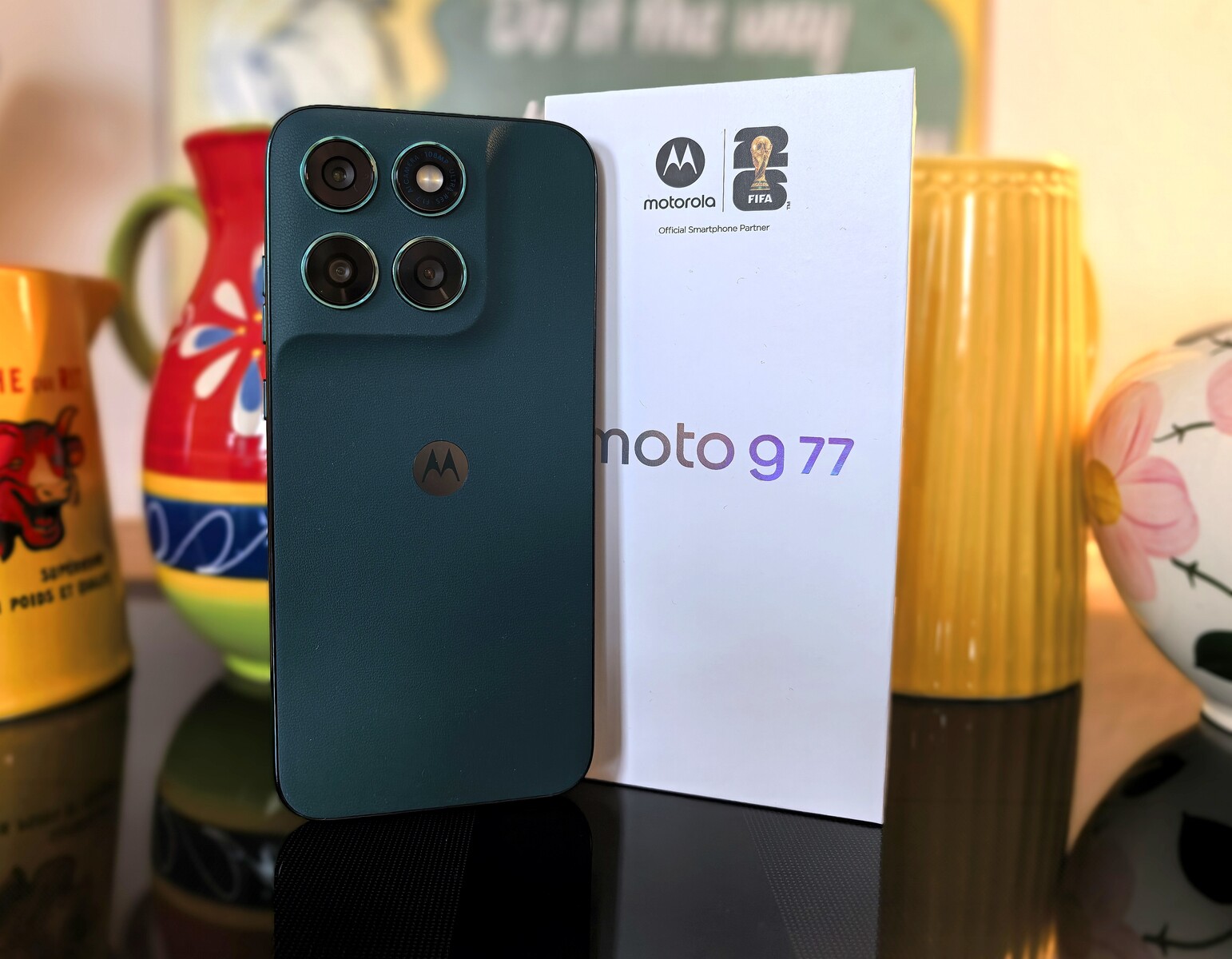
The Moto G77 features a 6.78-inch AMOLED panel with a resolution of 2,772 x 1,272 pixels, a 120 Hz refresh rate, and extremely high brightness. Colors are very accurate, although low-frequency PWM dimming is a drawback. The MediaTek Dimensity 6400 and 8 GB of RAM provide adequate everyday performance, but little more. The 256 GB of UFS 2.1 storage delivers only average transfer rates.
The Moto G77 impresses with its slim design, large battery, and bright display.
The phone supports a broad range of 4G/5G bands and eSIM. Wi-Fi is limited to 802.11ac (Wi-Fi 5) with a 1x1 antenna configuration and no MIMO, resulting in low speeds. The 108-MP main camera captures plenty of detail, while the 8-MP ultra-wide-angle camera is significantly weaker. There is no support for 4K video recording. The 5,200-mAh battery lasts around 20 hours in our Wi-Fi web browsing test. With 30 W charging, a full recharge takes around 1.5 hours. The software is based on Android 16, with updates expected through 2030.
9th place - Xiaomi Redmi Note 15 5G
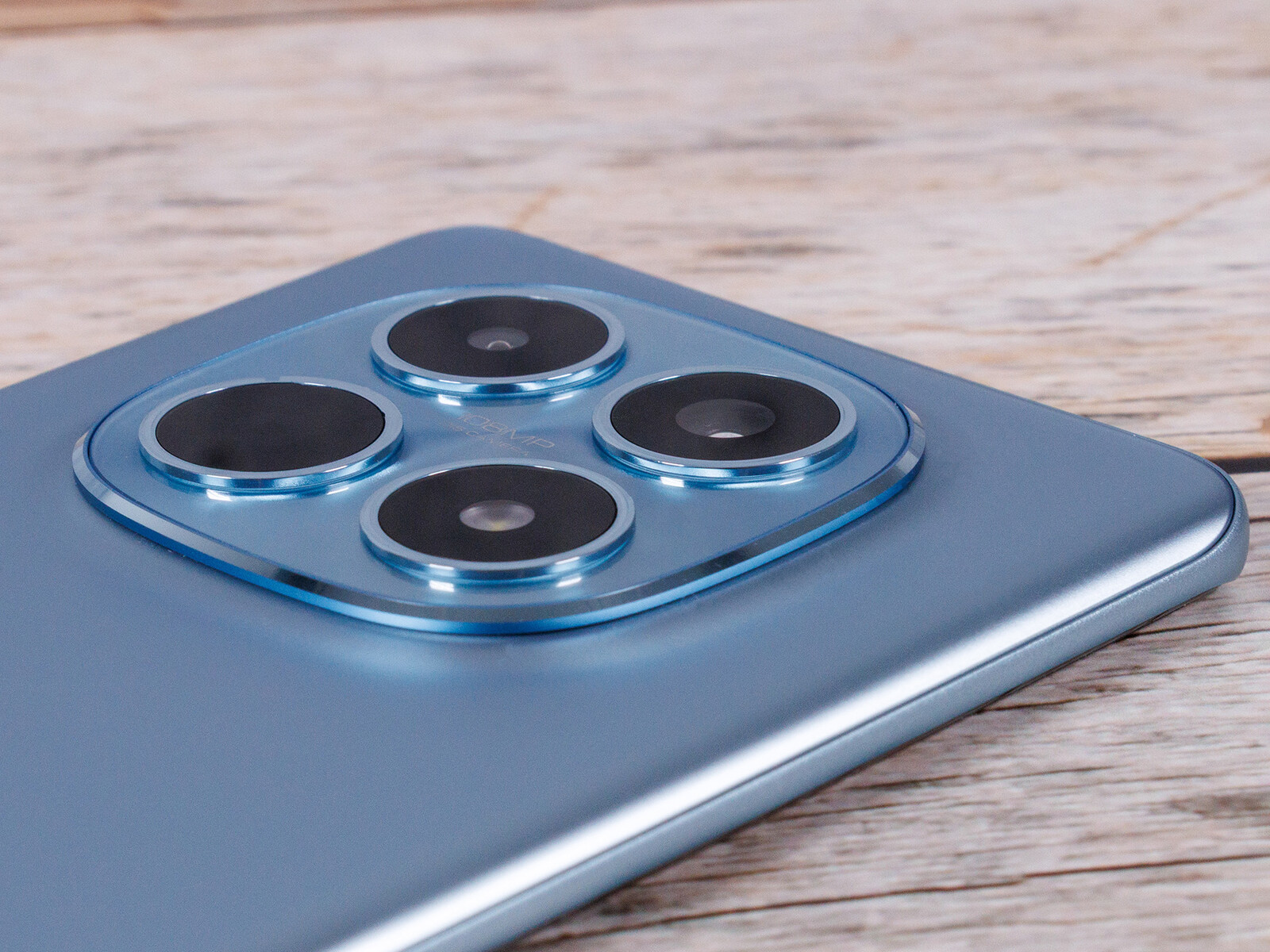
The Xiaomi Redmi Note 15 5G is a solid, affordable mid-range smartphone that stands out above all for its 6.77-inch AMOLED display. The 120 Hz refresh rate ensures smooth visuals, while high brightness and good color reproduction make the screen pleasant to use even in bright ambient light. The 5,520-mAh battery provides long battery life, making the device a reliable everyday companion.
The Redmi Note 15 5G is a good choice for anyone seeking long battery life, a high-quality display, adequate performance, and a solid feature set.
The Snapdragon 6 Gen 3 offers enough power for everyday tasks, social media, streaming, and most apps. However, the smartphone reaches its limits in demanding games and computationally intensive applications. Strengths include IP65 certification, a microSD card slot, and long-term Android update support. However, the Redmi Note 15 5G lacks eSIM and Wi-Fi 6 support, and the display cannot render HDR content. The camera takes decent photos in good lighting, but it is not one of the smartphone's standout features.
10th place - Motorola Moto G67 5G
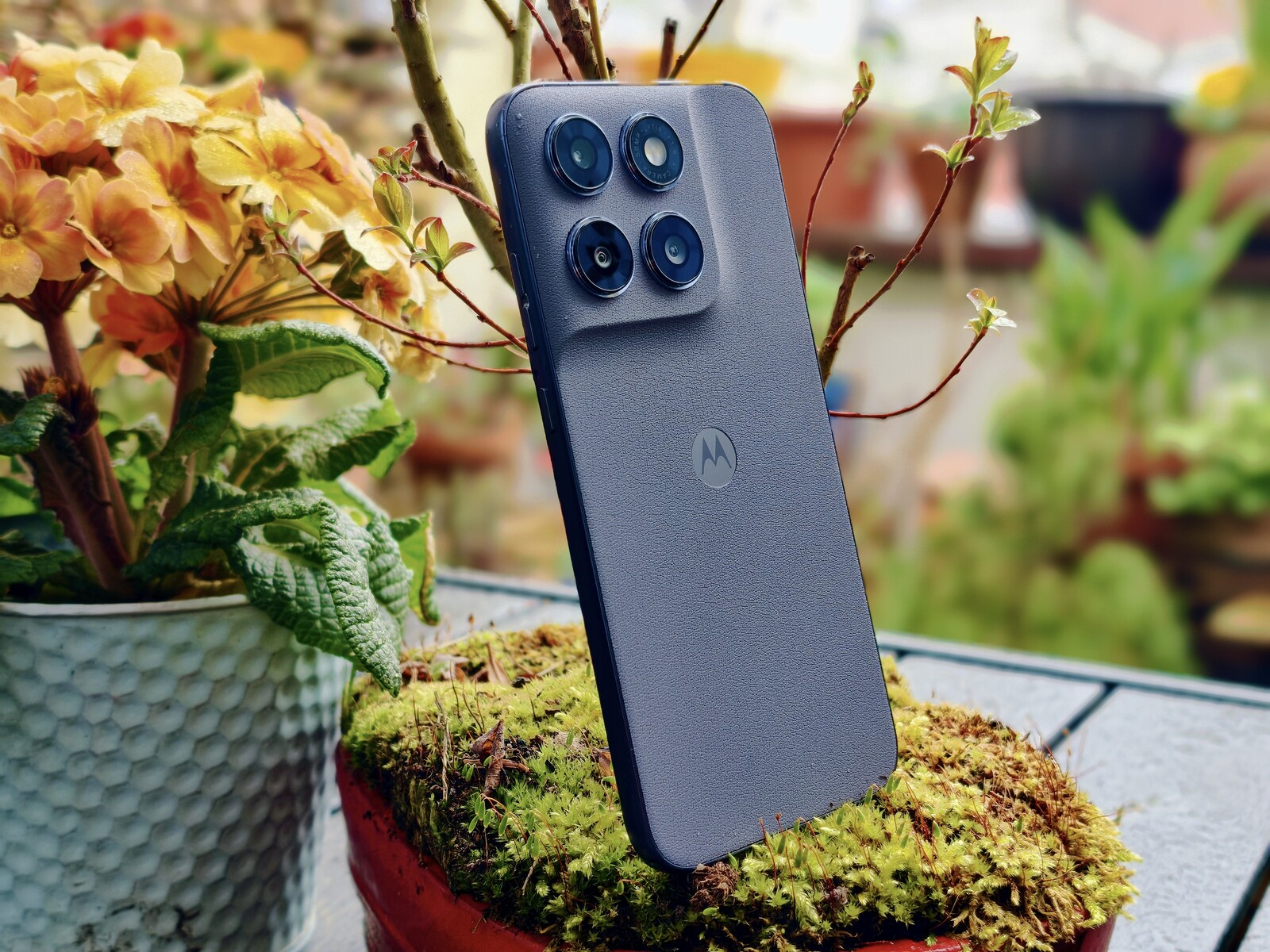
The Motorola Moto G67 is an affordable mid-range smartphone that stands out primarily for its display and long battery life. The 6.78-inch AMOLED panel offers high resolution, a 120 Hz refresh rate, and very high brightness of over 1,400 cd/m². Colors are rendered accurately, and HDR content looks great as well.
The Moto G67 is primarily aimed at budget-conscious users with modest everyday performance requirements.
The 5,200-mAh battery delivers more than 20 hours of battery life in a Wi-Fi test. The slim, relatively lightweight body weighs 182 grams, is well built, and fits comfortably in the hand. Other practical features include eSIM support, a microSD card slot, and NFC. Performance is less impressive: the MediaTek Dimensity 6300 is sufficient for everyday tasks, but occasional stuttering occurs. The limited 4 GB of RAM is a particular drawback. Software support is also relatively limited, with updates available only through 2030.
Best lower mid-range smartphones: Overview
Measurements
| Xiaomi Poco X8 Pro Mali-G720 MP8, Dimensity 8500, 512 GB UFS 4.1 Flash | Samsung Galaxy A56 5G Xclipse 540, Exynos 1580, 128 GB UFS 3.1 Flash | Xiaomi Poco M8 Pro 5G Adreno 810, SD 7s Gen 4, 512 GB UFS 2.2 Flash | Samsung Galaxy A37 5G Xclipse 530, Exynos 1480, 256 GB UFS 3.1 Flash | Honor Magic8 Lite Adreno 810, SD 6 Gen 4, 512 GB UFS 3.1 Flash | Xiaomi Redmi Note 15 Pro 5G Mali-G615 MP2, Dimensity 7400-Ultra, 256 GB UFS 2.2 Flash | Motorola Edge 70 Fusion Adreno 810, SD 7s Gen 3, 256 GB UFS 3.1 Flash | Motorola Moto G77 Mali-G57 MP2, Dimensity 6400, 256 GB UFS 2.1 Flash | Xiaomi Redmi Note 15 5G Adreno 710, SD 6 Gen 1, 256 GB UFS 2.2 Flash | Motorola Moto G67 Mali-G57 MP2, Dimensity 6300, 128 GB UFS 2.2 Flash | |
|---|---|---|---|---|---|---|---|---|---|---|
| Display | ||||||||||
| APL18 Peak Brightness (cd/m²) | 3475 | 1952 | 2841 | 1839 | 1785 | 1953 | 3775 | 3521 | 3430 | 1602 |
| HDR Peak Brightness (cd/m²) | 3406 | 2001 | 3117 | 1752 | 5962 | 2922 | 3685 | 3704 | 3582 | 3599 |
| Response Times | ||||||||||
| Response Time Grey 50% / Grey 80% * (ms) | 1.11 ? | 1.15 ? | 1.09 ? | 1.57 ? | 0.68 ? | 1.4 ? | 1.4 ? | 1.6 ? | 0.99 ? | 1.4 ? |
| Response Time Black / White * (ms) | 1.05 ? | 1.2 ? | 1.13 ? | 1.39 ? | 1.07 ? | 1.4 ? | 1.2 ? | 1.1 ? | 1.13 ? | 1.2 ? |
| PWM Frequency (Hz) | 120 | 120 | 120 | 240 | 60 | 120.5 | 120 | 103 | 60 | 90 |
| PWM Amplitude * (%) | 16.04 | 14.29 | 14.64 | 16.58 | 14.56 | 16 | 16 | 10 | 13.61 | 12 |
| Screen | ||||||||||
| Brightness middle (cd/m²) | 1104 | 1184 | 1791 | 1127 | 1754 | 1155 | 1501 | 1558 | 979 | 1423 |
| Brightness (cd/m²) | 1102 | 1179 | 1795 | 1748 | 1136 | 1476 | 1526 | 969 | 1380 | |
| Brightness Distribution (%) | 97 | 99 | 99 | 98 | 97 | 96 | 96 | 95 | 93 | |
| Black Level * (cd/m²) | ||||||||||
| Colorchecker dE 2000 * | 1.2 | 1.7 | 1.5 | 2.6 | 1.5 | 2.42 | 1.52 | 0.79 | 1.3 | 0.84 |
| Colorchecker dE 2000 max. * | 2.4 | 3.2 | 3.4 | 5.3 | 3.5 | 5.63 | 3.47 | 2.97 | 2.6 | 2.77 |
| Greyscale dE 2000 * | 2.1 | 2.4 | 1 | 3.7 | 2.4 | 3.7 | 2.6 | 1.3 | 1.6 | 1.3 |
| Gamma | 2.22 99% | 2.12 104% | 2.23 99% | 2.06 107% | 2.27 97% | 2.246 98% | 2.184 101% | 2.24 98% | 2.23 99% | 2.258 97% |
| CCT | 6472 100% | 6544 99% | 6587 99% | 6496 100% | 6358 102% | 7263 89% | 6444 101% | 6489 100% | 6688 97% | 6467 101% |
| Heat | ||||||||||
| Maximum Upper Side * (°C) | 42.5 | 48.5 | 39.4 | 43.4 | 44.8 | 38.8 | 43.1 | 40 | 44 | 44.7 |
| Maximum Bottom * (°C) | 40.3 | 49 | 38.3 | 43.1 | 40.2 | 40.7 | 40.8 | 38.7 | 40.8 | 43.7 |
| Idle Upper Side * (°C) | 26.9 | 28.1 | 26.2 | 31.9 | 26.8 | 25 | 28.2 | 28.9 | 24.5 | |
| Idle Bottom * (°C) | 26.3 | 27.1 | 25 | 28.7 | 25.8 | 25 | 25.6 | 27.4 | 24.5 | |
| Battery runtime | ||||||||||
| WiFi v1.3 (h) | 19.4 | 20 | 23.5 | 18.6 | 23 | 30.5 | 24.5 | 20 | 19 | 20.4 |
| Reader / Idle (h) | 52.9 | 39.2 | 39.3 | 50 | 36.6 | 48.3 | ||||
| Load (h) | 3.6 | 5.2 | 5.4 | 5.2 | 4.2 | 5 |
* ... smaller is better
Benchmark scores
| PCMark for Android - Work 3.x (sort by value) | |
| Xiaomi Poco X8 Pro | |
| Samsung Galaxy A56 5G | |
| Xiaomi Poco M8 Pro 5G | |
| Honor Magic8 Lite | |
| Xiaomi Redmi Note 15 Pro 5G | |
| Xiaomi Redmi Note 15 5G | |
| Antutu v11 - Score (sort by value) | |
| Xiaomi Poco X8 Pro | |
| Xiaomi Poco M8 Pro 5G | |
| Honor Magic8 Lite | |
| Xiaomi Redmi Note 15 5G | |
| Octane V2 - Total Score (sort by value) | |
| Xiaomi Poco X8 Pro | |
| Samsung Galaxy A56 5G | |
| Xiaomi Poco M8 Pro 5G | |
| Xiaomi Redmi Note 15 Pro 5G | |
| Xiaomi Redmi Note 15 5G | |
| PUBG Mobile - HD (sort by value) | |
| Xiaomi Poco X8 Pro | |
| Samsung Galaxy A56 5G | |
| Xiaomi Redmi Note 15 Pro 5G | |
| Xiaomi Redmi Note 15 5G | |
 Add as a preferred source on Google


